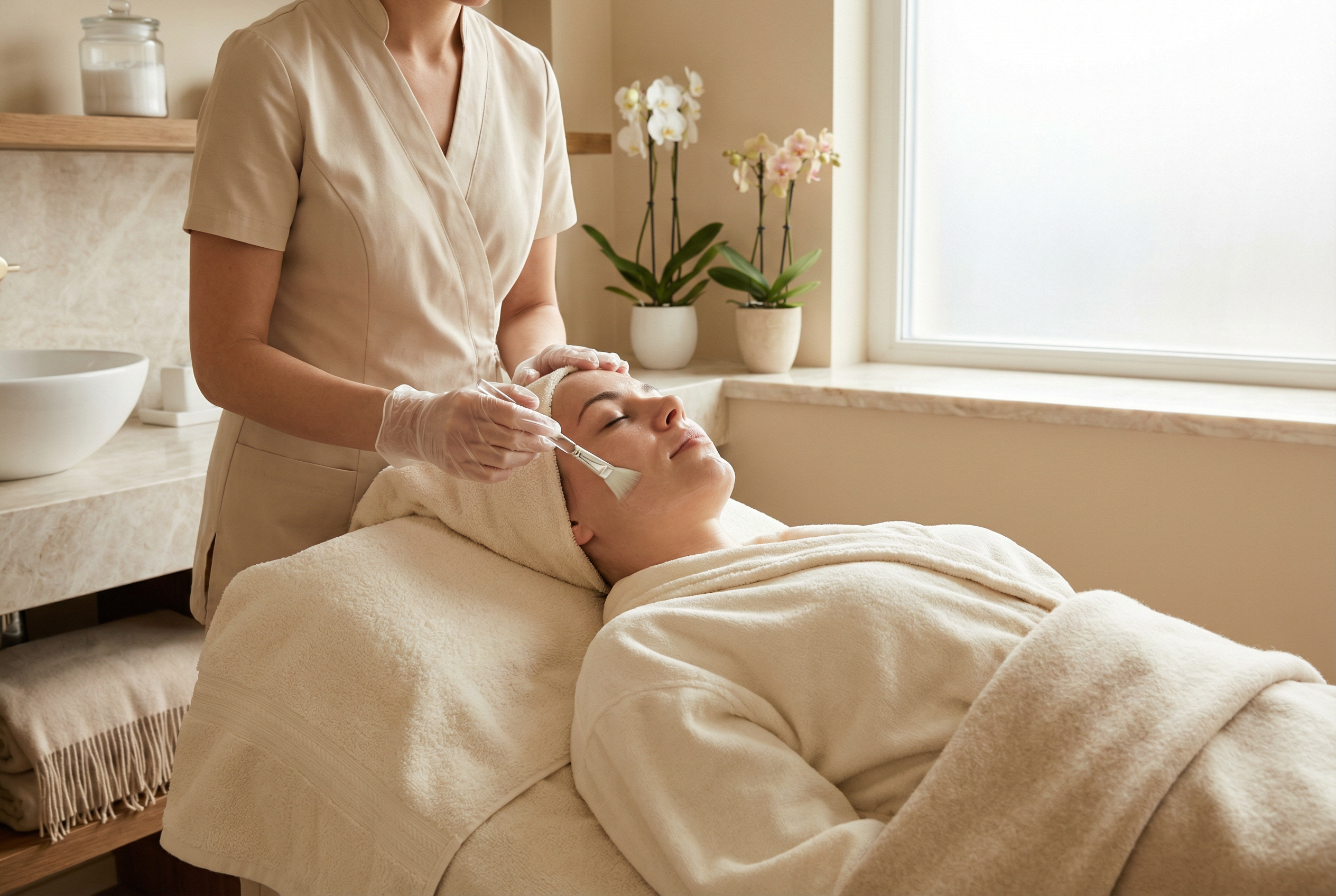
Walk down any high street in Britain today and you will find at least one aesthetic clinic nestled between the coffee shops and boutiques. The UK non-surgical aesthetics market has undergone a remarkable transformation over the past decade, evolving from a niche offering associated with celebrity culture into a mainstream healthcare and wellness service accessed by millions of people each year. Understanding what is driving this growth — and what it means for the quality of care patients receive — is essential reading for anyone who has considered, or is currently receiving, aesthetic treatments.
The numbers are striking. The British Association of Aesthetic Plastic Surgeons and independent market analysts consistently report year-on-year growth in non-surgical procedures, with the UK market now valued at several billion pounds annually. Botulinum toxin injections, dermal fillers, skin boosters, and body contouring treatments have all seen significant increases in demand. Yet this growth brings with it a critical question that every patient should be asking: in a market expanding this rapidly, how do you distinguish a clinic that will deliver safe, effective, beautiful results from one that will not?
The Drivers Behind the Boom
Several converging forces have propelled the UK aesthetic clinic industry to its current scale. Social media has played an undeniable role — the constant visibility of refined, polished appearances across platforms such as Instagram and TikTok has normalised the idea of aesthetic enhancement in ways that were unimaginable even fifteen years ago. The "Instagram face" phenomenon, much discussed in cultural commentary, has created a visual grammar of aesthetic ideals that millions of people now aspire to.
But to attribute the boom solely to social media influence would be to miss a more nuanced picture. A significant portion of the growth is driven by an ageing population that is better informed, more financially confident, and less willing to accept the visible signs of ageing as inevitable. Baby Boomers and Generation X patients are seeking treatments that offer natural-looking rejuvenation rather than dramatic transformation. Meanwhile, younger patients are increasingly interested in preventative treatments — using low doses of botulinum toxin in their late twenties and early thirties to slow the formation of dynamic lines before they become established.
The destigmatisation of aesthetic medicine has also been profound. Where once patients might have been reluctant to admit to having had a treatment, the conversation has become far more open. Celebrities, influencers, and public figures discussing their aesthetic journeys with candour have helped to normalise the experience, removing much of the social stigma that previously surrounded cosmetic procedures.
What Patients Are Looking For in 2026
The modern aesthetic patient is more sophisticated and better informed than at any previous point in the industry's history. They arrive at consultations having researched their desired treatments extensively online, often with a clear understanding of the products and techniques involved. This shift in patient knowledge has fundamentally changed the dynamic of the clinical consultation — and has raised the bar for what practitioners must be able to offer.
| Patient Priority | What It Means in Practice | How Leading Clinics Respond |
|---|---|---|
| Natural-Looking Results | Avoidance of the "overdone" appearance; preservation of facial movement and expression | Conservative dosing, thorough facial anatomy assessment, staged treatment plans |
| Practitioner Credentials | Verified medical qualifications, registered with CQC or relevant professional bodies | Transparent display of credentials, GMC/NMC registration numbers publicly available |
| Personalised Consultation | Treatment plans tailored to individual anatomy, lifestyle, and aesthetic goals | Minimum 30-minute consultations, photographic records, written treatment plans |
| Aftercare and Follow-Up | Accessible support post-treatment, clear protocols for managing complications | Dedicated aftercare lines, two-week review appointments, written aftercare instructions |
| Transparent Pricing | Clear understanding of costs before committing, no hidden fees | Published price lists, itemised quotes, no pressure sales tactics |
The demand for natural results has become perhaps the defining characteristic of the contemporary aesthetic patient. The era of the dramatically augmented lip or the frozen forehead is giving way to a preference for treatments that enhance rather than alter — that make a person look refreshed and well-rested rather than obviously "done." This shift has significant implications for how practitioners are trained and how they approach their work.
The Regulatory Landscape: Progress and Remaining Gaps
One of the most significant developments in the UK aesthetics industry in recent years has been the movement towards greater regulation. For too long, the sector operated in a regulatory grey area that allowed individuals without medical training to administer injectable treatments. The consequences of this — from disfiguring complications to the use of counterfeit products — were well documented in the media and by patient advocacy groups.
The introduction of licensing requirements for practitioners performing certain aesthetic procedures marks a significant step forward. The requirement that botulinum toxin injections be prescribed by a qualified prescriber, and the ongoing push for mandatory registration of aesthetic practitioners with recognised professional bodies, has begun to professionalise the sector in meaningful ways. However, patients should remain vigilant — the regulatory framework is still evolving, and not all practitioners operating in the market meet the standards that patients have a right to expect.
When evaluating a clinic, patients should look for practitioners who are registered with the General Medical Council (GMC), the Nursing and Midwifery Council (NMC), or the General Dental Council (GDC). Membership of professional bodies such as the British College of Aesthetic Medicine (BCAM) or the Aesthetic Complications Expert (ACE) Group provides additional assurance of a practitioner's commitment to ongoing education and safety standards.
The Rise of the Aesthetic Clinic as a Business
Behind every successful aesthetic clinic is not just clinical excellence but sound business practice. The rapid growth of the sector has attracted a new generation of practitioners who are as interested in building sustainable businesses as they are in delivering outstanding clinical results. This professionalisation of the business side of aesthetics has been one of the more quietly significant developments of the past five years.
Opening an aesthetic clinic in the UK today involves navigating a complex landscape of regulatory requirements, business planning, branding, and digital marketing — all while maintaining the highest clinical standards. The Care Quality Commission (CQC) registration process, insurance requirements, consent protocols, and the management of a clinical environment all demand significant expertise beyond the clinical. For practitioners considering entering the market, comprehensive guidance on this process — covering everything from business planning and legal requirements to branding and patient acquisition — is available through specialist resources such as the Aesthetic Launch Lab's guide to starting an aesthetic clinic, which provides a detailed roadmap for building a compliant and commercially successful practice.
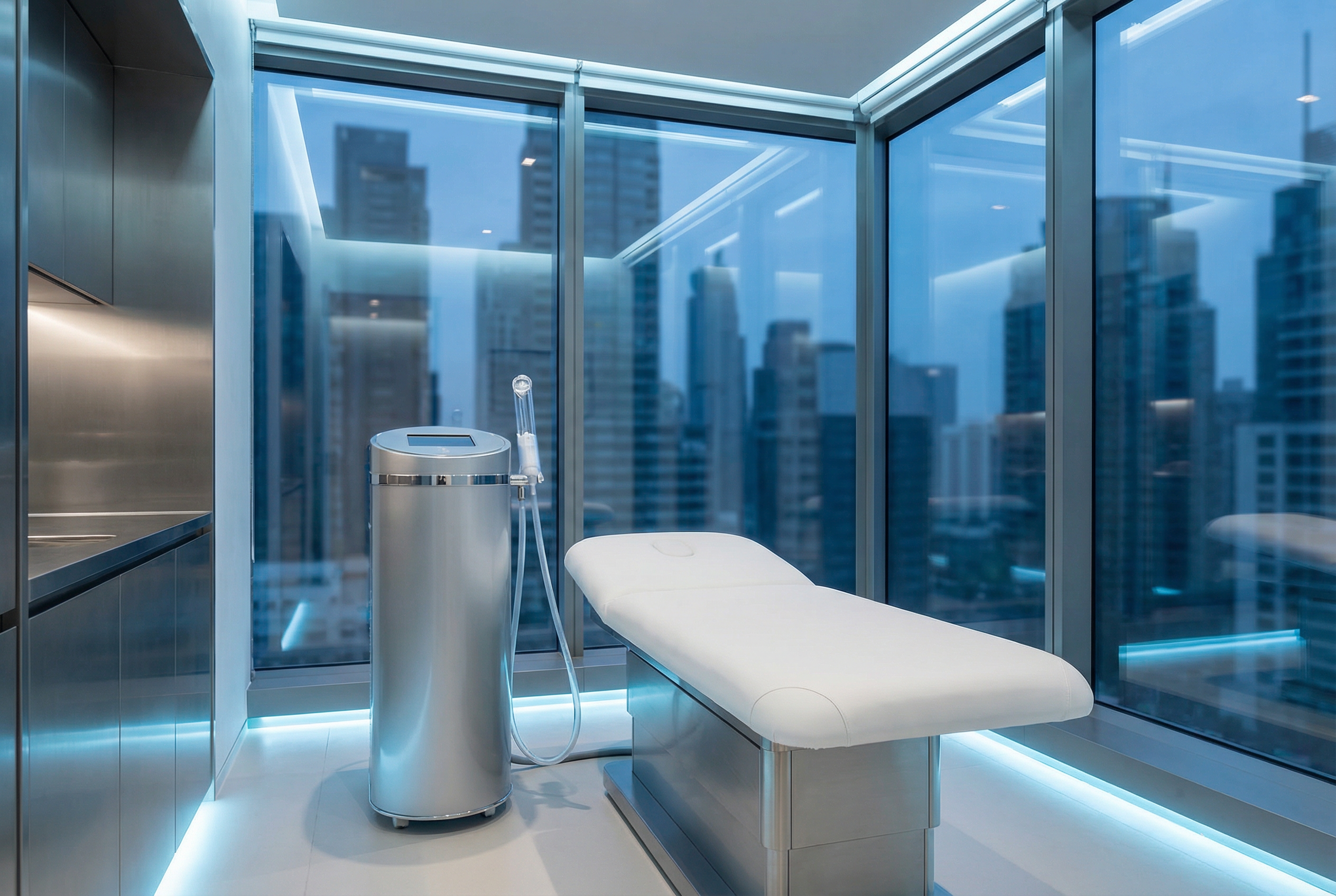
The business of aesthetics has also become increasingly sophisticated in its approach to patient experience. Leading clinics now invest heavily in the physical environment — creating spaces that feel calm, clinical, and luxurious in equal measure — as well as in the digital experience, with seamless online booking, thorough pre-treatment information, and proactive aftercare communications. These investments reflect an understanding that patients are choosing a clinic not just for the treatment itself but for the entire experience surrounding it.
Treatments Driving Growth in 2026
While botulinum toxin and dermal fillers remain the workhorses of the aesthetic clinic, the treatment menu has expanded considerably in recent years. Understanding the treatments that are driving growth provides valuable context for both patients and practitioners.
Skin Boosters and Biostimulators
Products such as Profhilo, Sculptra, and Radiesse have captured significant market share by offering a different approach to skin rejuvenation — one focused on improving skin quality, hydration, and structural support rather than simply adding volume. These treatments appeal particularly to patients who want a more natural, gradual improvement and who are wary of the more dramatic results associated with traditional filler techniques.
Body Contouring and Fat Reduction
Non-surgical body contouring treatments, including cryolipolysis (fat freezing), radiofrequency, and high-intensity focused ultrasound (HIFU), have seen strong growth as patients seek alternatives to surgical liposuction. The appeal of treatments with minimal downtime and no surgical risk has driven adoption across a broad demographic range.
Polynucleotides (PDRN)
One of the most significant emerging treatments in the UK market, polynucleotide injections derived from salmon or trout DNA have generated considerable excitement for their regenerative properties. Clinical evidence supports their use in improving skin texture, reducing fine lines, and accelerating healing — making them a compelling option for patients seeking genuine skin rejuvenation rather than cosmetic correction.
Combination Protocols
Perhaps the most significant trend in aesthetic medicine is the move towards combination protocols — bespoke treatment plans that combine multiple modalities to address different aspects of facial ageing simultaneously. A practitioner might combine botulinum toxin for dynamic lines, a skin booster for hydration and texture, and a small amount of filler for structural support, creating a result that is greater than the sum of its parts. This approach requires a high level of anatomical knowledge and clinical skill, and is one of the key differentiators between elite practitioners and those offering more basic services.
How to Choose the Right Clinic
For patients navigating the crowded UK aesthetic market, choosing the right clinic can feel overwhelming. The following framework provides a structured approach to evaluating your options.
Verify Credentials First
Before anything else, confirm that the practitioner who will be treating you is a qualified medical professional — a doctor, nurse, dentist, or pharmacist — registered with their relevant regulatory body. This information should be readily available on the clinic's website. If it is not, treat this as a significant warning sign.
Assess the Consultation Process
A reputable clinic will insist on a thorough consultation before any treatment. This should include a detailed medical history, a discussion of your aesthetic goals, an honest assessment of what can and cannot be achieved, and a clear explanation of the risks involved. Be wary of any clinic that seems eager to proceed to treatment without this process.
Look for Evidence of Ongoing Education
The field of aesthetic medicine is evolving rapidly. Practitioners who are committed to delivering the best possible results invest continuously in their education — attending conferences, completing advanced training courses, and staying current with the latest clinical evidence. Ask your practitioner about their training and continuing professional development.
Read Reviews Critically
Patient reviews can be a valuable source of information, but they should be read critically. Look for reviews that describe the consultation process, the practitioner's communication style, and the aftercare provided — not just the immediate results. A pattern of positive reviews mentioning these elements is a stronger signal of quality than a high volume of brief, generic praise.
The Future of UK Aesthetics
The UK aesthetic clinic industry shows no signs of slowing its growth trajectory. Several trends point to a continued expansion of both the patient base and the treatment menu over the coming years. The increasing integration of technology — from AI-powered skin analysis tools to advanced imaging systems that allow practitioners to simulate treatment outcomes — is transforming the consultation process and improving the precision of treatment planning.
The ongoing regulatory evolution will also shape the industry significantly. As licensing requirements become more stringent and the bar for entry rises, the market will increasingly reward clinics that have invested in clinical excellence, practitioner development, and patient safety infrastructure. For patients, this is an unambiguously positive development — a more regulated market is a safer market, and one in which the quality of care is more consistently high.
The cultural conversation around aesthetic treatments will continue to evolve as well. The growing emphasis on authenticity and self-acceptance in mainstream culture sits in interesting tension with the continued growth of the aesthetics market — a tension that the industry is navigating thoughtfully, with increasing emphasis on treatments that enhance rather than transform, and on the importance of psychological wellbeing alongside physical appearance.
Frequently Asked Questions
Is the UK aesthetic clinic market regulated?
The UK aesthetic market is regulated, but the regulatory framework is still evolving. Botulinum toxin injections must be prescribed by a qualified prescriber, and certain clinic types require CQC registration. However, not all non-surgical aesthetic treatments are subject to the same level of oversight, which is why verifying your practitioner's medical qualifications and professional body membership remains essential.
How do I know if an aesthetic clinic is reputable?
Look for practitioners registered with the GMC, NMC, or GDC. Check for membership of professional bodies such as BCAM or the ACE Group. A reputable clinic will have a thorough consultation process, transparent pricing, and clear aftercare protocols. Patient reviews that describe the consultation and aftercare experience — not just the results — are a strong positive indicator.
What is the difference between a medical aesthetic clinic and a beauty salon offering aesthetic treatments?
A medical aesthetic clinic is staffed by qualified medical professionals — doctors, nurses, dentists, or pharmacists — who have undergone specific training in aesthetic medicine. A beauty salon offering aesthetic treatments may not have the same level of medical training or access to prescription-only products. For injectable treatments in particular, it is essential to choose a medically qualified practitioner.
Are non-surgical aesthetic treatments safe?
When performed by a qualified, experienced medical professional using licensed products, non-surgical aesthetic treatments have an excellent safety profile. The risks increase significantly when treatments are performed by unqualified practitioners or when unlicensed products are used. Choosing a reputable, medically led clinic is the most important factor in ensuring your safety.
How much do aesthetic treatments cost in the UK?
Costs vary considerably depending on the treatment, the practitioner's experience, and the clinic's location. As a general guide, botulinum toxin treatments typically range from £150 to £400 per area, while dermal filler treatments range from £300 to £800 per syringe. Skin booster treatments such as Profhilo typically cost between £350 and £600 per session. Be wary of prices that seem significantly below market rate — in aesthetic medicine, as in most areas of healthcare, very low prices often reflect compromises in product quality or practitioner experience.