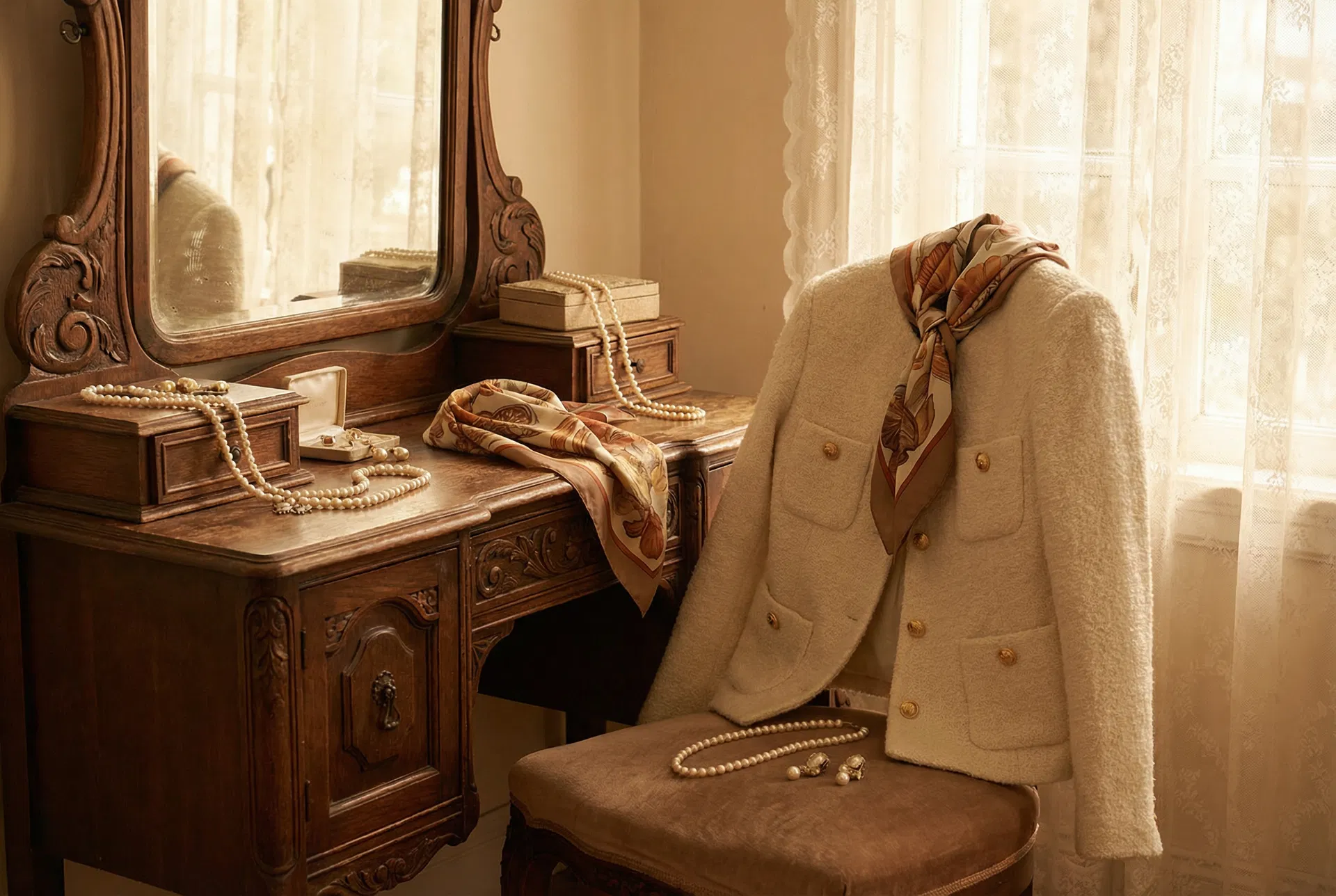
In the world of fashion, a well-put-together outfit is a form of self-expression. While clothing lays the foundation, accessories are the finishing touches that infuse personality, sophistication, and that certain je ne sais quoi into your look. The right accessories have the power to transform an ordinary outfit into an extraordinary one, taking it from simple to stunning with just a few thoughtful additions. This guide will explore the art of accessorizing, providing you with the principles and techniques to elevate your style and make every outfit your own.
The Foundation: Understanding the Role of Accessories
Accessories are more than just decorative afterthoughts; they are essential components of a cohesive and stylish ensemble. They serve to balance proportions, add pops of color, and introduce texture and visual interest. Think of your outfit as a canvas and your accessories as the brushstrokes that complete the masterpiece. A simple white t-shirt and jeans can be transformed into a chic, polished look with the addition of a statement necklace, a structured handbag, and a pair of elegant loafers. The same outfit can be given a bohemian flair with layered necklaces, a fringed bag, and ankle boots. This transformative power is what makes accessorizing such a crucial skill for anyone interested in personal style.
Beyond the aesthetic, accessories also play a psychological role. The pieces you choose to wear communicate a great deal about your personality, mood, and even your aspirations. A classic watch might suggest a respect for tradition and punctuality, while a collection of eclectic, handmade jewelry could signify a creative and free-spirited nature. By understanding the language of accessories, you can dress with greater intention, using your choices to tell your unique story.
Mastering the Art of Selection: Key Principles
To accessorize effectively, it's important to understand a few key principles. These are not rigid rules, but rather guidelines to help you make confident and stylish choices.
Establish a Focal Point
Every great outfit has a focal point, a single item that draws the eye and anchors the look. This could be a bold piece of jewelry, a brightly colored handbag, or a pair of statement shoes. Once you've chosen your focal point, build the rest of your accessories around it, selecting more subtle pieces that complement rather than compete. For example, if you're wearing a chunky, intricate necklace, opt for simple stud earrings and a classic watch. This creates a sense of visual hierarchy and ensures your outfit feels intentional and well-curated.
Create Balance
Balance is another fundamental principle of good design, and it applies to fashion as well. If your outfit is busy, with a bold pattern or intricate detailing, choose simple, understated accessories. A patterned dress, for instance, pairs beautifully with a delicate pendant necklace and a classic leather belt. Conversely, a minimalist outfit provides the perfect backdrop for more dramatic accessories. A simple black dress can be transformed with a pair of chandelier earrings, a stack of bangles, and a vibrant clutch. The goal is to create a harmonious interplay between your clothing and your accessories, where each element enhances the others.
Coordinate Colors with Confidence
Color coordination is a powerful tool in accessorizing. You can create a sophisticated, monochromatic look by choosing accessories in the same color family as your outfit. A navy blue dress, for example, can be paired with a sapphire pendant and a navy handbag for a chic, tonal effect. Alternatively, you can use accessories to introduce a pop of contrasting color. A yellow handbag against a grey suit, or a pair of red shoes with a black and white outfit, can create a bold and memorable statement. When in doubt, metallic accessories in gold, silver, or rose gold are a foolproof option, as they complement nearly every color and add a touch of timeless elegance.
A Guide to Essential Accessory Categories
Building a versatile accessory collection is about investing in key pieces that can be mixed and matched to create a variety of looks. The following table highlights some essential accessory categories and their potential impact on an outfit:
| Accessory Category | Description | Impact on Outfit |
|---|---|---|
| Jewelry | Includes necklaces, earrings, bracelets, and rings. Can be fine or costume, delicate or bold. | Adds sparkle, draws attention to the face and hands, and can signify personal milestones or beliefs. |
| Handbags | From totes and satchels to clutches and crossbody bags, a handbag is both functional and a style statement. | Can introduce color and texture, and the style of the bag can significantly influence the overall feel of the look. |
| Belts | Can be worn at the natural waist, on the hips, or to cinch a dress or cardigan. | Defines the waist, creates an hourglass silhouette, and can add a pop of color or a touch of hardware. |
| Scarves | Available in a wide range of materials, colors, and patterns. | Adds warmth, color, and pattern. Can be worn around the neck, in the hair, or tied to a handbag. |
| Shoes | The foundation of any outfit, shoes can dictate the level of formality and the overall aesthetic. | Can elevate a casual look, add a pop of color, and impact posture and confidence. |
Curating Your Collection: Building a Versatile Accessory Wardrobe
Creating a versatile accessory wardrobe is not about having a vast number of pieces, but rather about having the right pieces. Focus on acquiring timeless, high-quality items that can be worn in multiple ways and with a variety of outfits. A classic leather belt, a pair of diamond or pearl studs, a simple gold chain, and a structured handbag are all examples of foundational pieces that will serve you well for years to come. You can supplement these core items with more trend-driven pieces, such as a seasonal handbag or a piece of costume jewelry, to keep your look fresh and current.
When building your collection, consider the concept of a capsule wardrobe, but for your accessories. A capsule accessory collection should consist of a limited number of versatile pieces that can be mixed and matched to create a wide range of looks. This approach not only saves you time and money, but it also encourages you to be more creative and intentional with your styling choices.
Advanced Styling: Tips from the Experts
Once you've mastered the basics, you can start to experiment with more advanced styling techniques.
- Mixing Metals: The old rule about not mixing gold and silver is a thing of the past. The key to successfully mixing metals is to create a sense of intention. Try wearing a stack of bracelets that includes both gold and silver, or layer a gold necklace with a silver one. The look should feel deliberate and curated, not accidental.
- Layering: Layering jewelry is a great way to create a personalized and unique look. Experiment with layering necklaces of different lengths, or stacking rings on multiple fingers. The key is to vary the textures and sizes of the pieces to create visual interest.
- Playing with Proportions: Don't be afraid to play with proportions. A tiny clutch with an oversized coat, or a wide belt over a delicate dress, can create a fashion-forward and unexpected look. The key is to ensure that the proportions are balanced and that the overall look feels harmonious.
Frequently Asked Questions
How many accessories are too many?
Coco Chanel famously advised, "Before you leave the house, look in the mirror and take one thing off." While this is a good rule of thumb, the right number of accessories depends on the specific pieces and the overall look you're trying to achieve. A good guideline is to stick to three or four main accessories, not including your wedding or engagement rings.
How do I choose accessories for a professional setting?
In a professional setting, it's best to opt for classic, understated accessories. A simple watch, a pair of stud earrings, and a delicate necklace are all appropriate choices. Avoid anything too large, noisy, or distracting. The goal is to look polished and put-together, not to make a bold fashion statement.
Can I mix gold and silver jewelry?
Absolutely! Mixing metals is a modern and stylish way to accessorize. The key is to make it look intentional. You can do this by wearing a piece of jewelry that incorporates both metals, or by repeating the mix of metals in your other accessories.
What are the most timeless accessories to invest in?
A few timeless accessories that are always a good investment include a classic leather handbag, a pair of high-quality leather shoes, a simple gold or silver necklace, a pair of diamond or pearl stud earrings, and a classic watch. These are pieces that you will be able to wear for years to come, regardless of the current trends.