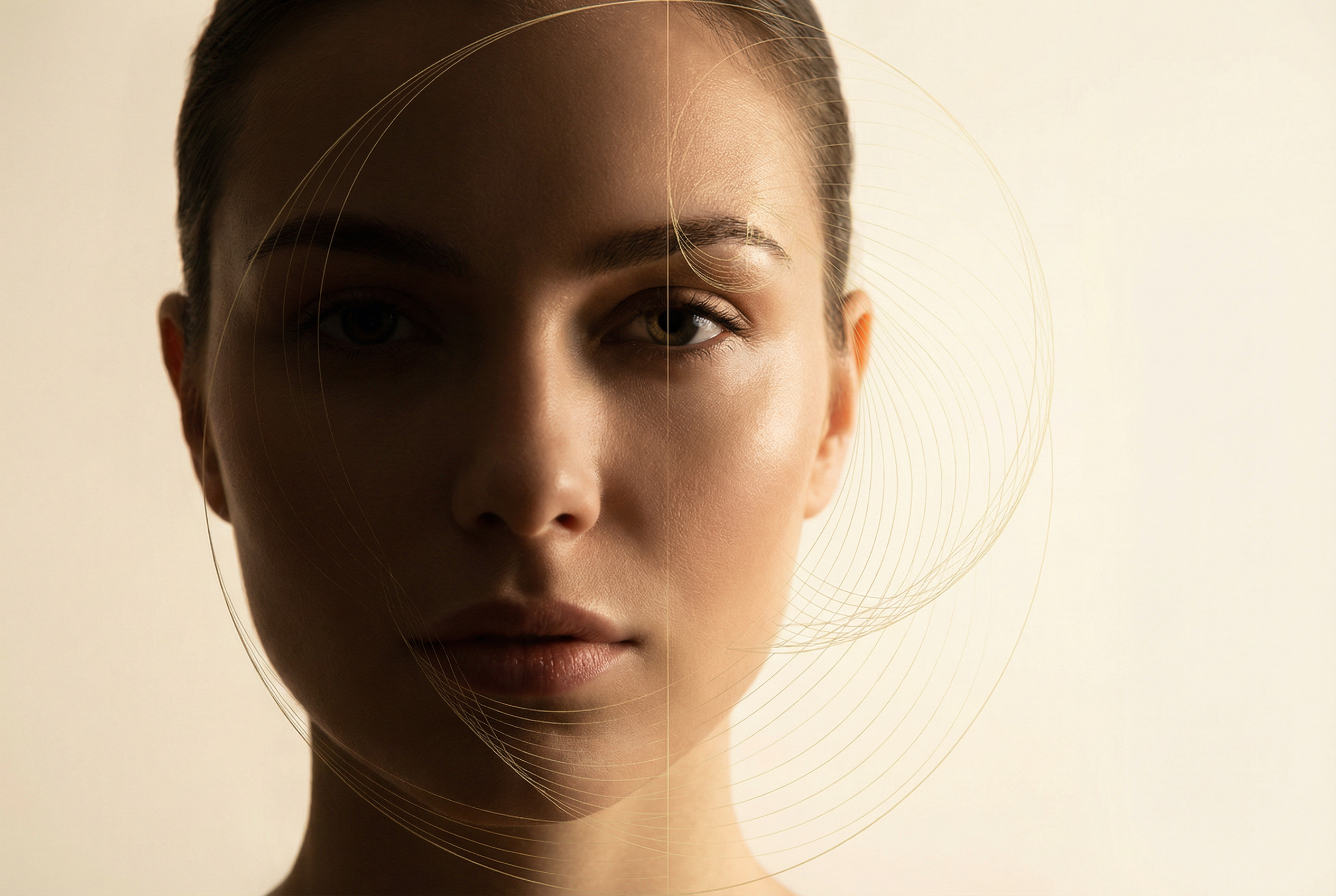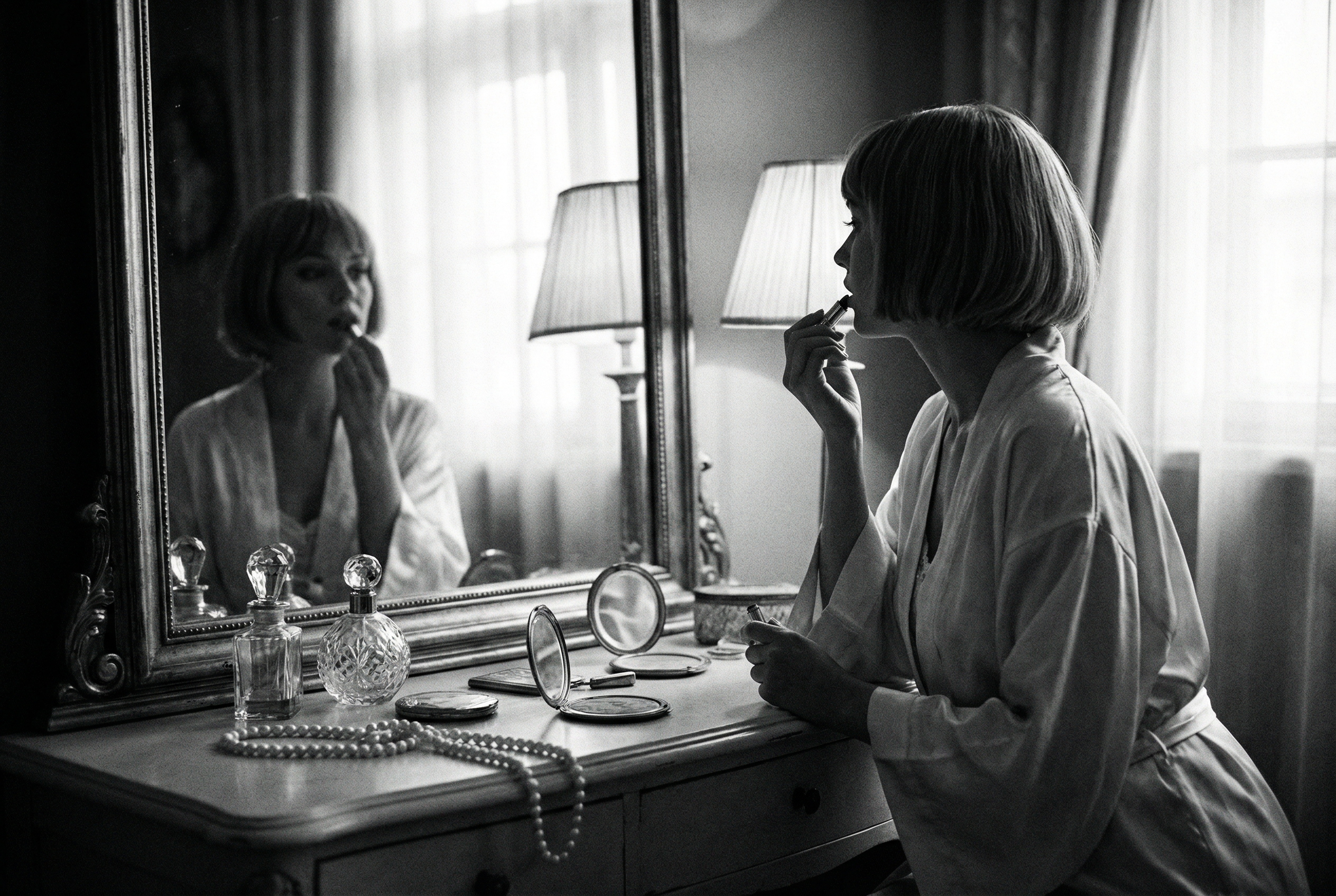
In a world saturated with filters, flawless finishes, and the relentless pursuit of perfection, a centuries-old Japanese philosophy offers a refreshing and deeply authentic alternative. Wabi-sabi, an aesthetic and worldview centred on the acceptance of transience and imperfection, is quietly revolutionising our approach to beauty. It is the art of finding beauty in the incomplete, the impermanent, and the modest. Far from being a trend, it is a mindful practice that encourages a deeper connection with ourselves and the natural world.
At its core, wabi-sabi is a departure from the high-gloss, airbrushed ideals that have long dominated the beauty industry. It does not seek to conceal or correct, but rather to celebrate the unique character that comes with age, experience, and authenticity. Think of the delicate cracks in a cherished ceramic bowl, the subtle patina on a well-loved leather-bound book, or the asymmetrical grace of a windswept tree. These are expressions of wabi-sabi—a beauty that is earned, not manufactured.
This philosophy invites us to reconsider our relationship with our own reflections. Instead of battling against fine lines, we can see them as maps of our laughter and experiences. Instead of striving for poreless uniformity, we can appreciate the natural texture and tone of our skin. It is a gentle rebellion against the notion that youth and perfection are the sole currencies of beauty, offering instead a more compassionate and sustainable path to self-acceptance.
The Core Principles of Wabi-Sabi Beauty
The wabi-sabi beauty philosophy is guided by several key principles that distinguish it from conventional Western and even other Eastern beauty ideals, such as the quest for "glass skin" in Korean beauty. It is less about specific products and more about a mindset and an approach to daily rituals.
Simplicity (Kanso)
Simplicity, or kanso, is fundamental to wabi-sabi. It involves decluttering not just our physical spaces but also our beauty routines. This principle champions a minimalist approach, favouring a few high-quality, multi-purpose products over a complex, multi-step regimen. A minimalist beauty routine rooted in wabi-sabi focuses on nourishing the skin with what it truly needs, allowing its natural vitality to shine through without the weight of excessive products.
Asymmetry and Irregularity (Fukinsei)
Nature is rarely symmetrical, and wabi-sabi embraces this organic irregularity. Fukinsei is the appreciation of asymmetry and imbalance. In beauty, this translates to celebrating the unique, asymmetrical features of one’s face. It is about abandoning the quest for perfect symmetry—whether in eyebrow shape or lip contour—and instead finding harmony in the face’s natural landscape.
Naturalness (Shizen)
Shizen emphasises the importance of naturalness and authenticity. This principle encourages the use of products with natural, ethically sourced ingredients that work in harmony with the skin’s own processes. It also means presenting oneself without artifice. A wabi-sabi approach might favour a light, breathable base that allows the skin’s true character to show, rather than a heavy, full-coverage foundation.
Profound Grace and Subtlety (Yugen)
The concept of yugen refers to a profound, subtle grace. It is a beauty that is not immediately obvious but is revealed upon deeper contemplation. In the context of beauty, it is the quiet confidence that radiates from within, born of self-acceptance and inner peace. This is often cultivated through mindful practices, such as meditation, which has proven beauty benefits by reducing stress and promoting a healthy glow.
Stillness and Tranquillity (Seijaku)
Seijaku is the principle of stillness and tranquillity. A wabi-sabi beauty ritual is a moment of calm and mindfulness in a hectic day. It is about transforming the routine of cleansing and moisturising into a meditative practice. The focus is on the sensory experience—the texture of a cream, the scent of an oil—and being fully present in the moment.
Cultivating a Wabi-Sabi Beauty Ritual
Adopting a wabi-sabi approach to beauty is less about a complete overhaul and more about a series of gentle shifts in perspective and practice. It is about intention, mindfulness, and the celebration of authenticity.
The Wabi-Sabi Vanity
Begin by decluttering your collection of products. A wabi-sabi vanity is not overflowing with options but holds a curated selection of essentials that are a pleasure to use. Focus on products with simple, effective formulations and natural ingredients. Look for packaging that is humble, perhaps even handmade, and that you enjoy interacting with daily.
The Mindful Application
Transform your daily skincare routine into a ritual of self-care. Instead of rushing through the steps, take your time. Warm the products in your hands, inhale their aroma, and apply them with gentle, massaging motions. Pay attention to the sensations on your skin. This mindful application not only enhances the efficacy of the products but also provides a valuable moment of calm and connection.
Embracing the Process
Wabi-sabi teaches us to embrace the natural processes of life, including ageing. This does not mean neglecting our skin, but rather shifting the focus from anti-ageing to healthy ageing. A wabi-sabi routine supports the skin’s health and resilience at every stage of life, celebrating the wisdom and character that come with time.
Wabi-Sabi vs. Glass Skin: A Tale of Two Philosophies
The contrast between the Japanese philosophy of wabi-sabi and the popular Korean beauty trend of "glass skin" offers a fascinating insight into differing cultural aesthetics. While both originate in East Asia, their goals and methodologies are profoundly different.
| Feature | Wabi-Sabi Beauty | Korean "Glass Skin" |
|---|---|---|
| Core Philosophy | Embracing imperfection, transience, and authenticity. | Achieving a state of perfect, luminous, poreless skin. |
| Aesthetic Goal | A natural, textured, and characterful appearance. | A flawless, dewy, and translucent complexion. |
| The Routine | Minimalist, mindful, and ritualistic. | Extensive, multi-step, and highly structured. |
| Product Focus | Natural ingredients, multi-purpose products. | Advanced formulations, targeted treatments, layering. |
| Attitude to Ageing | Celebration of the marks of time and experience. | Focus on prevention and reversal of visible signs of ageing. |
Frequently Asked Questions (FAQ)
1. Is wabi-sabi beauty suitable for all skin types?
Absolutely. Because wabi-sabi is a philosophy rather than a specific product line, it can be adapted to any skin type. The emphasis is on choosing a few high-quality products with natural ingredients that are right for your individual needs. Whether your skin is oily, dry, sensitive, or combination, the principles of simplicity and mindful application will help to bring it into balance.
2. Can I still wear makeup if I follow a wabi-sabi philosophy?
Yes, of course. Wabi-sabi is not about forgoing makeup entirely, but rather about using it with intention. The goal is to enhance, not to mask. You might choose a lightweight tinted moisturiser over a heavy foundation, a subtle cream blush that mimics a natural flush, or a simple swipe of mascara to define the eyes. The key is to feel comfortable and authentic in your own skin.
3. How does wabi-sabi relate to sustainability in beauty?
The principles of wabi-sabi are inherently aligned with sustainability. By embracing a minimalist routine, you naturally consume less. The focus on natural ingredients often leads to choosing brands that prioritise ethical sourcing and environmentally friendly practices. Furthermore, the wabi-sabi appreciation for the imperfect and the enduring encourages us to use our products to the very last drop and to value quality over quantity.
4. What is the difference between wabi-sabi and simple minimalism?
While both wabi-sabi and minimalism champion simplicity, wabi-sabi has a deeper, more poetic dimension. Minimalism is primarily about reducing clutter and living with less. Wabi-sabi also embraces this, but it adds the crucial element of finding beauty and value in the imperfections of the things we choose to keep. It is a more soulful and accepting approach to simplicity.
5. How can I start incorporating wabi-sabi into my life beyond beauty?
Wabi-sabi can be a guiding principle for all aspects of life. You can bring it into your home by choosing handmade, artisanal objects over mass-produced items. You can practice it in your relationships by accepting and appreciating the imperfections in others and yourself. It is about slowing down, noticing the small, transient moments of beauty in everyday life, and cultivating a sense of gratitude for the perfectly imperfect world around us.