In the world of beauty, a quiet but profound revolution is underway. A rising tide of conscious consumerism has shifted the dialogue from what a product can do for us, to how it is made and the legacy it leaves behind. This movement is known as sustainable beauty, a philosophy that champions a holistic approach, considering everything from the provenance of its ingredients to the final destination of its packaging. For today's discerning consumer, it is no longer sufficient for a product to be effective; it must also be ethical, eco-conscious, and transparent.
This journey towards sustainability is compelling the beauty industry to look inward, re-evaluating long-held practices and embracing innovation. It represents a paradigm shift that extends beyond marketing buzzwords, demanding tangible commitments to environmental stewardship and social responsibility. As we explore the multifaceted world of sustainable beauty, we uncover a compelling narrative of accountability and a collective aspiration for a more beautiful future—for ourselves and for the planet.
The Pillars of Sustainable Beauty
Sustainable beauty is not a singular concept but a framework built on several core principles. These pillars guide brands in their mission to create products that are not only beneficial for the skin but also respectful of the earth and its inhabitants. Understanding these is essential for any consumer wishing to navigate this evolving landscape with confidence.
Ethical Sourcing and Ingredient Transparency
The story of any beauty product begins with its ingredients. Ethical sourcing ensures that these raw materials are procured responsibly, without exploiting workers or ecosystems. For decades, the industry has faced scrutiny over the complex supply chains of ingredients like mica and palm oil, often linked to child labour and deforestation. Today, a commitment to ethical sourcing means brands are actively seeking suppliers who guarantee fair wages, safe conditions, and environmentally sound harvesting methods. Certifications such as Fair Trade and Rainforest Alliance are becoming vital indicators of a brand’s dedication to this principle.
Ingredient transparency goes hand-in-hand with ethical sourcing. Consumers are increasingly demanding to know precisely what is in their products and its origin. In response, forward-thinking brands are moving towards clearer labelling and providing detailed information about their supply chains. This transparency fosters trust and empowers consumers to make choices that align with their personal values.
Eco-Friendly Packaging and Waste Reduction
The beauty industry has long been a major contributor to global plastic pollution. The relentless cycle of single-use containers and complex, non-recyclable packaging has created a monumental waste problem. The pivot towards sustainable packaging is one of the most visible and impactful changes in the sector. Brands are now exploring a host of innovative solutions to minimise their packaging footprint.
Refillable systems, for example, are gaining significant traction, allowing consumers to purchase a primary container once and replenish it with lower-waste refills. Other brands are turning to materials like post-consumer recycled (PCR) plastic, glass, aluminium, and even biodegradable options derived from mushrooms or seaweed. The ultimate aim is to foster a circular economy where packaging is not merely discarded but is reused, recycled, or composted back into the earth.
| Packaging Material | Advantages | Disadvantages | Recyclability Profile |
|---|---|---|---|
| Glass | Infinitely recyclable, feels luxurious, protects contents effectively. | Heavy, fragile, energy-intensive to produce and recycle. | Widely recyclable. |
| Aluminium | Lightweight, durable, and infinitely recyclable. | Can be easily dented, may require an internal plastic liner. | Widely recyclable. |
| PCR Plastic | Reduces plastic waste, has a lower carbon footprint than virgin plastic. | Can have colour inconsistencies, not all plastics are easily recycled. | Varies depending on local facilities. |
| Refillable Systems | Significantly reduces single-use packaging waste over its lifetime. | Higher initial investment, requires a shift in consumer habits. | The outer container is reused; refill pouches may or may not be recyclable. |
| Biodegradable | Breaks down naturally under specific industrial composting conditions. | May not biodegrade in a standard landfill environment. | Not suitable for home composting unless explicitly stated. |
Cruelty-Free and Vegan Formulations
The ethical treatment of animals is a cornerstone of the sustainable beauty movement. A cruelty-free product is one that has not been tested on animals at any point during its development. A vegan product, meanwhile, contains no animal-derived ingredients or by-products, such as honey, beeswax, or carmine. While the two designations often overlap, they are distinct; a product can be cruelty-free but not vegan, or vice versa.
For a growing number of consumers, the assurance that their beauty routine does not cause animal suffering is non-negotiable. Reputable third-party certifications like the Leaping Bunny programme and PETA's Beauty Without Bunnies offer the most reliable guarantee that a brand adheres to strict cruelty-free standards.
Water Conservation and Carbon Footprint Reduction
The environmental impact of the beauty industry also includes its consumption of natural resources. Manufacturing processes contribute significantly to water depletion and greenhouse gas emissions. Sustainable brands are increasingly focused on reducing this operational footprint by implementing water-saving technologies, switching to renewable energy, and offsetting their carbon emissions.
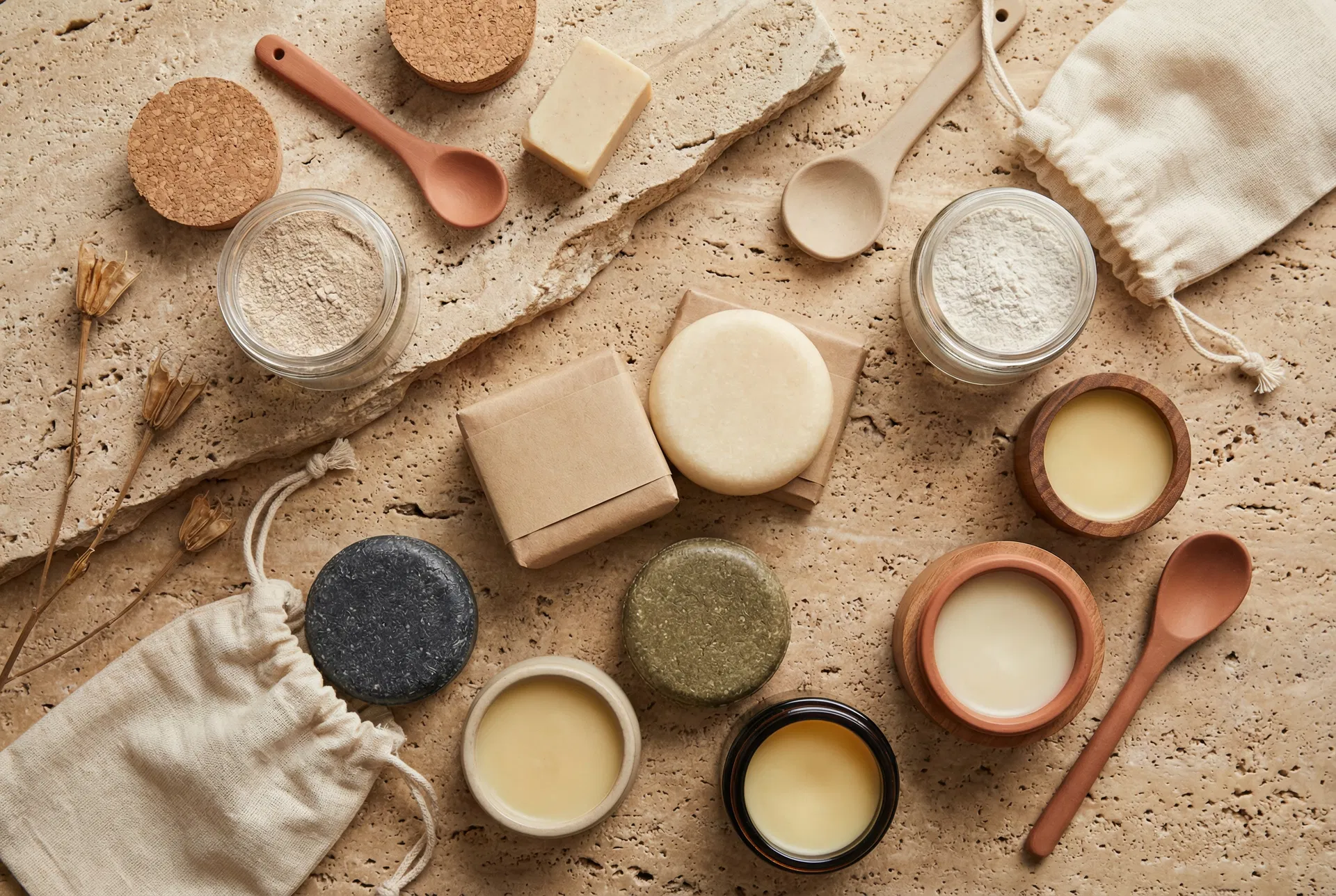
The rise of waterless or solid formulations—such as shampoo bars, cleansing balms, and powder-to-foam products—is a direct and innovative response to the need for water conservation. These products not only reduce water usage during manufacturing but also require less packaging and are lighter to transport, further lowering their carbon footprint.
The Rise of Conscious Consumerism
This remarkable industry transformation is being driven by the consumer. The demand for transparency, ethical practices, and environmental responsibility has compelled brands to listen and adapt. This is part of a larger trend towards conscious consumption, where purchasing decisions reflect personal values. As consumers become more informed, they are voting with their wallets, supporting brands that align with their principles. This growing awareness is mirrored in the parallel ascent of the clean beauty movement, which champions non-toxic formulations.
The principles of sustainability are not confined to the beauty cabinet; they are interwoven with our broader lifestyle choices. The journey towards a more ethical wardrobe, for instance, shares many of the same values, a topic we explore in our sustainable fashion guide.
The Future of Sustainable Beauty
The future of beauty is undeniably green. We are at the dawn of a new era defined by scientific innovation and a deep-seated commitment to sustainability. Biotechnology is enabling the creation of lab-grown ingredients that are both potent and eco-friendly, reducing the strain on natural ecosystems. The concept of a circular economy is becoming mainstream, with brands designing products for reuse and recycling from their inception. As the industry continues to evolve, it will be fascinating to see how these principles intersect with other vital conversations, such as the movement towards greater inclusive beauty standards.
The path to a truly sustainable beauty industry is ongoing, but the progress made is a testament to the power of collective action. By making informed choices, we can all contribute to a more beautiful and sustainable world.
Frequently Asked Questions
What is the difference between clean beauty and sustainable beauty?
While related, clean and sustainable beauty have distinct meanings. Clean beauty focuses on ingredient safety, avoiding substances that are potentially harmful to human health. Sustainable beauty takes a more holistic view, encompassing ingredient safety as well as ethical sourcing, environmental impact, packaging waste, and a brand's overall carbon footprint. A product can be clean but not sustainable if it uses ethically questionable ingredients or non-recyclable packaging.
How can I tell if a beauty product is truly sustainable?
Look for independent, third-party certifications. For cruelty-free status, seek the Leaping Bunny or PETA logos. For ethical sourcing, look for Fair Trade or Rainforest Alliance seals. Scrutinise packaging for clear information on its material composition and recyclability. A truly sustainable brand will be transparent about its practices and supply chain.
Are sustainable beauty products more expensive?
Not always. While some niche brands carry a premium, many affordable sustainable options are now available. Furthermore, some sustainable choices can save money over time. A refillable product may have a higher initial cost, but the subsequent refills are often cheaper than buying a new product. Similarly, solid shampoo or conditioner bars tend to last much longer than their liquid counterparts.
What are some easy ways to make my beauty routine more sustainable?
Start with small, manageable swaps. Opt for products with minimal or easily recyclable packaging. Switch to reusable cleansing pads instead of disposable wipes. Choose solid-bar alternatives to liquid products to reduce both water and plastic consumption. When you finish a product, ensure you clean it and recycle it correctly according to your local guidelines.
What is greenwashing and how can I spot it?
Greenwashing is a deceptive marketing practice where a company presents a misleadingly positive image of its environmental credentials. To spot it, be wary of vague claims like "eco-friendly" or "natural" without specific details or certifications. Look for transparency; a lack of openness about ingredients, sourcing, or manufacturing is a potential red flag. Always do your own research and trust reputable third-party certifications over a brand's marketing alone.