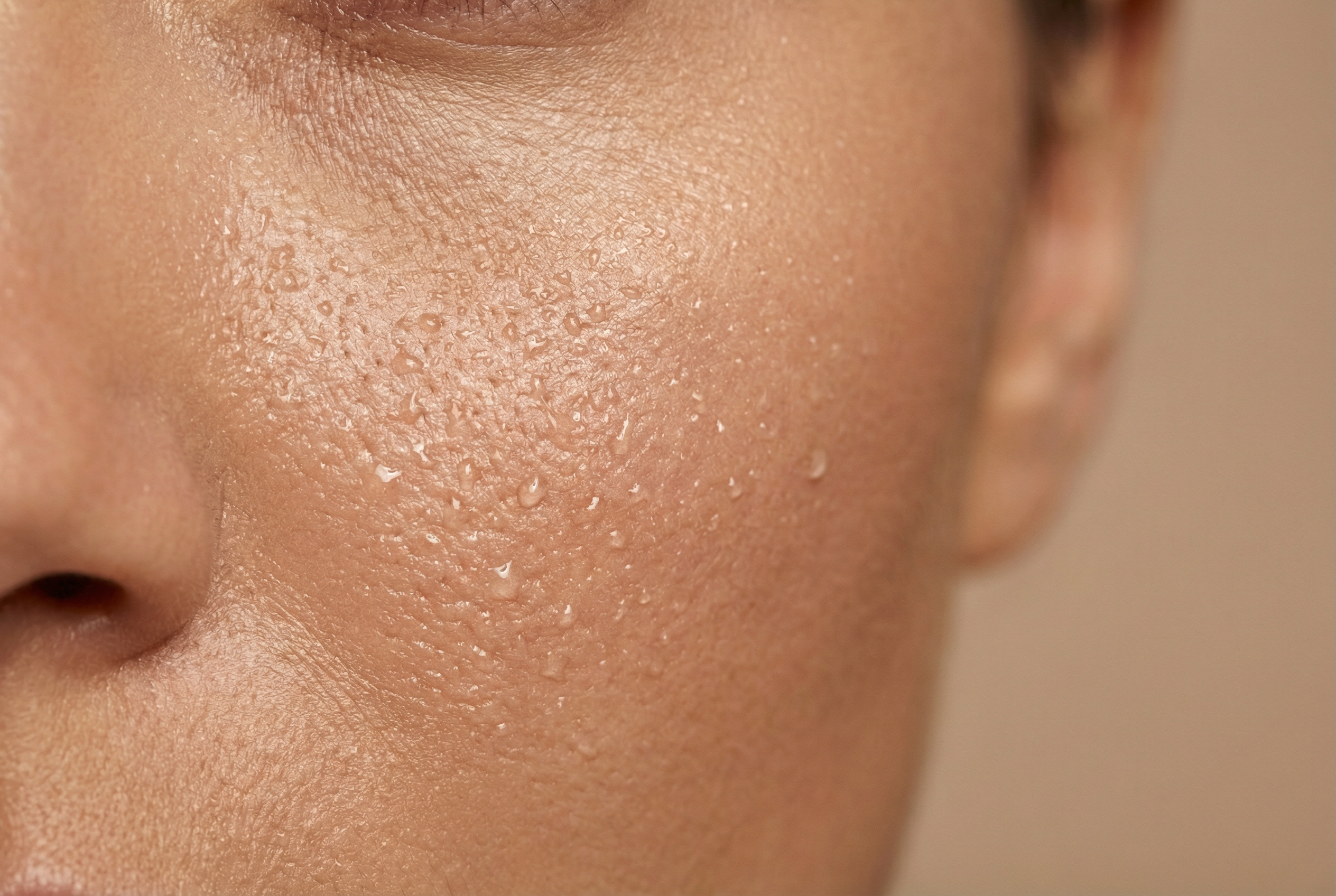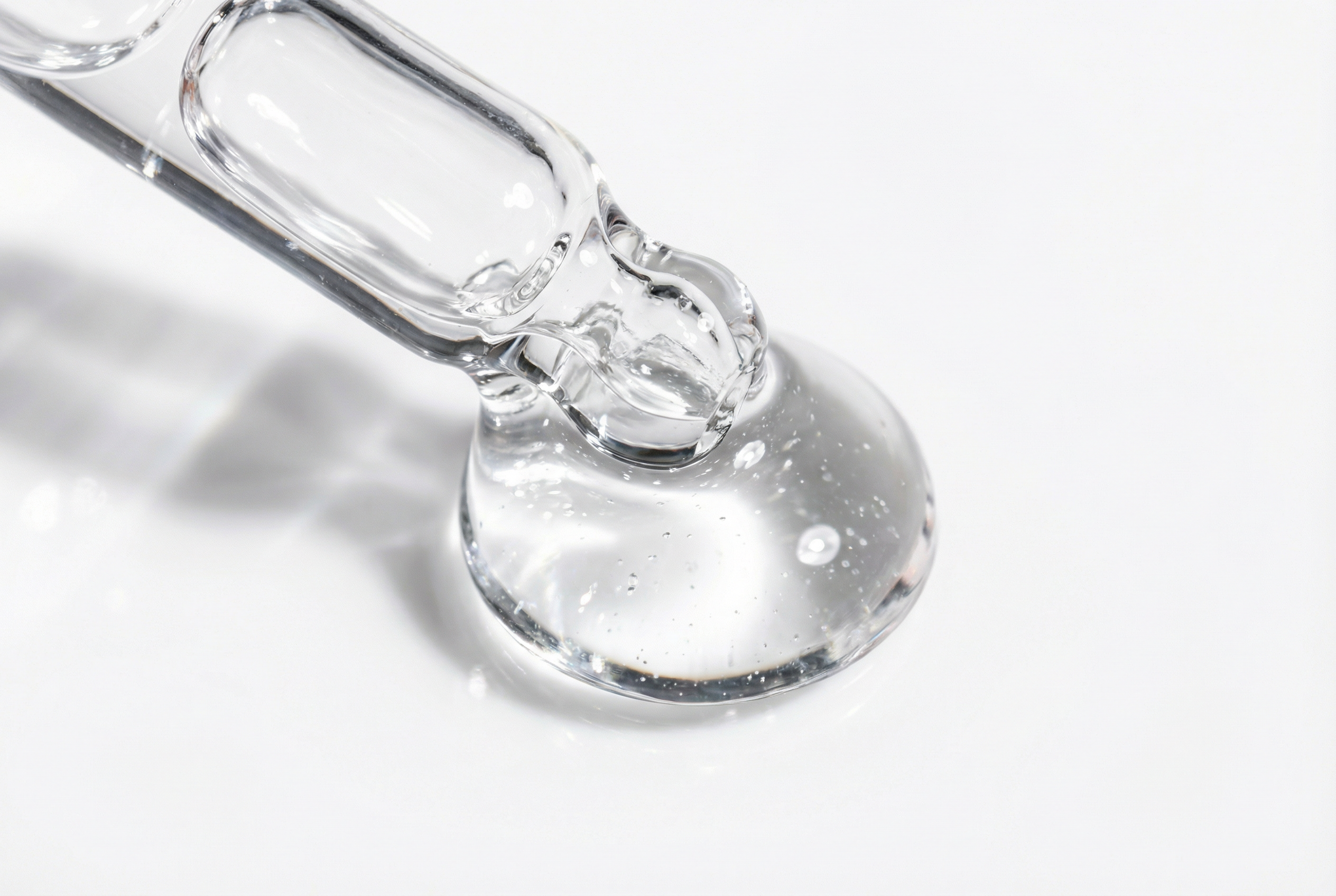
In the ever-evolving lexicon of skincare, few ingredients have achieved the ubiquitous, almost mythical status of hyaluronic acid. It is the veritable darling of the beauty world, a stalwart of bathroom cabinets and a cornerstone of countless formulations, from feather-light serums to sumptuous creams. Its promise is simple, yet profound: hydration. But in a landscape saturated with information and misinformation, it can be difficult to distinguish the science from the sales pitch. Here, we delve into the world of hyaluronic acid, separating fact from fiction to reveal the truth about this celebrated molecule.
The Unrivalled Allure of Hyaluronic Acid
Hyaluronic acid's ascent to skincare stardom is no coincidence. Its ability to hold up to 1,000 times its weight in water has made it a go-to for anyone seeking a dewy, plumped complexion. It is the ingredient we reach for when our skin feels tight, lacklustre, or simply in need of a drink. Yet, for all its popularity, a number of myths and misconceptions have sprung up around it, leading to confusion about how to use it, what to expect from it, and even whether it works at all. It is time to set the record straight.
Decoding the Science: How Hyaluronic Acid Works
At its core, hyaluronic acid is a glycosaminoglycan, a long, unbranched polysaccharide that is naturally present in our bodies. It is a key component of our skin’s extracellular matrix, the gel-like substance that surrounds our skin cells, providing structural support and lubrication. As a humectant, its primary role is to attract and bind to water molecules, drawing moisture from the environment and the deeper layers of the skin to the surface. This is what gives hyaluronic acid its remarkable hydrating power, helping to keep our skin soft, supple, and radiant.
However, not all hyaluronic acid is created equal. The molecule comes in various sizes, or molecular weights, and this is where the nuances of its effects on the skin come into play. High-molecular-weight hyaluronic acid, with its larger size, sits on the skin’s surface, providing intense hydration and forming a protective barrier to prevent moisture loss. Low-molecular-weight hyaluronic acid, on the other hand, is small enough to penetrate deeper into the epidermis, where it can deliver hydration to the lower layers of the skin, plumping it from within and helping to reduce the appearance of fine lines and wrinkles.
Fact or Fiction? Debunking Hyaluronic Acid Myths
As with any popular ingredient, hyaluronic acid has been the subject of much debate. Let us dispel some of the most common myths:
One of the most pervasive myths is that hyaluronic acid can dry out the skin. This idea stems from a misunderstanding of how humectants operate. In arid environments with low humidity, a humectant could theoretically draw moisture from the deeper layers of the skin if there is none in the air to attract. However, this is a rare scenario and easily mitigated by layering a moisturiser with occlusive ingredients on top. This simple step seals in the hydration provided by the hyaluronic acid, ensuring your skin remains plump and hydrated, not parched.
Another common belief is that hyaluronic acid must be applied to damp skin to be effective. While this technique can enhance its hydrating properties, it is not a strict requirement. Today’s advanced formulations are designed to be efficacious on their own, often containing a sophisticated blend of ingredients that work synergistically to hydrate the skin, whether applied to a damp or dry canvas.
There is also a misconception that a higher concentration of hyaluronic acid is always superior. In reality, more is not necessarily better. Excessively high concentrations can sometimes leave a tacky or sticky residue on the skin. Scientific studies have demonstrated that even concentrations as low as 0.1% are effective for skin hydration, proving that a well-formulated product is more important than an overpowering percentage.
Finally, the term ‘acid’ often leads to the mistaken belief that hyaluronic acid cannot be combined with other acidic ingredients like AHAs and BHAs. Unlike its exfoliating counterparts, hyaluronic acid is a gentle hydrator. It is not only safe to use with other acids but is actually beneficial, as it can help to soothe and replenish the skin’s moisture levels post-exfoliation, mitigating potential irritation.
A Tale of Two Weights: High vs. Low Molecular Weight Hyaluronic Acid
The size of the hyaluronic acid molecule matters. Here is a closer look at how different molecular weights affect the skin:
H3: The Hyaluronic Acid Spectrum: A Comparative Look
| Feature | High Molecular Weight (HMW) HA | Low Molecular Weight (LMW) HA |
|---|---|---|
| Penetration | Sits on the skin's surface | Penetrates deeper into the epidermis |
| Hydration | Provides intense surface hydration | Hydrates deeper layers of the skin |
| Primary Benefit | Forms a protective barrier, smooths skin | Plumps skin from within, reduces fine lines |
| Best For | All skin types, especially dry skin | All skin types, especially for anti-ageing concerns |
The Art of Application: Maximising Hyaluronic Acid’s Potential
To get the most out of your hyaluronic acid serum, it is important to use it correctly. Here is a simple guide to incorporating it into your routine:
1. Cleanse: Start with a clean canvas. Use a gentle cleanser to remove any makeup, dirt, or impurities.
2. Tone: Apply a toner to balance the skin’s pH and prepare it for the next steps.
3. Apply Hyaluronic Acid: While your skin is still slightly damp from the toner, apply a few drops of your hyaluronic acid serum. Gently pat it into the skin until it is fully absorbed.
4. Layer with Other Serums: If you are using other serums, such as a niacinamide serum, apply them after your hyaluronic acid. A good rule of thumb is to apply products from the thinnest to the thickest consistency.
5. Moisturise: This is a crucial step. Follow up with a moisturiser to lock in the hydration and prevent moisture loss. A well-formulated moisturiser will also help to support the skin’s natural barrier.
6. Sunscreen: In the morning, always finish with a broad-spectrum sunscreen with an SPF of 30 or higher.
Beyond the Bottle: Hyaluronic Acid in Aesthetic Treatments
Hyaluronic acid’s versatility extends beyond topical skincare. It is also the primary ingredient in many professional aesthetic treatments, most notably dermal fillers. In this context, it is used to restore volume, smooth out wrinkles, and enhance facial contours. When injected by a qualified practitioner, hyaluronic acid fillers can provide natural-looking results that last for several months.
Frequently Asked Questions
Can I use hyaluronic acid every day?
Yes, hyaluronic acid is gentle enough for daily use, and in fact, it is most effective when used consistently. You can apply it both in the morning and at night.
Is hyaluronic acid suitable for oily or acne-prone skin?
Absolutely. Hyaluronic acid is a lightweight, non-comedogenic ingredient, which means it will not clog pores. It can be particularly beneficial for oily skin types, as it provides hydration without adding any extra oil.
What’s the difference between hyaluronic acid and sodium hyaluronate?
Sodium hyaluronate is the salt form of hyaluronic acid. It has a smaller molecular size, which allows it to penetrate the skin more easily. Many products contain both ingredients to provide multi-level hydration.
Can I use hyaluronic acid with retinol?
Yes, you can. In fact, using hyaluronic acid with retinol can be a great way to counteract the drying effects of the latter. Apply your retinol first, and then follow up with your hyaluronic acid serum and a moisturiser.
How long does it take to see results from using hyaluronic acid?
You will likely notice an immediate improvement in your skin’s hydration levels. With continued use, you can expect to see a reduction in the appearance of fine lines and wrinkles, as well as a plumper, more radiant complexion.
The Last Word on Hydration
In a world of fleeting beauty trends, hyaluronic acid has proven itself to be a true skincare classic. Its ability to deliver intense hydration, coupled with its gentle, non-irritating nature, has made it a non-negotiable for anyone seeking a healthy, radiant complexion. By understanding the science behind this remarkable ingredient and dispelling the myths that surround it, you can unlock its full potential and give your skin the gift of lasting hydration.