Introduction: More Than Just a Myth
The phrase "beauty sleep" has been woven into our cultural lexicon for generations, often dismissed as a charming but rather unsubstantiated adage. Yet, as modern science delves deeper into the intricate workings of the human body, it becomes unequivocally clear that the link between restorative sleep and our physical appearance is not only real but profoundly significant. This is not about vanity; it is about biology. The hours we spend in slumber are a critical period of intense cellular repair, hormonal regulation, and systemic rejuvenation that directly translates to the health and vitality of our skin, hair, and overall radiance. To neglect sleep is to deprive our bodies of one of the most potent beauty treatments available—one that is entirely free and accessible to all. This article explores the science-backed sleep beauty connection, illuminating how adequate, high-quality rest is a non-negotiable pillar of any sophisticated beauty and wellness regimen.
The Science of Sleep and Skin Repair
While we rest, our bodies are diligently at work, undertaking a complex series of restorative processes that are fundamental to maintaining a youthful and healthy appearance. The skin, our largest organ, is a primary beneficiary of this nightly renewal.
The Golden Hours of Regeneration
During the deep stages of sleep, our bodies enter a state of heightened regeneration. The production of collagen, the structural protein responsible for skin's firmness and elasticity, surges. Simultaneously, the body releases melatonin, a powerful antioxidant that combats damage from environmental aggressors like UV radiation and pollution encountered during the day. This period of accelerated repair is also when the skin's barrier function is fortified. A robust skin barrier is essential for retaining moisture and protecting against external irritants. When sleep is compromised, so is this protective barrier, leading to dryness, sensitivity, and a diminished capacity to heal. The intricate relationship between stress and skin is also exacerbated by poor sleep, creating a vicious cycle of inflammation and compromised skin health.
Hormonal Harmony: Cortisol and Collagen
Sleep plays a crucial role in regulating our hormonal landscape. A lack of sufficient rest triggers an increase in the production of cortisol, the body's primary stress hormone. Chronically elevated cortisol levels have a catabolic, or breaking-down, effect on the body, and this extends to our skin. High cortisol accelerates the degradation of collagen and elastin, the very proteins that keep our skin looking plump, smooth, and youthful. This hormonal imbalance can fast-track the ageing process, making the connection between a calm mind, restful sleep, and a serene complexion undeniably clear.
The Visible Toll of Poor Sleep
The consequences of insufficient sleep are not merely internal; they manifest in visible, often distressing, ways that can detract from our appearance and confidence.
Under-Eye Circles and Puffiness
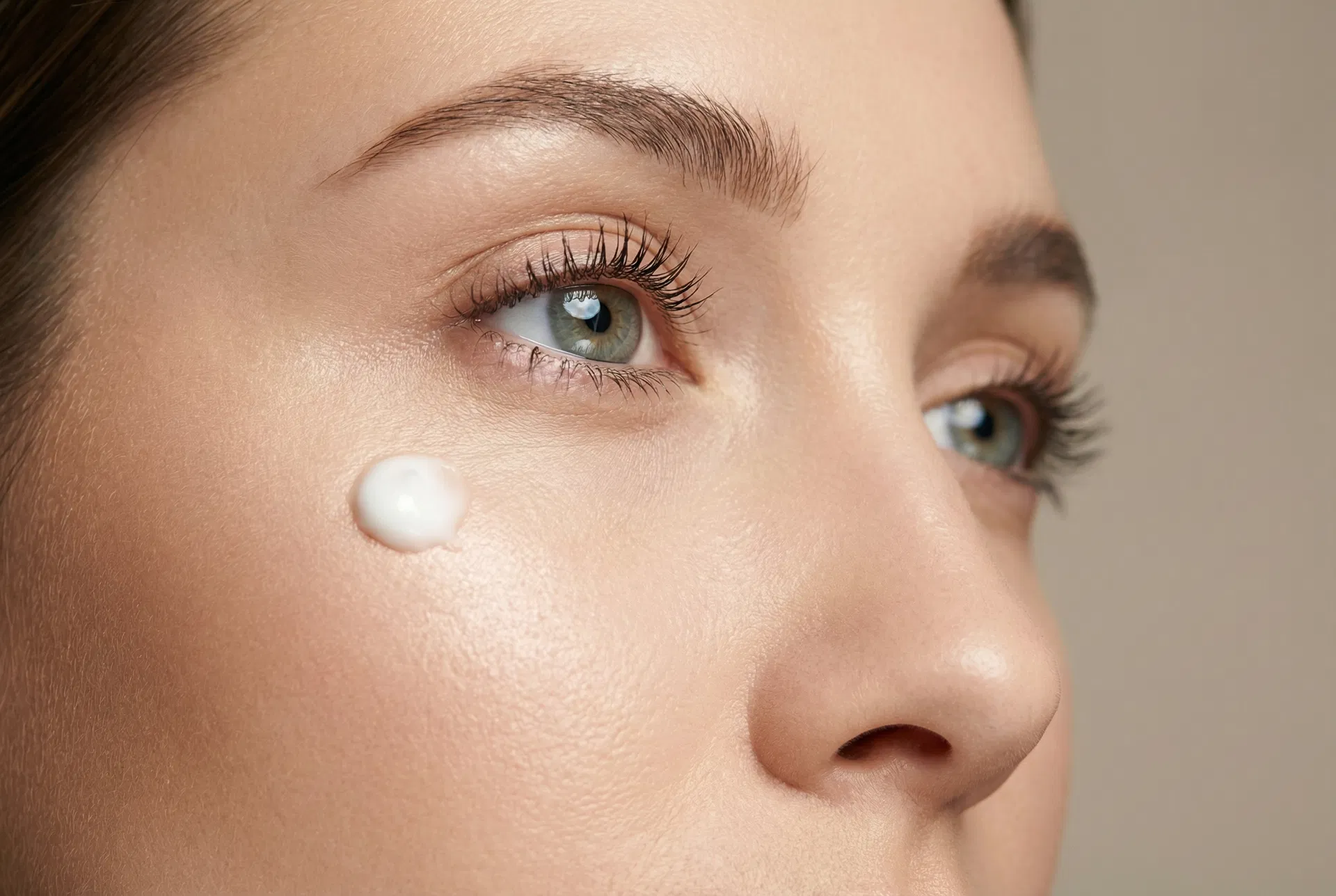
Perhaps the most immediate and recognisable sign of a poor night's sleep is the appearance of dark circles and puffiness around the eyes. When we are sleep-deprived, blood vessels can dilate, leading to the pooling of blood and fluids in the delicate under-eye area. This, combined with the thinness of the skin in this region, results in the characteristic dark, shadowy hue and swollen appearance that no amount of concealer can entirely mask.
Lacklustre Complexion and Dehydration
Sleep is intrinsically linked to skin hydration. During the night, the body rebalances its hydration levels, and adequate blood flow delivers essential nutrients to the skin's surface. When sleep is cut short, this process is disrupted. The result is a complexion that appears dull, sallow, and dehydrated. The skin may feel tight and lose its natural, healthy glow, appearing flat and lifeless.
The Link to Premature Ageing
Beyond the immediate effects, chronic sleep deprivation is a significant contributor to premature ageing. The persistent elevation of cortisol, coupled with the impaired ability of the skin to repair itself, creates a perfect storm for the formation of fine lines, wrinkles, and a loss of skin elasticity. Over time, the cumulative effect of sleepless nights can add years to one's appearance, undermining even the most diligent skincare efforts.
Your Guide to a Beauty-Boosting Night's Sleep
Understanding the importance of sleep is the first step; optimising it is the next. Cultivating habits that promote deep, restorative rest can transform your appearance from the inside out.
Crafting the Perfect Pre-Sleep Ritual
A consistent and calming pre-sleep ritual signals to your body that it is time to wind down. This is not merely about indulgence; it is about creating a physiological transition into a state of rest. Consider incorporating elements from your morning wellness routine in reverse, focusing on activities that soothe the nervous system. This could include a warm bath with Epsom salts, reading a physical book, or gentle stretching.
Optimising Your Sleep Environment
Your bedroom should be a sanctuary for sleep. The ideal environment is dark, quiet, and cool. Invest in blackout curtains or an eye mask to block out light, which can interfere with melatonin production. Consider using earplugs or a white noise machine to minimise disruptive sounds. The temperature of your room also plays a role; a cooler environment is generally more conducive to deep sleep.
The Role of Diet and Exercise
What you consume and how you move your body throughout the day have a profound impact on your sleep quality at night. Avoid heavy meals, caffeine, and alcohol close to bedtime. Regular physical activity can promote deeper sleep, but it is best to avoid intense exercise in the hours leading up to rest. Furthermore, emerging research highlights the importance of the gut-health-skin axis, suggesting that a balanced microbiome, supported by a healthy diet, can contribute to improved sleep and, consequently, better skin.
Table: A Comparison of Evening Relaxation Techniques
| Technique | How It Works | Best For |
|---|---|---|
| Meditation | Calms the central nervous system, reduces cortisol levels, and promotes a state of mindful awareness. | Individuals with racing thoughts or anxiety. |
| Aromatherapy | Utilises essential oils like lavender and chamomile, which have been shown to have sedative properties. | Creating a sensory cue for sleep and enhancing the relaxation response. |
| Digital Detox | Reduces exposure to blue light from screens, which can suppress melatonin production and disrupt circadian rhythms. | Anyone who uses electronic devices in the evening. |
| Journaling | Allows for the processing of thoughts and emotions, clearing the mind before sleep. | Those who feel mentally cluttered or overwhelmed at the end of the day. |
Frequently Asked Questions (FAQ)
How many hours of sleep do I need for better skin?
While individual needs can vary slightly, the general consensus among experts is that seven to nine hours of quality sleep per night is optimal for most adults to reap the full beauty benefits. This duration allows the body to cycle through all the necessary stages of sleep, including the deep, restorative phases where cellular repair is at its peak.
Can a single night of poor sleep affect my appearance?
Absolutely. Even one night of insufficient sleep can lead to immediate, visible effects such as under-eye circles, puffiness, and a duller complexion. While these effects are typically temporary, they serve as a clear indicator of the body's need for rest.
Are silk pillowcases really better for your skin and hair?
There is merit to this claim. Silk is a smoother, less absorbent material than cotton. This means it is less likely to cause friction-related creases on the skin or absorb the natural oils and skincare products from your face and hair. While not a panacea, a silk pillowcase can be a worthwhile investment in a holistic beauty sleep strategy.
What are the best skincare ingredients to use overnight?
Overnight is the ideal time to use active, reparative ingredients. Retinoids are the gold standard for stimulating collagen production and accelerating cell turnover. Hyaluronic acid is excellent for deep hydration, while peptides can help to firm and repair the skin. Niacinamide is another valuable ingredient for strengthening the skin barrier and reducing inflammation.
Can I 'catch up' on sleep over the weekend?
While sleeping in on the weekend can help to alleviate some of the immediate effects of sleep debt, it is not a long-term solution. The body thrives on consistency, and a regular sleep-wake cycle is crucial for maintaining balanced circadian rhythms. Chronic sleep restriction followed by weekend catch-ups can still lead to underlying inflammation and hormonal dysregulation that impact your appearance over time.
Conclusion: Embrace the Night
In the pursuit of timeless beauty and profound wellness, the importance of sleep cannot be overstated. It is the silent, diligent workhorse of our daily routines, a period of intense biological activity that underpins the efficacy of every serum, cream, and treatment we apply. By embracing the night and prioritising restorative rest, we unlock one of the most powerful tools at our disposal for achieving a radiant, youthful, and truly healthy appearance. Let beauty sleep be not an afterthought, but a cornerstone of your self-care philosophy.