What is beauty? The answer is not as timeless as one might imagine. For centuries, the ideal form has been in constant flux, a reflection of society’s values and aspirations. From the voluptuous figures of the Renaissance to the androgynous silhouettes of the Roaring Twenties and the digital perfection of the social media age, our perception of beauty has transformed remarkably. This journey through history reveals that beauty is a dynamic and ever-evolving cultural construct.
This article explores the evolution of beauty ideals, examining how art, culture, and history have shaped our understanding of what it means to be beautiful. We will journey from the Renaissance to the modern world, examining the key shifts that have defined our aesthetic sensibilities.
The Renaissance: A Celebration of Softness and Sensuality
During the Renaissance, the ideal of beauty was one of voluptuousness. Artists like Titian and Rubens immortalised women with rounded stomachs, full hips, and soft, fleshy bodies. This fuller figure was linked to wealth and prosperity; a well-fed appearance indicated a privileged life, free from manual labour. Pale skin, another sign of a life lived indoors, was fashionable. A high forehead, achieved by plucking the hairline, was also considered a mark of intelligence.
The Victorian Era: The Cult of Delicacy
The pendulum of beauty swung dramatically in the Victorian era, favouring a more delicate and restrained aesthetic. The ideal woman was seen as a fragile, ethereal being, her beauty a reflection of her purity and domesticity. The corset became an essential undergarment, used to achieve an exaggerated hourglass figure with a tiny waist. This restrictive garment reinforced the idea of female frailty. Pale skin remained a symbol of high social standing, and women used parasols and bonnets to protect themselves from the sun.
The Roaring Twenties: A Rebellion in Silhouette
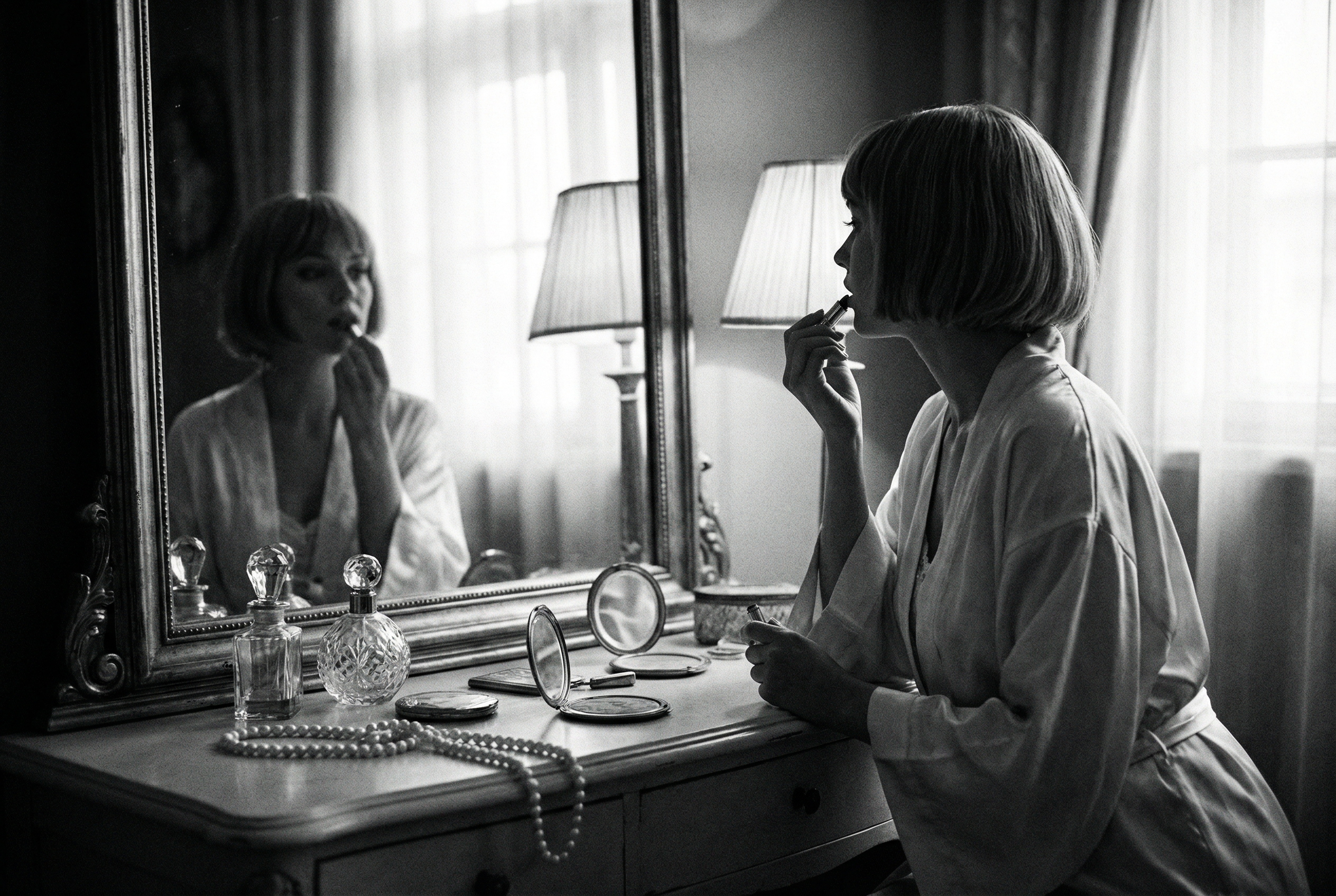
The aftermath of the First World War ushered in an era of social and cultural change, and with it, a radical new beauty ideal. The 1920s saw the emergence of the 'flapper', a woman who rejected the restrictive conventions of the past. She bobbed her hair, wore shorter skirts, and embraced a more androgynous, boyish silhouette. The ideal figure was slender and athletic, with a flat chest and narrow hips, a direct rebellion against the exaggerated femininity of the Victorian era and a symbol of women's newfound freedom.
The Golden Age of Hollywood: Glamour and the Hourglass
The 1930s to the 1950s, the Golden Age of Hollywood, brought back a more curvaceous and glamorous ideal. Movie stars like Marilyn Monroe and Sophia Loren, with their hourglass figures, became beauty icons. The emphasis was on a soft, feminine, and voluptuous look. This era was all about high-glamour, with perfectly coiffed hair and flawless makeup. The influence of cinema was immense, and for the first time, beauty ideals were being shaped and disseminated on a mass scale. The history of red lipstick is particularly relevant here, as this was the era where it became a staple of glamour.
The Swinging Sixties: The Youthquake and the Waif
The 1960s was a decade of youthful rebellion, and the beauty ideal once again shifted. The 'Youthquake' movement celebrated a very young, thin, and androgynous look. Models like Twiggy, with her large eyes, long lashes, and waif-like figure, became the face of the decade. The emphasis was on a childlike, innocent aesthetic, a stark contrast to the mature glamour of the previous era.
The Supermodel Era: Athleticism and Amazonian Stature
The 1980s and 1990s saw the rise of the supermodel and a new beauty ideal. Women like Cindy Crawford, Naomi Campbell, and Elle Macpherson were tall, athletic, and toned. This was a healthier and more powerful look than the waif-like ideal of the sixties. The emphasis was on fitness and strength, and a toned, athletic body became the new aspirational physique.
The Modern Era: Diversity, Inclusivity, and the Digital Age
The turn of the millennium and the rise of social media have ushered in the most complex era of beauty yet. Today, there is no single beauty ideal. Instead, we are seeing a celebration of diversity and a move towards more inclusive beauty standards. The digital age has democratised beauty, allowing for a wider range of voices and faces to be seen and celebrated. Social media has given rise to a new generation of influencers who are challenging traditional notions of beauty and promoting a more individualistic approach.
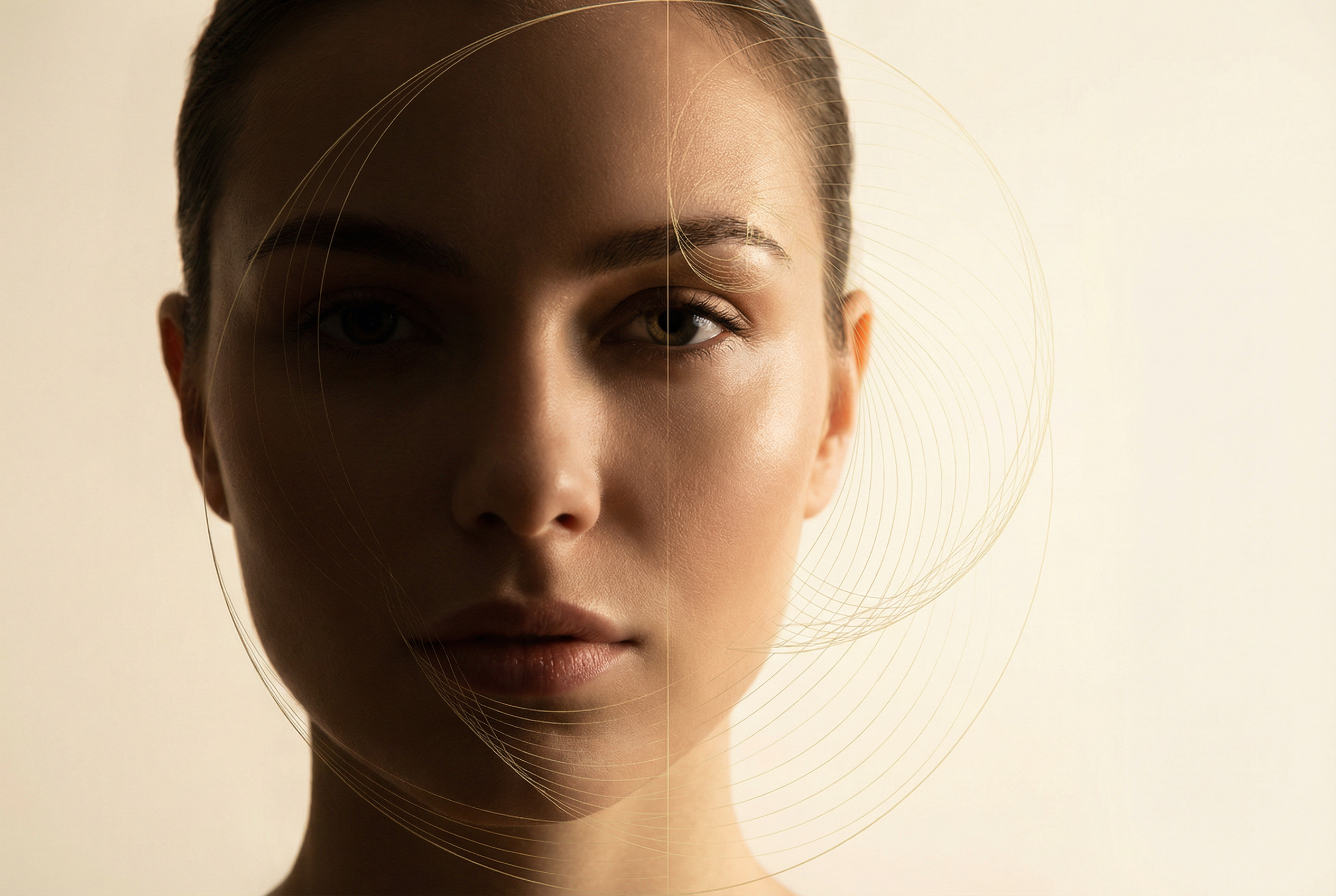
However, the digital age has also brought new pressures. The prevalence of photo-editing apps and filters has created a new, digitally-enhanced ideal of beauty that is often unattainable. The pressure to present a perfect, curated image online has led to a rise in cosmetic procedures and new anxieties. The concept of the golden ratio in beauty has also seen a resurgence, as people seek to quantify and perfect their features.
A Comparative Look at Beauty Ideals Through History
| Era | Ideal Body Shape | Key Features | Influences |
|---|---|---|---|
| Renaissance | Voluptuous, rounded | Pale skin, high forehead, full hips | Art, wealth, and status |
| Victorian Era | Hourglass, delicate | Cinched waist, pale skin, demure look | Social mores, modesty, and class |
| Roaring Twenties | Androgynous, slender | Bobbed hair, flat chest, boyish figure | Post-war liberation, jazz culture |
| Golden Age of Hollywood | Hourglass, curvaceous | Glamorous makeup, coiffed hair | Cinema, celebrity culture |
| Swinging Sixties | Waif-like, thin | Large eyes, long legs, childlike frame | Youth culture, fashion photography |
| Supermodel Era | Athletic, toned | Tall, healthy, Amazonian stature | Fitness boom, high-fashion |
| Modern Era | Diverse and individual | Inclusive, digitally-enhanced | Social media, globalisation, individualism |
Frequently Asked Questions
How have societal values influenced beauty standards?
Societal values are a primary driver in shaping beauty standards. In the Renaissance, a fuller figure was a sign of wealth and fertility. In the Victorian era, the emphasis on modesty and domesticity led to a more restrained ideal. The liberation of the 1920s was mirrored in the androgynous flapper look. In the modern era, the growing emphasis on diversity and inclusivity is leading to a more varied range of beauty ideals.
What role has art played in shaping our perception of beauty?
Art has played a crucial role in reflecting and shaping our perception of beauty. For centuries, artists were the primary creators of beauty ideals. The paintings of the Renaissance have given us a lasting image of the ideal female form of that era. In the 20th century, photography and cinema took over, and Hollywood stars became the new beauty icons. Today, social media has democratised the creation and dissemination of images, but the power of the visual to shape our understanding of beauty remains as strong as ever.
How has technology impacted the evolution of beauty ideals?
Technology has had a profound impact on the evolution of beauty ideals. The development of photography and cinema in the 20th century allowed for the mass dissemination of beauty ideals on an unimaginable scale. In the 21st century, the internet and social media have further accelerated this process, while also allowing for a greater diversity of voices and images. However, technology has also created new pressures, with the rise of photo-editing apps and filters leading to a new, digitally-enhanced ideal of beauty that can be difficult to achieve in real life.
Are we moving towards a more inclusive and diverse standard of beauty?
There are many signs that we are moving towards a more inclusive and diverse standard of beauty. The fashion and beauty industries are increasingly featuring models of different sizes, ages, and ethnicities. Social media has also given a platform to a wider range of voices and faces, and there is a growing conversation around the importance of representation and body positivity. However, there is still a long way to go, and the pressure to conform to a narrow ideal of beauty remains a powerful force in our culture. The hope is that by continuing to challenge these ideals, we can create a more accepting and inclusive vision of beauty for the future.