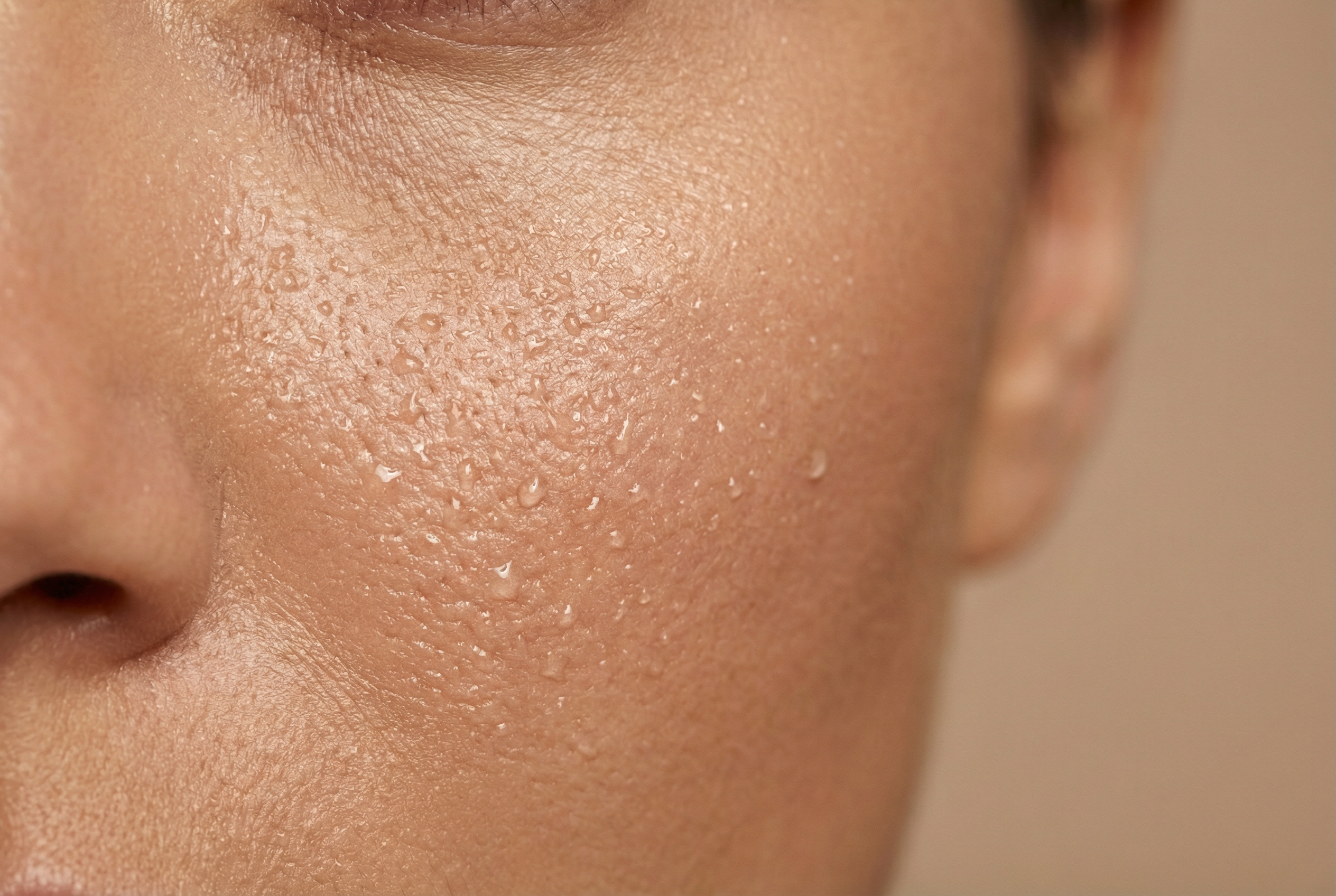
In the ever-evolving world of beauty, trends come and go with the speed of a social media scroll. However, some concepts emerge that are so logical and effective they transcend the hype and become mainstays in our skincare vernacular. Skin cycling is one such phenomenon. Far from a fleeting fad, it is a dermatologist-developed, strategic approach to your evening skincare routine that promises to maximise the benefits of your active ingredients while minimising irritation. For anyone who has ever felt overwhelmed by the sheer number of potent serums and treatments available, or experienced the dreaded sensitivity that can come from over-exfoliation, skin cycling offers a structured, intuitive path to a healthier, more radiant complexion.
At its core, skin cycling is a four-night regimen that alternates between using active ingredients and allowing the skin dedicated time to repair and recover. This methodical approach not only helps to prevent a compromised skin barrier but also ensures that your products can work their magic more effectively. It’s about working smarter, not harder, with your skincare, creating a rhythm that your skin can adapt to and thrive on.
What is Skin Cycling?
Coined by New York-based dermatologist Dr. Whitney Bowe, skin cycling is a deliberate, less-is-more approach to nightly skincare. It provides a framework for rotating your most powerful products to avoid overwhelming the skin. The classic cycle spans four nights: the first is for exfoliation, the second is for a retinoid, and the third and fourth nights are dedicated to recovery. This cycle is then repeated. The goal is to reap the rewards of active ingredients like exfoliating acids and retinoids without the common side effects of redness, dryness, and irritation that can occur when they are used too frequently or in combination.
By incorporating two nights of rest, you give your skin’s barrier—the outermost layer that protects you from environmental stressors and locks in moisture—the crucial time it needs to heal. A healthy skin barrier is fundamental to achieving your skin goals, whether that is a clearer complexion, a reduction in fine lines, or a more even skin tone. When the barrier is impaired, skin becomes vulnerable to a host of issues, including sensitivity, breakouts, and dehydration. Skin cycling provides the perfect balance of treatment and TLC.
The Four-Night Skin Cycling Routine: A Step-by-Step Guide
Embarking on a skin cycling journey is straightforward. The routine applies to your evening regimen, while your morning routine of cleansing, antioxidant serum, moisturiser, and sunscreen remains consistent. Here is a breakdown of the classic four-night cycle:
Night 1: Exfoliation Night
The first night is dedicated to exfoliation. After cleansing your skin and patting it dry, you apply a chemical exfoliant. It is recommended to use a leave-on product, such as a toner or serum containing Alpha-Hydroxy Acids (AHAs) or Beta-Hydroxy Acids (BHAs), rather than a physical scrub. For a deeper dive into these ingredients, our guide to chemical exfoliation is an essential read. Exfoliation sloughs away dead skin cells from the surface, which not only reveals a brighter complexion but also allows the products you apply afterwards—specifically your retinoid on night two—to penetrate more effectively.
Night 2: Retinoid Night
On the second night, after cleansing, you will apply a retinoid. Retinoids are the gold standard in anti-ageing and are celebrated for their ability to accelerate cellular turnover, boost collagen production, and improve skin texture and tone. If you are new to this potent ingredient, our complete guide to retinoids offers a comprehensive overview. For beginners, it is wise to start with a lower concentration and consider the "sandwich technique"—applying a thin layer of moisturiser before and after your retinoid to buffer against potential irritation. Apply the retinoid to the entire face, neck, and décolletage, avoiding the delicate eye area.
Nights 3 & 4: Recovery Nights
The following two nights are all about recovery. On these nights, you will skip the exfoliating acids and retinoids and focus entirely on nourishing and hydrating your skin. After cleansing, you can apply hydrating serums containing ingredients like hyaluronic acid, glycerine, and the multi-tasking hero, niacinamide. Follow with a rich, barrier-repairing moisturiser to lock in hydration and support your skin’s natural repair processes. These recovery nights are non-negotiable; they are what makes the entire cycle work, allowing your skin to bounce back stronger and more resilient.
Building Your Skin Cycling Routine: Product Selection
Choosing the right products is key to a successful skin cycling routine. The table below offers a guide to selecting exfoliants and retinoids based on your skin type and concerns.
| Ingredient Type | Best For | Considerations |
|---|---|---|
| Exfoliants | ||
| Glycolic Acid (AHA) | Normal, combination, and oily skin; targets fine lines and hyperpigmentation. | Can be irritating for sensitive skin. Start with lower concentrations. |
| Lactic Acid (AHA) | Dry and sensitive skin; a gentler AHA that also hydrates. | A good starting point for those new to chemical exfoliation. |
| Salicylic Acid (BHA) | Oily and acne-prone skin; penetrates pores to clear congestion. | Can be drying, so ensure adequate hydration on recovery nights. |
| Retinoids | ||
| Retinol | Most skin types; a widely available and effective starting point. | Available in various strengths; begin with 0.1% to 0.3%. |
| Retinaldehyde | Those looking for faster results than retinol; it is one conversion step closer to retinoic acid. | More potent than retinol, so introduce it with caution. |
| Adapalene | Acne-prone skin; particularly effective for treating breakouts. | Available over-the-counter in some countries at a 0.1% concentration. |
Frequently Asked Questions (FAQ)
Can I incorporate other active ingredients into my skin cycling routine?
It is best to keep your routine streamlined, especially when you are starting out. The core principle of skin cycling is to avoid overwhelming the skin. Ingredients like Vitamin C are best used in your morning routine, where they can provide antioxidant protection throughout the day. If you wish to include other actives, consider a more advanced cycle or consult a dermatologist.
How long does it take to see results from skin cycling?
As with any skincare routine, consistency is key. While you may notice improved hydration and reduced irritation within the first couple of cycles, more significant changes, such as improved texture and a reduction in hyperpigmentation, can take several weeks to a few months to become apparent. Patience is paramount.
Is skin cycling suitable for everyone?
Skin cycling is a versatile approach that can be adapted for most skin types, including sensitive skin. The key is to listen to your skin. If you have very sensitive skin, you might extend your recovery phase to three nights. Conversely, those with more resilient, oily skin might eventually move to a three-night cycle (exfoliation, retinoid, recovery). If you have a skin condition like rosacea or eczema, it is essential to consult your dermatologist before starting.
What should I do if my skin becomes irritated?
If you experience significant irritation, stinging, or peeling, it is a sign that you need to pull back. Stop all active ingredients and focus solely on recovery for a few nights until your skin barrier has healed. When you reintroduce actives, you may want to use a gentler product or reduce the frequency of your cycle.