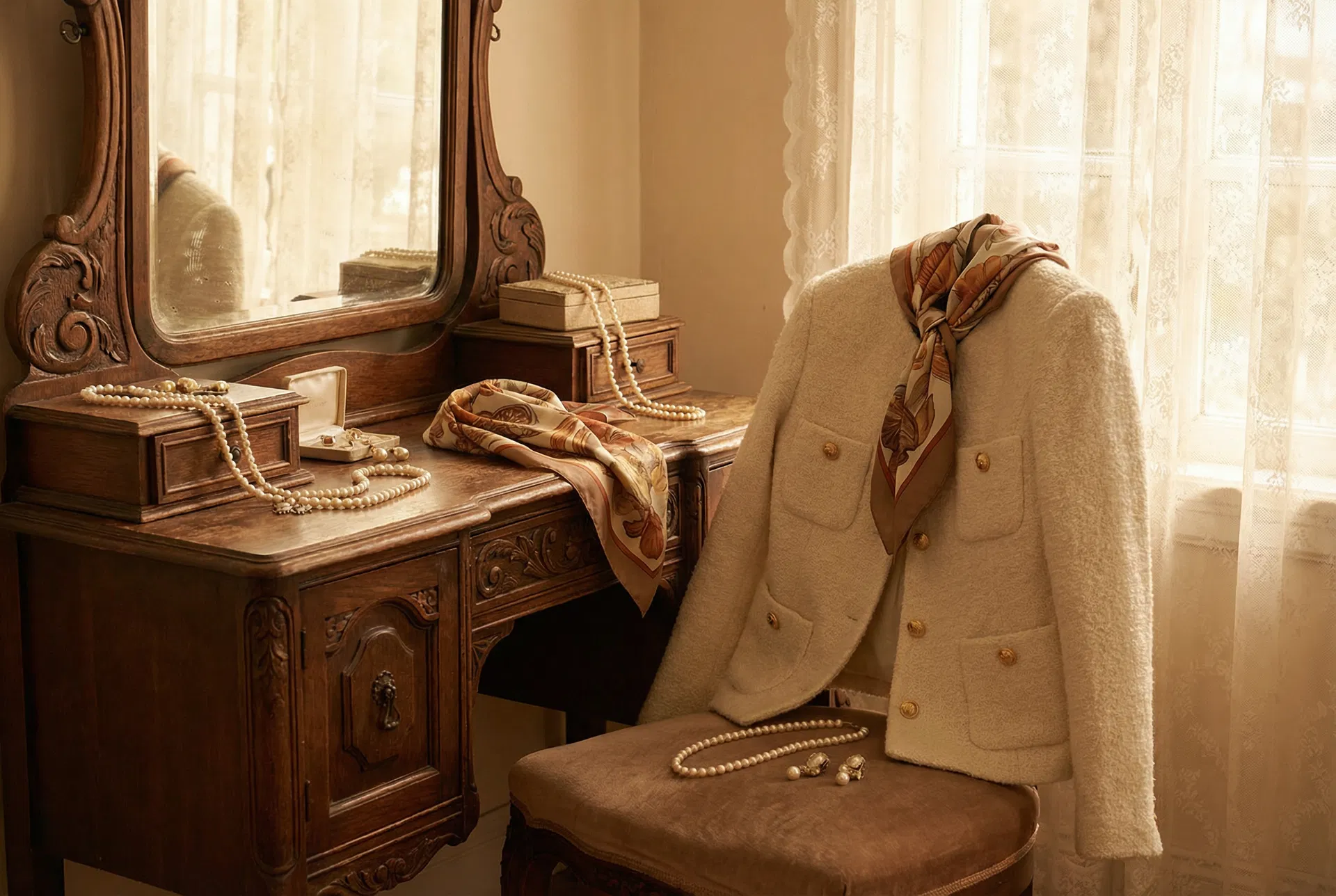
In an era of ever-accelerating trends and disposable consumerism, a quiet but powerful movement is reshaping our relationship with the contents of our wardrobes. Welcome to the world of sustainable fashion, a philosophy that champions style with substance, and elegance with ethics. It is a considered approach to dressing that extends beyond fleeting fads, inviting us to become more conscious consumers and curators of our personal style.
What is Sustainable Fashion?
At its core, sustainable fashion is a commitment to a fashion industry that is environmentally and socially responsible. It is a direct response to the detrimental effects of ‘fast fashion’ – a model built on rapid production cycles, low-quality materials, and a culture of disposability. The consequences of this model are stark: vast amounts of textile waste, pollution of waterways from dyes and microplastics, and often, the exploitation of garment workers.
Sustainable fashion, alongside its close counterpart, ethical fashion, seeks to remedy this. While ‘sustainable’ often focuses on the environmental impact – think renewable resources, biodegradable materials, and reduced carbon footprints – ‘ethical’ hones in on the human element, ensuring fair wages, safe working conditions, and the wellbeing of all individuals in the supply chain. In truth, the two are intrinsically linked; one cannot truly exist without the other.
The Principles of Conscious Consumption
To embrace sustainable fashion is to adopt the mantle of a conscious consumer. This means shifting from passive purchasing to active, informed decision-making. It is about asking questions: Who made my clothes? What are they made from? Will I cherish this piece for years to come? This mindful approach is beautifully encapsulated by the ‘5 Rs’:
- Reduce: The most sustainable garment is the one you already own. By simply buying less and buying better, we can dramatically reduce our fashion footprint.
- Rewear: Fall in love with your clothes again and again. Challenge the notion that an outfit can only be worn once and celebrate the art of restyling.
- Recycle: When a garment has truly reached the end of its life, ensure it is recycled responsibly, allowing its fibres to be reborn into something new.
- Repair: A missing button or a small tear is not a death sentence for a beloved piece. Learning basic mending skills can extend the life of your clothes and deepen your connection to them.
- Resell: Participate in the circular economy by reselling or swapping clothes you no longer wear. Your pre-loved treasure could be someone else’s perfect find.
Building Your Sustainable Wardrobe
A sustainable wardrobe is not about deprivation; it is about intention. It is a carefully curated collection of pieces that you love, that reflect your personal style, and that are made to last. It is a move away from a closet bursting with unworn items towards a more streamlined and versatile selection.
This is where the concept of a capsule wardrobe truly shines. By building a foundation of high-quality, timeless essentials, you can create a multitude of looks with a limited number of pieces. Think of the perfect trench coat, a classic white shirt, or a pair of well-fitting jeans. These are the sartorial cornerstones upon which a sustainable wardrobe is built. When you do add to your collection, consider them investment pieces – items of exceptional quality and design that will stand the test of time.
Navigating Sustainable Materials
The fabric of our clothes is the fabric of our sustainable journey. The materials we choose have a profound impact on the environment, from the cultivation of raw fibres to the final finishing processes. Making informed choices can be complex, but understanding the basics is a powerful first step.
| Material | Environmental Impact | Key Considerations |
|---|---|---|
| Organic Cotton | Low | Grown without synthetic pesticides and fertilisers, using less water than conventional cotton. |
| Linen | Very Low | Made from the flax plant, which requires minimal water and pesticides. It is also biodegradable. |
| Hemp | Very Low | A fast-growing plant that requires little water and no pesticides. It also enriches the soil it grows in. |
| Recycled Polyester (rPET) | Medium | Diverts plastic bottles from landfill and uses less energy than virgin polyester. However, it can still shed microplastics. |
| TENCEL™ Lyocell | Low | Made from sustainably sourced wood pulp in a closed-loop system that recycles water and solvents. |
| Conventional Cotton | High | Water-intensive and heavily reliant on pesticides, which can degrade soil and harm ecosystems. |
| Virgin Polyester | High | Derived from petroleum, a non-renewable resource. Its production is energy-intensive. |
Beyond the Wardrobe: A Holistic Approach
True sustainability is a lifestyle, not just a label. It is about extending the principles of conscious consumption to all facets of our lives. This includes embracing sustainable beauty practices, opting for products with minimal packaging and clean ingredients. It also means caring for our clothes in a way that prolongs their life, such as washing them less frequently, using cold water, and air-drying them whenever possible.
Frequently Asked Questions
What is the difference between ‘ethical’ and ‘sustainable’ fashion?
While often used interchangeably, ‘sustainable’ fashion primarily addresses the environmental impact of the industry, focusing on resource management, pollution, and waste. ‘Ethical’ fashion, on the other hand, is centred on the social and human aspects, ensuring fair labour practices, safe working conditions, and animal welfare throughout the supply chain.
Is sustainable fashion more expensive?
Initially, a sustainably made garment may have a higher price tag than its fast-fashion counterpart. This reflects the true cost of responsible material sourcing, fair wages, and quality craftsmanship. However, the cost-per-wear of a durable, timeless piece is often far lower than that of a disposable item that needs to be replaced after a few wears.
How can I tell if a brand is truly sustainable?
Look for transparency. Brands that are genuinely committed to sustainability will be open about their supply chain, materials, and labour practices. Look for third-party certifications such as GOTS (Global Organic Textile Standard), Fair Trade, or B Corp. Be wary of vague terms like ‘eco-friendly’ or ‘green’ without specific evidence to back them up.
What are some easy first steps to a more sustainable wardrobe?
Start by shopping your own wardrobe. Rediscover old favourites and get creative with styling. When you do need something new, explore secondhand options first. If you buy new, choose a piece you will love and wear for years to come, from a brand that aligns with your values.
How does a capsule wardrobe contribute to sustainability?
A capsule wardrobe is a curated collection of versatile, high-quality essentials that can be mixed and matched to create numerous outfits. This approach encourages mindful consumption, reduces clothing waste, and shifts the focus from quantity to quality, all of which are cornerstones of a sustainable fashion philosophy.