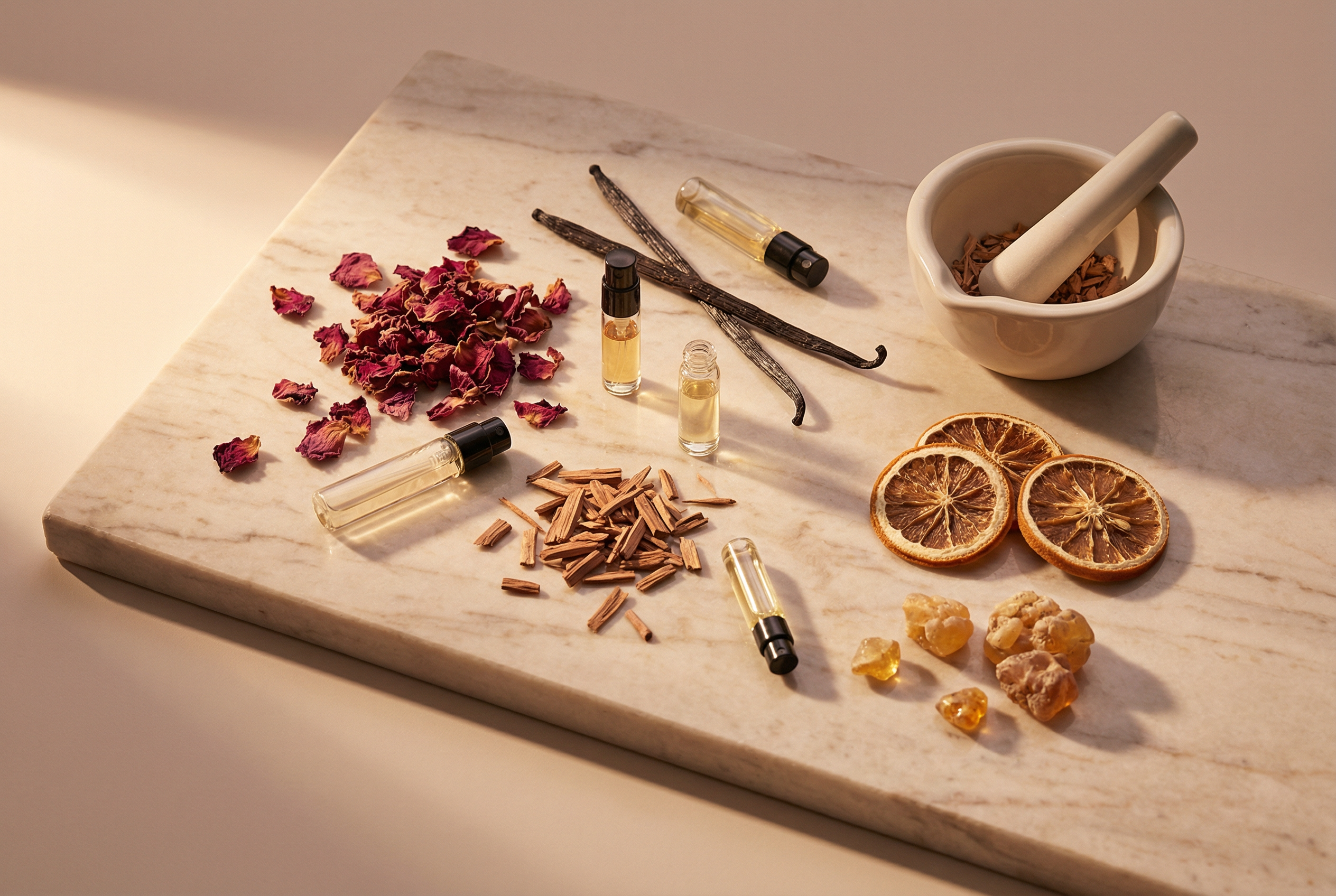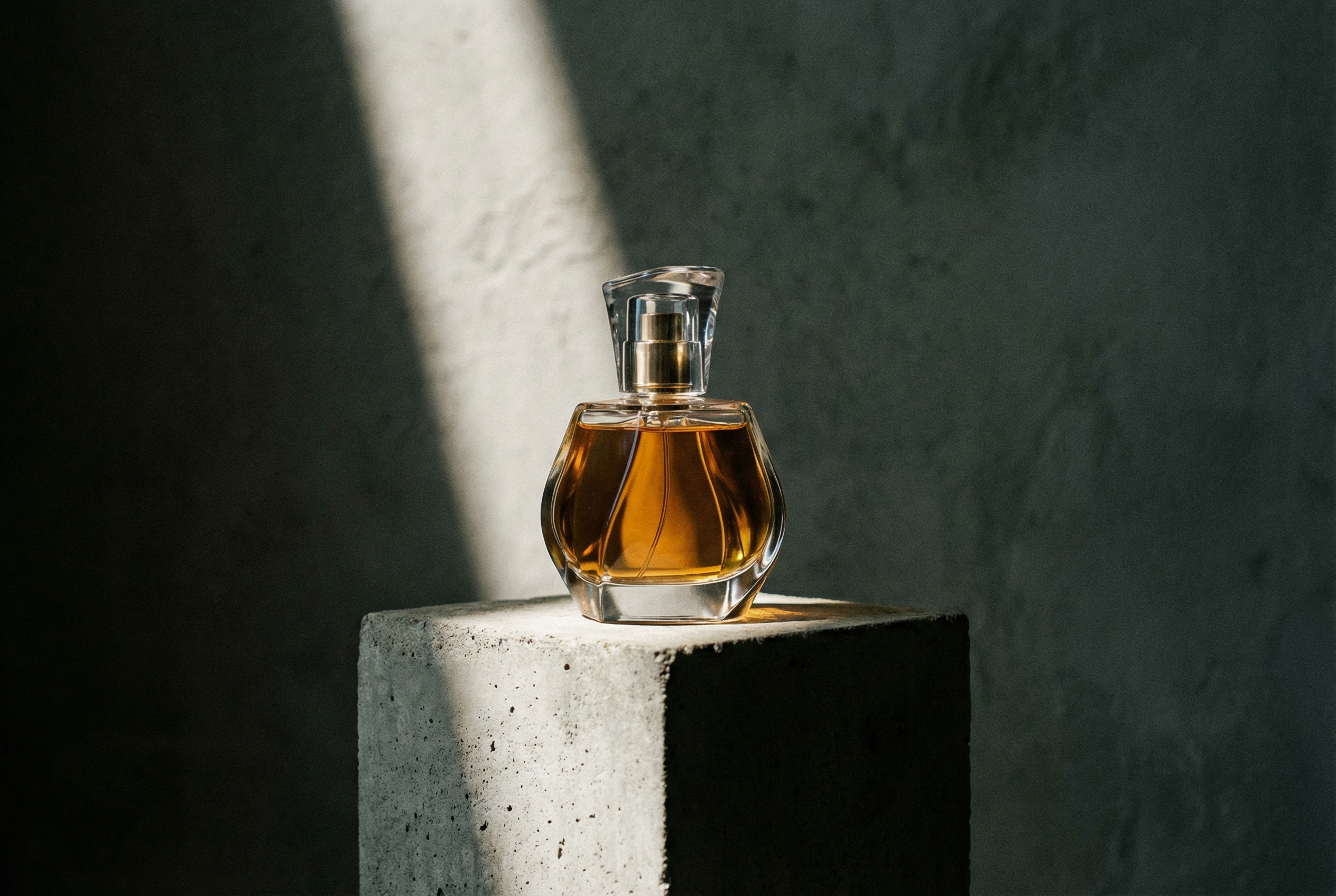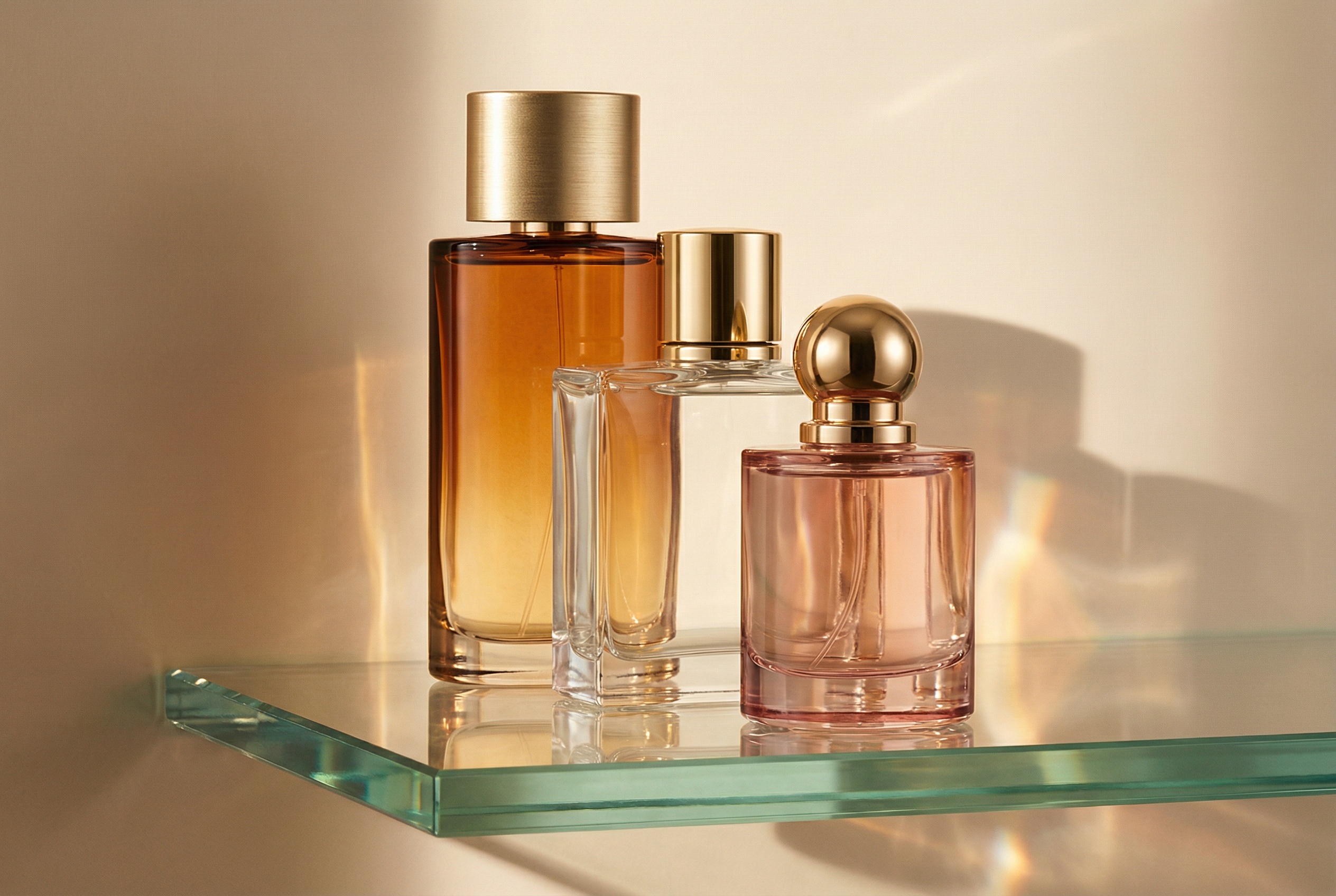
In the world of perfumery, finding a signature scent is a deeply personal journey. But what if your perfect fragrance isn’t waiting on a shelf, but is a unique blend you create yourself? Welcome to the art of fragrance layering, a technique that empowers you to become the architect of your own olfactory identity. More than just wearing multiple perfumes, it’s a sophisticated practice of combining scents to craft a truly bespoke aroma that is yours and yours alone.
This editorial guide will navigate you through the nuances of the layering fragrances technique, from understanding the fundamentals to mastering advanced combinations. Prepare to unlock a new dimension of personal expression, one scent at a time.
Understanding the Fundamentals of Fragrance Layering
At its core, fragrance layering—also known as scent cocktailing—is the practice of wearing multiple scented products at once to create a complex, evolving aroma. This can involve combining different perfumes, or using complementary body lotions, oils, and even hair mists to build a multi-dimensional scent profile. The goal is to create a harmonious blend that is greater than the sum of its parts.
Before you begin your layering journey, it is essential to have a basic understanding of /article/fragrance-families-guide and /article/fragrance-notes-explained. Perfumes are composed of top, middle (or heart), and base notes, which unfold over time. Successful layering depends on how these notes interact. A well-chosen combination can enhance certain notes, create intriguing new accords, and significantly improve the longevity of your fragrance.
The Golden Rule: From Heavy to Light
The most fundamental principle of layering is to apply the most intense and robust fragrance first, followed by the lighter, more volatile scents. Heavier fragrances, such as those with strong woody, musky, or oriental notes, create a solid foundation. Lighter scents, like citrus, floral, or aquatic fragrances, can then be delicately layered on top to add brightness and complexity without being overpowered.
Key Techniques for Layering Fragrances
There are several approaches to layering, each offering a different level of intensity and complexity. Experimenting with these techniques will help you discover what works best for you and your collection of fragrances.
| Technique | Description | Best For | Example Combination |
|---|---|---|---|
| Tonal Layering | Combining fragrances from the same fragrance family. | Creating a nuanced, intensified version of a favourite scent profile. | A rose-based body lotion with a rose and oud perfume. |
| Contrasting Layering | Pairing fragrances from different, often opposing, families. | Crafting a bold, unique, and statement-making signature scent. | A spicy oriental fragrance with a zesty citrus top layer. |
| Ancillary Product Layering | Using scented body products to build a base for your perfume. | Enhancing longevity and creating a subtle, all-over scent aura. | A sandalwood shower gel and body oil, followed by a sandalwood-based Eau de Parfum. |
| Temporal Layering | Applying different scents to different pulse points or at different times. | A dynamic scent that evolves throughout the day. | A fresh fragrance on the wrists for daytime, with a richer scent applied to the neck for evening. |
A Step-by-Step Guide to Your First Layering Creation
1. Start with a Clean Canvas: Begin with clean, moisturised skin. Hydrated skin holds fragrance for longer, providing a better foundation for your layers.
2. Apply Your Base: Choose your heavier scent and apply it to your primary pulse points—wrists, neck, and behind the ears.
3. Introduce the Top Layer: Select your lighter fragrance. Instead of spraying it directly on top of the first, try applying it to adjacent pulse points or misting it into the air and walking through it. This allows the scents to mingle more subtly.
4. Consider Ancillaries: For a truly immersive experience, incorporate matching or complementary scented body lotions or oils before applying any perfume. This not only moisturises the skin but also creates a cohesive base that enhances the longevity of your chosen fragrances.
5. Less is More: When you first begin experimenting, use a light hand. It is always easier to add more fragrance than it is to remove it. Two to three layers are typically sufficient to create a complex and beautiful scent without becoming overwhelming.
Exploring Niche Perfumery and Artisan Blends
For those looking to elevate their layering game, the world of /article/niche-perfumery-artisan offers unparalleled opportunities for creativity. Artisan fragrances often feature unique and high-quality ingredients, providing a rich palette for experimentation. Many niche brands even design their collections with layering in mind, offering scents that are intended to be mixed and matched.
Frequently Asked Questions (FAQ)
1. Can I layer any two fragrances?
While there are no strict rules, some combinations work better than others. It is generally advisable to pair scents that share a common note or come from complementary fragrance families. However, the beauty of layering is in the experimentation, so do not be afraid to try unconventional pairings. Your personal preference is the ultimate guide.
2. How do I avoid creating a scent that is too overpowering?
The key is to start small. Begin with just two scents and apply them sparingly. You can also create distance between the layers by applying them to different parts of your body. Remember to let the fragrances settle for a few minutes to understand how they truly interact before adding more.
3. Should I spray layered fragrances on my clothes?
It is best to apply fragrances directly to the skin, as the warmth of your body helps to diffuse and develop the scent. Some perfume oils can also stain fabric. If you do wish to scent your clothing, a light mist from a distance is the safest approach.
4. How can I make my layered scent last longer?
Moisturising your skin is crucial. Apply an unscented or complementary scented lotion before your fragrance. Layering with ancillary products like body oils and creams will also create a richer, more enduring scent profile. Applying fragrance to pulse points, where the skin is warmer, will also help with diffusion and longevity.
5. Are there any fragrance combinations I should avoid?
While personal taste is paramount, it can be challenging to successfully layer two very heavy, complex, and opulent fragrances, such as two intense oud or chypre scents. This can result in a muddled and overwhelming aroma. It is often more effective to pair a complex scent with a simpler, more linear one to enhance, rather than compete with, its character.