In a world saturated with mass-produced fragrances, a quiet revolution is taking place. It is a movement away from the ubiquitous and towards the unique, a journey into the heart of olfactory artistry. This is the world of niche perfumery artisan, a realm where scent is not merely a product, but a story waiting to be told. If you have ever caught a whiff of a fragrance so captivating it stopped you in your tracks, chances are you have encountered a niche perfume.
This article will guide you through the enchanting landscape of niche and artisan perfumery. We will explore what sets these fragrances apart from their mainstream counterparts, delve into the different categories of niche scents, and offer advice on how to begin your own personal fragrance journey. Prepare to discover a world of olfactory delights that will change the way you think about perfume forever.
What is Niche Perfumery?
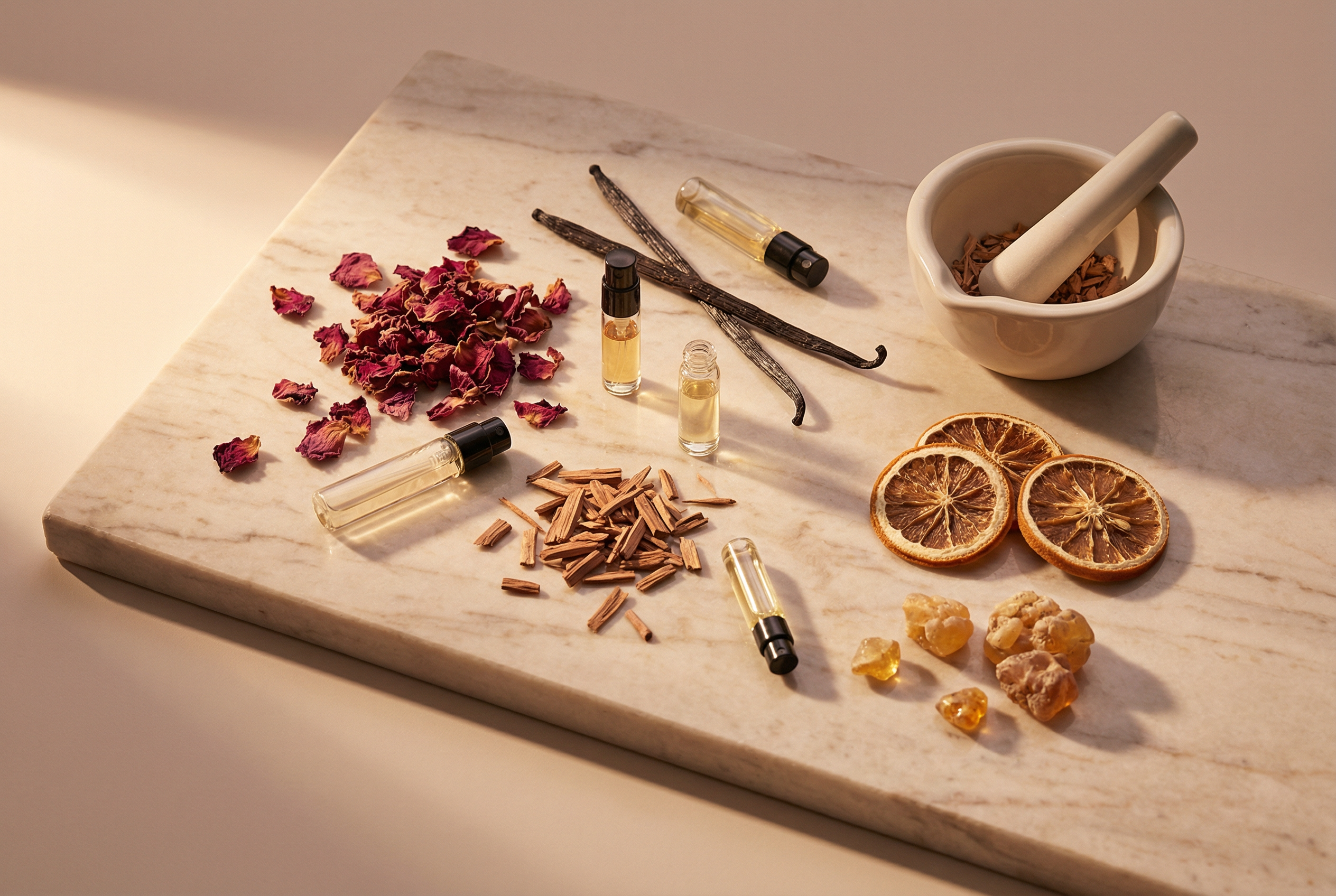
At its core, niche perfumery is an alternative to the mass-market fragrance industry. Unlike designer brands that are often part of large fashion houses and create perfumes to appeal to the widest possible audience, niche perfume houses are typically smaller, independent companies that focus exclusively on creating unique and artistic fragrances. The perfumers behind these creations are often seen as artists, using rare and high-quality ingredients to craft scents that are both complex and evocative.
The primary goal of a niche perfumer is not to sell millions of bottles, but to create a fragrance that is a true expression of their creative vision. This freedom from the constraints of commercialism allows for a level of innovation and artistry that is rarely found in the mainstream market. As you delve deeper into the world of niche perfumery, you will begin to appreciate the subtle nuances and intricate stories that each bottle holds, a journey explained in our guide to fragrance notes.
The Allure of the Artisan: Niche vs. Mainstream
The differences between niche and mainstream perfumery extend far beyond the size of the companies that produce them. From the ingredients used to the way they are marketed and sold, these two approaches to fragrance could not be more different. The following table illustrates some of the key distinctions:
| Feature | Niche Perfumery | Mainstream Perfumery |
|---|---|---|
| Production Scale | Small batches, limited production | Mass-produced in large quantities |
| Distribution | Selective, often sold in specialised boutiques or online | Widely available in department stores and retailers |
| Marketing | Relies on word-of-mouth and storytelling | Large-scale advertising campaigns with celebrity endorsements |
| Scent Profile | Unique, artistic, and often unconventional | Follows trends, designed for mass appeal |
| Price Point | Generally higher due to quality ingredients and limited production | Varies, but often more affordable |
| Target Audience | Fragrance connoisseurs and individuals seeking a unique scent | The general public |
The appeal of niche perfumery lies in its exclusivity and the quality of its ingredients. Niche perfumers often use a higher concentration of perfume oils and are not afraid to experiment with unusual scent combinations. This results in fragrances that are not only more unique but also have greater longevity and sillage. For those who appreciate the artistry of perfumery, exploring the different fragrance families within the niche market can be a revelation.
Navigating the Niche Landscape: Key Categories
The world of niche perfumery is vast and varied, with several subcategories that are worth exploring. Understanding these distinctions will help you to navigate the niche landscape and find the fragrances that best suit your personal style.
Artisan Perfumes
Artisan perfumes represent the heart and soul of the niche movement. These fragrances are typically handmade in small batches by the perfumer, who is often the owner of the company. This hands-on approach allows for an incredible level of quality control and a personal touch that is impossible to replicate on a larger scale. Artisan perfumers are true craftspeople, pouring their passion and expertise into every bottle.
Indie Perfumes
Indie perfumes are created by independent companies that are not owned by a larger corporation. This independence gives them the freedom to innovate and take risks that larger companies would not. Indie perfumers are known for their creativity and their willingness to push the boundaries of traditional perfumery, much like the independent spirit celebrated in the French beauty philosophy.
Iconic Niche Houses and Their Signature Scents
To truly appreciate the world of niche perfumery, it is helpful to familiarise yourself with some of the most iconic brands in the industry. Here are a few to get you started:
- Le Labo: Famous for its minimalist aesthetic and hand-blended fragrances, Le Labo has become a cult favourite among fragrance lovers. Their most iconic scent, Santal 33, is a smoky and leathery fragrance that has been described as the scent of a generation.
- Byredo: Founded in Stockholm by Ben Gorham, Byredo is known for its modern and minimalist approach to perfumery. Their fragrances are often inspired by memories and emotions, resulting in scents that are both personal and profound. Gypsy Water, with its notes of bergamot, juniper berries, and sandalwood, is a perfect example of their unique style.
- Creed: With a history dating back to 1760, Creed is one of the oldest and most respected niche perfume houses in the world. Their fragrances are made with the finest natural ingredients and are known for their elegance and sophistication. Aventus, a powerful and masculine fragrance with notes of pineapple, blackcurrant, and musk, is their most famous creation.
How to Begin Your Niche Fragrance Journey
Embarking on a niche fragrance journey is an exciting prospect, but it can also be a little daunting. With so many brands and scents to choose from, it can be difficult to know where to start. Here are a few tips to help you on your way:
- Start with discovery sets: Many niche perfume brands offer discovery sets that allow you to sample a range of their fragrances before committing to a full bottle.
- Visit specialised boutiques: The best way to experience niche perfumes is to visit a specialised boutique where you can speak to knowledgeable staff and sample a wide variety of scents.
- Explore different fragrance families: To find your signature scent, it is important to explore different fragrance families and identify the notes that you are drawn to.
Frequently Asked Questions (FAQ)
What is the difference between niche and designer perfume?
The main difference lies in their production scale, distribution, and artistic focus. Niche perfumes are made in smaller batches, sold in select stores, and prioritize the perfumer's artistic vision, while designer perfumes are mass-produced, widely available, and created for broad appeal.
Are niche perfumes more expensive?
Generally, yes. The higher price point of niche perfumes reflects the use of high-quality, rare ingredients, the smaller production scale, and the artistic nature of the fragrances. You are paying for craftsmanship and exclusivity.
How can I find a signature niche scent?
The best way is to explore. Start by identifying the types of scents you naturally gravitate towards (e.g., floral, woody, spicy). Order discovery sets from different niche houses to sample a variety on your skin. Take your time and enjoy the process of discovery.
What are some good entry-level niche perfume brands?
Brands like Jo Malone London, Atelier Cologne, and Acqua di Parma are often considered great starting points. They offer high-quality, accessible scents that bridge the gap between mainstream and more avant-garde niche perfumery.
Do niche perfumes last longer?
Often, they do. Niche fragrances frequently use a higher concentration of perfume oils (eau de parfum or extrait de parfum) compared to many designer scents (often eau de toilette), which contributes to greater longevity and a more pronounced sillage.
In conclusion, the world of niche perfumery offers a rich and rewarding alternative to the mainstream fragrance market. It is a world of artistry, craftsmanship, and individuality, where the focus is on creating beautiful and unique scents that tell a story. By taking the time to explore this fascinating world, you may just discover a signature scent that is as unique and individual as you are.