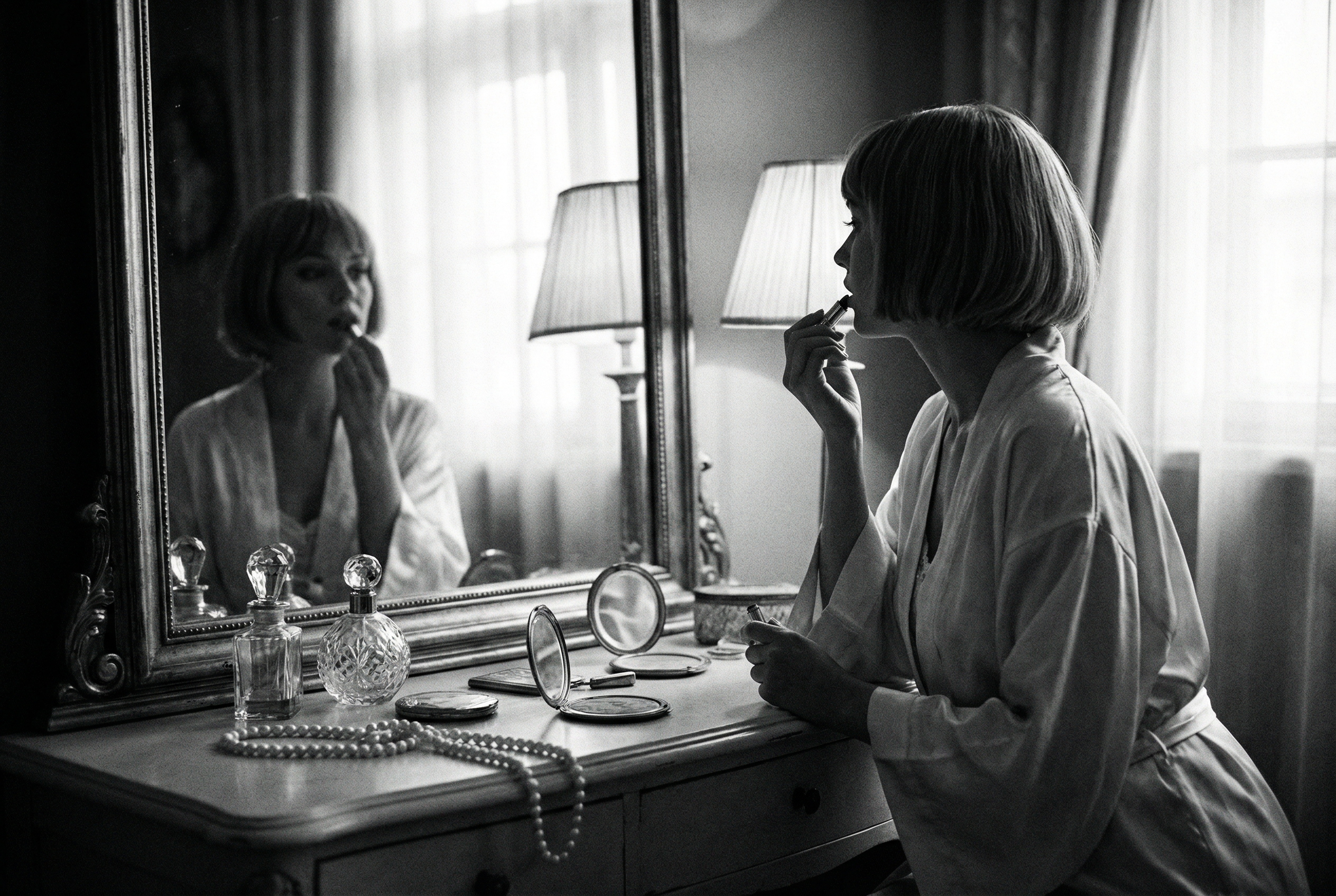
Red lipstick is more than just a cosmetic; it is a statement. A slash of crimson on the lips can be a symbol of power, a mark of rebellion, or an emblem of glamour. Its story is a rich and complex tapestry, woven through centuries of cultural shifts, social revolutions, and artistic expression. From the crushed gemstones of ancient Mesopotamia to the defiant scarlet worn by suffragettes, the history of red lipstick is a captivating journey through the evolution of beauty and power.
An Ancient Allure: From Mesopotamia to Rome
The story of red lipstick begins over 5,000 years ago in ancient Mesopotamia, where both men and women adorned their lips with a paste made from crushed semi-precious stones. This early form of lipstick was a status symbol, a way to display wealth and power. The practice was later adopted by the ancient Egyptians, who created their own vibrant lip colour from a mixture of fucus-algin, iodine, and bromine mannite—a concoction that, while beautiful, was also highly toxic. Cleopatra herself was known to favour a pigment made from crushed carmine beetles and ants, a practice that speaks to the timeless desire for a bold, red lip.
In ancient Greece, however, the perception of red lipstick took a dramatic turn. It became the mandated mark of prostitutes, a way to distinguish them from “respectable” women. This association with sex work would cast a long shadow over the cosmetic, one that would persist for centuries. The Romans, in contrast, held a more nuanced view. While red lipstick was popular among women of all classes, it was often seen as a sign of wealth and status, though some still viewed it with suspicion.
A Mark of Status and Scandal: The Middle Ages and Renaissance
During the Middle Ages, the Christian church condemned the use of cosmetics, associating them with deception and immorality. A painted face was seen as an affront to God’s creation, and red lipstick, in particular, was linked to the devil and witchcraft. Women who dared to wear it risked being accused of sorcery.
It was not until the Renaissance that red lipstick began to shed its scandalous reputation. Queen Elizabeth I of England, with her iconic look of a stark white face and crimson lips, made red lipstick fashionable once again. Her lip colour was made from a blend of cochineal, gum arabic, egg whites, and fig milk. However, it remained a luxury reserved for the nobility and actors. For centuries that followed, the use of obvious makeup fell in and out of favour, often associated with the theatre and women of ill repute, a stark contrast to the more subtle ideals of beauty, such as the understated elegance of the French beauty philosophy.
Rebellion in a Tube: The Suffragettes and the Flappers
The early 20th century marked a turning point for red lipstick, transforming it from a symbol of scandal to one of empowerment. In 1912, as thousands of suffragettes marched through the streets of New York demanding the right to vote, they did so with bold, red lips. Elizabeth Arden, a pioneer in the beauty industry and a supporter of the cause, famously handed out tubes of red lipstick to the marching women. The suffragettes embraced the cosmetic as a symbol of rebellion and defiance, a way to shock and challenge the male-dominated society.
The flappers of the Roaring Twenties further solidified red lipstick’s place in modern culture. With their bobbed hair, shortened hemlines, and liberated attitudes, the flappers adopted dark red lipstick as a key part of their look. The invention of the swivel-up lipstick tube in 1923 made the cosmetic more accessible than ever, allowing women to carry it with them and reapply it throughout the day. This era cemented red lipstick’s association with glamour, independence, and a burgeoning female sexuality, reflecting the broader evolution of beauty ideals.
A Symbol of Defiance: Red Lips in Wartime
During the Second World War, red lipstick once again became a powerful symbol of resilience and patriotism. Adolf Hitler was known to despise red lipstick, and in the Allied countries, wearing it became an act of defiance against fascism. In the United Kingdom, when lipstick was rationed, women would stain their lips with beetroot juice to maintain the look.
As women entered the workforce to support the war effort, red lipstick became a part of their daily uniform. It was a way to maintain a sense of femininity and normalcy in a world turned upside down by conflict. The American government even commissioned Elizabeth Arden to create a regulation shade for women in the armed forces, a vibrant red called “Montezuma Red” that matched the piping on their uniforms. The iconic image of Rosie the Riveter, with her determined expression and cherry-red lips, perfectly captured the spirit of the era.
Hollywood's Golden Age and Beyond
The post-war era saw red lipstick reach new heights of glamour, thanks to the silver screen. Hollywood icons like Marilyn Monroe, Elizabeth Taylor, and Lucille Ball made the red lip their signature, cementing its status as a symbol of timeless beauty and sophistication. The red lip became synonymous with the allure and confidence of the modern woman.
Today, red lipstick continues to be a powerful tool of self-expression. It is a classic that transcends trends, a versatile cosmetic that can be worn by anyone, regardless of age, gender, or skin tone. The ongoing movement towards more inclusive beauty standards has further broadened the appeal of the red lip, celebrating its ability to empower and adorn all who wear it.
| Era | Ingredients & Formulation | Cultural Significance |
|---|---|---|
| Ancient Mesopotamia | Crushed semi-precious stones mixed with oils and waxes. | A symbol of status and wealth for both men and women. |
| Ancient Egypt | A mixture of fucus-algin, iodine, and bromine mannite; also crushed carmine beetles. | An indicator of social status, famously worn by Cleopatra. |
| Ancient Greece | A blend of red dye, sheep sweat, and crocodile droppings. | Mandated for prostitutes to distinguish them from “respectable” women. |
| Elizabethan England | Cochineal, gum arabic, egg whites, and fig milk. | Popularized by Queen Elizabeth I, a mark of the upper class. |
| 20th Century (Suffragettes) | Commercially produced sticks of wax, oils, and pigment. | A symbol of rebellion, defiance, and female empowerment. |
| World War II | Brands like Elizabeth Arden and Helena Rubinstein created patriotic shades. | A sign of patriotism and resilience against fascism. |
| Modern Era | A vast array of formulas, from matte to gloss, with synthetic and natural pigments. | A versatile tool for self-expression, glamour, and confidence. |
The Enduring Power of a Red Lip
From the ancient world to the modern day, red lipstick has been a constant companion on the journey of self-expression. It has been a symbol of status, a mark of scandal, a tool of rebellion, and an emblem of glamour. The history of red lipstick is a reflection of our own history, a story of how we define beauty, power, and identity. It is a testament to the enduring power of a simple slash of colour to make a bold and unforgettable statement.
Frequently Asked Questions
Why was red lipstick so important to the suffragettes?
Red lipstick was a powerful symbol for the suffragettes because it was seen as a way to challenge traditional gender norms and expectations. In an era when “respectable” women were expected to be modest and demure, wearing a bold, red lip was an act of defiance. It was a visual statement of their rebellion against a male-dominated society and their demand for equal rights.
How did World War II impact the popularity of red lipstick?
During World War II, red lipstick became a symbol of patriotism and resilience. With many men away at war, women took on new roles in the workforce and society. Wearing red lipstick was a way for them to maintain a sense of femininity and normalcy in a time of great upheaval. It was also seen as an act of defiance against Adolf Hitler, who famously disliked the cosmetic. Beauty brands even created special “victory red” shades to support the war effort.
What are some of the most iconic red lipstick moments in history?
Beyond the suffragettes and the wartime efforts, there have been countless iconic red lipstick moments. Cleopatra’s carmine-stained lips, Queen Elizabeth I’s regal crimson, Marilyn Monroe’s signature pout, and Alexandria Ocasio-Cortez’s bold red lip on the floor of the US Congress are just a few examples. Each of these moments showcases the power of red lipstick to define an era and an individual.
Is red lipstick still relevant today?
Absolutely. Red lipstick remains a timeless and powerful tool of self-expression. It is a classic that can be adapted to any style or occasion, from a glamorous evening out to a professional setting. In an age of increasing individuality and a focus on inclusive beauty, the red lip continues to be a symbol of confidence, power, and personal style for people of all backgrounds.
What is the best way to find the right shade of red lipstick?
Finding the perfect red lipstick is a personal journey. The key is to consider your skin tone and undertones. Fair skin tones often suit blue-based reds, while olive or warmer skin tones can carry off orange-based reds. However, there are no hard and fast rules. The best way to find your perfect red is to experiment with different shades and finishes until you find one that makes you feel confident and beautiful.