In the relentless pursuit of radiant skin and inner calm, the beauty world has turned to ancient wisdom, rediscovering a class of powerful botanicals known as adaptogens. These stress-fighting herbs and mushrooms, once staples in traditional Ayurvedic and Chinese medicine, are now celebrated for their remarkable ability to enhance our resilience to stress and, in turn, transform our skin from within. As modern life continues to blur the lines between wellness and beauty, adaptogens have emerged as a cornerstone of a holistic approach to skincare, promising not just a fleeting glow, but a profound and lasting sense of balance.
What Are Adaptogens and How Do They Work?
Adaptogens are a unique group of plants and fungi that help the body and skin adapt to and resist physical, chemical, and biological stressors. The term was first coined in the 1940s by Russian scientist Nikolai Lazarev, who was searching for natural substances that could improve the body's resistance to stress without the side effects of traditional stimulants. To be classified as an adaptogen, a substance must meet three specific criteria:
Further reading: If you are considering working with a gut health specialist in London, our in-depth guide explores the functional medicine approach, advanced microbiome testing, and what to expect from a first consultation with a leading practitioner.
1. Nonspecific Resistance: It must help the body resist a wide range of stressors, not just a single one.
2. Normalizing Effect: It must help the body return to a state of balance, or homeostasis, regardless of the direction of the stress-induced changes.
3. Safety: It must be non-toxic and not interfere with the body's normal functions.
In essence, adaptogens work by modulating the body's stress response system, primarily the hypothalamic-pituitary-adrenal (HPA) axis and the sympathoadrenal system. By regulating the release of stress hormones like cortisol, they help protect the body from the damaging effects of chronic stress, which can manifest on the skin as inflammation, premature aging, and a compromised barrier.
The Beauty Benefits of Adaptogens: A Deeper Look
Stress is one of the biggest culprits behind a host of skin concerns, from acne and eczema to fine lines and wrinkles. When we are stressed, our bodies produce an excess of cortisol, which can trigger inflammation, break down collagen, and disrupt the skin's natural barrier function. This is where adaptogens come in. By helping the body better manage stress, they can have a profound impact on the health and appearance of our skin.
Some of the key beauty benefits of adaptogens include:
- Reducing Inflammation: Many adaptogens have potent anti-inflammatory properties that can help calm redness, soothe irritation, and reduce the appearance of inflammatory skin conditions like acne and rosacea.
- Protecting Against Environmental Stressors: Adaptogens are rich in antioxidants, which help protect the skin from damage caused by free radicals, UV radiation, and pollution. This can help prevent premature aging and maintain a youthful, radiant complexion.
- Promoting a Youthful Glow: By supporting cellular health and promoting a balanced stress response, adaptogens can help improve skin tone and texture, reduce the appearance of fine lines and wrinkles, and restore a natural, healthy glow.
Popular Adaptogens in Skincare and Their Properties
| Adaptogen | Key Benefits | How to Use in Skincare |
|---|---|---|
| Ashwagandha | Reduces inflammation, combats signs of aging, and promotes a calm, even complexion. | Look for it in serums, moisturizers, and masks. |
| Rhodiola | Boosts skin's natural resilience, protects against environmental stressors, and improves skin tone and texture. | Often found in brightening serums and protective day creams. |
| Holy Basil (Tulsi) | Purifies and detoxifies the skin, soothes inflammation, and helps prevent breakouts. | Ideal for cleansers, toners, and spot treatments. |
| Reishi Mushroom | Deeply hydrates and nourishes the skin, reduces redness and irritation, and supports a healthy skin barrier. | Commonly used in rich, restorative creams and sleeping masks. |
Incorporating Adaptogens into Your Beauty Routine
Adding adaptogens to your skincare routine is simple and can be tailored to your specific needs. For a daily dose of stress-fighting goodness, look for serums and moisturizers that contain a blend of adaptogenic herbs. If you have specific concerns, such as redness or irritation, a targeted treatment with a high concentration of a single adaptogen, like reishi or holy basil, can be incredibly effective.
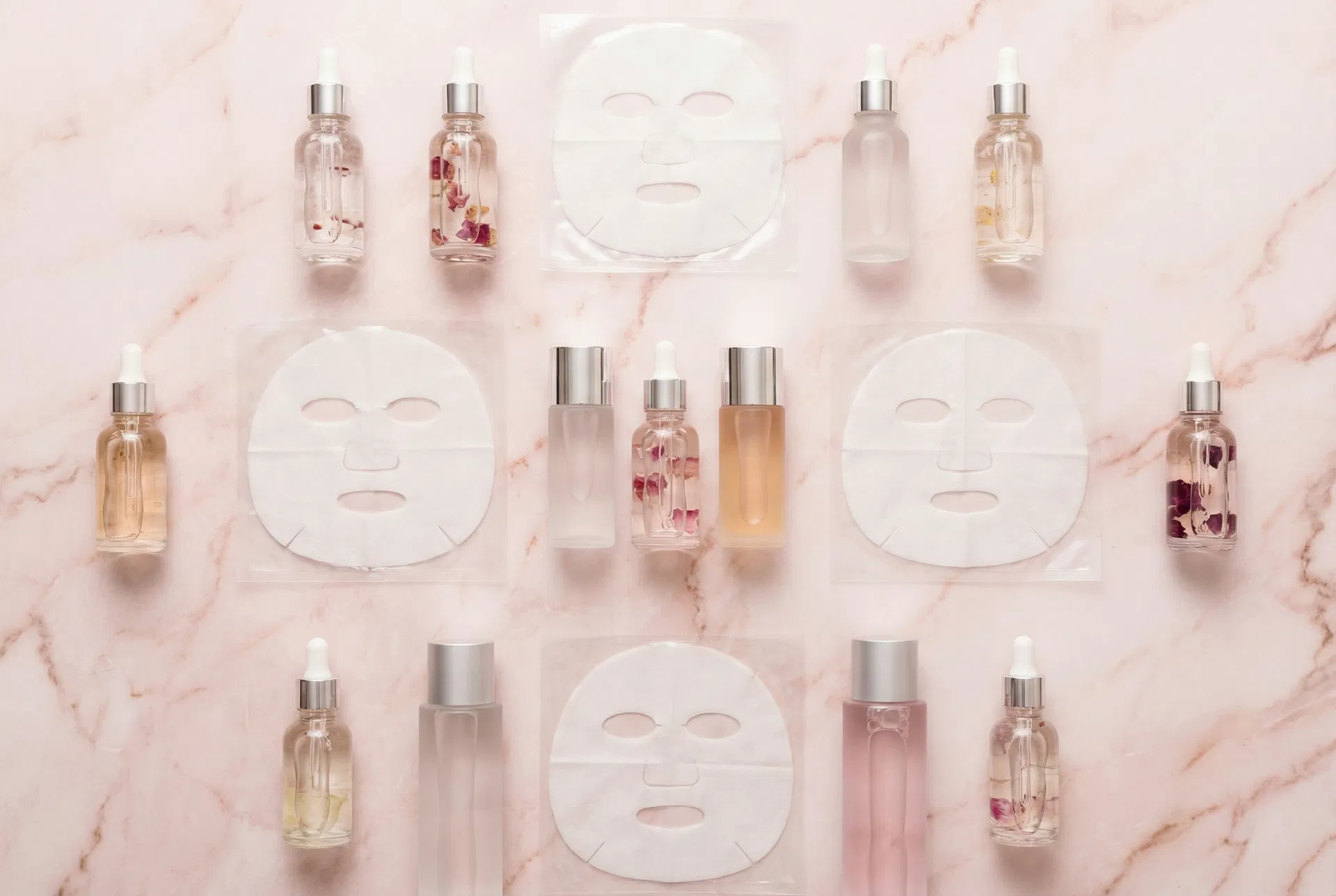
For a more intensive treatment, consider using an adaptogenic mask once or twice a week. You can also create your own DIY adaptogenic face mask by mixing a teaspoon of an adaptogenic powder, such as ashwagandha or rhodiola, with a tablespoon of honey or yogurt.
Beyond the Hype: What the Science Says
While the use of adaptogens in traditional medicine dates back centuries, modern science is just beginning to uncover the mechanisms behind their powerful effects. A growing body of research supports the use of adaptogens for stress reduction and skin health, with studies showing that they can help regulate cortisol levels, reduce inflammation, and protect against oxidative stress. For more on the science of skincare, see our article on The Best Anti-Ageing Ingredients.
Frequently Asked Questions (FAQ)
Are adaptogens safe for all skin types?
Yes, adaptogens are generally considered safe for all skin types. However, as with any new ingredient, it's always a good idea to do a patch test before applying it to your entire face, especially if you have sensitive skin.
How long does it take to see results from using adaptogenic skincare?
The time it takes to see results can vary depending on the individual and the product being used. Some people may notice a difference in their skin's appearance within a few days, while for others it may take a few weeks of consistent use. For more on building a skincare routine, check out our Ultimate Guide to a Minimalist Skincare Routine.
Can I use multiple adaptogenic products at the same time?
Yes, you can use multiple adaptogenic products at the same time. In fact, using a combination of products with different adaptogens can provide a wider range of benefits for your skin.
Are there any side effects of using adaptogens topically?
Topical use of adaptogens is generally safe and well-tolerated. However, in rare cases, some people may experience mild irritation or an allergic reaction. If you experience any discomfort, discontinue use and consult with a dermatologist.