For many, acne is a distant memory of teenage years, a dermatological rite of passage left behind with high school diplomas and questionable fashion choices. Yet, for a significant number of adults, the battle with breakouts continues well into their thirties, forties, and beyond. Adult acne is a frustrating and often demoralising condition, distinct from its adolescent counterpart in its causes and presentation. Understanding the nuances of why it occurs is the first step toward achieving the clear, calm complexion you deserve. This comprehensive guide explores the multifaceted causes of adult acne and the most effective, evidence-based treatments available.
What Unseen Factors Trigger Adult Acne?
The sudden appearance of blemishes in adulthood can be perplexing. Unlike the relatively straightforward hormonal surges of puberty, adult acne is often a complex interplay of internal and external factors. Identifying your personal triggers is crucial for developing a successful treatment strategy.
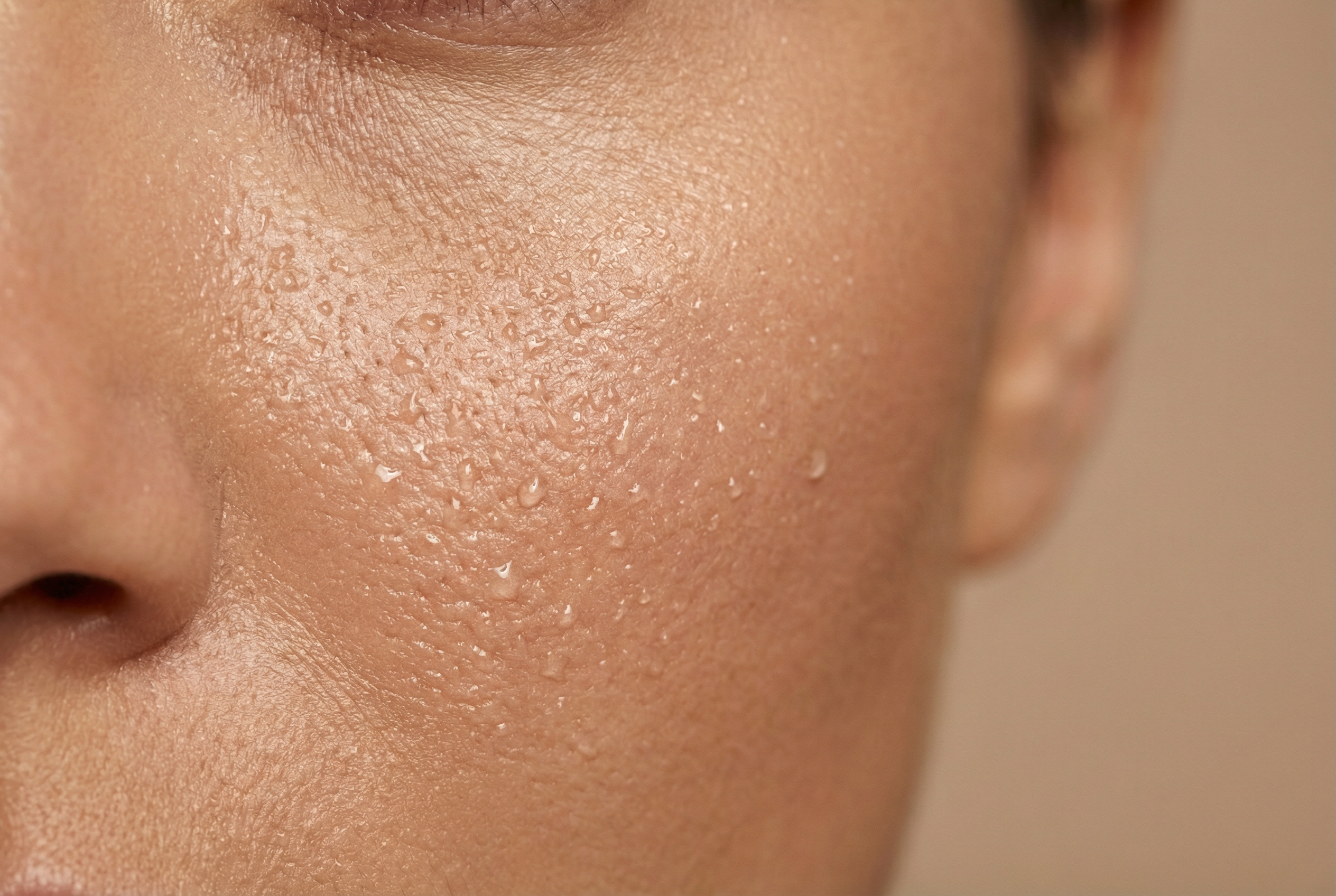
One of the most significant drivers is hormonal fluctuation. In women, this is particularly prevalent, with breakouts often correlating with the menstrual cycle, pregnancy, perimenopause, or changes in hormonal contraception. An increase in androgens (male hormones present in both sexes) can lead to increased sebum production, creating an ideal environment for acne to develop. This is why many women experience deep, cystic blemishes along the jawline and chin, an area particularly sensitive to hormonal shifts.
Modern life also plays a substantial role. Chronic stress elevates cortisol levels in the body, which in turn can stimulate your oil glands into overdrive. This, combined with lifestyle factors such as lack of sleep and certain dietary choices, can create a perfect storm for inflammation. While the link between diet and acne is still debated, some studies suggest a correlation between high-glycaemic foods and dairy consumption with acne severity in susceptible individuals. Explore the connection between your diet and skin health here.
Finally, your genetics and daily habits cannot be overlooked. If your parents or siblings struggled with adult acne, you are more likely to experience it yourself. Furthermore, using the wrong skincare or haircare products can be a major culprit. Heavy, oil-based, or comedogenic (pore-clogging) formulas can easily lead to congestion and breakouts. It is essential to choose products labelled "non-comedogenic" or "oil-free" to keep pores clear.
Identifying Your Type of Acne
Not all blemishes are created equal. Recognising the specific type of acne you are experiencing is key to selecting the right treatment. Adult acne can manifest in several forms, from mild surface-level spots to more severe, deeper lesions.
| Acne Type | Description | Appearance | Treatment Focus |
|---|---|---|---|
| Comedonal | Non-inflammatory acne that occurs when pores become clogged with oil and dead skin cells. | Blackheads (open comedones) and whiteheads (closed comedones). | Exfoliation to clear pores. |
| Inflammatory | The result of bacteria, oil, and dead skin cells creating an inflammatory response. | Papules (small, red bumps) and pustules (pus-filled pimples). | Reducing bacteria and inflammation. |
| Nodulocystic | A severe form of inflammatory acne that develops deep within the skin. | Nodules (large, hard, painful lumps) and cysts (deep, pus-filled, and often painful lesions that can cause scarring). | Medical intervention is required. |
Effective Over-the-Counter Treatments
For mild to moderate adult acne, the skincare aisle offers a powerful arsenal of active ingredients that can make a significant difference. Consistency and correct application are key to seeing results.
| Ingredient | How It Works | Best For | Considerations |
|---|---|---|---|
| Salicylic Acid | A Beta-Hydroxy Acid (BHA) that exfoliates inside the pore lining, dissolving the mixture of sebum and dead skin cells that leads to clogs. | Blackheads, whiteheads, and general congestion. | Can be drying. Start with a lower concentration (1-2%). Find the best salicylic acid cleansers here. |
| Benzoyl Peroxide | An antibacterial agent that kills P. acnes, the bacteria responsible for inflammatory acne. It also helps to unclog pores. | Inflammatory papules and pustules. | Can cause dryness, peeling, and can bleach fabrics. Use a 2.5% or 5% concentration to start. |
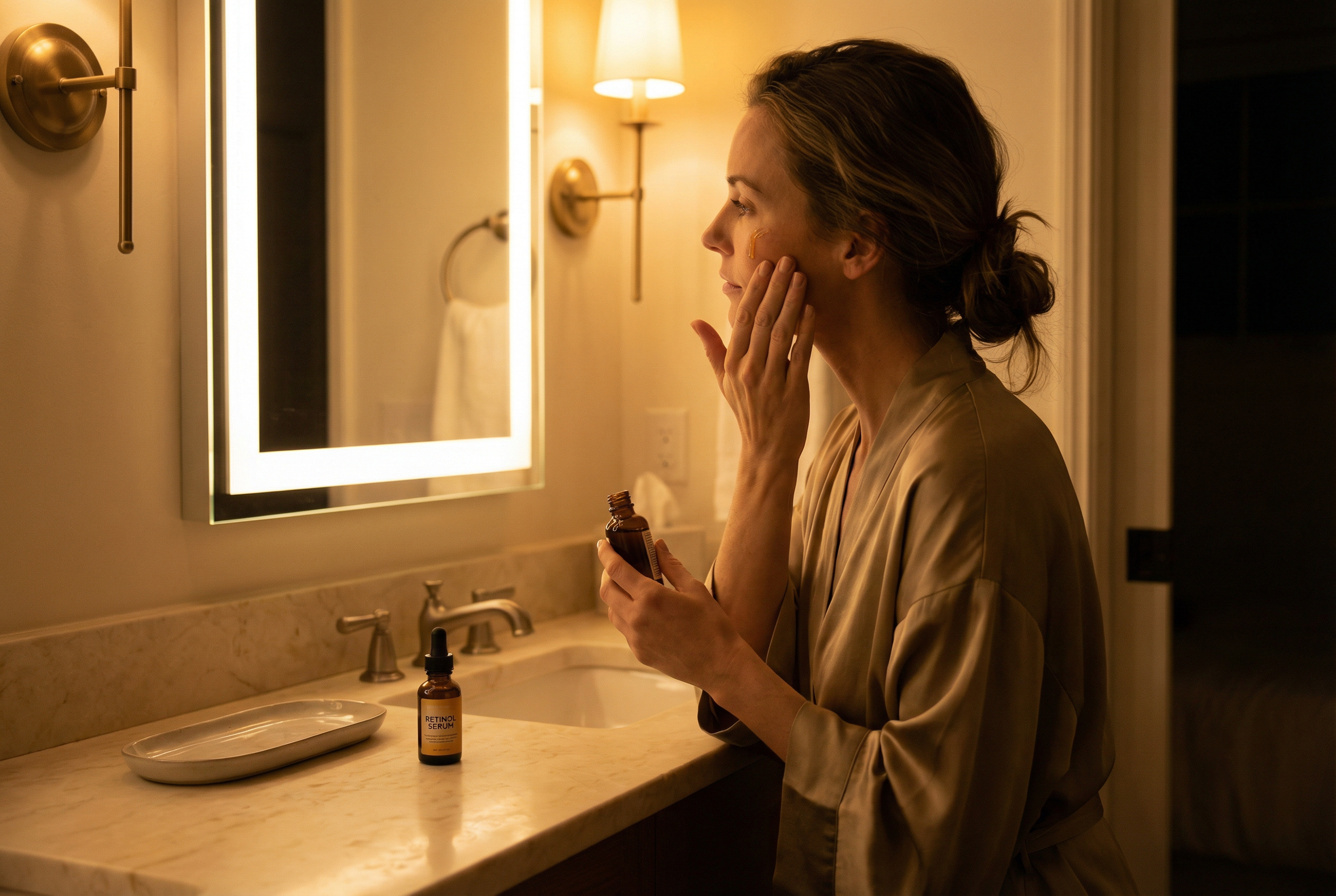
| Adapalene | A type of retinoid (a derivative of Vitamin A) that normalises skin cell turnover to prevent pores from becoming clogged. | Comedonal and inflammatory acne. | Available over-the-counter as a 0.1% gel. Requires consistent use and can cause initial dryness and purging. |
When to See a Dermatologist: Prescription Solutions
If over-the-counter products are not yielding results after several months, or if you are dealing with severe, painful, or scarring acne, it is time to consult a dermatologist. They can offer a range of prescription-strength treatments tailored to your specific needs.
Topical prescriptions often include higher-strength retinoids like tretinoin, which are more potent than their OTC counterparts. Topical antibiotics such as clindamycin may also be prescribed to reduce bacteria and inflammation. For hormonal acne in women, a medication called spironolactone is often a game-changer. It works by blocking the effects of androgens on the oil glands, reducing sebum production from within.
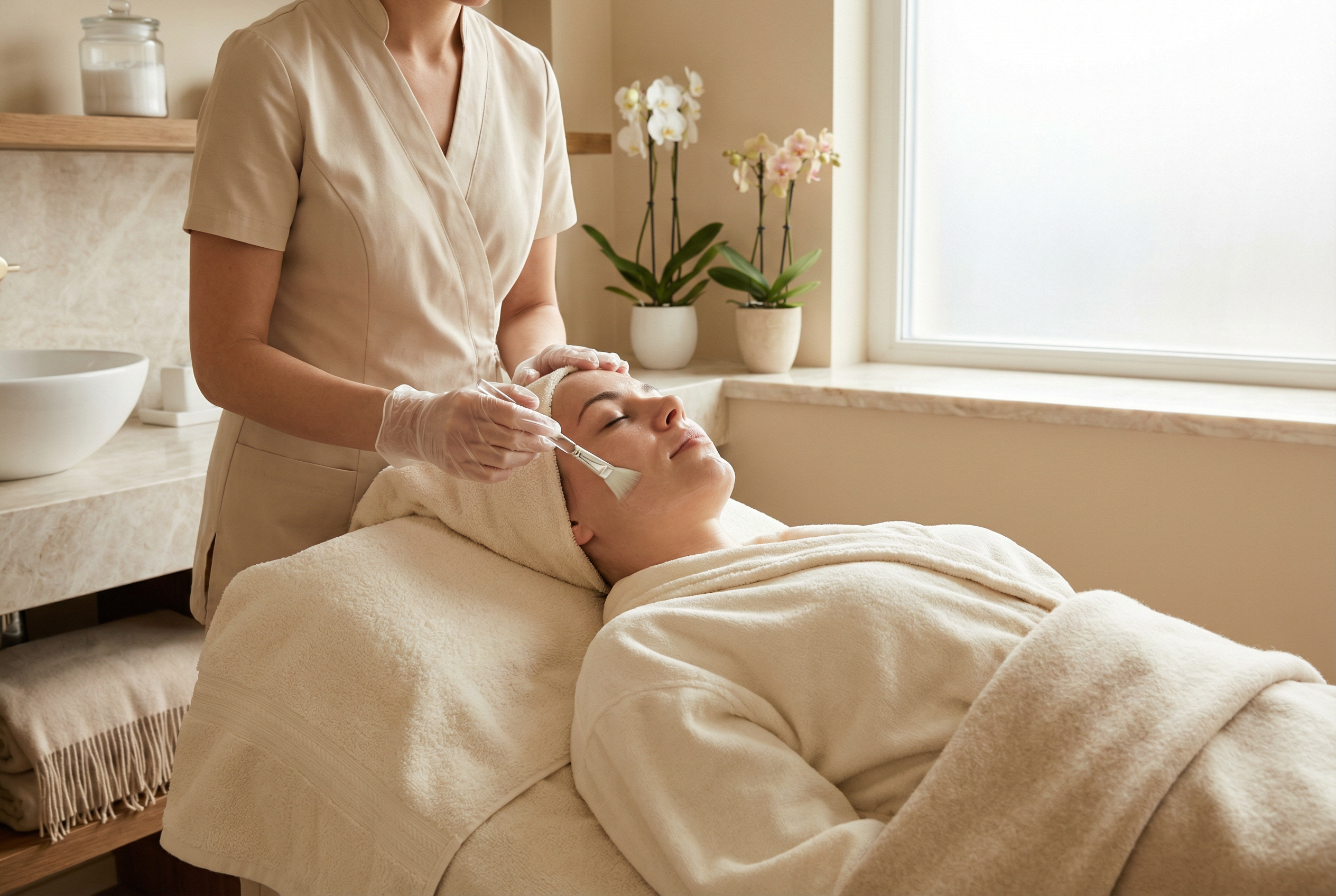
For the most severe cases of nodulocystic acne, a dermatologist may recommend oral isotretinoin. This powerful oral retinoid is highly effective but requires close medical supervision due to its potential side effects. Other professional procedures like chemical peels can also be highly effective in managing acne and improving skin texture.
Building Your Anti-Acne Skincare Routine
A consistent, gentle skincare routine is the foundation of clear skin. The goal is to support your skin barrier, not strip it.
1. Cleanse: Wash your face twice daily with a gentle, non-stripping cleanser. If you use active ingredients like benzoyl peroxide, a medicated wash can be a great option.
2. Treat: Apply your chosen acne treatment (salicylic acid, retinoid, etc.) to clean, dry skin. Use only a pea-sized amount for your entire face.
3. Moisturise: Do not skip this step! Acne treatments can be drying, and a compromised skin barrier can lead to more inflammation. Use a lightweight, non-comedogenic moisturiser.
4. Protect: Sunscreen is non-negotiable. Many acne treatments increase sun sensitivity, and sun exposure can worsen post-inflammatory hyperpigmentation (the dark spots left after a pimple heals). Use a broad-spectrum SPF 30 or higher every single day.
Frequently Asked Questions
Can you get acne for the first time as an adult?
Yes, this is known as "adult-onset acne" and it is quite common, particularly for women. Hormonal changes, stress, and other lifestyle factors can trigger acne even in individuals who had clear skin during their teenage years.
Does makeup make acne worse?
It can, if you are using the wrong products. Look for makeup that is labelled "non-comedogenic" or "oil-free." It is also crucial to remove your makeup thoroughly every night before bed to prevent clogged pores.
How long does it take for acne treatments to work?
Patience is essential when treating acne. It can take anywhere from 4 to 12 weeks of consistent use to see a noticeable improvement from a new product or routine. Introducing too many new products at once can also irritate the skin, so it is best to add one new item at a time.