The Roaring Twenties, a decade of unprecedented social and artistic change, gave birth to the Art Deco movement, an aesthetic that celebrated glamour, modernity, and a bold new sense of freedom. This revolutionary style extended its influence far beyond architecture and design, leaving an indelible mark on the world of beauty. The Art Deco woman was a study in contrasts: at once audacious and elegant, her look was a carefully constructed masterpiece of dark, dramatic eyes, bee-stung lips, and a pale, porcelain complexion. This was more than just makeup; it was a declaration of independence, a rejection of the demure Victorian ideals that had for so long defined femininity. In this article, we explore the enduring allure of Art Deco beauty, from the iconic products and techniques that defined the era to its lasting legacy in the 21st century. For more on the evolution of beauty, see our article on The Evolution of Beauty Ideals: From Renaissance to Modern Era.
The Defining Features of Art Deco Beauty
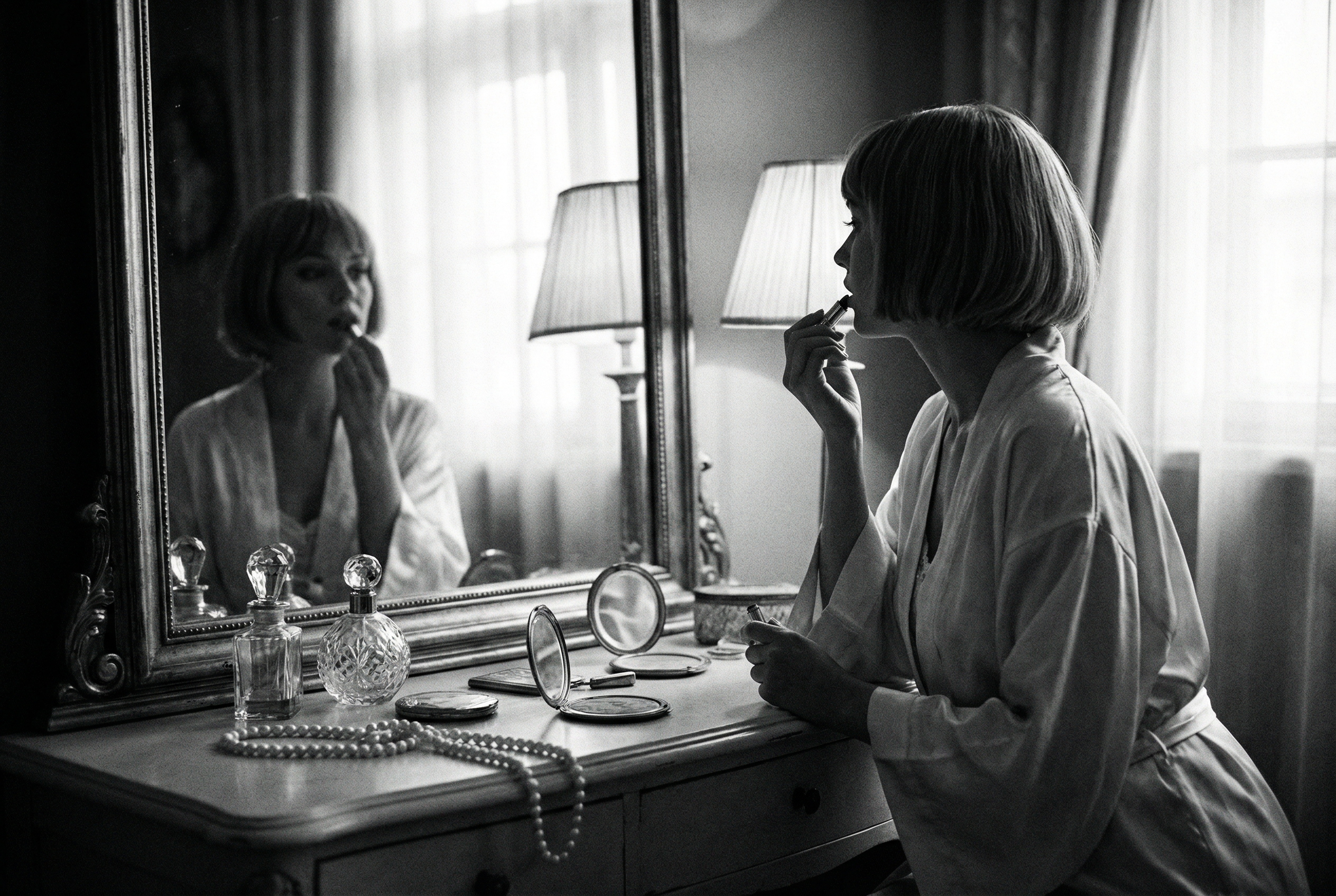
The Art Deco look was a symphony of bold, geometric shapes and striking contrasts. The face became a canvas for artistic expression, with each feature meticulously sculpted to create a look of dramatic intensity. The eyes, dark and mysterious, were the focal point, heavily lined with kohl and accentuated with smoky shadows. Lips were painted in deep shades of red, their shape exaggerated into a heart-shaped “Cupid’s Bow” that was both innocent and alluring. The skin, in stark contrast, was a pale, powdered canvas, a symbol of leisure and a deliberate departure from the sun-kissed complexions of the working class. This was a look that demanded attention, a testament to the newfound confidence and independence of the modern woman.
The Silver Screen's Influence
The rise of Hollywood and the silent film era played a pivotal role in popularizing the Art Deco beauty aesthetic. Stars like Clara Bow, the original “It Girl,” and the enigmatic Louise Brooks, with her signature bob, became style icons, their on-screen looks eagerly emulated by women across the globe. The exaggerated makeup of the silver screen, necessary to convey emotion in the absence of sound, translated into a bold and dramatic everyday look. The public’s fascination with these new celluloid goddesses fueled a burgeoning cosmetics industry, with brands like Max Factor and Maybelline rising to prominence, making the tools of glamour accessible to the masses for the first time.
Iconic Products and Techniques
The Art Deco look was achieved through a combination of innovative new products and meticulous application techniques. Here’s a closer look at some of the most iconic elements of the 1920s beauty routine:
| Product/Technique | Description |
|---|---|
| Kohl Eyeliner | Inspired by the discovery of Tutankhamun’s tomb, kohl eyeliner was used to create a dark, almond-shaped eye. It was often made from a mixture of soot or coal and petroleum jelly or goose fat. |
| Smoky Eyeshadow | Dark, smudgy eyeshadows in shades of black, grey, and brown were used to create a mysterious, smoky effect. |
| “Cupid’s Bow” Lips | Lips were painted in deep shades of red, with the upper lip exaggerated into a heart-shaped “Cupid’s Bow.” This was achieved by using a lip liner to create a precise, defined shape. |
| Rouge | Applied in a circular motion to the apples of the cheeks, rouge, or blush, was used to create a flushed, youthful glow. Unlike today’s blended application, it was often left as a distinct circle of color. |
| Face Powder | A pale, matte complexion was the ideal, and face powder was used to achieve this look. It was applied generously to create a flawless, porcelain finish. |
The Art Deco Hairstyles that Defined an Era
No discussion of Art Deco beauty would be complete without mentioning the revolutionary hairstyles of the era. The most iconic of these was the bob, a short, sharp haircut that was a radical departure from the long, flowing locks of the Victorian era. The bob was a symbol of liberation, a declaration of modernity that perfectly complemented the sleek, streamlined silhouettes of Art Deco fashion. Another popular style was the finger wave, a technique used to create a series of S-shaped waves in the hair. This highly stylized look was the epitome of Art Deco glamour, its geometric precision a perfect reflection of the movement’s aesthetic principles.
The Legacy of Art Deco Beauty
The influence of Art Deco beauty can still be seen today, with its bold, graphic elements continuing to inspire makeup artists and designers. The smoky eye remains a timeless classic, while the red lip is a perennial symbol of glamour and confidence. The clean, geometric lines of Art Deco design are echoed in modern packaging and product design, a testament to the enduring appeal of this revolutionary aesthetic. The Art Deco woman, with her bold, unapologetic glamour, continues to be a source of inspiration, a reminder of a time when beauty was not just about looking pretty, but about making a statement. Explore the history of another iconic beauty staple in our article on The History of Red Lipstick: A Cultural Symbol Through the Ages.
Frequently Asked Questions
What are the key elements of the Art Deco beauty look?
The Art Deco beauty look is characterized by a pale, matte complexion, dark, smoky eyes, and deep red “Cupid’s Bow” lips. Eyebrows were plucked thin and arched, and rouge was applied in a circular motion to the apples of the cheeks.
How did Hollywood influence Art Deco beauty?
The stars of the silent screen, with their exaggerated makeup and glamorous lifestyles, became style icons, popularizing the Art Deco beauty aesthetic. The public’s fascination with these new celebrities fueled the growth of the cosmetics industry, making makeup accessible to the masses.
What are some of the most iconic Art Deco hairstyles?
The most iconic hairstyle of the Art Deco era was the bob, a short, sharp haircut that symbolized the newfound freedom and independence of the modern woman. Another popular style was the finger wave, a highly stylized look that perfectly complemented the geometric precision of the Art Deco aesthetic.