In the ever-evolving world of skincare, a gentle yet powerful ingredient has been steadily gaining acclaim, capturing the attention of beauty editors and dermatologists alike. Enter bakuchiol, a plant-derived compound celebrated as a natural alternative to retinol. For those with sensitive skin who have long been searching for a way to combat the signs of ageing without the irritation often associated with retinoids, bakuchiol presents a compelling solution. This elegant ingredient offers the promise of smoother, firmer, and more even-toned skin, all while respecting its delicate balance.
What is Bakuchiol?
Bakuchiol is a potent antioxidant extracted from the leaves and seeds of the Psoralea corylifolia plant, also known as the babchi plant. With deep roots in traditional Ayurvedic and Chinese medicine, this botanical extract has been used for centuries to address various skin ailments. While its history is rich, its recent emergence in modern skincare is due to its remarkable similarity in function to retinol, earning it the title of a natural retinol-alternative. Unlike its chemical counterpart, bakuchiol is a gentle giant, offering significant anti-ageing benefits without the common side effects of redness, peeling, and sensitivity.
How Does Bakuchiol Work?
The magic of bakuchiol lies in its ability to interact with the skin in a way that mirrors the action of retinol, but through its own unique pathways. Research has shown that bakuchiol helps to stimulate key anti-ageing pathways within the skin. It has been found to significantly upregulate the production of collagen and elastin, the proteins responsible for the skin's structure and firmness. By reinforcing the skin's foundational matrix, bakuchiol helps to diminish the appearance of fine lines and wrinkles, leading to a smoother, more youthful complexion. Furthermore, its powerful antioxidant properties help to protect the skin from environmental aggressors and oxidative stress, which are major contributors to premature ageing.
Bakuchiol vs. Retinol: A Gentle Rivalry
While both bakuchiol and retinol are celebrated for their profound anti-ageing effects, they differ significantly in their origin, composition, and interaction with the skin. Understanding these differences is key to choosing the right ingredient for your unique skin needs. For a deeper dive into the world of retinoids, consider reading our Complete Guide to Retinoids: From Retinol to Tretinoin.
| Feature | Bakuchiol | Retinol |
|---|---|---|
| Origin | Plant-derived (Psoralea corylifolia) | Vitamin A derivative |
| Skin Type Suitability | All skin types, including sensitive | Can be irritating, especially for sensitive skin |
| Side Effects | Minimal to none | Redness, dryness, peeling, sun sensitivity |
| Mechanism | Stimulates collagen, antioxidant | Increases cell turnover, stimulates collagen |
| Stability | Photochemically stable (can be used day & night) | Degrades with sun exposure (best for night use) |
Interestingly, you don't necessarily have to choose between the two. For those who can tolerate retinol, incorporating bakuchiol into your routine can offer synergistic benefits, enhancing the overall anti-ageing effects. This approach is often seen in advanced skincare formulations and can be a strategic part of a skin cycling routine.
The Science-Backed Benefits of Bakuchiol
The excitement surrounding bakuchiol is not merely anecdotal; it is supported by a growing body of scientific research. A landmark study published in the British Journal of Dermatology directly compared the effects of a 0.5% bakuchiol cream applied twice daily to a 0.5% retinol cream applied once daily over 12 weeks. The results were striking: both groups saw significant reductions in wrinkle surface area and hyperpigmentation, with no statistically significant difference between the two. However, the bakuchiol group reported significantly less stinging and scaling, confirming its superior tolerability.
These findings highlight bakuchiol's ability to deliver retinol-like results, making it a scientifically validated option for those seeking to address photoageing. Its ability to improve firmness, elasticity, and overall skin tone, all while maintaining a healthy skin barrier function, positions it as a cornerstone ingredient in modern anti-ageing skincare.
Incorporating Bakuchiol into Your Skincare Routine
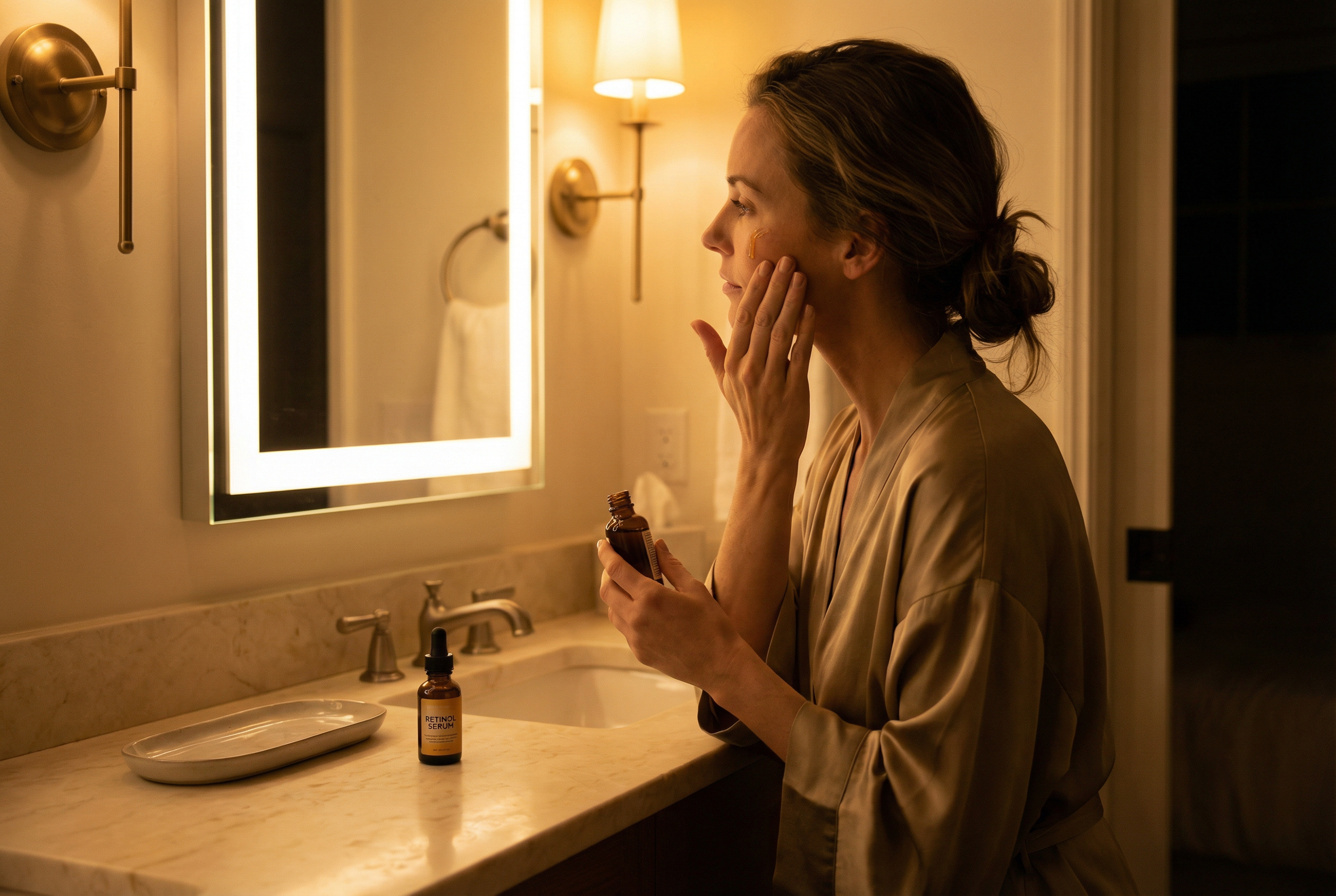
Integrating bakuchiol into your daily regimen is remarkably simple due to its gentle nature and stability. It can be found in various formulations, from serums and oils to moisturisers and masks. Here are a few tips for getting started:
- Start with a Serum: A bakuchiol serum is an excellent way to introduce the ingredient to your skin. Apply it to clean, dry skin before your moisturiser.
- Day or Night: Unlike retinol, bakuchiol is photostable, meaning it doesn't break down with sun exposure. This makes it safe to use in both your morning and evening routines. However, as always, daily sunscreen application is non-negotiable.
- Pair with Other Ingredients: Bakuchiol plays well with other skincare ingredients. It can be paired with hydrating ingredients like hyaluronic acid, brightening agents like Vitamin C, and even other actives like chemical exfoliants.
Frequently Asked Questions
Can I use Bakuchiol with Vitamin C?
Yes, you can. In fact, using bakuchiol and Vitamin C together can provide comprehensive antioxidant protection against environmental damage. It is generally recommended to use Vitamin C in the morning and bakuchiol at night, but they can be used in the same routine if your skin tolerates it.
How long does it take to see results from Bakuchiol?
As with any skincare ingredient, consistency is key. While some users may notice improvements in skin texture and hydration within a few weeks, more significant results, such as a reduction in fine lines and hyperpigmentation, are typically observed after 8 to 12 weeks of consistent use.
Is Bakuchiol safe during pregnancy?
While bakuchiol is often touted as a pregnancy-safe alternative to retinol (which is not recommended during pregnancy), it is always best to consult with your doctor or a dermatologist before introducing any new active ingredient into your skincare routine during pregnancy or while breastfeeding.
Does Bakuchiol cause purging?
Bakuchiol does not increase cell turnover in the same aggressive manner as retinol, so it is much less likely to cause the initial breakout period known as "purging." Most users find that they can incorporate bakuchiol into their routine without experiencing any irritation or acne flare-ups.