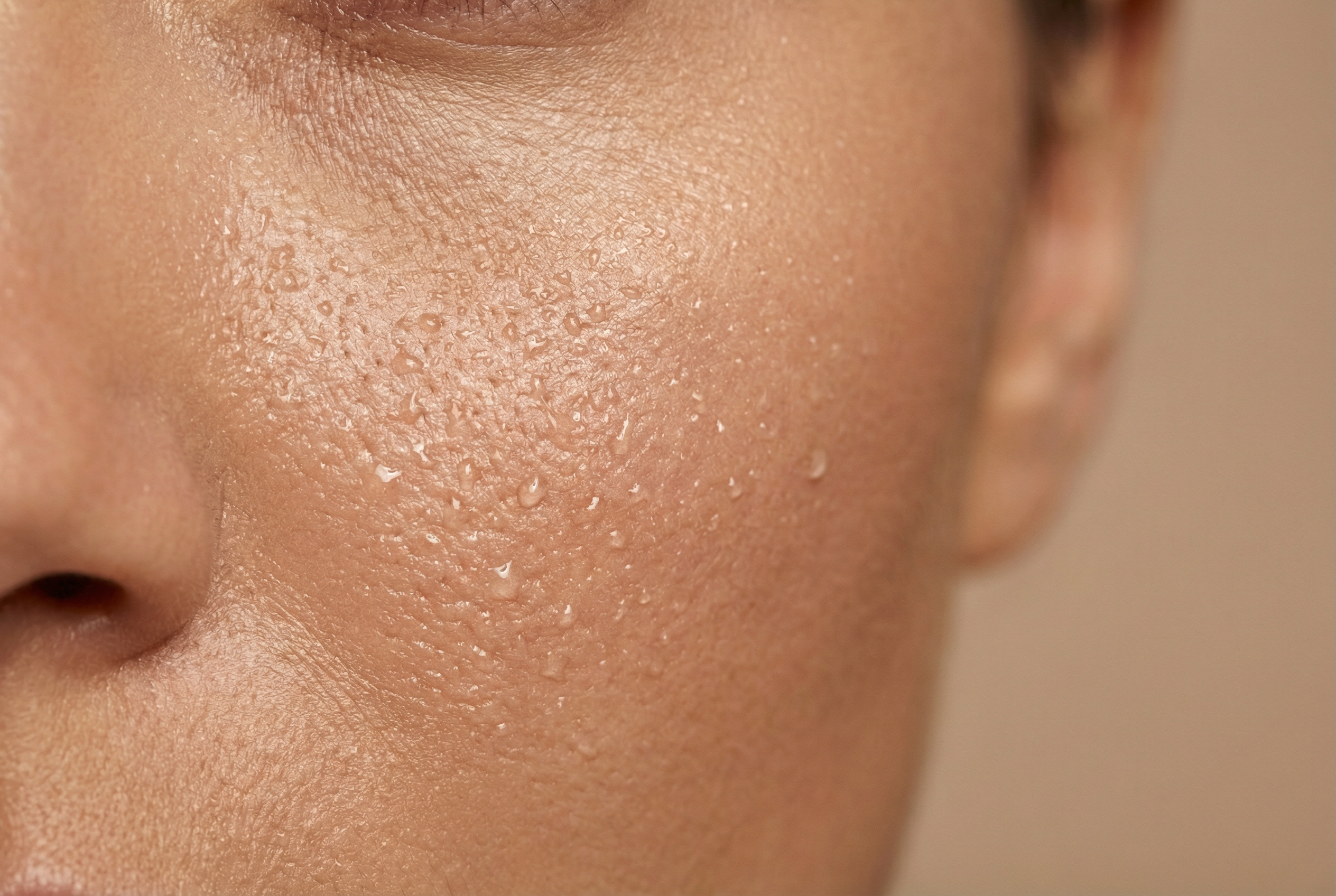
In the pursuit of a healthy, radiant complexion, we are often introduced to a myriad of ingredients, each promising remarkable results. Yet, amidst the ever-evolving landscape of skincare, some components remain timeless and fundamental to the skin's vitality. Enter ceramides, the unsung heroes of a resilient and well-hydrated skin barrier. These lipid molecules, naturally present in our skin, are the very mortar that holds our skin cells together, forming a protective shield against environmental aggressors and preventing moisture loss. As we age, our natural ceramide production declines, leading to a compromised skin barrier that can manifest as dryness, irritation, and an increased susceptibility to damage. This article will delve into the science of ceramides, exploring their crucial role in maintaining skin health and how you can effectively replenish their levels to rebuild and fortify your skin's natural defence barrier.
The Science of Skin: What Are Ceramides?
Ceramides are a class of fatty acids called lipids. They are a major component of the epidermis, the outermost layer of the skin, making up over 50% of its composition. Think of your skin as a brick wall: the skin cells are the bricks, and ceramides are the mortar that holds everything together. This structure forms the skin barrier, a protective layer that shields your body from the outside world. This barrier is crucial for two main reasons: it keeps moisture locked in, preventing dehydration, and it keeps harmful elements out, such as pollutants, toxins, and allergens. Without a sufficient amount of ceramides, the skin barrier becomes compromised, leading to a host of problems.
There are 12 different types of ceramides, each with a slightly different function. The most common ones found in skincare products are Ceramide 1 (EOS), Ceramide 3 (NP), and Ceramide 6-II (AP). These are often combined in formulations to mimic the skin's natural ceramide composition and provide comprehensive barrier repair.
The Benefits of a Ceramide-Rich Skincare Routine
Incorporating ceramides into your daily skincare regimen can have a profound impact on the health and appearance of your skin. By replenishing the skin's natural lipid barrier, ceramides offer a multitude of benefits:
- Enhanced Hydration: A strong skin barrier is essential for preventing transepidermal water loss (TEWL), the process by which water evaporates from the skin's surface. Ceramides fortify this barrier, locking in moisture and keeping your skin hydrated, plump, and supple.
- Reduced Sensitivity and Irritation: A compromised skin barrier is more susceptible to irritants and allergens, leading to redness, itching, and inflammation. By strengthening the barrier, ceramides help to calm and soothe sensitive skin, reducing the likelihood of irritation.
- Protection from Environmental Damage: Your skin is constantly exposed to environmental aggressors such as pollution, UV radiation, and harsh weather conditions. Ceramides act as a protective shield, defending your skin against these damaging elements and preventing premature ageing.
- Improved Skin Texture and Appearance: With a healthy and intact skin barrier, your skin will appear smoother, firmer, and more radiant. Fine lines and wrinkles may also be less noticeable due to the skin's improved ability to retain moisture.
| Ceramide Type | Common Name | Key Benefits |
|---|---|---|
| Ceramide 1 | Ceramide EOS | Reinforces the skin's natural barrier and helps to lock in moisture. |
| Ceramide 3 | Ceramide NP | A vital component of the skin's barrier, it helps to improve skin hydration and texture. |
| Ceramide 6-II | Ceramide AP | Acts as a gentle exfoliant, helping to slough away dead skin cells and reveal a smoother complexion. |
Choosing the Right Ceramide Products
With a growing awareness of their importance, ceramides are now found in a wide range of skincare products, from cleansers and toners to serums and moisturisers. When selecting a ceramide product, it is essential to consider your skin type and concerns. For those with dry or sensitive skin, a rich, creamy moisturiser containing a blend of ceramides, cholesterol, and fatty acids will be most beneficial. If you have oily or acne-prone skin, a lightweight lotion or serum will provide hydration without clogging pores.
It is also important to look for products that are formulated to enhance the penetration of ceramides into the skin. Ingredients such as niacinamide and hyaluronic acid can help to improve the efficacy of ceramide products. For more guidance on selecting the right product for you, see our article on how to choose a moisturiser and understanding skincare ingredients.
How to Incorporate Ceramides into Your Skincare Routine
Integrating ceramides into your daily skincare routine is a straightforward process. For optimal results, it is recommended to use ceramide-containing products both morning and night. After cleansing and toning, apply a ceramide-rich serum to deliver a concentrated dose of this essential lipid to your skin. Follow with a moisturiser to lock in the serum and provide an additional layer of hydration and protection. For those with particularly dry or compromised skin, a ceramide-infused night cream or sleeping mask can provide intensive overnight repair.
It is also worth noting that certain lifestyle factors can impact your skin's natural ceramide levels. Over-exfoliating, using harsh cleansers, and prolonged sun exposure can all deplete your skin's ceramide stores. By adopting a gentle skincare routine and protecting your skin from the sun, you can help to preserve your natural ceramide levels and maintain a healthy skin barrier. For more on building a comprehensive skincare routine, read our guide to building a skincare routine.
Frequently Asked Questions
What is the difference between natural and synthetic ceramides?
Natural ceramides are derived from plants or animals, while synthetic ceramides are created in a laboratory. Both are effective in replenishing the skin's lipid barrier, but synthetic ceramides are often preferred in skincare formulations as they are more stable and less likely to cause allergic reactions.
Can I use ceramides with other active ingredients?
Yes, ceramides are generally well-tolerated and can be used in conjunction with other active ingredients such as retinol, vitamin C, and exfoliating acids. In fact, using ceramides alongside these ingredients can help to mitigate any potential irritation and support the skin's barrier function.
How long does it take to see results from using ceramides?
While some people may notice an immediate improvement in their skin's hydration and texture, it can take several weeks of consistent use to see the full benefits of using ceramides. This is because it takes time for the skin to rebuild its natural barrier and replenish its ceramide stores.
Are there any side effects to using ceramides?
Ceramides are a natural component of the skin and are therefore very unlikely to cause any adverse reactions. They are suitable for all skin types, including sensitive and acne-prone skin. However, as with any new skincare product, it is always advisable to perform a patch test before incorporating it into your routine.