Cleopatra VII, the last active ruler of the Ptolemaic Kingdom of Egypt, has captivated the human imagination for over two millennia. Her name is synonymous not just with political power and drama, but with an almost mythical standard of beauty and allure. Her legend, woven from historical accounts, Roman propaganda, and centuries of artistic interpretation, presents a figure who wielded her appearance as a tool of statecraft and personal power. Yet, the story of Cleopatra's beauty is not hers alone; it is deeply rooted in the sophisticated and spiritually significant aesthetic culture of ancient Egypt. For the Egyptians, beauty was not a matter of vanity but a reflection of holiness, status, and inner harmony—a concept they called nefer. This article journeys back in time to the court of Cleopatra and beyond, delving into the sophisticated and spiritually significant aesthetic culture of ancient Egypt. We will explore the celebrated beauty rituals attributed to the last queen of the Nile, examining the surprising science behind her practices. More than just a historical account, this is an investigation into a holistic philosophy where beauty, divinity, and power were inextricably linked. We will uncover how these ancient secrets have survived the sands of time, influencing the products in our bathroom cabinets and the ideals we see in modern media, proving that the foundations of our beauty routines were laid thousands of years ago on the fertile banks of the Nile.
The Philosophy of Beauty in Ancient Egypt
In the arid, sun-drenched landscape of ancient Egypt, appearance was imbued with profound meaning. The pursuit of beauty, or nefer, was a central tenet of life, signifying not only physical attractiveness but also goodness, perfection, and the divine order. It was a holistic concept that connected a pleasing appearance with a virtuous character and a harmonious existence. This philosophy permeated every level of society, from the pharaohs, who were considered living gods, down to the common labourers. To be beautiful was to be in favour with the gods and to reflect the perfection of the cosmos. This connection was personified by deities such as Hathor, the goddess of love, beauty, music, and joy, who was often depicted as a beautiful woman or a cow. Worshipping Hathor was intertwined with the pursuit of beauty, and cosmetic tools like mirrors and palettes were frequently inscribed with her image, transforming the daily beauty routine into an act of worship.
Central to the Egyptian concept of beauty was an emphasis on cleanliness and purity. The hot climate and dusty environment necessitated rigorous hygiene practices. Daily washing was common, and the wealthy often had dedicated bathing rooms in their homes. However, cleanliness was more than a practical necessity; it was a prerequisite for spiritual purity. Priests, for instance, were required to shave their entire bodies and wash several times a day to be considered pure enough to enter the sacred precincts of a temple. This belief that physical cleanliness mirrored spiritual purity was a cornerstone of their daily life and, by extension, their beauty rituals.
Cosmetics were an integral part of this culture, used by both men and women across all social strata. The iconic, heavily lined eyes seen in Egyptian art were not merely a fashion statement. Egyptians believed that applying kohl eyeliner and colourful eyeshadows offered spiritual protection, warding off the 'evil eye' and invoking the protective power of deities like Horus and Ra. Beyond the spiritual, these cosmetics had practical benefits, with the dark kohl helping to reduce the harsh glare of the desert sun and acting as a fly repellent. The application of makeup was a daily ritual, a moment of transformation where an individual could enhance their features to present their most ideal self to the world and the gods.
The Royal Regimen: Cleopatra's Daily Rituals
While many tales of Cleopatra's routine are embellished by time, the core practices attributed to her are deeply rooted in the rich tradition of Egyptian cosmetology. These rituals were a testament to her status and her understanding of the potent natural resources available to her kingdom.
The Legendary Milk and Honey Bath
Perhaps the most famous of all Cleopatra's reputed beauty secrets is her daily bath in the milk of donkeys. Roman historian Pliny the Elder wrote that she kept herds of up to 700 donkeys to supply the milk for her daily indulgence. While the scale may be exaggerated, the science behind the practice is sound. Donkey milk is rich in lactic acid, a natural alpha-hydroxy acid (AHA). AHAs are prized in modern dermatology for their ability to gently dissolve the proteins that bind dead skin cells, revealing the smoother, brighter skin underneath. This process of chemical exfoliation would have left her skin exceptionally soft and luminous.
Complementing the milk was often honey, another cornerstone of ancient Egyptian skincare. Honey is a powerful natural humectant, meaning it attracts and retains moisture, making it an excellent moisturiser. Furthermore, its potent antibacterial and anti-inflammatory properties would have helped to keep the skin clear, calm, and free from blemishes. A bath combining milk and honey was not just an act of supreme luxury; it was a sophisticated, full-body skin treatment that cleansed, exfoliated, and hydrated in a single step. The ritual itself was a statement of power; the resources required to procure and transport such vast quantities of milk were a clear indicator of her immense wealth and influence. It was a performance of status as much as it was a beauty treatment, reinforcing her divine-like persona in the minds of her people and foreign dignitaries.
!A serene depiction of a milk bath with honey and flower petals, evoking ancient luxury.
Skin, Scent, and Radiance
In the dry Egyptian climate, keeping the skin moisturised and protected was a primary concern. The Egyptians were masters of using oils and unguents, not just for hydration but also for cleansing and perfuming the body.
Oils and Unguents: A variety of plant-based oils were essential to the daily regimen. Castor oil, sesame oil, and moringa oil were popular choices. These oils were used to cleanse the skin in a method similar to modern oil cleansing, lifting away dirt and impurities without stripping the skin's natural barrier. They were also slathered on the body after bathing to lock in moisture and impart a healthy sheen. For the elite, these oils were often infused with expensive floral and spice fragrances, such as lily, myrrh, and frankincense, turning the act of moisturising into an elaborate perfuming ritual.
Natural Exfoliation: Beyond the gentle exfoliation of her milk baths, physical scrubs were also employed. Salts harvested from the Dead Sea were particularly prized. Rich in a unique combination of minerals like magnesium, calcium, and potassium, these salts were used to scrub the body, sloughing off dead skin and promoting detoxification. This practice not only left the skin smooth but also helped to soothe muscle aches and pains.
Masks and Treatments
Facial treatments were another key component of the elite Egyptian beauty routine. Clay masks, likely using bentonite clay sourced from the Nile, were used to draw out impurities, tighten pores, and purify the skin. For a more hydrating and soothing treatment, a mask of honey and milk could be applied directly to the face.
The most decadent of all facial treatments attributed to Cleopatra is the use of a solid gold mask. It is said that she slept with a golden mask on her face every night to preserve her youthful complexion. While the historical evidence for this is scant, the concept speaks to the Egyptian association of gold with the gods and eternity. In modern luxury skincare, colloidal gold is sometimes used with the claim that it has anti-inflammatory properties and can help to give the skin a radiant glow, a fascinating echo of this ancient legend.
The Alluring Gaze: The Eyes of an Egyptian Queen
The most defining feature of ancient Egyptian makeup is undoubtedly the dramatic and alluring eye. The dark, almond-shaped liner is an instantly recognisable symbol of Egyptian beauty, a style that was perfected and popularised by royalty like Cleopatra.
The Iconography of Kohl
The signature Egyptian eye was created with kohl, a dark powder that was mixed with a liquid (often water or oil) to form a paste. This was then applied around the entire eye with a small stick, extending outwards in a distinctive line towards the temple. This was far more than a cosmetic choice; it was a practice steeped in symbolism and practicality.
Spiritually, the Egyptians believed the eyes were the windows to the soul, and lining them with kohl was thought to provide protection against the malevolent power of the 'evil eye'. The cosmetic line was also an invocation of the divine, emulating the falcon-like markings around the eyes of the sky god Horus. Practically, the dark pigment helped to deflect the intense glare of the desert sun, much like modern sunglasses. Furthermore, recent scientific analysis of ancient kohl containers has revealed that they were not just simple pigments. The kohl was intentionally manufactured to contain lead salts (laurionite and phosgenite) in low concentrations. Researchers believe that when applied to the skin, these lead compounds would have stimulated the production of nitric oxide, a chemical that boosts the immune system and helps to prevent and fight off the bacterial eye infections that were common in the Nile region. This dramatic look was not just about making a statement; it was a form of ancient preventative medicine. The application itself was a ritual. The kohl was stored in ornate containers made from calcite or stone, and the applicator stick, often made of wood, bronze, or ivory, was a treasured personal item. The process of grinding the minerals, mixing the paste, and carefully applying the liner was a moment of daily focus and transformation, a ritual that connected the wearer to a long line of tradition and divine protection. The bold use of pigment to define and accentuate features is a timeless technique, and one can see a clear line from the kohl-rimmed eyes of Egypt to the power of a classic, bold red lip in modern beauty history.
!A close-up of an Egyptian-style eye with dramatic kohl liner and green eyeshadow.
Eyeshadow and Colour
Colour was not limited to the dark lines of kohl. The Egyptians were masters of mineral pigments, and they used vibrant eyeshadows to adorn their eyelids. The most popular colour was green, made from finely ground malachite, a copper carbonate mineral. Green was a symbol of fertility, rebirth, and the life-giving power of the Nile, and wearing it on the eyes was thought to bring good health and new life. Another prized pigment was a deep blue, derived from crushed lapis lazuli, a semi-precious stone that had to be imported from as far away as modern-day Afghanistan, making it a true luxury item. These colourful powders were mixed with a base of animal fat or oil to create a cream eyeshadow that could be applied to the lids, often up to the brow bone, creating a look of vibrant, multi-tonal beauty.
From Nature's Palette: Colour and Cosmetics
Beyond the dramatic eyes, the Egyptian cosmetic art extended to creating a flawless complexion and adding touches of colour to the face, hair, and nails, using a palette derived entirely from natural sources.
The Complexion: Foundation and Blush
Creating a smooth, even-toned canvas was the first step. While modern foundations were unknown, Egyptians used mineral powders to create a more uniform skin tone. To add a healthy, youthful flush, they used red ochre, a natural clay pigment rich in iron oxide. This was ground into a fine powder and mixed with a base of oil, fat, or resin to create a cream-like stain. This versatile product was applied to the cheeks as a blush and was also one of the earliest forms of lipstick, giving the lips a vibrant, reddish tint. The goal was not to contour or dramatically reshape the face, but to impart a look of radiant health and vitality.
Hair and Wigs
Hair was another important element of an individual's appearance and status. While short hair was common for practical reasons (to keep cool and to prevent lice), elaborate hairstyles were a mark of beauty and social standing. For those who could afford it, wigs were extremely popular among both men and women. Made from human hair, and sometimes supplemented with plant fibres, wigs could be styled into intricate braids, curls, and arrangements that would have been impossible to achieve with natural hair. They were not just a fashion accessory but also a sign of social rank and a practical solution for hygiene.
To care for their natural hair and wigs, Egyptians used oils like almond and castor oil as deep conditioners to add shine and softness. To add colour, henna was widely used. This plant-based dye would impart a rich, reddish-brown hue to the hair and was also used to stain the nails on the hands and feet, a practice that continues in many parts of the world today. Adornments such as beads, flowers, and jewelled pins were often woven into hairstyles, adding a final touch of elegance. The complexity of a wig often denoted the wearer's position in the social hierarchy. A simple labourer might wear a basic cap of woven fibres, while a high-ranking noble or royal family member would possess multiple wigs of the highest quality, featuring elaborate patterns and precious adornments. The process of creating and maintaining these wigs was a specialised craft, undertaken by skilled artisans.
!An ornate ancient Egyptian wig, intricately braided and adorned with golden beads.
The Body Beautiful: Fitness, Adornment, and Diet
The Egyptian pursuit of beauty was not confined to the face. The ideal physique, as depicted in their art, was youthful, slender, and athletic for both men and women. This ideal was maintained through a combination of diet, activity, and extensive bodily adornment.
Fitness and a Toned Physique
Life on the Nile necessitated a degree of physical fitness. Activities like swimming in the river, dancing at festivals, and engaging in sports were common. Art from the period shows Egyptians engaged in activities like gymnastics, weightlifting (with bags of sand), and even a form of synchronised swimming. For the elite, maintaining a trim and toned body was a sign of discipline and status, a physical manifestation of the order and balance they sought to embody.
The Language of Jewellery
Jewellery was a fundamental part of the Egyptian identity, worn by all members of society, from the pharaoh to the farmer. It was far more than simple decoration; it was a language of status, a shield of protection, and a connection to the divine. The materials themselves were imbued with meaning: gold was believed to be the flesh of the gods, eternal and indestructible; lapis lazuli, with its deep celestial blue, represented the heavens; carnelian's reddish hue was associated with life and energy; and turquoise was linked to fertility and rebirth.
Elaborate, heavy collars known as wesekh collars, made from rows of beads, flowers, and precious metals, were a prominent feature of elite attire. Bracelets, anklets, armbands, and rings were worn in abundance. Many pieces of jewellery also served as amulets, offering magical protection to the wearer. The ankh (symbol of life), the scarab beetle (symbol of rebirth), and the Eye of Horus were powerful protective symbols incorporated into countless designs. For the Egyptians, to be adorned with jewellery was to be armoured, blessed, and beautified all at once.
Tattoos and Body Art
Evidence also suggests that tattooing was practiced in ancient Egypt, particularly among women. Mummies dating back to the Middle Kingdom have been found with intricate patterns of dots and dashes tattooed on their abdomens, thighs, and breasts. These were not random decorations; scholars believe they were likely related to fertility and childbirth, serving as a form of permanent amulet to protect the woman during pregnancy and labour. This practice reveals another layer of the Egyptian approach to beauty, where the body itself could become a permanent canvas for sacred and protective art.
Diet for Vitality
The foundation of Egyptian health and beauty was their diet. Based on the fertile bounty of the Nile, the typical diet consisted of bread and beer (the two staples of their economy and calorie intake), supplemented with a rich variety of vegetables like onions, garlic, and lettuce, legumes such as lentils and chickpeas, and fish from the river. While the elite had access to a wider range of foods, including meat and imported delicacies, this carbohydrate-rich diet provided the energy needed for daily life. They understood that what one consumed had a direct impact on one's outer vitality, another aspect of their truly holistic approach to well-being.
Ancient Ingredients vs. Modern Formulations
The principles of beauty established in ancient Egypt show a remarkable continuity with our modern practices. While the technology has evolved, the fundamental goals—to cleanse, protect, exfoliate, and beautify—remain the same. The following table compares some of the key ingredients of Cleopatra's era with their sophisticated modern counterparts.
| Ancient Ingredient | Primary Purpose | Modern Counterpart | Active Compound/Benefit | |
|---|---|---|---|---|
| Donkey Milk | Exfoliation, Hydration | Alpha-Hydroxy Acids (AHAs) | Lactic Acid: Gently dissolves dead skin cells, brightens skin. | |
| Kohl (Galena) | Eyeliner, Eye Protection | Pencil/Gel Eyeliner | Carbon & Iron Oxides: Provides intense, long-lasting pigment. | |
| Honey | Moisturising, Antibacterial | Hyaluronic Acid, Niacinamide | Humectants & Anti-inflammatories: Hydrates skin, calms redness. | |
| Red Ochre | Cheek & Lip Stain | Powder Blush, Lipstick | Synthetic Pigments & Dyes | Provides a wide range of stable, safe colours. |
| Malachite Powder | Green Eyeshadow | Pressed Powder Eyeshadow | Mica, Talc & Pigments: Creates a smooth, blendable, and vibrant colour application. | |
| Dead Sea Salt | Body Scrub, Exfoliation | Body Scrubs (Sugar/Salt) | Physical Exfoliants: Mechanically remove dead skin cells for smoothness. | |
| Castor & Moringa Oil | Moisturiser, Cleanser | Squalane, Jojoba Oil | Emollients & Occlusives: Mimic skin's natural sebum, lock in moisture. |
This comparison highlights how ancient wisdom laid the groundwork for modern cosmetic science. The Egyptians, through careful observation and use of natural resources, developed a highly effective and sophisticated beauty culture whose principles are still validated and refined by science today.
The Enduring Legacy of Egyptian Aesthetics
The allure of ancient Egyptian beauty has not faded with the passage of millennia. Instead, it has become a permanent fixture in our collective cultural consciousness, continually rediscovered and reinterpreted by new generations. The aesthetic pioneered in the age of the pharaohs has had a profound and lasting influence on global beauty standards, fashion, and art.
The most direct legacy is the iconic "cat-eye" look. The dramatic, winged eyeliner that defined the gaze of Cleopatra and Nefertiti experienced a major revival in the 20th century, popularised by Hollywood epics and film stars like Elizabeth Taylor and Theda Bara. Today, it remains a staple of makeup artistry, a go-to look for glamour, drama, and sophistication. Every time a makeup artist creates a sharp, dark wing of eyeliner, they are paying homage to a tradition that began on the banks of the Nile over 4,000 years ago.
Furthermore, the modern wellness and "clean beauty" movements echo the Egyptian emphasis on natural ingredients. The fascination with botanical oils, honey-infused masks, clay treatments, and mineral-rich salt scrubs is a direct continuation of the ancient Egyptian pharmacopoeia. Consumers are increasingly drawn to products that champion the same ingredients that were prized by Cleopatra, valuing their perceived purity and efficacy. This return to nature is not a new trend, but a rediscovery of a philosophy that sees beauty and nature as inextricably linked, a core belief in many ancient beauty practices from around the globe. The modern trend of "slugging," where an occlusive layer is applied to the skin overnight to lock in moisture, is a direct descendant of the Egyptian practice of slathering the body in oils to protect it from the dry air. Similarly, the reverence for a sun-kissed, radiant complexion, often achieved today with bronzers and highlighters, mirrors the Egyptian desire for a glowing appearance that signified health and vitality.
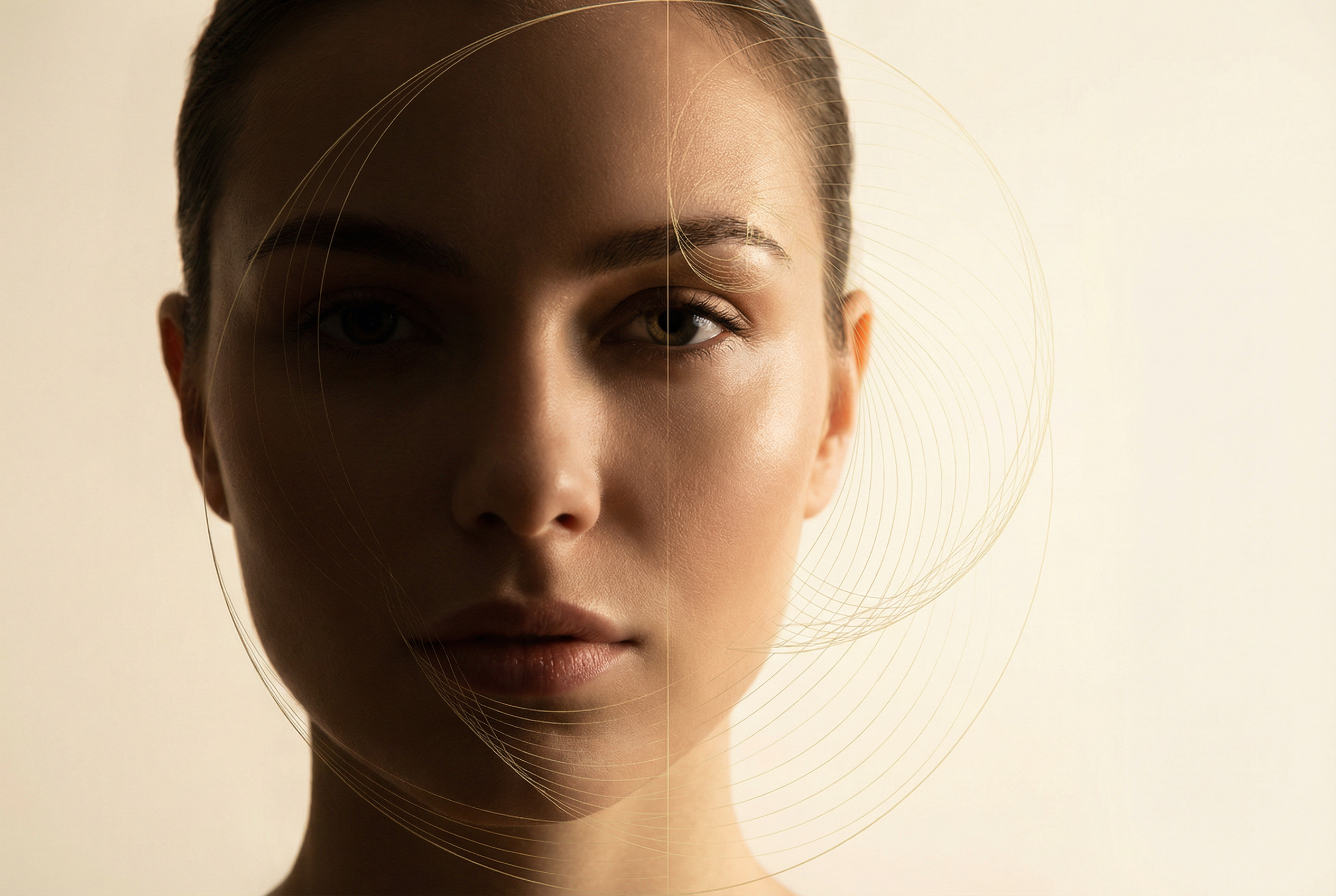
Beyond specific products or styles, the Egyptian worldview infused beauty with a deeper meaning. The act of adornment was a ritual, a way of connecting with the divine and striving for an ideal of perfection. This idea that beauty can be a form of self-expression and a pursuit of a higher, almost mathematical harmony resonates with timeless concepts, including the Western ideal of the Golden Ratio’s role in perceived attractiveness. The legacy of Cleopatra is not just in her milk baths or kohl-lined eyes; it is in the enduring idea that beauty is a powerful and meaningful form of human expression.
Frequently Asked Questions
Did Cleopatra really bathe in donkey milk?
While it is impossible to confirm with absolute certainty, historical accounts from Roman writers like Pliny the Elder claim she did. Given the known benefits of lactic acid in milk for the skin, it is a plausible practice for a queen renowned for her beauty and access to immense resources. The number of 700 donkeys is likely an exaggeration to emphasize her extravagance.
Was ancient Egyptian makeup safe?
It was a mixed bag. On one hand, recent research suggests that the lead-based compounds in their kohl eyeliner may have had an antibacterial effect that protected against eye infections. On the other hand, we now know that lead is a toxic heavy metal. Prolonged use could have led to chronic health issues. The use of natural pigments like red ochre and malachite was generally safer than some of the heavy metal concoctions.
What did the ancient Egyptians use for anti-ageing?
Their primary anti-ageing strategy was protection and hydration. The use of oils like castor and moringa oil would have kept the skin moisturised and supple, preventing premature lines caused by the dry climate. They also used ingredients rich in antioxidants, such as honey. The legend of Cleopatra’s gold mask, while likely symbolic, points to a desire to preserve youthfulness, a goal shared by modern anti-ageing skincare.
Did only women wear makeup in ancient Egypt?
No, makeup was worn by both men and women across all social classes. The dramatic kohl eyeliner and eyeshadow were used by everyone. For men, it was less about beautification in the modern sense and more about status, power, and spiritual protection. It demonstrated that they were of a certain standing and had the resources to afford cosmetics.
What is the most significant beauty lesson from the ancient Egyptians?
Perhaps the most significant lesson is their holistic approach. Beauty was not just skin deep; it was connected to hygiene, health, spirituality, and personal power. They understood the value of natural ingredients and created rituals that were both effective and meaningful. Their legacy teaches us that a comprehensive beauty routine should nourish the body and the spirit.
How did Egyptians make their perfume?
Egyptians were master perfumers. They used a process similar to modern enfleurage, where they would steep fragrant flowers, herbs, and spices (like lily, myrrh, and frankincense) in a base of fat or oil. The fat would absorb the scent, creating a solid or semi-solid perfumed unguent that could be applied to the skin and hair. These perfumes were highly prized and were a major luxury export.
Did Cleopatra use soap?
Soap as we know it today (made through the saponification of fats and an alkali) was not used by the ancient Egyptians. Their primary method of cleansing was using oils. They would rub oil onto their skin, which would dissolve dirt and impurities, and then scrape it off with a tool called a strigil. This was often followed by a scrub with natron or Dead Sea salts for a deeper clean.
Conclusion
The beauty secrets of Cleopatra and ancient Egypt represent a remarkable fusion of nature, science, and symbolism. Far from being simple, primitive cosmetics, their rituals were sophisticated practices developed over centuries to protect and adorn the body in a harsh climate while also serving a deep spiritual purpose. From the exfoliating properties of a milk bath to the immune-boosting qualities of kohl eyeliner, their methods show a profound, intuitive understanding of chemistry and dermatology.
Cleopatra’s enduring legend is a testament to this powerful legacy. She was the ultimate icon of a culture that revered beauty not as a fleeting vanity, but as an essential expression of life, divinity, and order. The ingredients, techniques, and philosophies that she championed have survived for millennia, echoing in the products we use and the ideals we pursue today. The timeless quest for radiance, the power of a well-defined eye, and the luxury of a fragrant oil are all threads that connect our modern world directly to the golden age of the pharaohs, proving that the most potent beauty secrets are truly ancient.