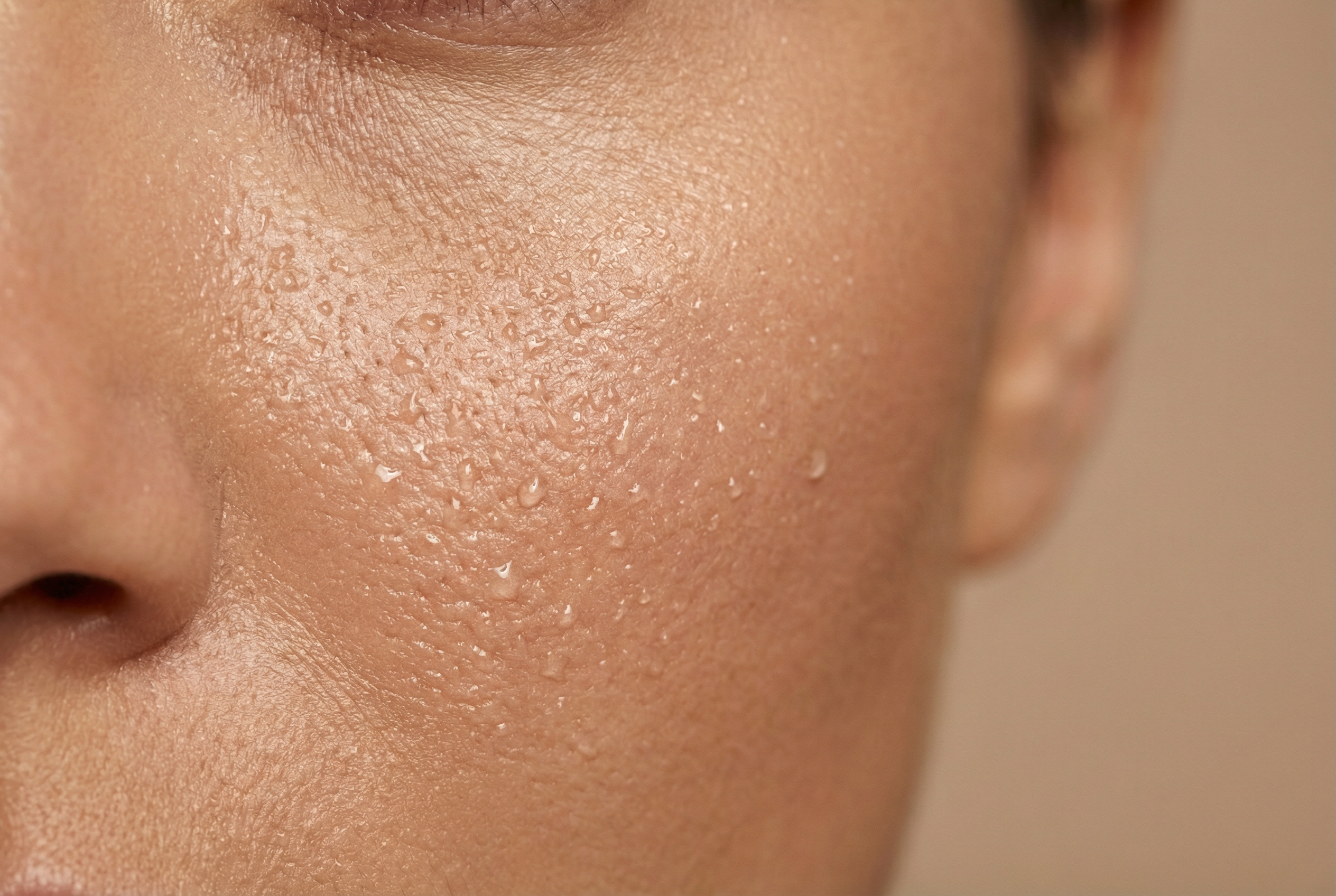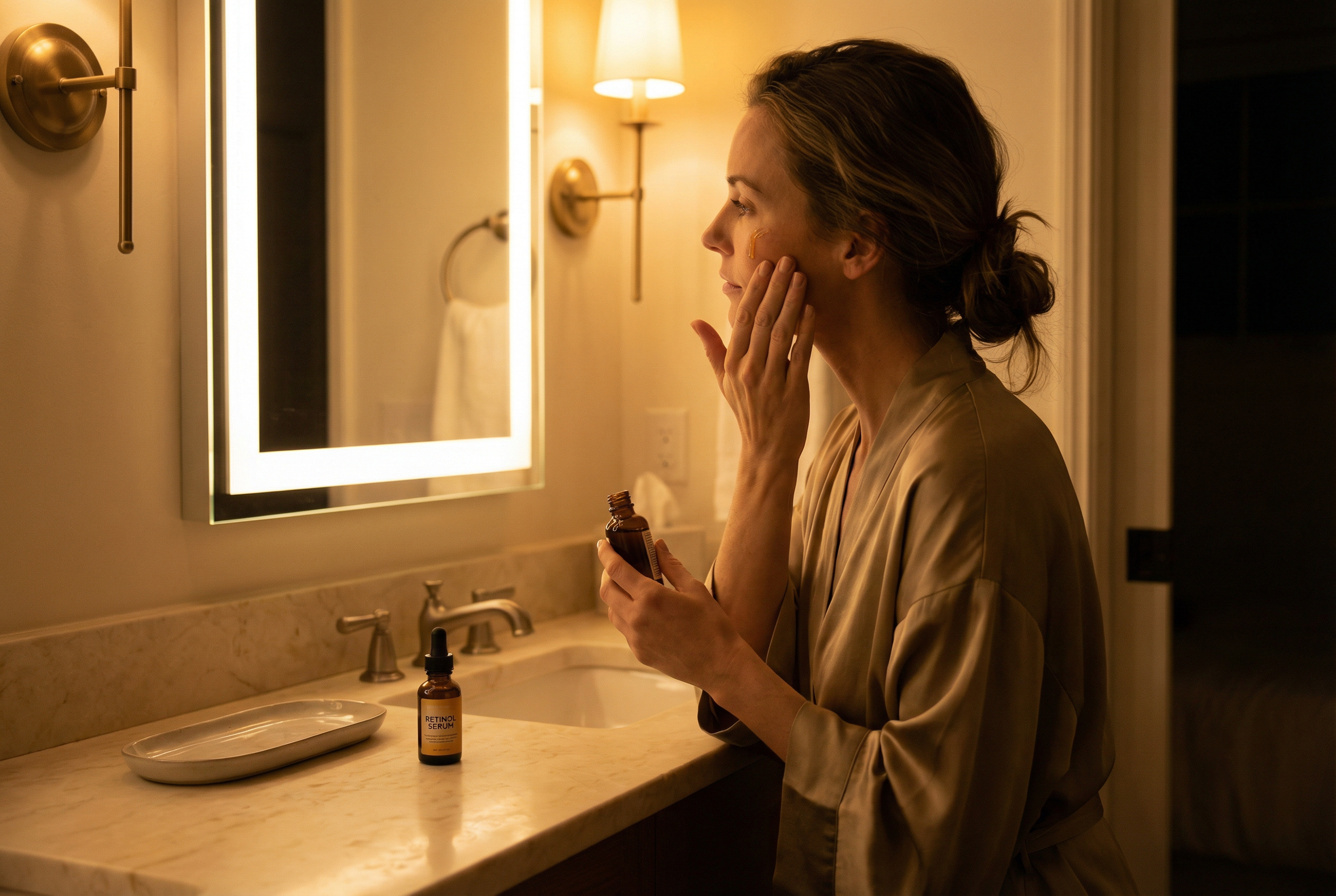
In an age where our lives are intrinsically linked to digital screens, from the first morning scroll to the last evening binge-watch, it's no surprise that our skin is paying the price. We diligently apply sunscreen to protect against the sun's harmful UV rays, but what about the light emanating from our constant companions – our smartphones, laptops, and tablets? This is where the conversation around blue light and its impact on skin health begins. As we spend more time in front of screens, understanding the potential effects of blue light is crucial for maintaining a healthy, youthful complexion.
What is Blue Light and Where Does It Come From?
Blue light, also known as High Energy Visible (HEV) light, is a high-frequency, short-wavelength light in the violet-blue band of the visible light spectrum. The sun is the primary source of blue light, but it's also emitted by our everyday electronic devices, including smartphones, tablets, laptops, and LED televisions. While the amount of blue light from these devices is a fraction of that from the sun, the proximity and duration of our exposure are what raise concerns among dermatologists and skincare experts.
The Unseen Impact: How Blue Light Affects Your Skin
While the research is still evolving, studies suggest that prolonged exposure to blue light can have several negative consequences for your skin. Unlike UV rays that are known to cause sunburn and skin cancer, blue light penetrates the skin more deeply, potentially causing damage at a cellular level.
- Premature Aging: Blue light has been shown to induce oxidative stress in the skin, leading to the formation of free radicals. These unstable molecules break down collagen and elastin, the proteins that keep our skin firm and youthful, resulting in fine lines, wrinkles, and sagging.
- Hyperpigmentation: Studies have indicated that blue light can trigger or worsen hyperpigmentation, including melasma and age spots, particularly in individuals with darker skin tones. This is because blue light stimulates the production of melanin, the pigment that gives skin its colour.
- Inflammation: Blue light exposure can also lead to inflammation and redness in the skin, compromising the skin's natural barrier function and leaving it more susceptible to damage.
Beyond the Screen: The Surprising Therapeutic Uses of Blue Light
Interestingly, blue light isn't all bad. In controlled, clinical settings, dermatologists have harnessed the power of blue light for various therapeutic purposes. It has been effectively used to:
- Treat Acne: Blue light therapy can kill the acne-causing bacteria Propionibacterium acnes on the skin's surface, reducing inflammation and clearing up breakouts.
- Address Precancerous Lesions: Photodynamic therapy, which often utilizes blue light, is a treatment for actinic keratosis, a common precancerous skin condition.
- Manage Psoriasis: Blue light therapy has also shown promise in reducing the redness and scaling associated with mild to moderate psoriasis.
Your Digital Shield: How to Protect Your Skin from Blue Light
While we can't completely avoid blue light in our modern lives, there are several steps you can take to minimize its potential damage:
| Protection Method | Description |
|---|---|
| Mineral Sunscreen | Look for sunscreens containing zinc oxide or titanium dioxide. These ingredients create a physical barrier on the skin that reflects blue light. |
| Antioxidant Serums | Incorporate a serum rich in antioxidants like vitamin C, vitamin E, and ferulic acid into your daily routine. These ingredients help to neutralize free radicals and protect your skin from oxidative stress. |
| Limit Screen Time | While not always possible, reducing your screen time, especially before bed, can make a difference. |
| Enable Night Mode | Most devices have a 'night mode' or 'blue light filter' setting that reduces the amount of blue light emitted from the screen. |
Frequently Asked Questions
Does blue light from screens cause skin cancer?
Currently, there is no scientific evidence to suggest that blue light from electronic devices causes skin cancer. However, the long-term effects are still being studied.
Is blue light as damaging as UV rays?
UV rays are more damaging to the skin and are a known carcinogen. However, blue light penetrates the skin more deeply than UVA and UVB rays, and its cumulative effects over time are a growing concern for skin health.
Can I reverse the effects of blue light on my skin?
While you can't completely reverse the damage, a consistent skincare routine that includes antioxidants and sunscreen can help to repair and protect the skin. In-office treatments like chemical peels and laser therapy can also address concerns like hyperpigmentation and fine lines.
Are there any in-office treatments that can help?
Yes, treatments such as chemical peels, microneedling, and certain laser treatments can help to address the signs of premature aging and hyperpigmentation that may be exacerbated by blue light exposure. Consult with a qualified dermatologist to determine the best course of treatment for your skin concerns.