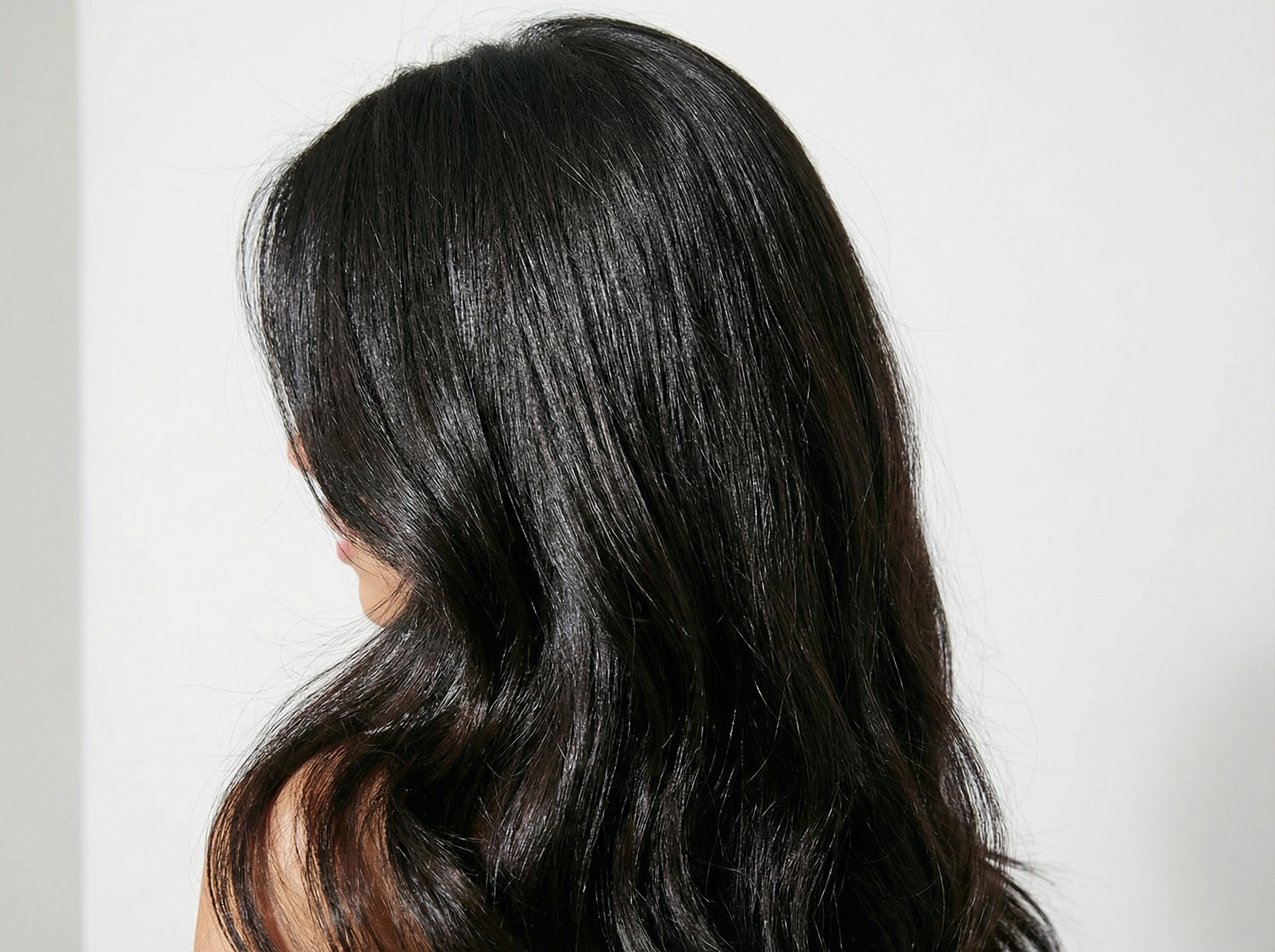
For those who covet an extra ten minutes in bed, or wish to extend the life of a perfect blow-dry, dry shampoo often feels like a modern miracle. This convenient spray or powder has become a staple in beauty arsenals worldwide, promising to refresh and revitalise hair without a single drop of water. But beyond the convenience, what is the science that allows this product to so effectively banish grease and restore volume? This article delves into the chemistry behind dry shampoo, exploring how it works, its benefits and drawbacks, and how to use it to achieve flawless second-day hair.
The Anatomy of Greasy Hair: Understanding Sebum
To understand how dry shampoo works, we first need to understand why our hair gets greasy. Our scalps are covered in hair follicles, and connected to these are sebaceous glands. These glands produce a natural oil called sebum, which plays a vital role in moisturising the scalp and protecting our hair from environmental damage. However, when sebum is overproduced, or when it mixes with sweat and pollutants, it can build up on the hair and scalp, leading to that familiar greasy, limp appearance. For more on managing oily hair, see our guide on How to Improve Greasy Hair.
How Dry Shampoo Works: The Magic of Absorption
Dry shampoo’s effectiveness lies in its ability to absorb this excess sebum. The active ingredients in most dry shampoos are powerful absorbents, such as starches (from corn or rice) or minerals (like kaolin clay or aluminium starch octenylsuccinate). These ingredients are incredibly porous, allowing them to soak up oil and impurities from the hair and scalp. When you spray or sprinkle dry shampoo onto your roots and massage it in, these particles get to work, trapping the grease and leaving your hair looking and feeling cleaner and more voluminous.
The Great Debate: Aerosol vs. Powder
Dry shampoos are most commonly found in two forms: aerosol sprays and loose powders. While both are effective at absorbing oil, they offer different experiences and benefits.
| Feature | Aerosol Dry Shampoo | Powder Dry Shampoo |
|---|---|---|
| Application | Delivers a fine, even mist for quick and widespread coverage. | Allows for a more targeted application, which can be beneficial for particularly oily areas. |
| Convenience | Ideal for on-the-go use and quick touch-ups throughout the day. | Can be slightly messier to apply, but offers more control over the amount of product used. |
| Volume | Often provides a significant boost in volume and texture, making it a great styling product. | Adds texture and some volume, but may not be as volumising as aerosol formulas. |
| Ingredients | May contain propellants like butane and propane, which some people prefer to avoid. | Typically formulated with natural starches and clays, making them a popular choice for those seeking a more natural product. |
| Best For | All hair types, especially fine hair that needs a volume boost. | Oily hair types, and those who prefer natural ingredients or have sensitivities to aerosols. |
Ultimately, the best choice for you will depend on your hair type, lifestyle, and personal preferences. You may even find that you like to have both on hand for different situations.
More Than Just a Quick Fix: The Benefits of Dry Shampoo
The most obvious benefit of dry shampoo is its ability to save time and extend the life of your hairstyle. But the advantages don’t stop there. By reducing the frequency of wet washing and heat styling, you can protect your hair from damage, helping to preserve its natural moisture and prevent breakage. This is especially beneficial for those with damaged hair. Dry shampoo is also a fantastic styling product, adding volume and texture to your hair to create a fuller, more voluminous look. For those with coloured hair, using dry shampoo can also help to prolong the vibrancy of your colour by reducing the fading that can occur with frequent washing.
The Downsides: Potential Pitfalls of Overuse
While dry shampoo is a valuable tool, it’s important to use it in moderation. Over-reliance on dry shampoo can lead to product buildup on the scalp, which can clog hair follicles and potentially lead to scalp irritation, itchiness, and even breakouts. It’s also important to remember that dry shampoo doesn’t actually clean your hair; it simply absorbs oil. Therefore, it’s not a substitute for regular washing with water and a traditional shampoo, which is necessary to remove dirt, bacteria, and dead skin cells from the scalp.
How to Use Dry Shampoo Like a Pro
To achieve the best results from your dry shampoo and avoid any tell-tale white residue, follow these simple steps:
1. Shake it up: If you're using an aerosol, shake the can well to ensure the ingredients are properly mixed.
2. Section and spray: Part your hair into sections and spray the dry shampoo onto the roots from a distance of about 6-8 inches. This ensures even distribution and prevents product buildup in one area.
3. Let it sit: Allow the product to sit for a minute or two to give it time to absorb the excess oil.
4. Massage and distribute: Use your fingertips to massage the product into your scalp. This will help to distribute the product evenly and ensure that it's not visible.
5. Brush it out: Brush your hair thoroughly to remove any excess product and to help distribute it from root to tip. This will also help to add volume and texture to your hair.
Frequently Asked Questions
Is dry shampoo bad for your hair?
When used correctly and in moderation, dry shampoo is not bad for your hair. However, overusing it can lead to product buildup and scalp irritation. It’s important to still wash your hair regularly to keep your scalp clean and healthy.
Can you use dry shampoo on clean hair?
Yes, you can. Applying a small amount of dry shampoo to clean, dry hair can add texture and grip, making it easier to style. This is a great trick for creating updos or braids that need a little extra hold.
How often can I use dry shampoo?
It’s best to use dry shampoo for no more than two consecutive days. After that, it’s important to wash your hair with a traditional shampoo and water to remove any product buildup and to properly cleanse your scalp.