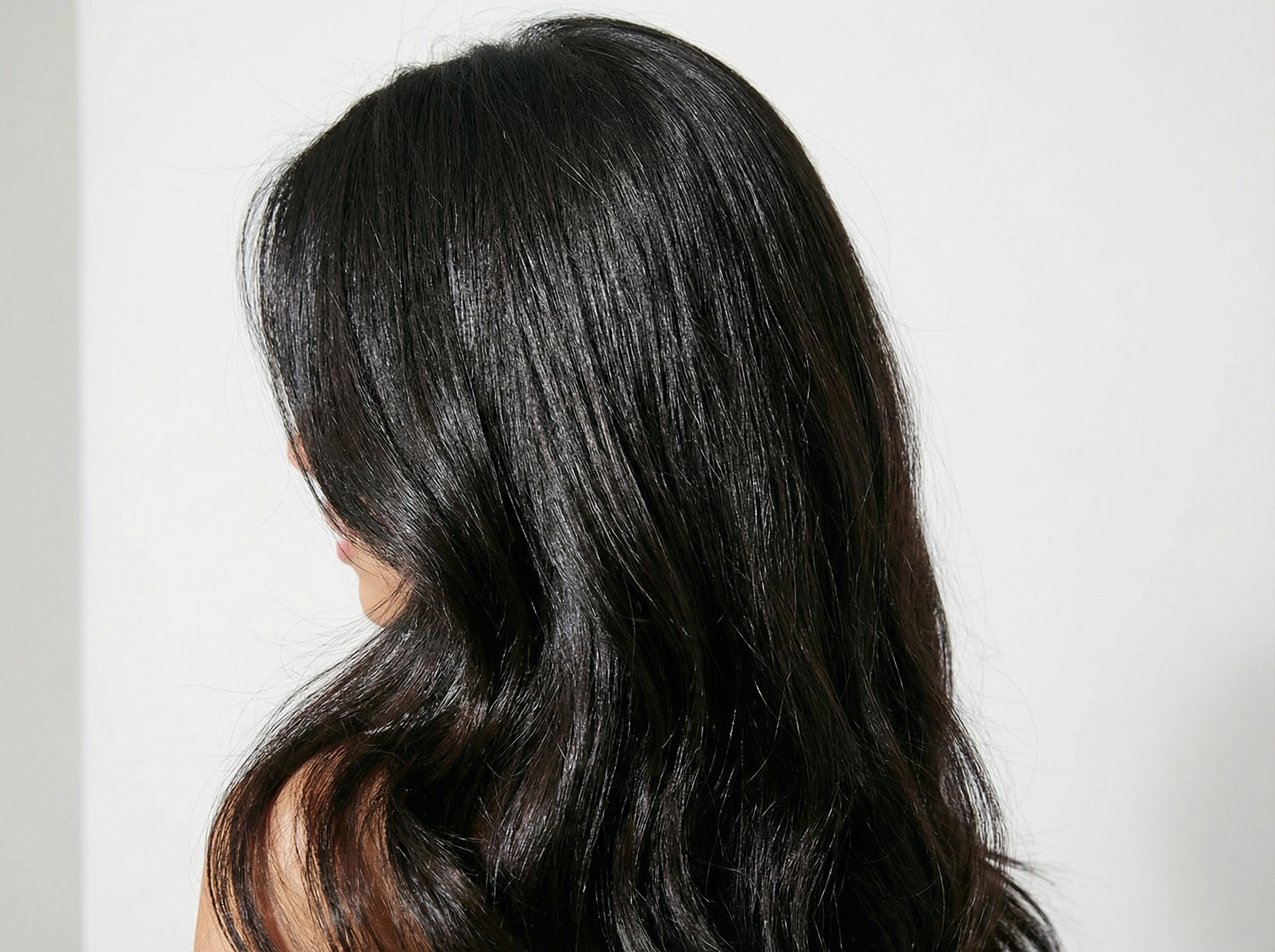
The pursuit of luminous, healthy-looking hair is a timeless beauty aspiration. In recent years, one trend has captured this desire with mesmerising effect: glass hair. Characterised by its flawless, liquid-like surface and intense, mirror-like shine, this coveted look has graced red carpets and social media feeds alike, becoming the epitome of polished, sophisticated hair. It’s a style that speaks not just of fleeting fashion, but of deep-seated hair health and meticulous care. Far from being a mere passing fad, glass hair represents the zenith of hair health, a testament to strands that are so smooth and perfectly aligned they reflect light with crystalline clarity.
This comprehensive guide will explore the world of glass hair, from the science behind its incredible shine to the professional treatments and at-home rituals that can help you achieve this stunning look. We will delve into the techniques and products that make this trend accessible, and help you determine if it’s the right style for your hair type. We will also explore how to adapt the trend for different hair textures and provide expert tips for maintaining your glossy mane long after you have perfected the look. Whether you are seeking to enhance your natural lustre or completely transform your hair’s texture, consider this your definitive resource for attaining the beautiful, reflective finish of glass hair.
The Science of Shine: What Makes Hair Reflect Light?
To understand how to achieve glass hair, it is essential to first comprehend the science of what makes hair shine. The secret lies in the outermost layer of the hair shaft, known as the cuticle. A healthy hair cuticle is composed of overlapping, transparent cells that lie flat, much like the tiles on a roof. When these cuticles are smooth, sealed, and perfectly aligned, they create a uniform, even surface that reflects light directly. This direct reflection is what our eyes perceive as intense shine and gloss.
Conversely, when the hair cuticle is damaged, raised, or uneven, it creates a rough, porous surface. Instead of reflecting light directly, a damaged cuticle scatters it in multiple directions. This light diffusion results in hair that appears dull, frizzy, and lacklustre. Factors such as chemical processing, heat styling, environmental aggressors, and even harsh brushing can lift and damage the cuticle, compromising its ability to reflect light. Therefore, the fundamental principle behind achieving glass hair is to create the smoothest, most flawless cuticle surface possible, allowing for maximum light reflection and a brilliant, mirror-like finish. This involves a two-pronged approach: firstly, repairing any existing damage to the cuticle, and secondly, protecting it from future harm. It is a holistic process that addresses both the internal health and the external appearance of the hair.
!A close-up of a healthy hair cuticle under a microscope, showing smooth, overlapping scales
Achieving Glass Hair: Professional Salon Treatments
For those seeking a significant and long-lasting transformation, professional salon treatments offer the most effective path to achieving the glass hair look. These treatments are formulated with high concentrations of active ingredients and are applied by skilled stylists who can tailor the service to your specific hair needs. Here are some of the most popular and effective salon options for creating a flawless, high-shine finish.
Hair Glossing Treatments
A hair glossing treatment is one of the most direct ways to achieve a glassy finish. Often referred to as a gloss, glaze, or toner, this semi-permanent treatment works by coating the hair shaft with a sheer layer of colour and shine. The gloss fills in any gaps or imperfections on the cuticle, creating a smooth, reflective surface. It can be clear or tinted to enhance your natural colour or neutralise unwanted tones. The result is a noticeable boost in shine, vibrancy, and manageability that can last for several weeks. Unlike permanent hair colour, a gloss sits on the surface of the hair, which means it gradually fades with each wash. This makes it a low-commitment option for those who want to experiment with enhanced shine without altering their natural hair colour permanently.
Keratin Treatments
For those whose primary challenge is frizz and unruliness, a keratin treatment can be a game-changer. These intensive smoothing treatments work by infusing the hair with keratin, a protein that is naturally found in hair, skin, and nails. The treatment is sealed into the hair with heat, which helps to smooth the cuticle, eliminate frizz, and create a straighter, sleeker texture. While the primary goal of a keratin treatment is smoothness, the resulting flat cuticle surface also reflects a significant amount of light, contributing to a glass-like sheen. It is important to note that not all keratin treatments are created equal. Some formulas contain formaldehyde or other harsh chemicals, so it is essential to do your research and choose a reputable salon that uses high-quality, safe products. A consultation with your stylist is crucial to determine if a keratin treatment is the right choice for your hair type and to discuss the expected results and aftercare.
Bond-Repairing Treatments
Healthy hair is shiny hair, and that is where bond-repairing treatments come in. These innovative treatments, such as Olaplex or other similar systems, work on a molecular level to repair the broken disulfide bonds within the hair shaft. These bonds are responsible for the hair’s strength and elasticity and are often damaged by chemical services, heat, and mechanical stress. By repairing these bonds, a bond-repair hair treatment not only strengthens the hair from the inside out but also dramatically improves its overall appearance, leading to smoother, shinier, and more resilient strands. These treatments can be performed as a standalone service or added to a colour or chemical service to minimise damage. The result is hair that is not only shinier but also healthier and more resistant to breakage, creating the perfect foundation for the glass hair look.
!A stylist applying a glossing treatment to a client's long, dark hair in a salon
Glass Hair at Home: Your Step-by-Step Guide
While salon treatments offer impressive results, you can also achieve a beautifully glossy, glass-like finish at home with the right techniques and products. This step-by-step guide will walk you through the process of creating a super-sleek, high-shine look from the comfort of your own bathroom.
Step 1: Cleanse and Clarify
The foundation of any great hairstyle is clean hair. Start by washing your hair with a clarifying or detoxifying shampoo to remove any product buildup, excess oil, or mineral deposits from hard water. This will create a clean canvas for your styling products and ensure that your hair is not weighed down. A double-cleanse method can be particularly effective here: the first wash breaks down oils and product residue, while the second wash thoroughly cleanses the scalp and hair. When choosing a clarifying shampoo, look for gentle yet effective ingredients like apple cider vinegar or witch hazel, which cleanse without being overly harsh. Follow up with a smoothing, hydrating conditioner, focusing on the mid-lengths and ends. Allow the conditioner to sit for a few minutes to allow the ingredients to penetrate the hair shaft before rinsing with cool water to help seal the cuticle.
Step 2: Deep Condition and Hydrate
Hydration is paramount for achieving a glossy finish. Once a week, treat your hair to a deep conditioning mask or a hydrating treatment. Look for products that contain ingredients like hyaluronic acid, glycerin, and natural oils to replenish moisture and seal the cuticle. For an extra boost, you can apply the mask to damp hair, cover it with a shower cap, and apply gentle heat with a hairdryer for a few minutes to help open the cuticle and allow the mask to penetrate more deeply. Let it sit for at least 20-30 minutes before rinsing thoroughly. For those with particularly dry or damaged hair, an overnight treatment can provide an intensive dose of hydration.
Step 3: Use a Shine-Enhancing Treatment
After washing and conditioning, it is time to apply a shine-enhancing product. There are many options available, from lightweight serums to laminating sprays. These products are designed to coat the hair with a fine layer of silicones or oils that smooth the cuticle and create a reflective surface. Apply the product evenly to damp, towel-dried hair, from roots to ends. It is important to ensure the hair is not soaking wet, as this will dilute the product and reduce its effectiveness. Use a wide-tooth comb to distribute the product evenly and ensure every strand is coated.
Step 4: The Perfect Blow-Dry
The blow-drying technique is crucial for achieving a smooth, sleek finish. Using a nozzle attachment on your hairdryer to direct the airflow, blow-dry your hair in small sections. Use a boar bristle brush to create tension and smooth the hair as you dry, always pointing the nozzle down the hair shaft to encourage the cuticle to lie flat. This technique, known as tension blow-drying, is fundamental to achieving a smooth finish. For best results, work in small, manageable sections, starting from the nape of the neck and working your way up. Ensure each section is completely dry before moving on to the next, as any remaining moisture can cause frizz to reappear later.
Step 5: Flat Iron for a Polished Look
For the ultimate glass-like finish, a flat iron is your best friend. Before you begin, make sure to apply a heat protectant spray to shield your hair from damage. Set your flat iron to a temperature that is appropriate for your hair type and pass it over small sections of hair, from roots to ends. For an extra-sleek look, use the “chase” method: place a fine-tooth comb in front of the flat iron and move them down the hair shaft together. This will ensure that every strand is perfectly smooth and aligned. It is crucial to work with thin sections of hair, no wider than the plates of your flat iron. This allows the heat to be distributed evenly, resulting in a more consistent and longer-lasting finish. A single, slow pass over each section is more effective and less damaging than multiple quick passes. The temperature of your flat iron is also a critical factor. For fine or damaged hair, a lower temperature of around 150-180°C (300-350°F) is recommended. For thicker or coarser hair, you may need to use a higher temperature of up to 200°C (400°F). Always start with a lower temperature and increase it only if necessary.
The Best Products for a Mirror-Like Finish
Achieving the glass hair look at home is heavily dependent on using the right products. From the initial wash to the final styling touches, each product plays a crucial role in creating a smooth, reflective surface. Here is a breakdown of the essential products to incorporate into your glass hair routine.
Shampoos and Conditioners
The path to glass hair begins in the shower. Opt for a sulphate-free shampoo and conditioner specifically formulated to smooth the hair and combat frizz. Sulphate-free formulas are gentler on the hair, helping to preserve its natural oils and prevent the cuticle from being stripped. Look for ingredients like keratin, silk proteins, and argan oil, which are known for their smoothing and shine-enhancing properties. A good smoothing duo will create the perfect foundation for a sleek, glossy style. When selecting a shampoo and conditioner, pay close attention to the ingredient list. Hydrolyzed proteins, such as silk or wheat protein, can help to fill in gaps in the cuticle, while lightweight oils like jojoba or grapeseed oil can add shine without weighing the hair down.
Leave-in Conditioners and Serums
After washing, a leave-in conditioner or serum is essential for adding an extra layer of moisture, protection, and shine. These products help to detangle the hair, seal the cuticle, and provide a smooth canvas for styling. For fine hair, a lightweight spray-on leave-in conditioner is ideal, as it will not weigh the hair down. For thicker or coarser hair, a richer cream or serum can provide the necessary hydration and control. Look for products containing water-soluble silicones, such as dimethicone copolyol, which are excellent at creating a smooth, reflective surface without causing buildup. Non-soluble silicones can accumulate on the hair shaft over time, leading to dullness and dryness. Additionally, consider serums that contain vitamins and antioxidants to provide an extra layer of protection against environmental damage.
Heat Protectant Sprays
Heat styling is a key component of the glass hair look, but it can also be damaging. A high-quality heat protectant spray is non-negotiable. These sprays create a protective barrier between your hair and the heat from your blow dryer and flat iron, minimising damage and preventing moisture loss. Many heat protectants also contain conditioning and shine-enhancing ingredients, making them a multi-tasking must-have in your glass hair arsenal. Look for heat protectants that offer protection up to 230°C (450°F) and contain ingredients like keratin or panthenol to help strengthen the hair and improve its elasticity.
Finishing Sprays and Oils
The final step in achieving a mirror-like finish is the application of a finishing spray or oil. These products are designed to provide a final burst of shine and tame any remaining flyaways. A lightweight shine spray can be misted all over the hair for a uniform, glossy look. Alternatively, a few drops of a nourishing hair oil can be smoothed over the mid-lengths and ends to add shine and combat dryness. Be careful not to over-apply, as too much product can make the hair look greasy rather than glassy. A good rule of thumb is to start with a small amount and add more if needed. For oils, one to two drops is usually sufficient for fine to medium hair, while thicker hair may require three to four drops. For sprays, hold the bottle at least six inches away from your hair and mist lightly.
Is Glass Hair for Everyone? Hair Types and Considerations
While the glass hair trend is undeniably beautiful, its suitability can vary depending on your natural hair type and texture. Understanding how to adapt the trend for your specific hair needs is key to achieving the best possible results.
Ideal Hair Types
The glass hair look is most easily achieved on straight to wavy hair that is in good condition. These hair types have a naturally smoother cuticle, which provides a good starting point for creating a reflective surface. Fine, medium, and thick hair can all achieve the glass hair look, although the products and techniques may need to be adjusted accordingly.
Challenges for Curly and Coily Hair
For those with curly and coily hair, achieving the glass hair look presents more of a challenge. The natural structure of curly hair means that the cuticle is inherently more raised, which can make it difficult to create a smooth, reflective surface. While it is possible to achieve a glass-like finish on curly hair, it typically requires more intensive smoothing treatments, such as a keratin treatment, and a significant amount of heat styling. It is important to weigh the desire for a temporary sleek style against the potential for heat damage and the disruption of your natural curl pattern. For those with curly or coily hair who want to try the glass hair trend, it is essential to use a deep conditioning treatment before and after heat styling to replenish moisture. It is also advisable to use this style sparingly to avoid long-term damage to your natural curls.
Fine Hair vs. Thick Hair
Fine hair can easily become weighed down by heavy products, so it is important to choose lightweight formulas. A volumising mousse can be applied at the roots before blow-drying to add body and prevent the hair from looking flat. When it comes to finishing products, a light shine spray is a better choice than a heavy oil or serum.
Thick hair, on the other hand, can handle richer, more hydrating products. A smoothing cream or balm can be applied before blow-drying to help control frizz and add moisture. A nourishing hair oil can be used as a finishing touch to add shine and tame any unruly strands. For those with thick hair, a multi-step layering of products may be necessary to achieve the desired level of smoothness and shine. This could involve using a smoothing cream before blow-drying, a serum before flat-ironing, and a finishing oil to complete the look. The key is to layer the products strategically to provide maximum control and shine without weighing the hair down.
Maintaining Your Glassy Sheen: Tips for Long-Lasting Results
Once you have achieved the coveted glass hair look, the next challenge is to maintain it. With a few simple adjustments to your hair care routine, you can prolong the life of your sleek, shiny style and keep your hair looking its best.
Weekly Treatments
To keep your hair in optimal condition, incorporate a weekly deep conditioning treatment or hair mask into your routine. This will help to replenish moisture, repair damage, and keep your hair cuticle smooth and sealed. Look for masks that are rich in hydrating and nourishing ingredients, such as shea butter, avocado oil, and vitamin E. For an extra touch of luxury and efficacy, consider masks that contain exotic butters like murumuru or cupuaçu, which are known for their intense moisturising properties.
Protecting Your Hair at Night
The way you protect your hair while you sleep can have a significant impact on its appearance. To prevent friction and frizz, sleep on a silk or satin pillowcase. These materials create less friction than cotton, which can help to keep your hair smooth and shiny. Alternatively, you can wrap your hair in a silk or satin scarf or bonnet before bed. This not only protects your hair from friction but also helps to preserve your style overnight, reducing the need for restyling in the morning. For those with long hair, a loose braid or a low ponytail secured with a silk scrunchie can also help to prevent tangles and maintain smoothness.
Avoiding Product Buildup
While styling products are essential for creating the glass hair look, they can also build up on the hair over time, leading to dullness and a lack of shine. To prevent this, it is important to clarify your hair regularly. Use a clarifying shampoo once a week or every two weeks to remove any product residue and restore your hair’s natural lustre. If you find that clarifying shampoos are too harsh for your hair, you can also use a gentler apple cider vinegar rinse. Mix one part apple cider vinegar with two parts water, pour it over your hair after shampooing, let it sit for a few minutes, and then rinse thoroughly. The acidity of the vinegar helps to close the hair cuticle and remove mineral buildup, resulting in a natural boost of shine.
Shine Treatments Compared: At-Home vs. Salon
When it comes to achieving a glossy finish, there are a variety of treatments available, each with its own set of benefits, costs, and expected results. This table provides a comparison of some of the most popular shine-enhancing treatments to help you decide which option is best for you.
| Treatment Type | Best For | Average Cost (GBP) | Longevity | Key Benefits |
|---|---|---|---|---|
| Hair Glossing Treatment | Enhancing colour and adding shine | £40 - £80 | 4-6 weeks | Boosts shine, refreshes colour, tames frizz |
| Keratin Treatment | Smoothing frizz and creating a sleek texture | £150 - £350 | 3-5 months | Eliminates frizz, reduces styling time, adds shine |
| Bond-Repair Treatment | Damaged, over-processed hair | £30 - £60 (in-salon) | Varies | Repairs broken bonds, strengthens hair, improves health |
| At-Home Shine Serums/Sprays | Quick, temporary shine | £10 - £30 | 1 day | Instant gloss, tames flyaways, easy to use |
| Deep Conditioning Masks | Dry, dull, or damaged hair | £15 - £40 | Up to 1 week | Hydrates and nourishes, improves texture, adds shine |
Conclusion: The Enduring Appeal of Glossy Hair
The glass hair trend is more than just a fleeting style; it is a celebration of healthy, well-cared-for hair. The incredible shine and flawless finish that define this look are a direct result of a smooth, sealed cuticle, which can only be achieved through a combination of proper care, effective treatments, and meticulous styling. Whether you choose to visit a salon for a professional treatment or embark on an at-home care regimen, the key to achieving and maintaining glass hair lies in prioritising the health of your hair.
By understanding the science of shine and incorporating the right products and techniques into your routine, you can transform your hair into a luminous, light-reflecting masterpiece. From weekly deep conditioning masks to the careful application of heat, every step you take to nourish and protect your hair will bring you closer to the coveted glass hair look. Ultimately, the enduring appeal of glossy hair is a testament to the timeless beauty of hair that is not only beautiful on the surface but also strong and healthy from within. It is a look that requires dedication and care, but the stunning results are well worth the effort. By embracing a holistic approach to hair health and incorporating the right techniques and products into your routine, you can achieve the kind of radiant, mirror-like shine that turns heads and exudes confidence.
!A woman with long, straight, shiny brown hair, viewed from the back
Frequently Asked Questions
How is glass hair different from just straight hair?
While glass hair is typically straight, the key difference lies in the exceptionally high level of shine and the flawless, uniform finish. Straight hair can still be dull or have some texture, whereas glass hair has a liquid-like, reflective surface that resembles glass. It is about achieving a level of smoothness and gloss that goes beyond simply straightening the hair.
Can I achieve glass hair without using heat?
Achieving a true glass hair finish without any heat is very difficult, as heat is typically required to seal the cuticle completely flat. However, you can get closer to the look by using smoothing, shine-enhancing products and allowing your hair to air-dry in a controlled way, such as by wrapping it or using large rollers. The result may not be as perfectly sleek as with heat styling, but it will still be a shinier, smoother version of your natural hair.
How often should I use a clarifying shampoo?
For most people, using a clarifying shampoo once every one to two weeks is sufficient to remove product buildup without stripping the hair of its natural oils. If you use a lot of styling products or live in an area with hard water, you may find that you need to clarify more often. Pay attention to how your hair looks and feels; if it starts to look dull or feel weighed down, it is probably time to clarify.
Will a keratin treatment make my hair completely straight?
Modern keratin treatments are customisable, and you can choose the level of straightness you want to achieve. While they can make your hair significantly straighter, you can also opt for a formula that simply reduces frizz and relaxes your natural wave or curl pattern. Discuss your desired outcome with your stylist to ensure you get the results you are looking for.
What is the best way to prevent flyaways when creating the glass hair look?
Preventing flyaways starts with proper hydration, so make sure your hair is well-moisturised. When styling, use a smoothing product and a boar bristle brush to create tension and smooth the hair as you blow-dry. For the final touch, you can use a small amount of a lightweight hairspray or a finishing cream on a clean mascara wand to gently smooth down any remaining flyaways.
Is the glass hair trend damaging to the hair?
The glass hair trend can be damaging if not done correctly, primarily due to the reliance on heat styling. To minimise damage, it is crucial to use a high-quality heat protectant spray, use the lowest effective temperature setting on your tools, and avoid going over the same section of hair multiple times. Incorporating regular deep conditioning and bond-repairing treatments into your routine can also help to mitigate any potential damage.
Can I get glass hair with extensions?
Yes, you can achieve the glass hair look with high-quality human hair extensions. The process is the same as with your natural hair: you will need to use smoothing products, a meticulous blow-drying technique, and a flat iron to create a seamless, high-shine finish. Ensure that your extensions are well-blended with your natural hair for a flawless result.