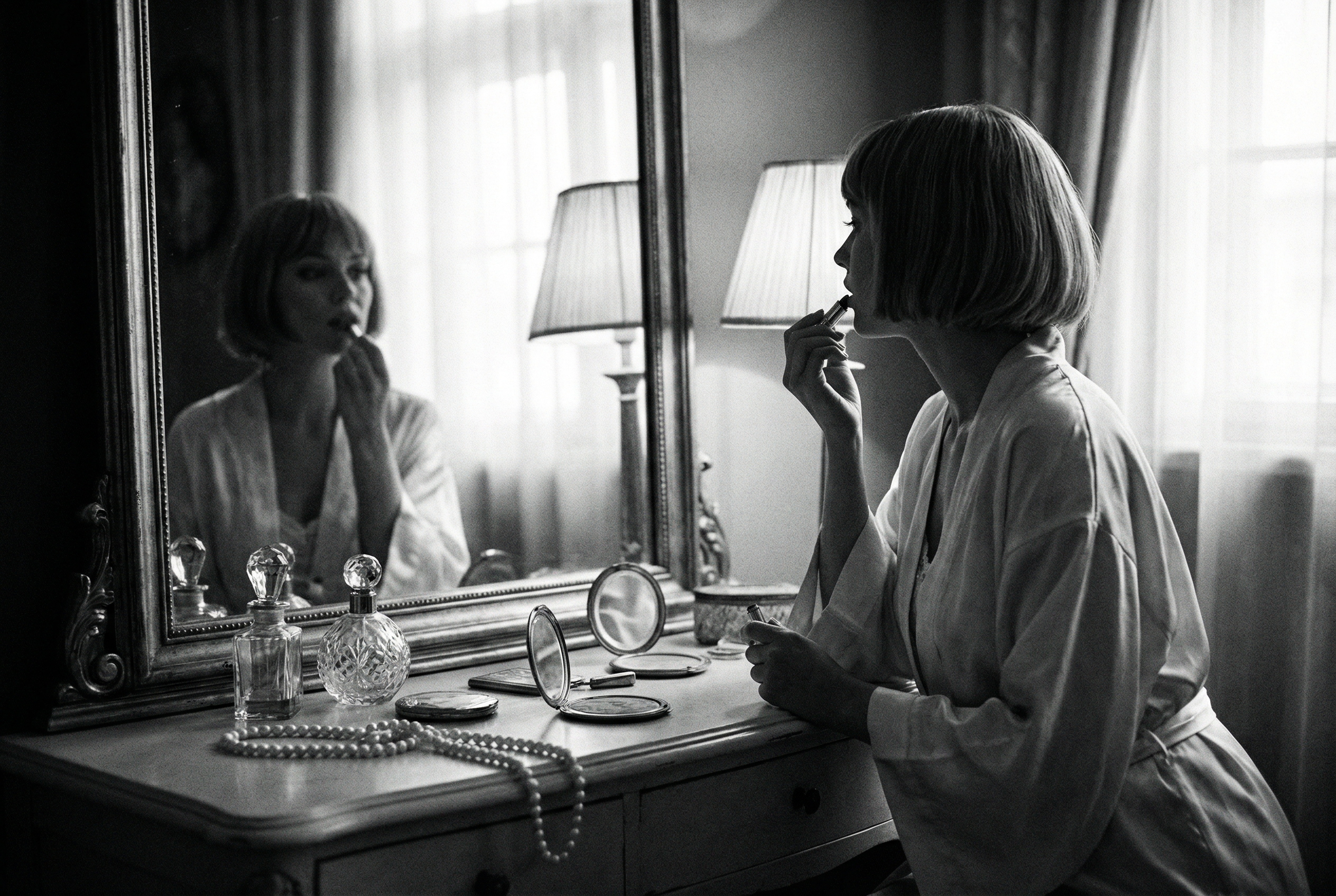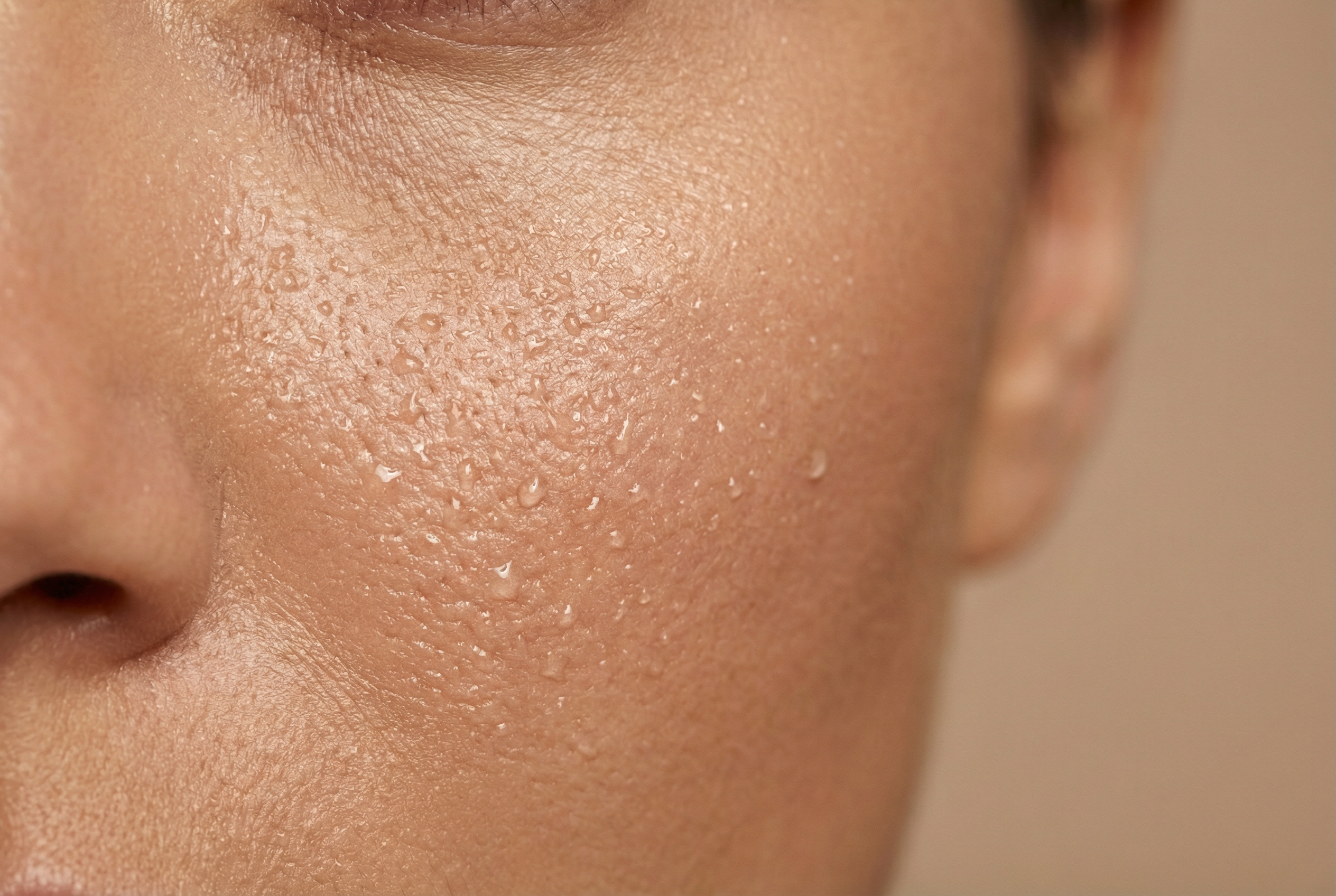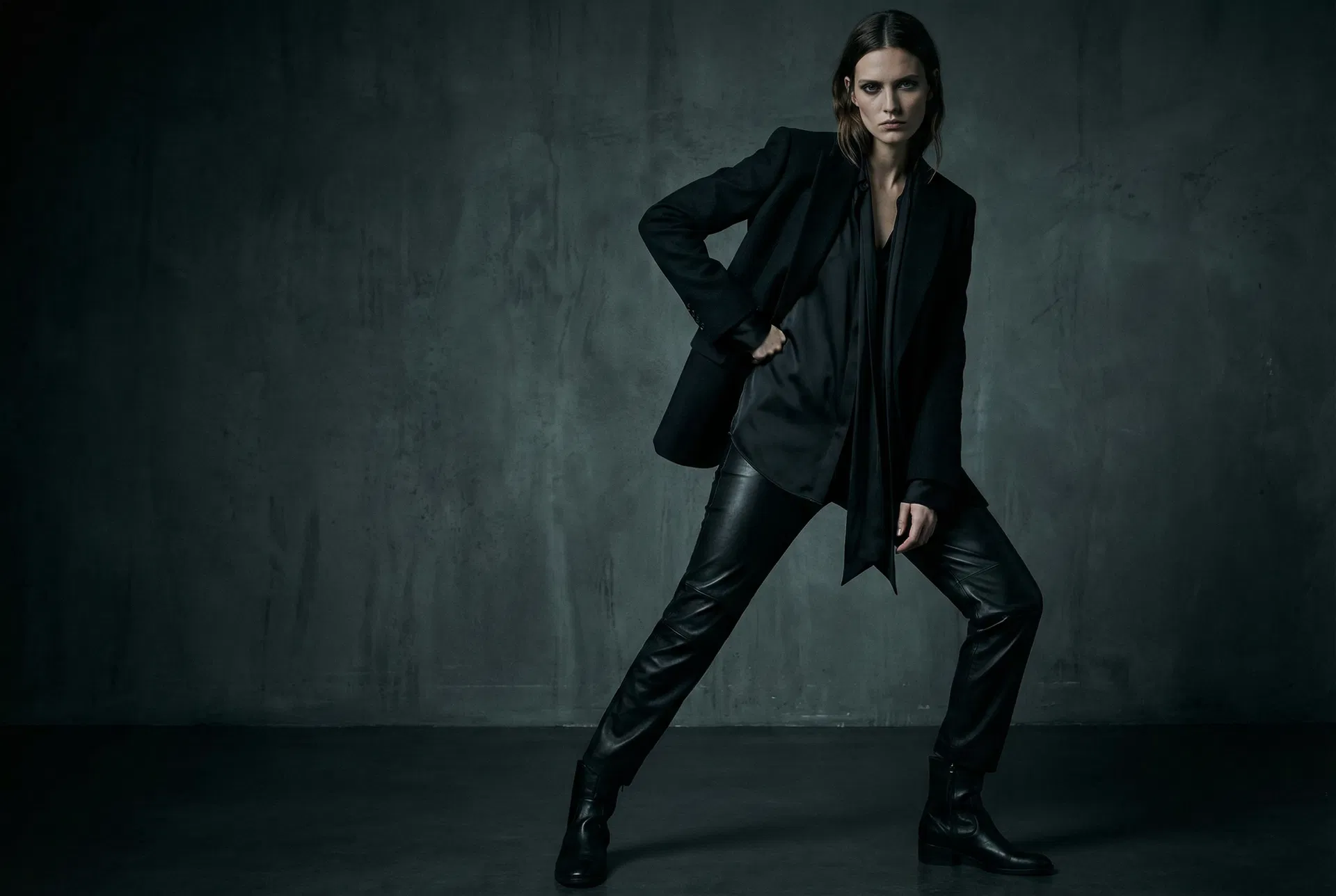
For decades, the beauty industry presented a singular, often unattainable, vision of perfection. However, a powerful shift is underway. The rigid standards of the past are dissolving, making way for a more expansive and authentic celebration of individuality. This movement, known as inclusive beauty, is not merely a trend; it is a fundamental redefinition of what it means to be beautiful, championing representation for all, regardless of skin tone, gender, age, or ability.
This evolution is about more than just seeing diverse faces in advertising campaigns; it is a systemic change that touches product formulation, marketing language, and the very ethos of beauty brands. It acknowledges that the one-size-fits-all approach is no longer acceptable to a discerning global consumer who demands to be seen, heard, and catered to. As we explore this transformation, we look back at the evolution of beauty ideals to understand the journey that has brought us to this pivotal moment.
The Catalysts of Change
The journey towards inclusivity has been accelerated by several key cultural moments and movements. These catalysts did not just open a conversation; they forced the industry to confront its shortcomings and begin the necessary work of change.
One of the most significant turning points was the 2017 launch of Fenty Beauty by Rihanna. By debuting with an unprecedented 40 shades of foundation, the brand sent a clear message: everyone deserves to find their perfect match. This “Fenty Effect” created a ripple effect, compelling legacy brands to expand their own shade ranges and prioritise diversity in a way they had not before.
Beyond the world of celebrity, the rise of social media has given a powerful platform to consumers and activists who have long been ignored by the mainstream. The body positivity movement and the powerful conversations around racial equality, amplified by movements like Black Lives Matter, have placed immense pressure on corporations to move beyond tokenism and embrace genuine, systemic change. Consumers are now the gatekeepers, and they are demanding that brands reflect the true diversity of the world we live in.
The Many Facets of Inclusive Beauty
True inclusivity is a multi-dimensional concept that extends far beyond a single product category. It requires a holistic approach, considering the unique needs and experiences of a wide array of communities.
Beyond the Foundation Shade: A Spectrum of Skintones
While foundation is a crucial starting point, catering to diverse skin tones involves much more. It means understanding the specific dermatological needs of different ethnicities, such as the predisposition of melanin-rich skin to hyperpigmentation. It also involves a commitment at the retail level. Initiatives like the "15 Percent Pledge," which encourages major retailers to dedicate 15% of their shelf space to Black-owned businesses, are vital for creating a more equitable marketplace. This movement runs parallel to the clean beauty movement, as consumers from all backgrounds demand greater transparency and efficacy in the ingredients they use.
Beauty Beyond the Binary: The Rise of Gender-Neutrality
Younger generations, particularly Gen Z, are increasingly rejecting rigid gender norms. They understand that self-expression is a spectrum, and the beauty industry is beginning to reflect this. Brands like Fluide and Good Light have built their identity around “beauty beyond the binary,” offering products and marketing that speak to a gender-expansive audience. This shift is also visible in the move away from gendered marketing for skincare and fragrance, with brands like Aesop focusing on skin concerns rather than demographics. It’s a modern take on an idea that has roots in the past, but with a far more profound understanding of identity.
Designing for Dignity: Accessibility in Beauty
Globally, over a billion people live with some form of disability, yet this demographic has historically been overlooked by the beauty industry. Thankfully, this is beginning to change. Brands are innovating with accessible design to create a more dignified and independent experience for all users. Olay’s Easy Open Lid, developed in collaboration with consumers with a range of physical disabilities, and L'Occitane's long-standing practice of including braille on its packaging are prime examples of thoughtful, inclusive design. These are not niche considerations; they are essential components of a truly universal approach to beauty.
A Place for Every Generation
For too long, the beauty industry has been fixated on youth. Now, brands are finally recognising the value and beauty in every stage of life. The conversation around menopause, once taboo, is now being addressed with dedicated skincare lines from brands like Pause Well-Aging. At the other end of the spectrum, the needs of teenage skin are being met with sophisticated, ingredient-focused brands that speak their language. This age-inclusive approach acknowledges that beauty is a lifelong journey, not a fleeting moment.
To better understand this paradigm shift, it is useful to compare the traditional approach with the new, inclusive model.
| Feature | Traditional Beauty Model | Inclusive Beauty Model |
|---|---|---|
| Target Audience | Narrow, often Eurocentric, and youth-focused. | Broad, multicultural, multi-generational, and gender-expansive. |
| Product Range | Limited shade ranges and product types. | Extensive shade ranges, diverse product formulations for different needs. |
| Marketing | Aspirational, often featuring a single ideal of beauty. | Authentic, featuring diverse models and real-life stories. |
| Accessibility | Product design rarely considers physical disabilities. | Ergonomic and accessible packaging is becoming a priority. |
| Brand Ethos | Product-centric, focused on correcting “flaws.” | Consumer-centric, focused on celebrating individuality and self-expression. |
The Future of Beauty is Inclusive
The momentum towards a more inclusive beauty industry is undeniable and irreversible. Looking ahead, we can expect to see an even greater emphasis on the intersection of inclusivity and transparency, where consumers demand to know not just who a product is for, but what is in it. The influence of global beauty cultures, particularly from Asia's sophisticated male grooming market, will continue to inspire innovation in the West. Perhaps most importantly, the dialogue between brands and consumers will become even more critical. The brands that will thrive in this new era are those that listen to their communities, co-create with them, and prove that their commitment to inclusivity is more than just a marketing strategy—it is a core value, as timeless and essential as the French beauty philosophy of embracing one's natural self.
Frequently Asked Questions
1. What is the "Fenty Effect"?
The "Fenty Effect" refers to the industry-wide shift that occurred after Rihanna's Fenty Beauty brand launched in 2017 with 40 foundation shades. This move forced competing brands to expand their own product ranges to cater to a more diverse spectrum of skin tones, setting a new standard for inclusivity in the cosmetics industry.
2. How is inclusivity different from diversity in beauty?
Diversity in beauty often refers to representation, such as featuring models of different races in an advertising campaign. Inclusivity goes a step further. It is about systemic action and ensuring that people from all backgrounds are not only represented but are also fully catered to in terms of product development, formulation, and accessibility. It means creating products for diverse audiences, not just marketing to them.
3. Why is accessible design important in beauty products?
Accessible design is crucial because it allows people with disabilities—such as motor impairments or visual impairments—to use products easily and independently. Features like ergonomic packaging, easy-to-open lids, and braille on containers remove barriers and create a more equitable and dignified experience for a significant portion of the population.
4. What does "gender-neutral beauty" mean?
Gender-neutral beauty refers to products and marketing that are not targeted at a specific gender. This approach rejects the traditional binary of male and female beauty products, instead focusing on the product's function, ingredients, or the skin concern it addresses. It caters to a growing consumer base that views gender as a spectrum and seeks products that align with their personal identity, not a prescribed gender role.
5. How can consumers support the inclusive beauty movement?
Consumers can support the inclusive beauty movement by making conscious purchasing decisions. This includes buying from brands that demonstrate a genuine commitment to diversity and inclusion across their product lines, marketing, and corporate practices. Using your voice on social media to celebrate inclusive brands and call out those that are not, as well as supporting retailers who have taken pledges to stock diverse-owned businesses, are also powerful ways to drive change.