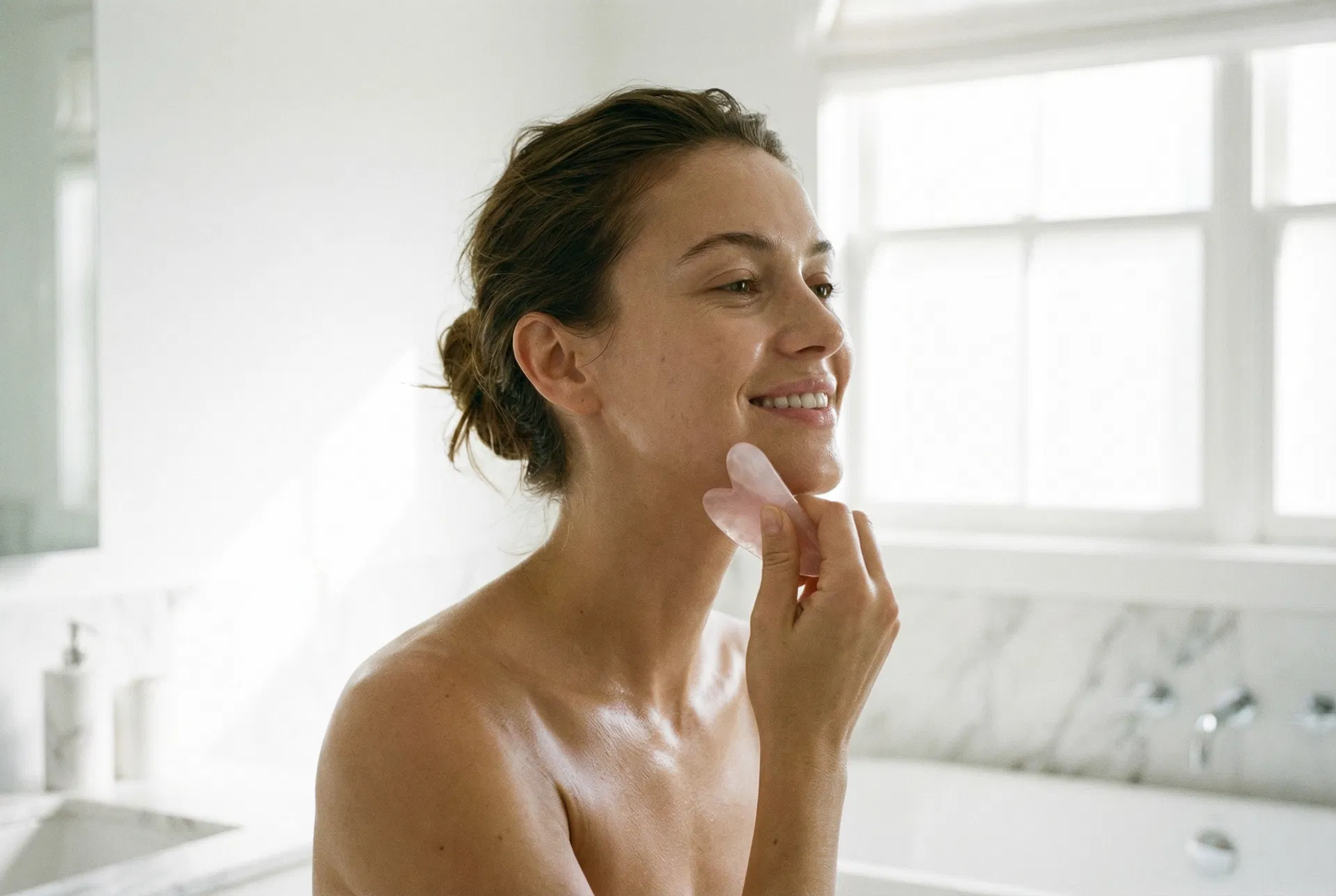
In the ever-evolving world of aesthetic medicine, a new treatment is capturing the attention of skincare aficionados and practitioners alike: Micro-Botox. This innovative technique offers a subtle yet powerful approach to skin refinement, promising a poreless, glowing complexion that has been dubbed "glass skin." Unlike its more traditional counterpart, which is primarily known for its muscle-relaxing and wrinkle-reducing capabilities, Micro-Botox works on a more superficial level, targeting the skin itself rather than the underlying muscles. This distinction is key to understanding its unique benefits and applications, which range from reducing pore size and controlling oil production to improving overall skin texture and radiance.
As we explore the nuances of this cutting-edge treatment, we will examine how it differs from traditional Botox, who stands to benefit most from it, and what one can expect during and after the procedure. For those seeking a more comprehensive approach to skin rejuvenation, it is worth noting that Micro-Botox can be complemented by other advanced treatments. For instance, individuals looking to address skin laxity and texture on a deeper level might consider exploring Morpheus8, a treatment that combines microneedling with radiofrequency energy. Similarly, for those interested in the latest bio-revitalising treatments, our guide on Polynucleotide skin treatments offers valuable insights.
What is Micro-Botox and How Does It Work?
Micro-Botox, also known by various other names such as Meso-Botox, Intradermal Botox, or "Baby Botox," represents a paradigm shift in the application of botulinum toxin. The fundamental principle of this technique lies in the dilution and placement of the product. Instead of injecting concentrated doses of Botox deep into the facial muscles to smooth out dynamic wrinkles, Micro-Botox involves administering multiple microdroplets of a more diluted solution into the intradermal layer of the skin. This superficial placement allows the treatment to target specific structures within the skin itself, namely the sebaceous glands, the arrector pili muscles (which are responsible for the appearance of pores), and the superficial layer of the skin.
!A close-up of a woman's flawless skin, showcasing a smooth and radiant complexion.
The Science Behind Intradermal Injections
The magic of Micro-Botox lies in its ability to influence the skin's texture and function without affecting the major facial muscles. When injected intradermally, the diluted botulinum toxin interacts with the sebaceous glands, leading to a reduction in sebum production. This makes it an excellent treatment for individuals with oily or acne-prone skin. Furthermore, by targeting the arrector pili muscles, which are tiny muscles attached to hair follicles, Micro-Botox can help to minimise the appearance of pores, resulting in a smoother, more refined skin surface.
The treatment also has a subtle tightening effect on the skin. The superficial placement of the injections stimulates collagen production and leads to a gentle lifting and firming of the skin. This is particularly beneficial for addressing fine lines and improving the overall texture and elasticity of the skin. The result is a natural-looking rejuvenation that enhances the skin's quality without the "frozen" look that can sometimes be associated with traditional Botox injections. For those considering wrinkle-reducing treatments, our comprehensive guide to traditional Botox provides a thorough overview of what to expect.
Micro-Botox vs. Traditional Botox: A Detailed Comparison
While both Micro-Botox and traditional Botox utilise the same active ingredient, botulinum toxin, their application, and ultimate effects are markedly different. Understanding these distinctions is crucial for any individual considering an aesthetic treatment, as it allows for a more informed decision based on personal skincare goals. The primary difference lies in the depth of the injection and the concentration of the product used.
Traditional Botox is injected directly into the larger facial muscles to temporarily paralyse them. This intramuscular approach is highly effective for treating dynamic wrinkles—the lines that form from repeated facial expressions such as smiling, frowning, or squinting. Common areas for traditional Botox include the forehead, the glabella (the area between the eyebrows), and the crow's feet around the eyes. By relaxing these specific muscles, the overlying skin smooths out, leading to a significant reduction in the appearance of wrinkles.
Micro-Botox, on the other hand, employs a more delicate technique. A diluted form of botulinum toxin is administered through a series of micro-injections into the dermis, the middle layer of the skin. This method avoids the deeper facial muscles and instead focuses on the superficial structures within the skin. The goal is not to immobilise muscles but to refine the skin's surface, addressing concerns like enlarged pores, excess oiliness, and fine lines, leading to an overall improvement in skin quality and texture.
To clarify these differences, the following table provides a side-by-side comparison of the two treatments:
| Feature | Micro-Botox | Traditional Botox |
|---|---|---|
| Injection Depth | Intradermal (superficial layer of the skin) | Intramuscular (deep into the facial muscles) |
| Primary Target | Sebaceous glands, arrector pili muscles, superficial skin layer | Specific facial muscles (e.g., frontalis, orbicularis oculi) |
| Main Effect | Reduction in pore size, control of oil production, improvement in skin texture | Reduction of dynamic wrinkles, relaxation of facial muscles |
| Best For | Achieving a "glass skin" effect, overall skin refinement, and a subtle lift | Treating moderate to severe frown lines, crow's feet, and forehead lines |
| Treatment Areas | Full face, T-zone, under-eye area, neck, and décolletage | Forehead, glabella, and the area around the eyes |
| Concentration | Highly diluted solution | More concentrated solution |
| Onset of Results | Typically within 5-7 days | Usually within 3-5 days, with full results in 2 weeks |
The Benefits of Micro-Botox: Beyond Wrinkle Reduction
The appeal of Micro-Botox extends far beyond the simple smoothing of wrinkles. Its unique intradermal application unlocks a host of benefits aimed at enhancing the skin's intrinsic quality, leading to a complexion that is not just smoother, but visibly healthier and more luminous.
Achieving the Coveted "Glass Skin" Effect
One of the most sought-after outcomes of Micro-Botox is the "glass skin" effect—a term popularised by the Korean beauty industry to describe a complexion that is so clear, dewy, and smooth that it appears to be made of glass. Micro-Botox contributes to this aesthetic by addressing multiple factors simultaneously. By tightening the skin's surface, minimising pores, and reducing oiliness, the treatment creates a remarkably smooth canvas. This improved texture allows light to reflect more evenly off the skin, resulting in a natural, healthy-looking radiance and a translucent quality that defines the glass skin ideal.
Pore Reduction and Oil Control
For many, enlarged pores and excessive oiliness are persistent and frustrating skin concerns. Micro-Botox offers a highly effective solution by directly targeting the underlying causes. The botulinum toxin, when injected superficially, interacts with the sebaceous glands, inhibiting their activity and thereby reducing the amount of oil they produce. This not only helps to control shine and prevent breakouts but also has a secondary effect on pore size. With less oil and debris to clog them, pores appear smaller and less conspicuous. Furthermore, the treatment's effect on the tiny arrector pili muscles helps to physically tighten the pore openings, contributing to a more refined and flawless skin texture.
Who is an Ideal Candidate for Micro-Botox?
Micro-Botox is a versatile treatment suitable for a wide range of individuals seeking to improve their skin's overall quality and appearance. An ideal candidate is typically someone who is concerned with issues such as enlarged pores, oily skin, fine lines, and a generally lacklustre complexion. It is particularly well-suited for those who desire a more subtle and natural-looking enhancement rather than the more dramatic muscle-relaxing effects of traditional Botox. Younger individuals who are beginning to notice the first signs of ageing and wish to take a proactive approach to skin maintenance often find Micro-Botox to be an excellent preventative measure.
Furthermore, individuals with skin conditions such as rosacea may also benefit from Micro-Botox, as the treatment can help to reduce facial flushing and redness. However, as with any aesthetic procedure, a thorough consultation with a qualified and experienced practitioner is essential. They will be able to assess your skin, discuss your aesthetic goals, and determine whether Micro-Botox is the most appropriate treatment for you. It is important to have realistic expectations and to understand that while Micro-Botox can produce remarkable results, it is not a permanent solution and will require maintenance treatments to sustain the effects.
The Micro-Botox Procedure: What to Expect
The Micro-Botox procedure is a relatively quick and minimally invasive treatment that is typically performed in a clinical setting. The first step is a consultation with your practitioner to discuss your concerns and goals. Once it is determined that you are a suitable candidate, the treatment can begin. The practitioner will start by cleansing your skin and may apply a topical numbing cream to ensure your comfort throughout the procedure. The Micro-Botox solution, which is a customised dilution of botulinum toxin, is then meticulously injected into the skin using a very fine needle. The injections are administered in a grid-like pattern across the treatment area to ensure even distribution and a uniform result.
!A practitioner performing a cosmetic injection on a patient's face in a clean, medical setting.
Recovery and Aftercare
One of the significant advantages of Micro-Botox is the minimal downtime associated with the treatment. Most individuals are able to return to their normal activities immediately after the procedure. You may experience some mild redness, swelling, or tiny bumps at the injection sites, but these typically subside within a few hours. Your practitioner will provide you with specific aftercare instructions, which may include avoiding strenuous exercise, excessive heat, and alcohol for the first 24 hours. It is also advisable to avoid rubbing or massaging the treated area to prevent the product from migrating.
Results Timeline: When Will I See a Difference?
The results of Micro-Botox are not immediate, but they are well worth the short wait. You can typically expect to see the initial improvements in your skin's texture and radiance within 5 to 7 days of the treatment. The full effects, including a noticeable reduction in pore size and oil production, will become more apparent over the following two weeks. The result is a complexion that looks refreshed, refined, and naturally beautiful.
Potential Side Effects and Considerations
Micro-Botox is considered a safe procedure when performed by a qualified and experienced practitioner. However, as with any injectable treatment, there are some potential side effects to be aware of. The most common are temporary and mild, including redness, swelling, bruising, and tenderness at the injection sites. In rare cases, some individuals may experience a temporary headache or a feeling of tightness in the treated area. It is crucial to choose a reputable clinic and practitioner to minimise the risk of complications and to ensure that you receive the highest standard of care.
Conclusion: A New Era of Subtle Refinements
Micro-Botox represents a significant advancement in the field of aesthetic medicine, offering a sophisticated and nuanced approach to skin rejuvenation. By focusing on the skin itself rather than the underlying muscles, this innovative treatment provides a unique solution for individuals seeking to enhance their natural beauty without drastic changes. From achieving the coveted "glass skin" effect to effectively managing concerns like enlarged pores and oily skin, Micro-Botox delivers a multitude of benefits that contribute to a healthier, more radiant complexion. As the demand for subtle and preventative aesthetic treatments continues to grow, Micro-Botox is poised to become an indispensable tool in the pursuit of timeless and graceful ageing.
Frequently Asked Questions
Is Micro-Botox painful?
The procedure is generally well-tolerated. A topical numbing cream is often applied before the treatment to minimise any discomfort. Most patients report feeling only a slight pricking sensation during the injections.
How long do the results of Micro-Botox last?
The results of Micro-Botox typically last for 3 to 4 months. To maintain the desired effect, it is recommended to schedule regular follow-up treatments.
Can Micro-Botox be combined with other treatments?
Yes, Micro-Botox can be combined with other aesthetic treatments to achieve more comprehensive results. It is often used in conjunction with procedures such as microneedling, chemical peels, and dermal fillers.
What is the difference between Micro-Botox and "Baby Botox"?
While the terms are often used interchangeably, "Baby Botox" typically refers to the use of smaller doses of traditional Botox to achieve a more natural-looking reduction in wrinkles. Micro-Botox, on the other hand, specifically refers to the intradermal injection technique for overall skin refinement.
Is there any downtime with Micro-Botox?
There is minimal to no downtime with Micro-Botox. Most individuals can resume their daily activities immediately after the treatment. Some temporary redness or swelling may occur but usually resolves within a few hours.
The Role of Acetylcholine in Skin Health
To truly appreciate the mechanism of Micro-Botox, it is helpful to understand the role of the neurotransmitter acetylcholine. In the context of traditional Botox, acetylcholine is the chemical messenger that signals muscles to contract. By blocking its release, Botox effectively paralyses the muscle, smoothing out wrinkles. In the skin, however, acetylcholine has a broader range of functions. It is involved in regulating the activity of sebaceous and sweat glands, and it also plays a part in inflammation and cell proliferation. Micro-Botox leverages this by delivering a diluted amount of botulinum toxin to the dermis, where it can subtly modulate the effects of acetylcholine on these structures. This leads to a reduction in oil and sweat production, a calming of inflammatory responses (which is beneficial for conditions like rosacea), and a gentle tightening of the skin, all without impacting the major muscles of facial expression.
Expanding the Comparison: Nuances and Considerations
While the table above provides a clear overview of the primary differences between Micro-Botox and traditional Botox, there are further nuances to consider when choosing the right treatment. The decision often comes down to the individual's specific aesthetic goals and the nature of their skin concerns. For instance, a person with deep-set forehead lines and crow's feet would be a more suitable candidate for traditional Botox, as this treatment is specifically designed to address dynamic wrinkles caused by muscle movement. In contrast, someone with generally good skin but who is troubled by a shiny T-zone, visible pores, and a desire for a more refined and polished look would be an ideal candidate for Micro-Botox.
It is also worth noting that the two treatments are not mutually exclusive. In fact, they can be used in combination to achieve a more comprehensive and synergistic result. A practitioner might use traditional Botox to address wrinkles in the upper face while employing Micro-Botox on the lower face and neck to improve skin texture and create a subtle lifting effect. This combination approach allows for a highly customised treatment plan that addresses multiple signs of ageing simultaneously.
The Importance of a Skilled Practitioner
Regardless of which treatment is chosen, the importance of selecting a skilled and experienced practitioner cannot be overstated. The art of cosmetic injectables lies in the practitioner's deep understanding of facial anatomy, their ability to assess each individual's unique needs, and their technical expertise in administering the injections. A good practitioner will take the time to conduct a thorough consultation, listen to your concerns, and develop a treatment plan that aligns with your goals. They will also be transparent about the potential risks and benefits and will provide you with comprehensive aftercare instructions to ensure the best possible outcome.
The Multifaceted Benefits of Micro-Botox
The allure of Micro-Botox lies in its ability to deliver a wide array of subtle yet significant improvements to the skin. Beyond the much-desired "glass skin" effect, the treatment offers a range of benefits that contribute to a healthier and more youthful-looking complexion.
A Solution for Rosacea and Facial Redness
For individuals who struggle with rosacea and persistent facial redness, Micro-Botox can be a game-changing treatment. Rosacea is a chronic inflammatory skin condition characterised by flushing, redness, and visible blood vessels. The intradermal injection of botulinum toxin has been shown to have an anti-inflammatory effect on the skin, helping to calm the redness and reduce the frequency and intensity of flushing episodes. By modulating the release of inflammatory mediators, Micro-Botox can provide significant relief for those who have not found success with other treatments.
Refining the Neck and Décolletage
The benefits of Micro-Botox are not limited to the face. The treatment can also be used to rejuvenate the delicate skin on the neck and décolletage. These areas are often among the first to show signs of ageing, with the appearance of fine lines, crepiness, and sun damage. Micro-Botox can help to tighten and smooth the skin in these areas, reducing the appearance of horizontal neck lines (often referred to as "tech neck") and improving the overall texture and firmness of the skin on the chest.
Navigating the Micro-Botox Procedure
Embarking on any new aesthetic treatment can be both exciting and a little daunting. Knowing what to expect during the Micro-Botox procedure can help to alleviate any apprehension and ensure a smooth and positive experience.
The Consultation: A Crucial First Step
The journey begins with a comprehensive consultation with a qualified practitioner. This is your opportunity to discuss your skin concerns, your aesthetic aspirations, and any questions you may have about the treatment. Your practitioner will conduct a thorough assessment of your skin, review your medical history, and determine if you are a suitable candidate for Micro-Botox. This is also the time to discuss realistic expectations and to gain a clear understanding of the potential outcomes.
The Treatment Itself: A Quick and Comfortable Experience
On the day of your treatment, your practitioner will begin by cleansing your skin to remove any makeup or impurities. A topical anaesthetic cream will then be applied to the treatment area to ensure your comfort. Once the numbing cream has taken effect, the practitioner will use a very fine needle to administer a series of small, precise injections of the diluted botulinum toxin into the dermal layer of your skin. The injections are typically performed in a grid-like pattern to ensure even coverage. The entire procedure is relatively quick, usually taking no more than 30 minutes.
A Deeper Look at Potential Side Effects
While Micro-Botox is a safe and well-tolerated treatment, it is important to be aware of the potential side effects, however rare they may be. In addition to the common and mild effects such as redness, swelling, and bruising, some individuals may experience other temporary reactions. These can include itching at the injection sites, a mild headache, or a sensation of tightness in the treated area. These symptoms are typically short-lived and resolve on their own within a day or two. In very rare instances, more significant side effects such as muscle weakness or an allergic reaction can occur. This underscores the importance of choosing a reputable and experienced practitioner who can minimise the risks and manage any complications effectively.
Expanding the Frequently Asked Questions
Can Micro-Botox be used to treat sweating?
Yes, Micro-Botox can be an effective treatment for hyperhidrosis, or excessive sweating. When injected into the skin of the underarms, palms, or soles of the feet, the botulinum toxin blocks the nerve signals that stimulate the sweat glands, leading to a significant reduction in sweat production.
How is the dosage of Micro-Botox determined?
The dosage of Micro-Botox is highly individualised and is determined by your practitioner based on a number of factors, including the size of the treatment area, the severity of your skin concerns, and your desired outcome. Your practitioner will carefully calculate the appropriate dilution and volume of the botulinum toxin to ensure a safe and effective treatment.
Is there anyone who should not have Micro-Botox?
Micro-Botox is not suitable for everyone. It is not recommended for individuals who are pregnant or breastfeeding, or for those who have a known allergy to botulinum toxin. It is also not suitable for people with certain neuromuscular disorders. A thorough consultation with your practitioner is essential to determine if the treatment is safe for you.
A Deeper Dive into Candidacy
Beyond the general criteria, a deeper look into candidacy reveals specific scenarios where Micro-Botox can be particularly advantageous. For example, individuals who are in the public eye, such as actors, presenters, or business professionals, often prefer Micro-Botox because it allows them to maintain their natural facial expressions while still enjoying the benefits of improved skin quality. The treatment is also an excellent option for those who have previously had traditional Botox and found the muscle-relaxing effects to be too strong for their liking. By switching to Micro-Botox, they can achieve a more subtle and nuanced result that feels more in harmony with their natural appearance.
Furthermore, Micro-Botox can be a valuable addition to a pre-event skincare regimen. Whether it's a wedding, a gala, or an important presentation, a Micro-Botox treatment a few weeks prior can ensure that your skin is looking its absolute best. The reduction in pore size and oiliness creates a perfect canvas for makeup application, helping it to last longer and look more flawless. The overall improvement in skin radiance also means that you will be glowing from within, with or without makeup.
The Patient Experience: A Step-by-Step Guide
To provide a clearer picture of what the Micro-Botox journey entails, let's walk through the patient experience from start to finish.
Pre-Treatment Preparations
In the week leading up to your Micro-Botox appointment, it is advisable to avoid certain medications and supplements that can increase the risk of bruising, such as aspirin, ibuprofen, and high doses of vitamin E. It is also recommended to abstain from alcohol for at least 24 hours before the treatment. On the day of your appointment, it is best to arrive with a clean, makeup-free face.
Post-Treatment Care and Expectations
Immediately following the procedure, your skin may appear slightly red and feel a little sensitive, similar to a mild sunburn. This is a normal reaction and typically subsides within a few hours. Your practitioner may apply a soothing serum or cream to help calm the skin. Over the next few days, you will begin to notice a subtle improvement in your skin's texture and a reduction in oiliness. The full effects of the treatment will continue to develop over the next two weeks, revealing a smoother, more refined, and radiant complexion.
To maximise the longevity of your results, it is important to follow a good skincare routine at home. This should include a gentle cleanser, a hydrating serum, a moisturiser, and, most importantly, a broad-spectrum sunscreen with an SPF of 30 or higher. Sun protection is crucial, as it helps to prevent further damage to the skin and preserves the benefits of the treatment.
The Future of Aesthetic Refinements
Micro-Botox is more than just a fleeting trend; it is a reflection of a broader shift in the world of aesthetics towards more natural-looking and preventative treatments. As our understanding of the ageing process deepens, so too does our ability to address it with greater precision and subtlety. The focus is no longer on erasing every line and wrinkle but on enhancing the overall health and vitality of the skin. Micro-Botox, with its ability to refine texture, minimise pores, and impart a healthy glow, is at the forefront of this movement.
As technology and techniques continue to evolve, we can expect to see even more sophisticated applications of botulinum toxin and other neuromodulators. The future of aesthetic medicine lies in a holistic and personalised approach, where treatments are tailored to the unique needs and goals of each individual. Micro-Botox is a shining example of this philosophy in action, offering a powerful tool for achieving a complexion that is not just youthful, but truly vibrant.
What are the key differences in the final look between Micro-Botox and traditional Botox?
The final look achieved with Micro-Botox is one of overall skin enhancement. The skin appears smoother, pores are less visible, and there is a noticeable reduction in oiliness and a healthy, radiant glow. Facial expressions remain completely natural and unaffected. With traditional Botox, the primary effect is the smoothing of dynamic wrinkles, which can result in a more dramatic change in appearance, particularly in the upper face. While the goal is always a natural-looking result, there is a visible reduction in muscle movement in the treated areas.
Are the results of Micro-Botox permanent?
No, the results of Micro-Botox are not permanent. The effects of the botulinum toxin gradually wear off over time as the body metabolises the product. To maintain the results, you will need to have follow-up treatments every 3 to 4 months. The exact duration of the results can vary from person to person, depending on factors such as metabolism, lifestyle, and the dosage used.