In a world saturated with fleeting trends and the relentless pursuit of the next big thing, a different kind of style endures. It’s a quiet, confident elegance that doesn’t need to shout to be heard. This is the world of the old money aesthetic, a philosophy of dressing and living that values tradition, quality, and understatement above all else. It’s a departure from the logo-mania and fast fashion that dominate the modern style landscape, offering instead a vision of timeless sophistication. This guide will explore the nuances of the old money aesthetic, from the key wardrobe staples to the mindset that underpins this enduring and aspirational lifestyle. We will delve into the history and philosophy of this approach to life, dissect the essential elements of the wardrobe, and offer practical advice on how to cultivate this timeless look for yourself, proving that true style is not about wealth, but about a cultivated sense of self.
What is the Old Money Aesthetic?
The old money aesthetic is more than just a way of dressing; it’s a cultural phenomenon, a legacy of taste and refinement passed down through generations. It’s a world where quality reigns supreme, and true luxury is found in the subtle details – the perfect fit of a tailored jacket, the soft handle of a cashmere sweater, the quiet confidence of a well-made leather loafer. It is a philosophy that has been shaped by centuries of tradition, and it stands in stark contrast to the conspicuous consumption that so often defines modern wealth.
Beyond the Bank Account: A Legacy of Taste
At its core, the old money aesthetic is not about flaunting wealth, but about embodying a certain set of values. It’s about a deep appreciation for craftsmanship, a respect for tradition, and an understanding that true style is timeless. This is a world where clothes are not disposable, but are cherished investments to be worn and loved for years to come. It’s a philosophy that stands in stark contrast to the conspicuous consumption of “new money,” which often relies on flashy logos and extravagant displays of wealth to signal status. The old money individual has nothing to prove; their status is assured, and their clothing reflects this quiet confidence. The focus is on personal style and a curated wardrobe that reflects a life of culture and refinement, rather than a slavish devotion to fleeting trends.
The Philosophy of Understated Luxury
The old money aesthetic is the epitome of quiet luxury, a concept that has gained significant traction in recent years. It’s a style that whispers rather than shouts, relying on impeccable quality, classic silhouettes, and a neutral colour palette to create an aura of effortless sophistication. This is not about chasing trends, but about building a wardrobe of timeless pieces that will look just as elegant in ten years as they do today. It’s a commitment to investing in oneself and in the enduring power of classic style. This philosophy extends beyond the wardrobe to all aspects of life, from home décor to travel. It is a holistic approach to living that values quality, beauty, and discretion above all else.
The Pillars of Old Money Style: Building a Timeless Wardrobe
Building a wardrobe that reflects the old money aesthetic is a thoughtful process, guided by a set of core principles. It’s about curating a collection of high-quality, versatile pieces that work together to create a look of effortless elegance. It is an art form in itself, a discipline that requires patience, knowledge, and a discerning eye. Here are the pillars of old money style, expanded to provide a deeper understanding of this refined approach to dressing:
Quality Over Quantity: The Importance of Fabric and Craftsmanship
The foundation of any old money wardrobe is an unwavering commitment to quality. This means prioritizing natural fabrics like cashmere, silk, wool, and cotton, which not only look and feel luxurious but also stand the test of time. A cashmere sweater, for instance, is not just a piece of clothing, but a sensory experience. The softness of the yarn, the way it drapes the body, the warmth it provides – these are the qualities that the old money individual seeks. It’s about investing in pieces that are beautifully made, with attention to detail in every stitch. This focus on craftsmanship ensures that each garment is not just a fleeting trend, but a lasting investment in personal style. Look for details like hand-stitched buttonholes, perfectly matched patterns, and quality linings. These are the subtle markers of a well-made garment that will last for decades, not just a season.
The Art of Tailoring: A Perfect Fit is Non-Negotiable
In the world of old money, a perfect fit is paramount. Whether it’s a bespoke suit or a simple white shirt, every garment should be tailored to perfection. This doesn’t mean that clothes should be tight or restrictive; on the contrary, the old money aesthetic often favours a more relaxed, comfortable fit. However, every piece should drape beautifully and flatter the wearer’s silhouette, creating a look of polished refinement. A good tailor is an essential ally in the pursuit of the old money aesthetic. They can transform an off-the-rack garment into a piece that looks like it was made for you. Trousers should break just so over the shoe, a jacket should follow the line of the shoulder, and a skirt should fall to the most flattering point on the leg. These are the details that create a truly polished and sophisticated look.
A Neutral Palette: The Foundation of Enduring Style
The old money colour palette is a study in understated elegance. It’s a sophisticated blend of neutral tones like navy, beige, cream, white, and grey, which create a timeless and versatile foundation for any wardrobe. These colours are not chosen at random; they are selected for their ability to transcend trends and to be mixed and matched with ease. While bold colours are used sparingly, subtle patterns like pinstripes, checks, and herringbone add depth and interest to the overall look. A navy blazer, for example, can be paired with grey flannel trousers, cream-coloured chinos, or even a simple pair of dark-wash jeans. This versatility is key to the old money aesthetic, as it allows for a wide range of looks to be created from a relatively small number of high-quality pieces.
Key Pieces of the Old Money Wardrobe
An old money wardrobe is built around a core collection of timeless staples. These are the versatile, high-quality pieces that form the foundation of this elegant aesthetic. They are not chosen for their trendiness, but for their enduring style and impeccable quality. Here are some of the key pieces for both men and women, with a more in-depth look at how to select and style them:
For Her: Timeless Staples
- The Perfect Blazer: A well-tailored blazer in a neutral colour like navy, black, or beige is a cornerstone of the old money wardrobe. Look for a single-breasted style with classic notched lapels. It can be dressed up or down, worn with everything from tailored trousers for a business meeting to a simple pair of jeans for a casual weekend lunch. The key is the fit; it should be structured but not restrictive, with a nipped-in waist to create a flattering silhouette.
- The Crisp White Shirt: A simple, high-quality white shirt is the epitome of effortless elegance. It’s a versatile piece that can be worn on its own or layered under a sweater or blazer. Look for a shirt made from a high-quality cotton, such as Egyptian or Pima cotton, with a classic collar and a clean, simple design. It can be tucked into a high-waisted skirt for a polished, professional look, or worn loose over a pair of chinos for a more relaxed, off-duty vibe.
- The Cashmere Sweater: A luxurious cashmere sweater in a classic crewneck or V-neck style is a must-have for any old money wardrobe. It’s a timeless piece that exudes understated luxury. Choose a neutral colour like camel, grey, or navy, and look for a high-quality knit that will hold its shape for years to come. It can be worn on its own with a simple pair of trousers, or layered over a collared shirt for a more preppy look.
- The Tailored Trousers: A pair of well-fitting trousers in a neutral colour like black, navy, or beige is a versatile and sophisticated staple. Look for a classic, straight-leg or wide-leg silhouette in a high-quality fabric like wool or a wool blend. They should be tailored to the perfect length, just grazing the top of your shoes. They can be paired with a silk blouse for a formal occasion, or a simple t-shirt and blazer for a more casual look.
- The A-Line Skirt: A classic A-line skirt in a quality fabric like wool or tweed is a timeless and feminine piece that can be worn for years to come. Look for a skirt that falls to the knee or just below, and choose a classic pattern like a subtle check or a simple solid colour. It can be paired with a tucked-in blouse and a pair of loafers for a classic, ladylike look.
- The Little Black Dress: A simple, elegant little black dress is a versatile and timeless piece that can be dressed up or down for any occasion. Look for a classic silhouette, such as a sheath or a fit-and-flare, in a high-quality fabric like a wool crepe or a silk blend. It can be accessorized with a string of pearls and a pair of classic pumps for a formal event, or dressed down with a pair of ballet flats and a simple cardigan for a more casual affair.
For Him: Enduring Classics
- The Navy Blazer: A classic navy blazer is a non-negotiable for any man aspiring to the old money aesthetic. It’s a versatile piece that can be worn with everything from chinos to grey flannel trousers. Look for a single-breasted style with notched lapels and classic gold buttons. It should be well-tailored, with a natural shoulder and a comfortable fit.
- The Oxford Cloth Button-Down: A high-quality Oxford cloth button-down shirt is a timeless and versatile staple. It can be worn on its own or layered under a sweater or blazer. Look for a shirt with a classic button-down collar and a comfortable, relaxed fit. It can be worn with a tie for a more formal look, or with the top button undone for a more casual, preppy vibe.
- The Cable-Knit Sweater: A classic cable-knit sweater in a neutral colour like cream or navy is a timeless and sophisticated piece that exudes understated luxury. Look for a sweater made from a high-quality wool or cashmere, with a classic crewneck or V-neck style. It can be worn on its own with a pair of chinos, or layered over a collared shirt for a more traditional look.
- The Chinos: A pair of well-fitting chinos in a classic colour like khaki or navy is a versatile and comfortable staple. Look for a classic, straight-leg fit and a high-quality cotton twill fabric. They can be worn with a blazer and a pair of loafers for a smart-casual look, or with a simple polo shirt and a pair of boat shoes for a more relaxed, weekend vibe.
- The Bespoke Suit: For more formal occasions, a bespoke suit in a classic colour like charcoal grey or navy is the ultimate expression of old money style. A bespoke suit is made to your exact measurements, ensuring a perfect fit and a level of quality that is simply unattainable with an off-the-rack suit. It is an investment piece that will last a lifetime and will always look impeccable.
Outerwear for All Seasons
- The Trench Coat: A classic trench coat is a timeless and practical piece of outerwear that is perfect for transitional weather. Look for a double-breasted style in a neutral colour like beige or navy, with classic details like a belted waist and epaulettes.
- The Barbour Jacket: For a more casual, country-inspired look, a classic Barbour jacket is a must-have. This waxed cotton jacket is a British classic, and it is perfect for a weekend in the countryside or a rainy day in the city.
Accessorising the Old Money Way
Accessories are the finishing touch that elevates an old money look from simple to sophisticated. The key is to choose understated, high-quality pieces that complement the outfit rather than overpowering it. In the world of old money, accessories are not about making a statement, but about adding a subtle touch of elegance and personality. They are chosen with care and are often cherished for their sentimental value as much as for their monetary worth.
Jewellery: Less is More
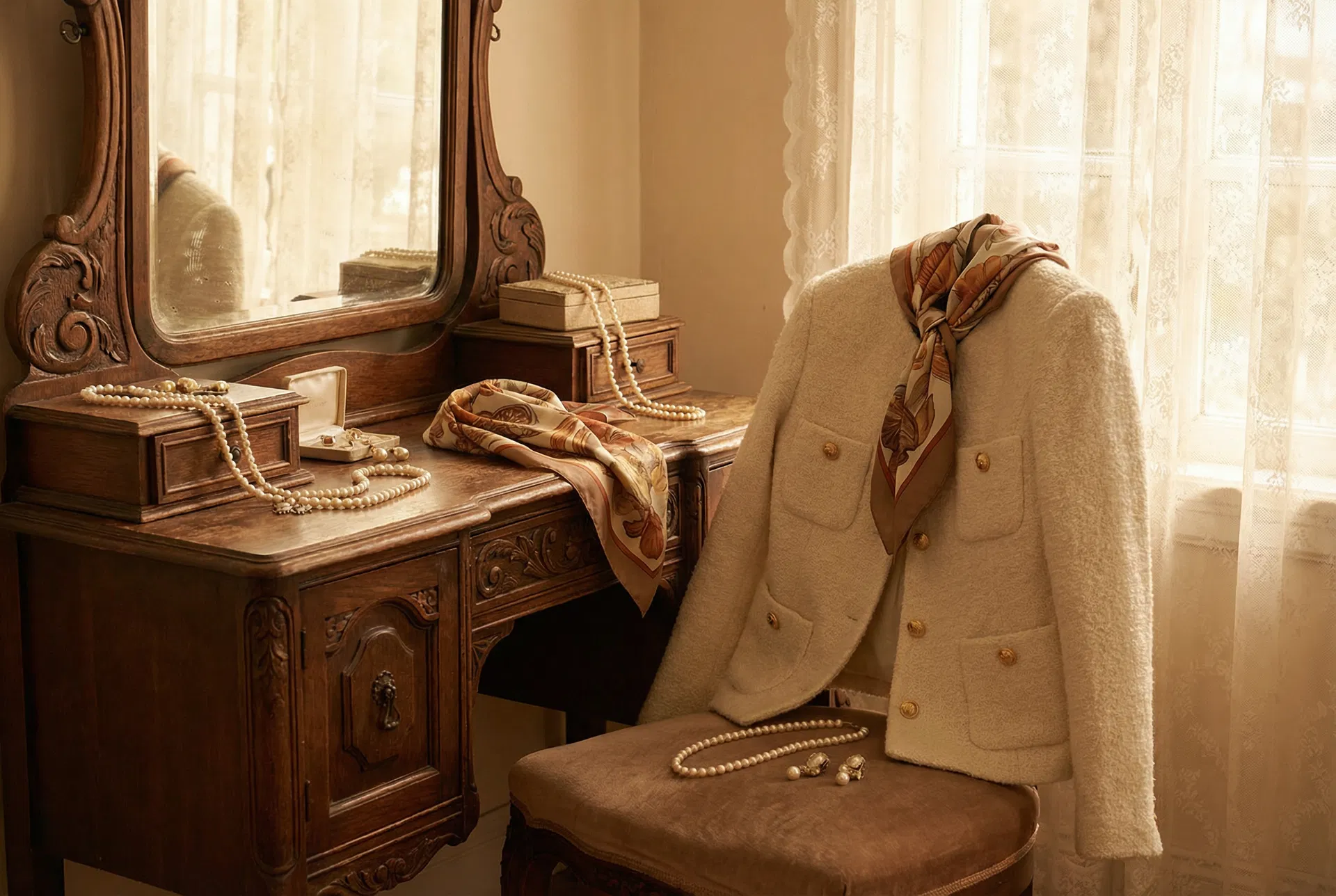
In the world of old money, jewellery is personal and sentimental. It’s about wearing pieces that have meaning, rather than simply displaying wealth. Think a classic string of pearls, a family heirloom watch, or a simple pair of diamond studs. The focus is on quality and craftsmanship, not on brand names or flashy designs. A simple gold chain, a signet ring passed down through generations, a pair of elegant pearl earrings – these are the pieces that define the old money approach to jewellery. The goal is to adorn, not to overwhelm. The jewellery should be a subtle and elegant extension of the wearer’s personal style, not a vulgar display of wealth.
The Investment Handbag
The old money handbag is a timeless, high-quality piece that is built to last. It’s typically made from luxurious leather in a classic, structured silhouette. You won’t find flashy logos or trendy hardware here; instead, the focus is on impeccable craftsmanship and understated design. Brands like Hermès, Chanel, and Delvaux are favoured for their timeless designs and exceptional quality, but the logo is never the main event. The bag is chosen for its beauty, its functionality, and its ability to stand the test of time. It is an investment piece in the truest sense of the word, a trusted companion that will only get better with age.
Footwear: Classic and Comfortable
Old money footwear is all about classic, comfortable styles that are made to be worn. Think leather loafers, riding boots, and elegant ballet flats. These are timeless designs that will never go out of style, and they are made from high-quality materials that will stand the test of time. A pair of Gucci horsebit loafers, a classic pair of Tod’s driving shoes, or a pair of elegant Chanel ballet flats are all staples of the old money wardrobe. The shoes are chosen for their comfort and their versatility, and they are always impeccably maintained. A well-polished shoe is a sign of a well-groomed individual, and it is a detail that is never overlooked in the world of old money.
The Finishing Touches: Scarves, Belts, and Sunglasses
A beautifully crafted silk scarf, a classic leather belt, or a pair of timeless sunglasses can be the perfect finishing touch to an old money outfit. These are the subtle details that demonstrate a thoughtful and considered approach to style. A Hermès silk scarf, tied elegantly around the neck or on the handle of a handbag, can add a touch of colour and personality to an otherwise neutral outfit. A classic leather belt, with a simple, understated buckle, can cinch in the waist of a dress or a pair of trousers, creating a more polished and put-together look. And a pair of classic sunglasses, from a brand like Persol or Ray-Ban, can add a touch of glamour and mystery to any outfit.
Old Money vs. New Money: A Tale of Two Aesthetics
While both old money and new money are associated with wealth, they represent two very different approaches to style and luxury. The following table highlights the key distinctions between these two aesthetics:
| Feature | Old Money Aesthetic | New Money Aesthetic |
|---|---|---|
| Philosophy | Understated elegance, timelessness, quality | Conspicuous consumption, trend-driven, logos |
| Clothing | Tailored, classic silhouettes, neutral colours | Designer brands, bold patterns, bright colours |
| Fabrics | Natural, high-quality (cashmere, silk, wool) | Synthetic, trendy, often branded |
| Accessories | Minimal, sentimental, high-quality | Flashy, branded, statement pieces |
| Brands | Unbranded or discreetly branded | Prominently displayed luxury brand logos |
| Overall Look | Effortless, polished, confident | Ostentatious, attention-seeking, extravagant |
The Old Money Lifestyle: More Than Just Clothes
The old money aesthetic extends far beyond the wardrobe. It’s a way of life that encompasses hobbies, etiquette, and intellectual pursuits. It’s about cultivating a rich and meaningful life, rather than simply accumulating material possessions. It is a commitment to personal growth, cultural enrichment, and a life of purpose and meaning.
Hobbies and Pursuits
Traditional leisure activities are a hallmark of the old money lifestyle. Think equestrian sports, sailing, tennis, and golf. These are pursuits that require skill, dedication, and a certain level of refinement. An appreciation for the arts is also essential, with regular visits to museums, galleries, and the theatre being a common pastime. These are not just hobbies, but are seen as opportunities for personal growth and enrichment. They are a way to connect with nature, to challenge oneself physically and mentally, and to engage with the cultural world.
Etiquette and Manners
Impeccable manners and a strong sense of etiquette are non-negotiable in the world of old money. This includes everything from proper table manners to the art of conversation. Discretion and humility are also highly valued, with a general aversion to boasting or drawing unnecessary attention to oneself. A thank-you note is always handwritten, a door is always held open, and a conversation is always a two-way street. These are the small but significant gestures that signal a life of refinement and consideration for others.
A Cultivated Mind
Education and intellectual curiosity are highly prized in old money circles. A well-rounded education is seen as essential, and there is a deep appreciation for literature, history, and the arts. Engaging in thoughtful conversation and staying informed about current events are also important aspects of this cultivated lifestyle. A well-stocked library is a common feature of an old money home, and reading is a cherished pastime. The goal is not just to be knowledgeable, but to be a well-rounded and interesting individual who can engage with the world in a meaningful way.
!A man in a classic cable-knit sweater and chinos, reading a book in a well-appointed library.
How to Cultivate the Old Money Aesthetic (Without the Trust Fund)
While the old money lifestyle may seem out of reach for many, the aesthetic itself is surprisingly accessible. It’s not about how much money you have, but about how you choose to spend it. Here are some tips for cultivating the old money aesthetic on a budget:
Shopping Smart: Thrifting, Sales, and Investment Pieces
Building a high-quality wardrobe doesn’t have to mean breaking the bank. Thrifting and consignment shopping can be a great way to find well-made, timeless pieces at a fraction of their original price. It’s also worth keeping an eye out for sales and investing in a few key investment pieces that will form the foundation of your wardrobe for years to come. The key is to be patient and to have a clear idea of what you are looking for. Don’t be tempted by fleeting trends or impulse buys. Instead, focus on building a wardrobe of classic, versatile pieces that you will love for years to come.
Building a Capsule Wardrobe
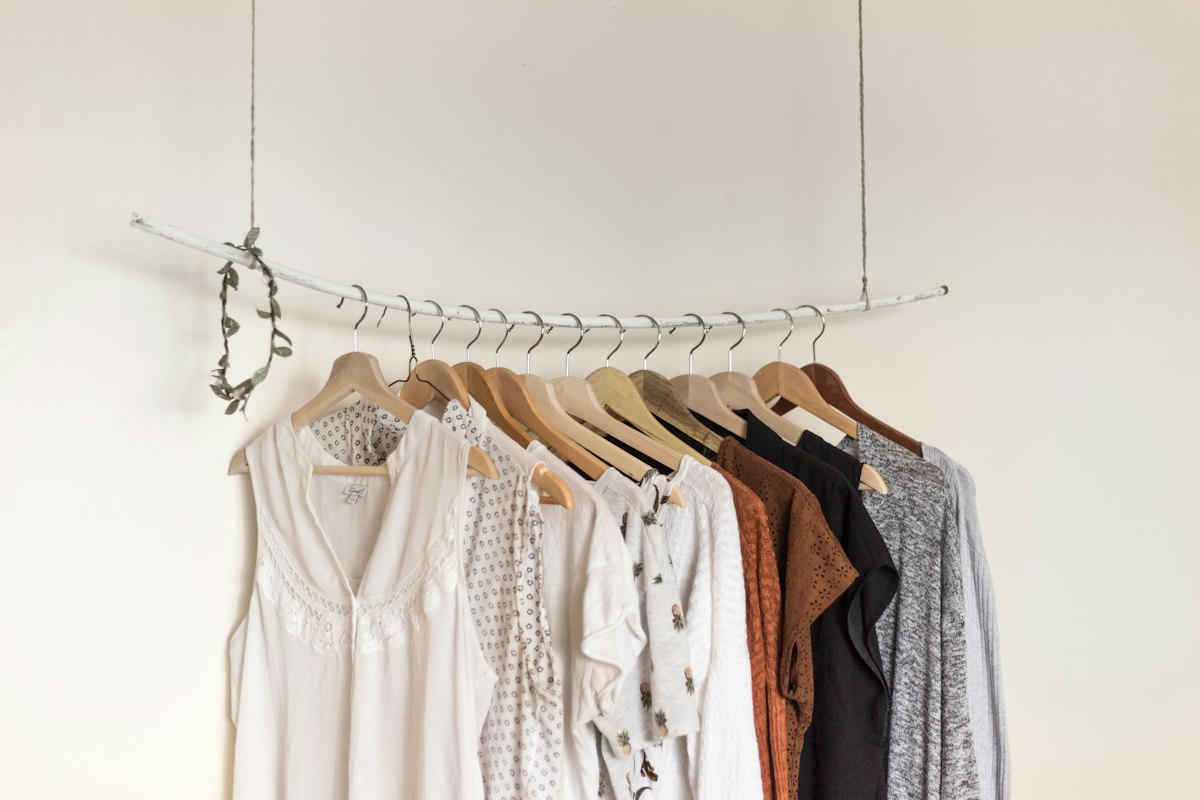
A capsule wardrobe is a small, curated collection of versatile pieces that can be mixed and matched to create a wide range of outfits. This is a great way to build a timeless and elegant wardrobe without having to own a lot of clothes. Focus on classic, high-quality staples in a neutral colour palette, and you’ll always have something chic and sophisticated to wear. A capsule wardrobe might consist of a tailored blazer, a crisp white shirt, a cashmere sweater, a pair of tailored trousers, a classic trench coat, a pair of dark-wash jeans, and a simple t-shirt. With these few key pieces, you can create a wide range of looks for any occasion.
The Importance of Grooming
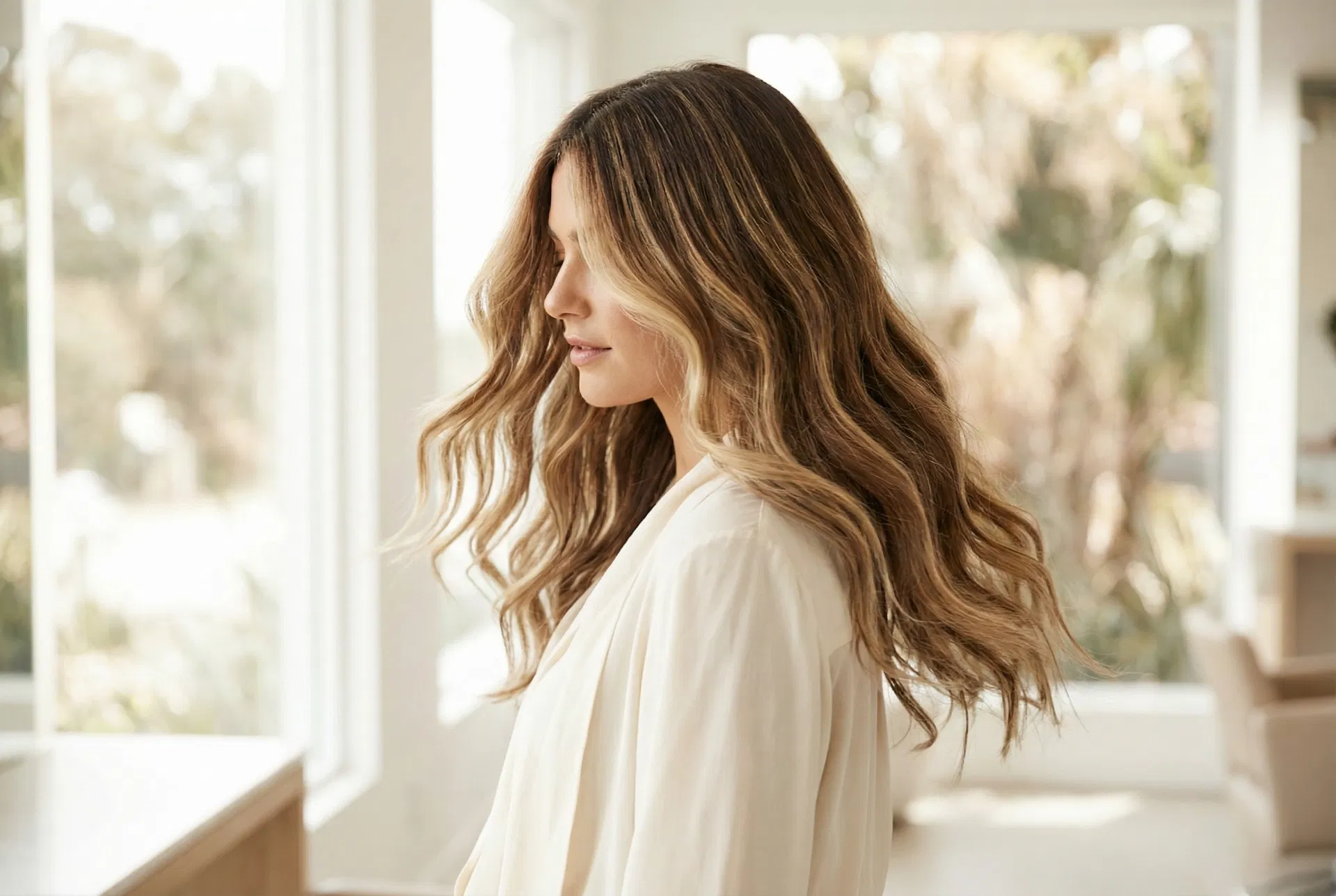
Polished grooming is an essential part of the old money aesthetic. This means keeping your hair and nails neat and tidy, and opting for a natural, understated approach to makeup. A simple, classic hairstyle and a subtle, signature scent are all you need to complete the look. The goal is to look healthy, polished, and put-together, not to look like you have spent hours in front of a mirror. A good skincare routine is essential, as is a regular visit to the hairdresser. These are the small investments that will pay dividends in the long run.
Regional Variations of the Old Money Aesthetic
While the core principles of the old money aesthetic remain the same, there are subtle regional variations that reflect the local culture and climate. The preppy style of the American East Coast, for example, is characterized by its love of bright colours and bold patterns, while the effortless elegance of Italian style is all about relaxed tailoring and luxurious fabrics. In the south of France, you might see a more relaxed, bohemian take on the old money aesthetic, with a focus on natural fabrics like linen and cotton. In the English countryside, you will find a more traditional, tweedy version of the look, with a focus on practicality and durability.
Frequently Asked Questions
What is the difference between old money and preppy?
While there is some overlap between the two styles, the old money aesthetic is generally more classic and understated than preppy style. Preppy style often incorporates brighter colours and bolder patterns, while the old money aesthetic favours a more neutral colour palette and subtle, timeless designs. Preppy style is also more closely associated with a specific subculture – that of the American Ivy League universities – while the old money aesthetic is a more general approach to style and luxury that can be found all over the world.
Can you wear logos with the old money aesthetic?
Generally speaking, the old money aesthetic avoids prominent logos. The focus is on the quality and craftsmanship of the garment, rather than the brand name. However, some discreet, heritage brands are acceptable. A small, embroidered logo on a polo shirt, for example, would be considered acceptable, while a large, flashy logo on a t-shirt would not.
What are some old money brands?
While the old money aesthetic is not about brand names, some heritage brands that are associated with this style include Loro Piana, Brunello Cucinelli, Hermès, and Savile Row tailors. These are brands that are known for their exceptional quality, timeless designs, and understated elegance. However, it is important to remember that the old money aesthetic is not about buying into a particular brand, but about cultivating a personal style that is based on quality, craftsmanship, and timeless design.
How can I look old money without being rich?
Cultivating the old money aesthetic is more about mindset than money. Focus on quality over quantity, invest in timeless pieces, and pay attention to fit and grooming. Thrifting and consignment shopping can also be a great way to find high-quality pieces on a budget. The key is to be patient and to have a clear idea of what you are looking for. Don’t be tempted by fleeting trends or impulse buys. Instead, focus on building a wardrobe of classic, versatile pieces that you will love for years to come.
Is the old money aesthetic a passing trend?
No, the old money aesthetic is a timeless style that has been around for generations. While it may be enjoying a moment in the spotlight, its core principles of quality, craftsmanship, and understated elegance will never go out of style. It is a philosophy of dressing and living that has stood the test of time, and it will continue to do so for generations to come.
What colours should I wear for an old money look?
A neutral colour palette is the foundation of the old money aesthetic. Think navy, beige, cream, white, and grey. These timeless colours are versatile and sophisticated, and they will never go out of style. They can be mixed and matched with ease, and they provide a perfect backdrop for a few carefully chosen accessories.
How do I create an old money capsule wardrobe?
To create an old money capsule wardrobe, focus on classic, high-quality staples in a neutral colour palette. A few key pieces to include are a tailored blazer, a crisp white shirt, a cashmere sweater, a pair of tailored trousers, a classic trench coat, a pair of dark-wash jeans, and a simple t-shirt. With these few key pieces, you can create a wide range of looks for any occasion. The key is to choose pieces that are versatile, well-made, and that you will love for years to come.
Conclusion
In a world that is constantly changing, the old money aesthetic offers a sense of stability and enduring style. It’s a philosophy that values quality over quantity, tradition over trends, and understatement over ostentation. By embracing the core principles of this timeless aesthetic, you can build a wardrobe and a lifestyle that is both elegant and authentic. It is a way of moving through the world with grace, confidence, and a quiet sense of self-assurance. It is a style that is not just for the wealthy, but for anyone who appreciates quality, craftsmanship, and the enduring power of classic design.