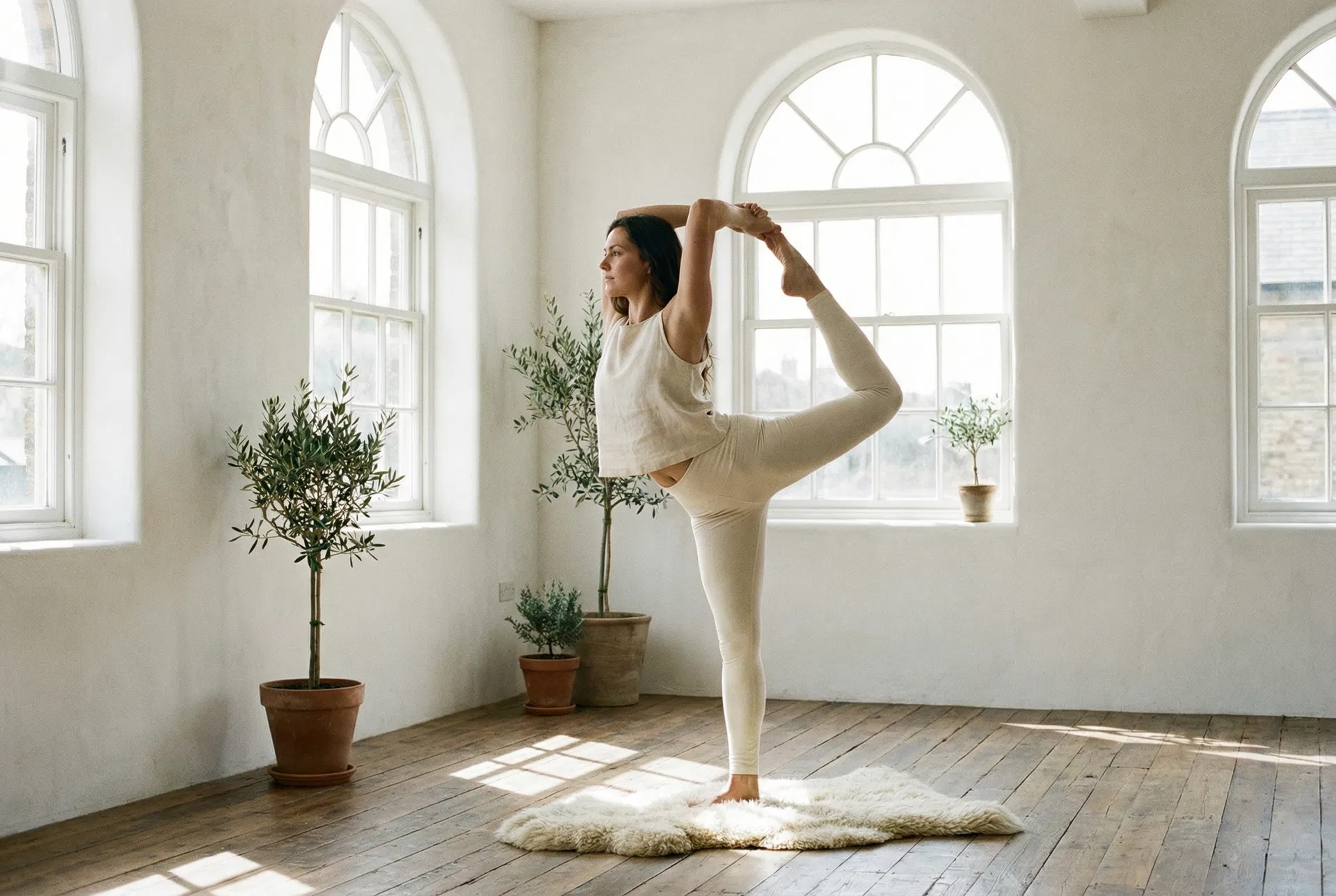
In the pursuit of a sculpted and graceful physique, discerning individuals are increasingly turning to Pilates, a method celebrated for its transformative effects on the body. More than just a fitness regimen, Pilates is an art form that refines posture, builds deep strength, and cultivates a profound connection between mind and muscle. It promises not the bulky musculature of traditional weight training, but a leaner, more elongated aesthetic—a body that is both strong and supple, exuding confidence from its very core. This article explores the world of Pilates, delving into how this sophisticated practice can be harnessed to sculpt the body, perfect posture, and unlock a new level of self-assurance.
The Pilates Philosophy: Core Strength and Precision
At the heart of Pilates lies a focus on the ‘powerhouse’—the corset of muscles that wrap around the centre of the body. By strengthening these deep abdominal, back, and pelvic floor muscles, Pilates creates a stable foundation from which all movement flows. This emphasis on core strength, combined with principles of concentration, control, and precision, results in a workout that is both physically challenging and mentally engaging. Unlike exercises that isolate individual muscles, Pilates works the body as an integrated whole, promoting balanced muscle development and preventing the imbalances that can lead to injury and poor posture.
Sculpting the ‘Pilates Body’: A Study in Aesthetics
The coveted ‘Pilates body’ is characterised by long, lean muscles, a defined waistline, and an effortlessly elegant posture. This aesthetic is not achieved through heavy lifting or high-impact cardio, but through controlled, resistance-based movements that lengthen and strengthen simultaneously. The consistent practice of Pilates encourages the development of type 1 (slow-twitch) muscle fibres, which are responsible for endurance and tone rather than bulk. This results in a sculpted, yet natural-looking physique that is both strong and gracefully aligned.
Mat vs. Reformer: Choosing Your Apparatus
The two primary modalities of Pilates are the mat and the reformer. While both are effective in their own right, they offer distinct experiences and benefits. Mat Pilates utilises your own body weight as resistance, making it an accessible and challenging workout that can be performed anywhere. The reformer, a bed-like frame with a sliding carriage and adjustable springs, provides both resistance and support, allowing for a wider range of exercises and a more targeted approach to muscle sculpting. The choice between them often comes down to personal preference, goals, and accessibility.
| Feature | Mat Pilates | Reformer Pilates |
|---|---|---|
| Equipment | Pilates Mat | Reformer Machine |
| Resistance | Bodyweight | Adjustable Springs |
| Cost | Lower | Higher |
| Accessibility | High (can be done anywhere) | Lower (requires studio access) |
| Variety | More limited range of exercises | Extensive range of exercises |
| Support | Less support, more challenging for beginners | More support, adaptable for all levels |
Beyond the Physical: Pilates and Body Confidence
The benefits of Pilates extend far beyond the physical. The intense focus and concentration required during a session foster a deep mind-body connection, enhancing body awareness and control. As you become more attuned to your body’s movements and capabilities, a newfound sense of confidence and self-assurance emerges. This is the true essence of the Pilates aesthetic: not just looking good, but feeling good—strong, centred, and in complete control of your body.
Frequently Asked Questions
How often should I do Pilates to see results?
For optimal results, it is recommended to practice Pilates 2-3 times per week. Consistency is key to developing the deep muscle strength and neuromuscular patterns that lead to visible changes in the body. However, even one session per week can contribute to improved posture, flexibility, and overall well-being.
Can Pilates help with weight loss?
While Pilates is not a high-intensity, calorie-burning workout like running or cycling, it can support weight loss efforts in several ways. It builds lean muscle mass, which increases your resting metabolic rate, and it can reduce stress and improve sleep, both of which are crucial for weight management. For significant weight loss, it is best to combine Pilates with a balanced diet and regular cardiovascular exercise.
Is Pilates suitable for beginners?
Pilates is highly adaptable and can be modified to suit all fitness levels, making it an excellent choice for beginners. The focus on controlled movement and proper form helps to build a strong foundation and prevent injury. It is advisable for beginners to start with a few private sessions or a beginner-level group class to learn the fundamental principles and exercises correctly.