The concept of beauty, far from being a universal or timeless absolute, is a fluid and ever-changing construct, meticulously shaped and reshaped by the prevailing currents of culture, art, and philosophy. During the Renaissance, a period of profound cultural and intellectual rebirth that swept across Europe from the 14th to the 17th century, the ideals of feminine beauty were intrinsically and inextricably linked to the burgeoning artistic movements, the revival of classical thought, and the rigid social hierarchies that governed every aspect of life. The portraits of Sandro Botticelli and Leonardo da Vinci, with their serene, ethereal, and often enigmatic female subjects, have left an indelible and enduring mark on our collective imagination. These masterpieces, which continue to captivate and inspire us centuries after their creation, not only defined the aesthetic sensibilities of their era but also cast a long and complex shadow that continues to touch upon our modern perceptions of what it means to be beautiful. This article delves into the defining features of Renaissance beauty, exploring the artistic and cultural forces that shaped these ideals, their subsequent evolution through the centuries, and their surprising and often overlooked resonance in contemporary life, from the rarefied catwalks of high fashion to the everyday rituals of self-care and self-expression.
The Canvas of Beauty: Ideals of the Renaissance Woman
In the bustling and competitive city-states of Renaissance Italy, a woman's beauty was far more than mere surface appearance; it was a powerful and multifaceted currency, a direct reflection of her inner virtue, a testament to her piety, modesty, and grace. The revival of classical thought during the Renaissance brought with it a renewed interest in the ancient Greek concept of 'kalokagathia,' which posited an intrinsic link between beauty (kallos) and goodness (agathos). A beautiful woman was, by extension, a good woman, and her physical appearance was seen as a window into her soul. This belief, deeply embedded in the cultural and intellectual fabric of the time, placed immense pressure on women of the upper classes to conform to a strict and often unforgiving set of aesthetic principles. The ideal woman was, in essence, a living work of art, a carefully constructed and meticulously maintained image designed to project not only her own social standing but also, and perhaps more importantly, the wealth, power, and prestige of her family. These standards, though seemingly distant and arcane to the modern observer, reveal a fascinating and complex interplay of social hierarchy, artistic innovation, the burgeoning philosophy of humanism, and the deeply ingrained patriarchal structures of the time.
The Allure of Pale Skin
A porcelain complexion, as pale and luminous as a freshwater pearl, was the undisputed hallmark of wealth and nobility in Renaissance society. It was a clear, stark, and unambiguous demarcation between the privileged lives of the aristocracy and the toil-filled existence of the working class. The skin of a noblewoman, shielded from the sun's rays by the walls of her palazzo, was a testament to a life of leisure, a life untouched by the necessity of manual labour. In contrast, the tanned and weathered skin of a peasant woman was a clear indicator of her station in life, a life spent working in the fields under the harsh glare of the sun. This deeply ingrained social symbolism fueled a fervent desire for a pale and flawless canvas, a desire that led to the widespread use of a variety of skin-whitening concoctions, some of which were dangerously toxic. Venetian ceruse, a cosmetic made from white lead, was particularly popular among the wealthy, prized for its ability to create a thick, opaque, and long-lasting layer of white on the skin. The devastating health risks of this product, which included severe skin damage, hair loss, and even death from lead poisoning, were often ignored or downplayed in the relentless pursuit of the fashionable pallor. This willingness to risk one's health for the sake of a fleeting and artificial ideal of beauty highlights the immense and often-crushing pressure on Renaissance women to conform to the era's beauty standards, a theme that resonates with startling and uncomfortable clarity in today's world of invasive cosmetic procedures, unregulated beauty treatments, and the relentless pursuit of a digitally enhanced and often-unattainable ideal of perfection.
The High Forehead: A Sign of Intelligence
Another striking and, to modern eyes, somewhat unusual feature of Renaissance portraiture is the high, rounded forehead. This was not a mere quirk of artistic convention but a highly desirable physical attribute, considered a sign of intelligence, nobility, and sophistication. To achieve this look, women of the upper classes would often pluck or even shave their hairlines, creating a more expansive and prominent brow that elongated the face and drew attention to the eyes. This practice, while seemingly extreme, underscores the importance of intellectualism and refinement in the Renaissance conception of beauty. It was not enough for a woman to be merely physically attractive; she was also expected to possess a keen mind, a cultivated spirit, and a familiarity with the arts and humanities. The high forehead, therefore, became a physical manifestation of these intellectual aspirations.
Golden Hair and Rosy Cheeks
Golden or reddish-blonde hair, often styled in intricate braids, elaborate updos, and adorned with pearls, ribbons, and delicate veils, was another defining hallmark of Renaissance beauty. This preference was heavily influenced by the enduring popularity of the poetry of Petrarch and his idealized descriptions of his beloved Laura, whose golden hair was a recurring motif. Women with naturally dark hair went to great lengths to achieve the fashionable blonde look, using various methods to lighten their tresses. A common practice was to coat the hair in a mixture of lemon juice and other natural bleaching agents and then sit in the sun for hours, a process that was both time-consuming and potentially damaging. For those who could not achieve the desired shade naturally, elaborate wigs made from silk or human hair were a popular alternative. Complementing the pale skin and golden hair were rosy cheeks and lips, which were seen as a sign of health, vitality, and youthful innocence. Natural dyes derived from plants such as sandalwood and insects like cochineal were used to create a subtle and delicate flush of colour, enhancing the overall impression of a woman who was both beautiful and virtuous.
!A Renaissance-era painting of a woman with pale skin and a high forehead.
The Artists as Arbiters of Beauty
The ideals of Renaissance beauty were not conceived in a vacuum; they were meticulously shaped, refined, and disseminated by the great artists of the period, who acted as the primary arbiters of taste and style. These masters of the brush and chisel, working under the patronage of the wealthy and powerful, established a potent and enduring visual language of beauty that would not only define their own era but also resonate for centuries to come. The paintings of Sandro Botticelli and Leonardo da Vinci, in particular, offer a captivating and invaluable window into the complex aesthetic sensibilities of the time. Their work reveals a world where art, beauty, and the burgeoning philosophy of humanism were inextricably intertwined, creating a cultural landscape in which the depiction of the human form, and particularly the female form, took on a new level of significance and meaning. The artists of the Renaissance did not merely reflect the beauty standards of their time; they actively created and codified them, presenting an idealized vision of femininity that was at once aspirational and deeply influential.
Botticelli's Ethereal Beauties
Sandro Botticelli's paintings, such as the iconic "The Birth of Venus" and the allegorical "Primavera," are populated by ethereal, otherworldly figures that have come to embody the very essence of the Renaissance ideal of feminine beauty. His Venus, emerging from the sea in a swirl of golden hair, her skin as pale and smooth as marble, her features delicate and refined, is the quintessential Renaissance beauty, a figure of almost impossible grace and perfection. Yet, Botticelli's women are not merely beautiful in a superficial sense; they are also imbued with a profound sense of grace, a gentle melancholy, and a palpable spiritual longing that elevates them beyond the realm of the purely physical. His work, with its emphasis on linear elegance, lyrical beauty, and the revival of classical mythology, played a crucial role in shaping and popularizing the aesthetic of the time. For those interested in the mathematical principles that have often been associated with our perception of beauty, our article on the fascinating concept of the golden ratio in beauty offers a deeper exploration of this timeless idea.
Leonardo da Vinci's Enigmatic Portraits
Leonardo da Vinci, the quintessential Renaissance man, approached the depiction of beauty with a unique and groundbreaking combination of artistic genius and scientific rigour. His portraits, such as the world-renowned "Mona Lisa" and the exquisitely rendered "Ginevra de' Benci," are celebrated not only for their technical mastery but also for their profound psychological depth and enduringly enigmatic quality. Leonardo was a master of sfumato, a revolutionary painting technique that involved the subtle blending of colours to create a soft, hazy, and almost dreamlike effect. He used this technique to masterful effect in his female subjects, creating a sense of mystery, allure, and inner life that was unprecedented in the art of his time. His insatiable curiosity and his pioneering studies of human anatomy and proportion also profoundly informed his depiction of beauty, resulting in portraits that are at once idealized and strikingly, almost uncannily, realistic. The history of cosmetics is a rich and fascinating topic, and for those interested in the evolution of specific products that have shaped our beauty rituals, our article on the captivating history of red lipstick provides a colourful and insightful read.
!A portrait of a woman in the style of Leonardo da Vinci, with a mysterious smile.
The Evolution of Beauty: From Renaissance to Modernity
The ideals of beauty are in a constant state of flux, a perpetual and often dizzying dance of evolution and transformation that mirrors the ever-changing cultural, social, and artistic currents of each passing era. The Renaissance, with its distinctive and highly codified emphasis on pale skin, high foreheads, and full, rounded figures, stands in stark and often surprising contrast to many of the beauty standards that have emerged in the centuries since. The willowy, almost androgynous figures of the 1920s, the voluptuous bombshells of the 1950s, and the waifish 'heroin chic' of the 1990s all represent radical departures from the Renaissance ideal. However, a closer and more nuanced examination reveals that the legacy of the Renaissance continues to influence our modern perceptions of beauty in a myriad of subtle, surprising, and often unconscious ways. From the enduring appeal of a luminous, 'glass-like' complexion to the timeless allure of a well-defined brow and the romanticism of a softly braided hairstyle, the echoes of the Renaissance can still be heard in the beauty conversations of the 21st century, a testament to the enduring power of this transformative period in cultural history.
A Shift in Silhouettes
One of the most significant and dramatic shifts in beauty standards since the Renaissance has been the relentless idealization of thinness. While the Renaissance celebrated a fuller, more rounded figure as a sign of health, wealth, and fertility, the 20th and 21st centuries have, for the most part, championed a much slimmer, more athletic, and often androgynous physique. This profound change can be attributed to a complex and interwoven tapestry of factors, including the rise of mass media and its powerful influence on our collective consciousness, the ever-shifting dictates of the fashion industry, and the changing social and economic conditions that have reshaped our lives and our bodies. The evolution of beauty ideals is a complex and multifaceted story, a narrative of shifting desires and cultural anxieties, and our dedicated article on this fascinating topic provides a more in-depth and comprehensive analysis of this ongoing transformation.
The Enduring Allure of Youth
Despite the myriad changes in beauty standards that have occurred over the centuries, one powerful and persistent constant has remained: the unwavering association of beauty with youth. The rosy cheeks, the smooth, unlined skin, and the vibrant, lustrous hair that were so highly prized in the women of the Renaissance are still, in many ways, the gold standard of beauty in the 21st century. The modern beauty industry, a global behemoth with its vast and ever-expanding array of anti-ageing creams, serums, injectables, and surgical treatments, is a powerful testament to our enduring and often-anxious desire to preserve the appearance of youth, to hold back the hands of time, and to maintain a youthful facade for as long as possible. This shared preoccupation with the fleeting nature of youthfulness serves as a powerful and poignant link between the beauty ideals of the Renaissance and our own, a reminder that some desires, it seems, are truly timeless.
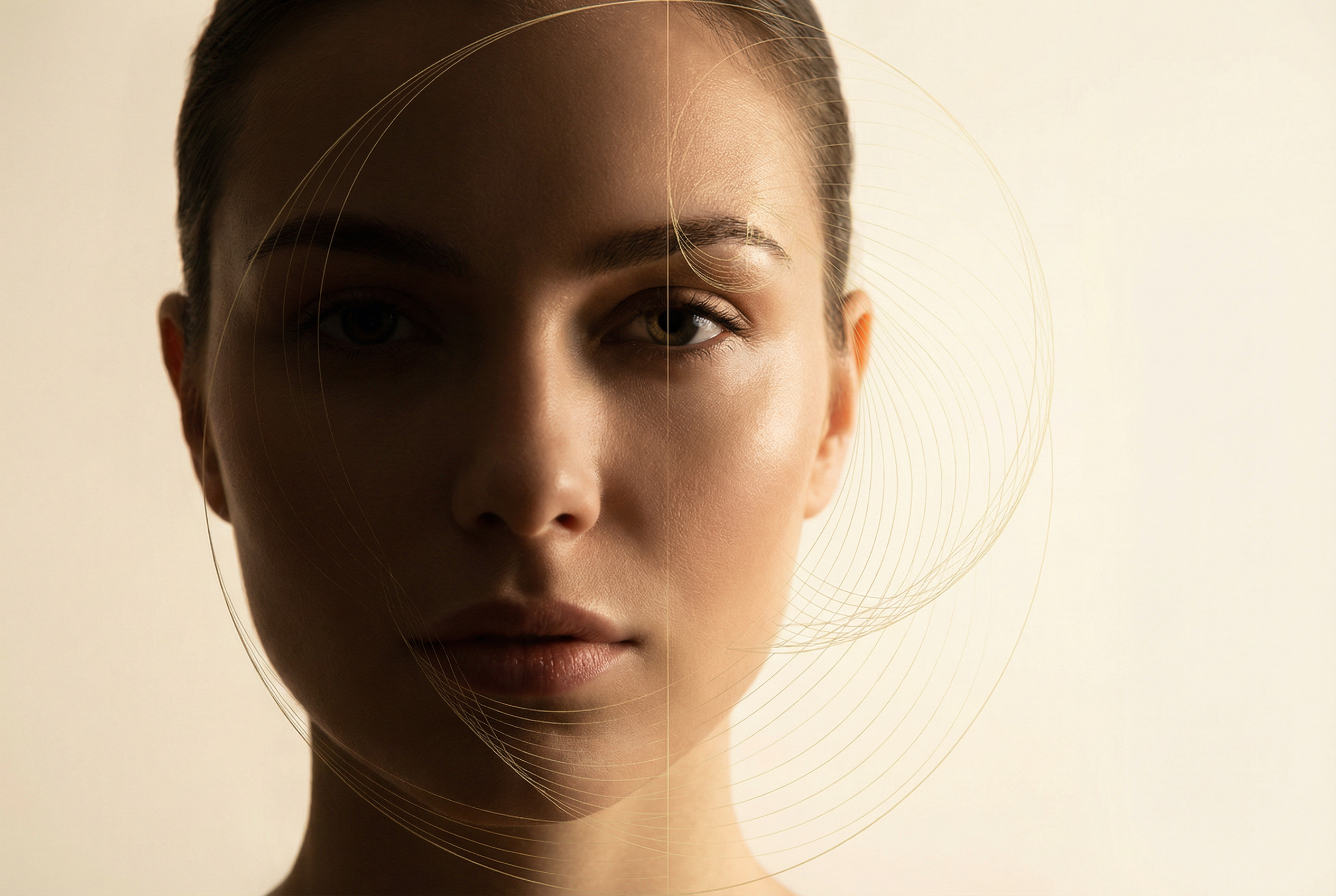
!A modern woman with a classic and timeless beauty, reminiscent of Renaissance portraits.
Renaissance vs. Modern Beauty: A Comparative Look
To better understand the profound evolution of beauty standards, it is illuminating to directly compare the ideals of the Renaissance with those that predominate in the modern era. The following table highlights some of the key differences and surprising similarities between these two distinct periods, offering a snapshot of our changing relationship with beauty, the body, and the self:
| Feature | Renaissance Ideal | Modern Ideal |
|---|---|---|
| Skin Tone & Texture | Pale, porcelain-like, matte finish. A sign of aristocracy. | Often a tanned or 'sun-kissed' glow, valued as a sign of health and leisure. Dewy or glass-like textures are also popular. |
| Body Shape & Size | A full, rounded figure with a soft stomach, wide hips, and ample bosom. A sign of wealth, health, and fertility. | Predominantly a slim, toned, and athletic build. Thinness is often equated with discipline and high social status. |
| Facial Features | High, plucked forehead; thin, arched eyebrows; a small, delicate mouth. | Fuller lips, defined cheekbones, and often thicker, more natural-looking eyebrows are currently in vogue. |
| Hair Colour & Style | Golden or reddish-blonde, often elaborately braided and styled with pearls and ribbons. | A wide and eclectic variety of colours and styles is embraced, from natural shades to bold, artificial hues. |
| Makeup Application | Used subtly to enhance natural features and create a youthful, innocent look. The goal was to appear naturally beautiful. | Can range from the 'no-makeup makeup' look to highly dramatic and artistic applications. Makeup is often used as a form of self-expression. |
| Source of Influence | Classical art and literature, religious iconography, and the patronage of the aristocracy. | Social media influencers, celebrity culture, the fashion and beauty industries, and global trends. |
Practical Tips for a Renaissance-Inspired Look
While we are fortunate enough to live in an age where we are not required to pluck our hairlines into oblivion or risk our health with lead-based cosmetics, there are still numerous ways to incorporate the timeless and romantic elegance of Renaissance beauty into our modern routines. The key is to look beyond the more extreme and often dangerous practices of the period and instead focus on the underlying principles of this enduringly appealing aesthetic – a luminous complexion, a sense of effortless grace, and a celebration of natural, albeit enhanced, beauty. By adapting these core concepts to our contemporary lifestyles and using the safe and effective products at our disposal, we can achieve a touch of Renaissance-inspired glamour without compromising our well-being. Here are a few practical and, most importantly, safe tips for channelling your inner Renaissance muse:
- Embrace a Luminous, Pearl-Like Complexion: The Renaissance was all about radiant, healthy-looking skin. To achieve this, focus on a consistent and effective skincare routine that prioritizes hydration and gentle exfoliation. Look for products containing ingredients like hyaluronic acid, vitamin C, and niacinamide to brighten and even out your skin tone. And while the Renaissance ideal was pale, the modern interpretation is to embrace and enhance your natural skin tone, whatever it may be. The goal is a luminous, 'lit-from-within' glow.
- Subtly Enhance Your Natural Features: The art of Renaissance makeup was to appear as if you were wearing no makeup at all. To achieve this, use a light hand and focus on subtly enhancing your eyes, lips, and cheeks. A cream blush in a soft rose or peach hue, blended well into the apples of the cheeks, will create a natural-looking flush. A touch of mascara to define the lashes and a hint of a berry-toned lip stain will complete the look. The key is to enhance, not to mask, your natural beauty.
- Experiment with Ethereal Hairstyles: Renaissance hairstyles were often intricate and romantic, with a focus on braids, twists, and soft, flowing waves. Try incorporating a simple braid into your hair, or pull it back into a soft, low bun. For a more formal look, consider a half-up, half-down style with loose waves. You can also adorn your hair with delicate accessories such as ribbons, pearl-adorned hairpins, or even a simple headband for a touch of Renaissance-inspired glamour.
- Cultivate the Beauty of the Mind and Spirit: Perhaps the most enduring and valuable lesson we can learn from the Renaissance is the belief that true beauty is a reflection of inner virtue. In an age that is often fixated on the superficial, take the time to cultivate qualities such as kindness, intelligence, empathy, and grace. Read books, engage in meaningful conversations, and pursue your passions. In the end, it is the beauty of the mind and spirit that truly shines through and leaves a lasting impression.
!A close-up of a woman applying natural-looking makeup.
Conclusion
The beauty standards of the Renaissance, with their unique and often paradoxical emphasis on an almost otherworldly pallor, a high, intellectual forehead, a virtuous and pious character, and a full, sensual figure, offer a fascinating and illuminating glimpse into a bygone era of profound cultural and artistic transformation. While many of these ideals may seem strange, restrictive, or even dangerously unhealthy to our modern sensibilities, they also reveal a culture that held a deep and profound appreciation for the power of art, the importance of inner beauty, and the enduring human desire to create, embody, and celebrate beauty in all its multifaceted forms. By delving into the rich and complex legacy of the Renaissance, we can gain a richer, more nuanced, and more critical appreciation for the complex, ever-evolving, and often contradictory nature of beauty itself, a concept that continues to captivate, challenge, and define us in the 21st century. The women of the Renaissance, with their powdered faces and plucked brows, may seem a world away from the beauty standards of today, but the questions they raise about the nature of beauty, the pressures of conformity, and the relationship between the inner and outer self are as relevant as ever.
Frequently Asked Questions
What were the primary beauty standards for women during the Renaissance?
The primary beauty standards for women during the Renaissance were a complex and highly codified set of ideals that emphasized a pale, almost translucent complexion, a high, rounded forehead, golden or reddish-blonde hair, rosy cheeks and lips, and a full, rounded figure with a soft stomach and ample hips. These ideals were not merely a matter of personal preference but were deeply intertwined with the social, cultural, and artistic values of the time, reflecting a society that prized wealth, status, and a very particular vision of feminine virtue.
How did women in the Renaissance achieve these demanding beauty standards?
Women in the Renaissance employed a wide and often ingenious variety of methods to achieve the desired look, some of which were relatively harmless, while others were extremely dangerous. To whiten their skin, they used cosmetics containing everything from simple rice powder to toxic white lead. To add a flush of colour to their cheeks and lips, they used natural dyes derived from plants and insects. To create the fashionable high forehead, they would pluck or even shave their hairlines, a practice that required considerable time and effort. And to lighten their hair, they would use a range of bleaching agents, from the relatively mild effects of lemon juice and sunlight to more potent and potentially damaging chemical concoctions.
What was the specific role of artists like Botticelli and Leonardo da Vinci in shaping the beauty standards of the Renaissance?
Artists like Sandro Botticelli and Leonardo da Vinci played a pivotal and profoundly influential role in shaping and popularizing the beauty standards of the Renaissance. As the leading cultural figures of their time, their work was not merely a reflection of the prevailing aesthetic but a powerful force in its creation and dissemination. Their paintings, with their highly idealized and often romanticized depictions of women, served as a visual guide to the aesthetic sensibilities of the time, presenting a vision of beauty that was at once aspirational and deeply influential. They were, in essence, the trendsetters of their day, and their work had a profound and lasting impact on the way that beauty was perceived and represented for centuries to come.
In what significant ways have beauty standards evolved since the end of the Renaissance?
Beauty standards have evolved in a number of significant and often dramatic ways since the end of the Renaissance. The most notable change has been the shift away from the ideal of a full, rounded figure towards a preference for a much slimmer and more athletic physique. This shift can be attributed to a wide range of factors, including changes in diet and lifestyle, the rise of the fashion industry, and the powerful influence of mass media. Additionally, the ideal of a pale complexion has been largely replaced by a preference for a tanned or 'sun-kissed' look, a change that reflects a shift in our perceptions of health and leisure. However, despite these changes, the association of beauty with youth and the use of cosmetics to enhance one's appearance have remained remarkably constant throughout the centuries.
Are there any specific aspects of Renaissance beauty that are still considered relevant in the 21st century?
Yes, absolutely. There are several aspects of Renaissance beauty that are still considered highly relevant and even fashionable in the 21st century. The emphasis on a luminous, radiant complexion, for example, is a cornerstone of modern skincare. The use of makeup to subtly enhance one's natural features, a practice that was highly valued in the Renaissance, is also a key component of the popular 'no-makeup makeup' look. And the belief that true beauty is a reflection of inner qualities such as kindness, intelligence, and grace is a concept that continues to resonate deeply in our modern world, reminding us that beauty is, and always has been, more than just skin deep.
Was beauty considered a sign of virtue in the Renaissance?
Yes, in the Renaissance, beauty was seen as an outward reflection of inner virtue. A beautiful woman was expected to be chaste, modest, and pious. This connection between beauty and morality was a central tenet of the era's aesthetic philosophy.
What were some of the dangerous beauty practices of the Renaissance?
Some of the most dangerous beauty practices of the Renaissance involved the use of cosmetics containing toxic ingredients such as white lead and mercury. These substances could cause a variety of health problems, including skin damage, hair loss, and even death.
Ultimately, the Renaissance serves as a powerful reminder that our ideals of beauty are not born in a vacuum. They are the product of a complex and ever-evolving interplay of artistic, cultural, and social forces. By understanding the past, we can better understand the present, and perhaps even begin to imagine a future where our definition of beauty is more inclusive, more diverse, and more deeply connected to the richness and complexity of the human experience.