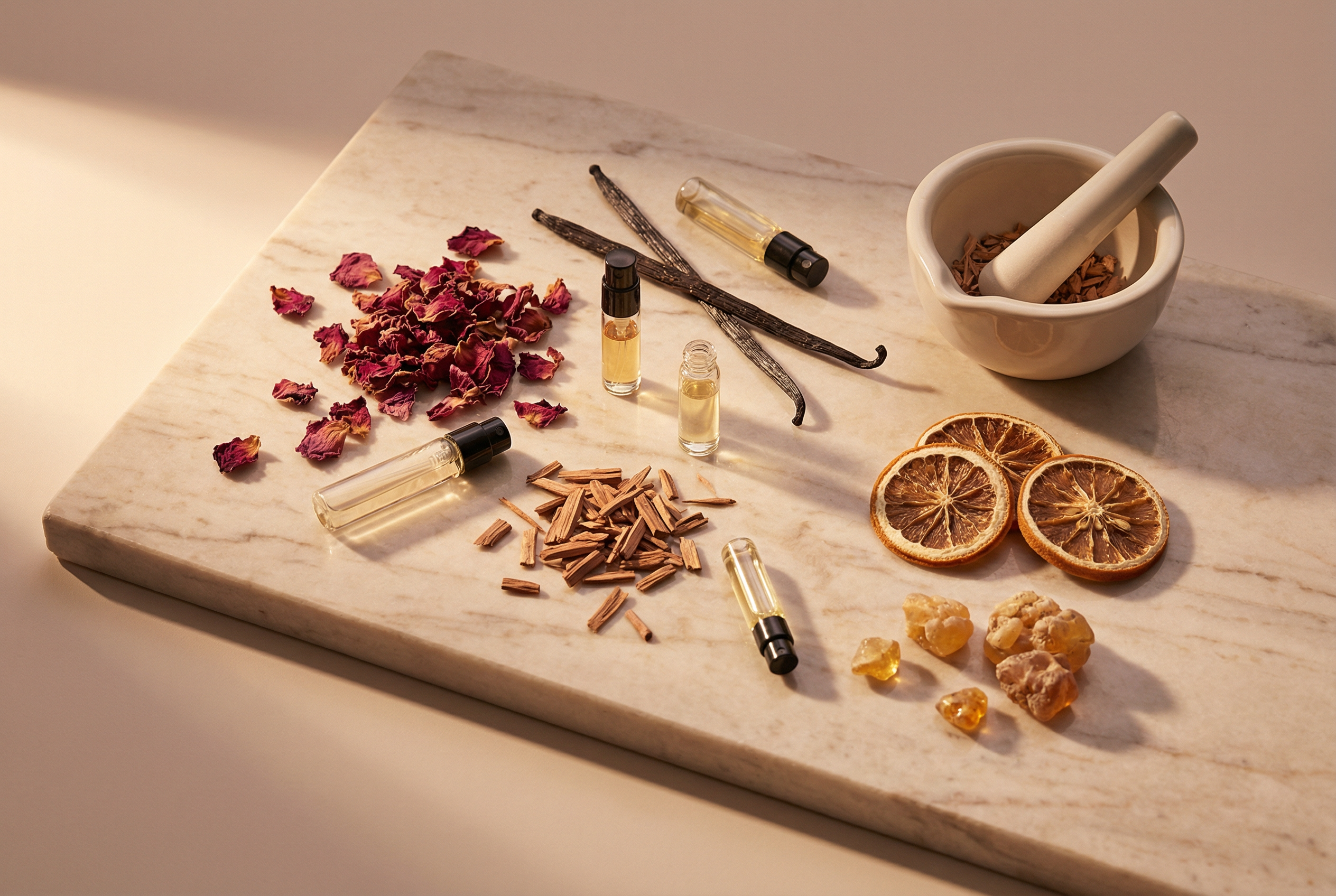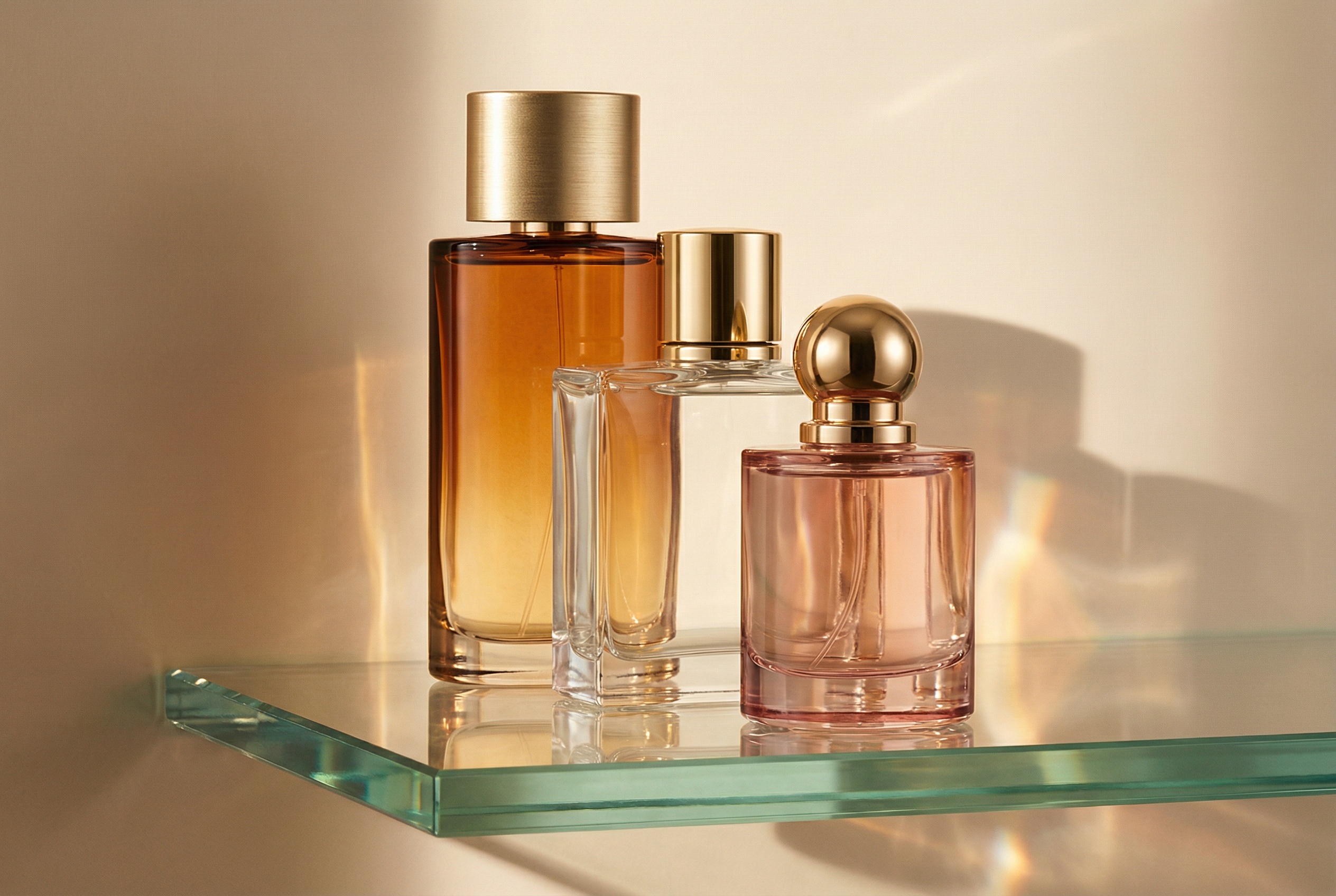
Choosing a signature scent is an intimate process, a declaration of identity captured in a bottle. It’s more than just a pleasant aroma; it’s an invisible accessory, a personal trademark that leaves a lasting impression. In a world saturated with fragrances, the journey to finding “the one” can feel overwhelming. This guide will navigate you through the olfactory landscape, from understanding fragrance families to the art of testing, helping you discover a scent that is unequivocally you.
The Art of Scent: More Than Just a Perfume
A signature scent is a powerful form of self-expression. It has the ability to evoke memories, alter moods, and define how others perceive us. The right fragrance can boost confidence, provide comfort, and become an integral part of your personal brand. It’s a subtle yet profound statement that communicates without words. Embarking on this journey is not about following trends, but about discovering a scent that resonates with your personal story and style. For those looking to delve deeper into unique and artisanal fragrances, exploring the world of niche perfumery can be a rewarding next step.
Understanding Fragrance Families: A Primer
To find your perfect match, it’s essential to understand the fundamentals of fragrance composition. Perfumes are categorized into “families” based on their dominant scent characteristics. The modern fragrance wheel is typically divided into four main families, each with its own sub-families.
The Fragrance Wheel
- Floral: The most traditional and largest family, encompassing everything from single flower notes (soliflores) to complex bouquets. Sub-families include Fruity, Floral, and Soft Floral.
- Amber: Previously known as Oriental, this family is characterized by its warm, rich, and often sensual notes. Think spices, resins, and sweet vanilla. Sub-families include Soft Amber, Amber, and Woody Amber.
- Woody: Dominated by earthy and smoky scents, this family is warm, dry, and sophisticated. Common notes include sandalwood, cedarwood, and vetiver. Sub-families include Woods, Mossy Woods, and Dry Woods/Leather.
- Fresh: This family is defined by its bright, clean, and zesty aromas. It includes citrus, green, and aquatic notes. Sub-families include Aromatic, Citrus, Water, and Green.
Understanding which family you are naturally drawn to is the first step in narrowing down your options. Do you prefer the scent of a blooming garden, the warmth of a crackling fire, or the crispness of a sea breeze?
How to Find Your Signature Scent: A Step-by-Step Guide
With a basic understanding of fragrance families, you can begin the exciting process of discovery. This is a journey of exploration, so be patient and enjoy the experience.
Step 1: Explore and Discover
Before you even set foot in a store, do some research. Think about the scents you enjoy in your daily life. Is it the smell of freshly cut grass, the aroma of your morning coffee, or the scent of old books? These preferences can offer clues to your ideal fragrance profile. Read reviews, browse online fragrance communities, and create a list of perfumes that pique your interest.
Step 2: Test and Experience
Testing a fragrance is the most crucial step. Never buy a perfume based on the first spritz. A fragrance evolves over time, revealing different facets of its character. When testing, spray the perfume directly onto your skin, preferably on your pulse points (wrists, neck). Avoid the paper blotters, as they don’t allow the scent to interact with your unique body chemistry. Live with the scent for a full day to experience its complete life cycle.
Step 3: Consider the Occasion
While the goal is to find a signature scent, you may discover that you want different fragrances for different occasions. A light, fresh scent might be perfect for the office, while a richer, more complex fragrance might be better suited for evening events. Building a “fragrance wardrobe” allows you to express different facets of your personality. Learn more about creating unique scent combinations in our guide to fragrance layering.
The Language of Scent: Understanding Notes
Perfumes are composed of individual scents, or “notes,” that are blended together to create a harmonious composition. These notes are classified into three categories based on their volatility.
Top, Middle, and Base Notes
- Top Notes: These are the initial scents you smell upon application. They are light, volatile, and evaporate quickly, typically within 15-30 minutes. Common top notes include citrus, herbs, and light florals.
- Middle Notes: Also known as the “heart” of the fragrance, these notes emerge after the top notes have faded. They form the main character of the perfume and are usually more rounded and complex. Common middle notes include florals, spices, and green notes.
- Base Notes: These are the final notes to appear, forming the foundation of the fragrance. They are rich, heavy, and long-lasting, lingering for hours. Common base notes include woods, resins, and musks.
Building a Fragrance Wardrobe
Just as you have different outfits for different seasons and occasions, you can have a collection of fragrances to suit your mood and setting. A fragrance wardrobe is a curated selection of scents that you love and that represent different aspects of your personality. You might have a fresh, energizing scent for daytime, a warm, sensual scent for evenings, and a light, clean scent for casual weekends. For those interested in environmentally conscious choices, exploring the best sustainable fragrance brands is a great way to build a thoughtful collection.
| Concentration | Perfume Oil | Longevity |
|---|---|---|
| Eau Fraiche | 1-3% | < 1 hour |
| Eau de Cologne (EDC) | 2-4% | ~ 2 hours |
| Eau de Toilette (EDT) | 5-15% | ~ 3 hours |
| Eau de Parfum (EDP) | 15-20% | 5-8 hours |
| Parfum / Extrait de Parfum | 20-30% | 8+ hours |
Frequently Asked Questions
How long does perfume last?
The longevity of a perfume depends on its concentration and the individual's skin chemistry. Higher concentrations, such as Eau de Parfum and Extrait de Parfum, contain more perfume oil and will last longer. On average, a good quality perfume can last anywhere from 4 to 8 hours.
What is the difference between Eau de Parfum and Eau de Toilette?
The primary difference lies in the concentration of perfume oil. Eau de Parfum (EDP) has a higher concentration (15-20%) than Eau de Toilette (EDT) (5-15%). This makes EDPs more potent and longer-lasting, while EDTs are lighter and more suitable for daytime wear.
How can I make my fragrance last longer?
To extend the life of your fragrance, apply it to well-moisturized skin. You can also spray it on your clothes and hair (from a distance). Storing your perfume in a cool, dark place away from direct sunlight and humidity will also help preserve its integrity.