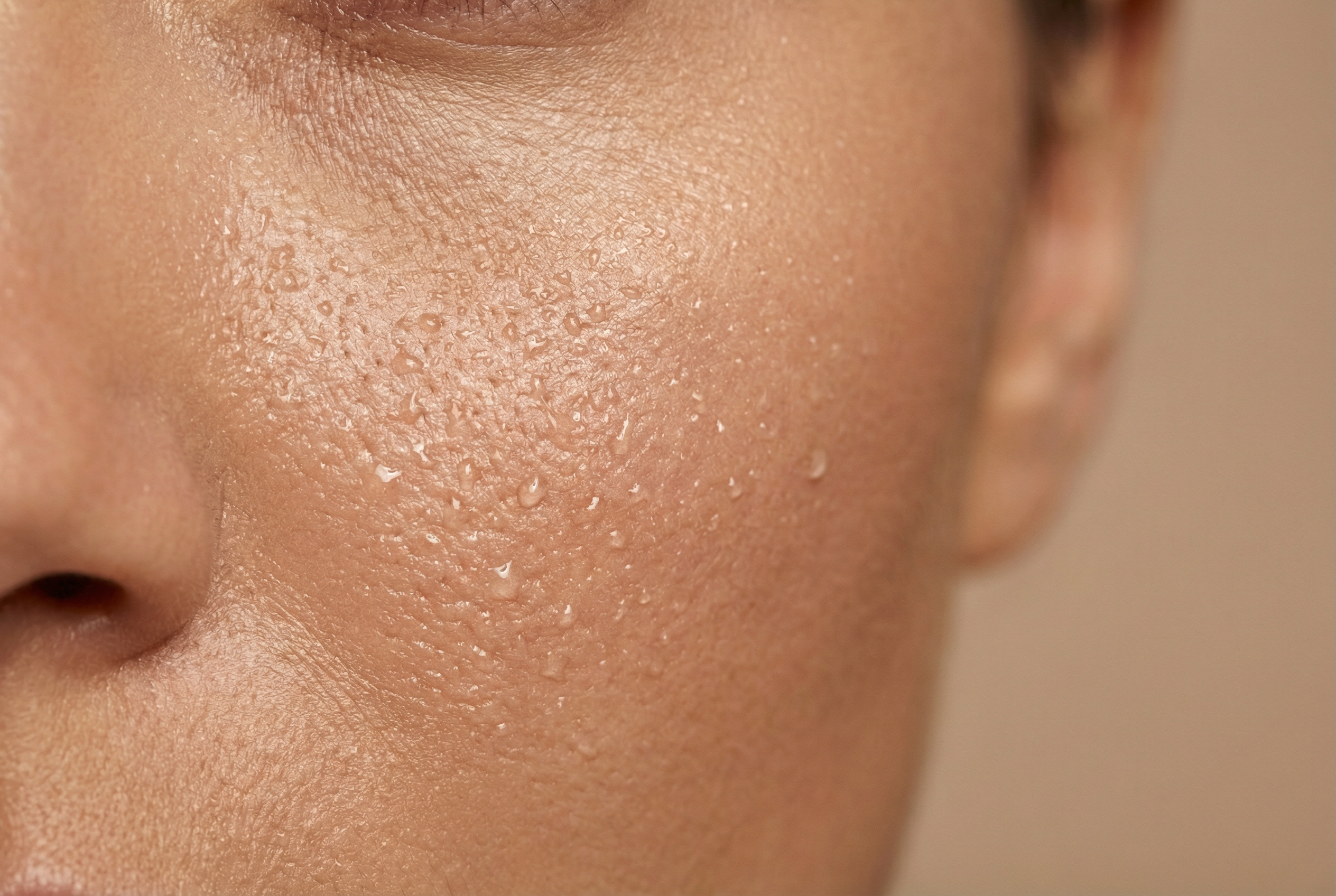
In the ever-evolving world of skincare, a new trend has emerged that promises to quench even the thirstiest of complexions: skin flooding. This technique, which has gained significant traction on social media, involves layering hydrating products in a specific order to deliver a surge of moisture to the skin. While the name might sound intense, the practice itself is a gentle and effective way to achieve a plump, dewy, and radiant complexion. This article will delve into the science behind skin flooding, provide a step-by-step guide to trying it at home, and explore who can benefit most from this super-hydrating routine.
What is Skin Flooding?
At its core, skin flooding is a maximalist approach to hydration. It’s the practice of layering multiple lightweight, moisture-rich products onto the skin to provide deep and long-lasting hydration. The goal is to create a reservoir of moisture within the skin's layers, leaving it feeling supple and looking luminous. Unlike traditional moisturizing, which often relies on a single, heavy cream, skin flooding utilizes a multi-step process that includes a hydrating cleanser, a toner or essence, a serum, and a moisturizer. The key is to apply these products to damp skin, which enhances absorption and locks in moisture.
The Science Behind Skin Flooding
The effectiveness of skin flooding lies in its strategic use of humectants and layering. Humectants are ingredients that attract water from the atmosphere and the deeper layers of the skin, drawing it to the surface. Think of them as moisture magnets. Key humectants used in skin flooding include:
- Hyaluronic Acid: A powerhouse humectant that can hold up to 1,000 times its weight in water.
- Glycerin: A classic, effective, and affordable humectant.
- Panthenol (Pro-vitamin B5): Both a humectant and an emollient, meaning it both attracts and locks in moisture.
- Niacinamide: A multi-tasking ingredient that also supports the skin barrier.
By applying these ingredients to damp skin, you are essentially creating a moisture sandwich. The dampness from the water and the humectants from the products work together to create a highly hydrated environment. The final layer of a more occlusive moisturizer then seals everything in, preventing transepidermal water loss (TEWL) and ensuring the hydration is locked in for the long haul.
How to Try Skin Flooding: A Step-by-Step Guide
Ready to give skin flooding a try? Here is a simple, four-step routine to get you started. Remember to apply each product to damp skin for maximum absorption.
| Step | Product | Application Notes |
|---|---|---|
| 1 | Hydrating Cleanser | Start with a gentle, pH-balanced cleanser that won’t strip the skin of its natural oils. For an in-depth guide on choosing a cleanser, see our article on The Best Cleansers for Every Skin Type. |
| 2 | Hydrating Toner or Essence | While your skin is still damp, apply a hydrating toner or essence. Look for formulas with ingredients like hyaluronic acid, glycerin, or rosewater. |
| 3 | Hydrating Serum | Next, apply a hydrating serum. This is where you can really customize your routine. Choose a serum with a high concentration of your preferred humectant. For more on serums, check out our Guide to Serums. |
| 4 | Moisturizer | Finally, seal it all in with a good moisturizer. The type of moisturizer you choose will depend on your skin type. If you have dry skin, you might opt for a thicker cream. If you have oily skin, a lightweight lotion or gel-cream will suffice. |
Who Can Benefit from Skin Flooding?
While skin flooding is generally safe and beneficial for most skin types, certain individuals will see the most dramatic results. These include:
- Individuals with Dry or Dehydrated Skin: This is the most obvious group to benefit from skin flooding. The intensive hydration can help to alleviate tightness, flakiness, and fine lines associated with dryness.
- Those with a Compromised Skin Barrier: If your skin barrier is damaged, it can lead to increased sensitivity, redness, and irritation. Skin flooding can help to repair and strengthen the barrier by providing it with the moisture it needs to function optimally. Learn more about repairing your skin barrier in our article on How to Repair a Damaged Skin Barrier.
- People Living in Dry Climates: Low humidity can wreak havoc on the skin, leading to dehydration. Skin flooding can help to counteract the effects of a dry environment.
- Anyone Looking for a Radiant Glow: Even if you don’t have particularly dry skin, skin flooding can give you that coveted “glass skin” look. The intense hydration plumps up the skin, making it look dewy and luminous.
Potential Pitfalls to Avoid
While skin flooding is a relatively straightforward technique, there are a few things to keep in mind to ensure you get the best results:
- Don’t Overdo It: While the goal is to flood the skin with moisture, it is possible to have too much of a good thing. If you have oily or acne-prone skin, using too many heavy products can lead to clogged pores and breakouts. Stick to lightweight, non-comedogenic formulas.
- Listen to Your Skin: Pay attention to how your skin responds. If you experience any irritation or breakouts, scale back on the number of products you are using or try different formulas.
- Don’t Forget to Exfoliate: For your hydrating products to penetrate effectively, you need to start with a smooth canvas. Regular exfoliation will remove dead skin cells that can prevent your products from being absorbed. However, be careful not to over-exfoliate, as this can damage the skin barrier.
Frequently Asked Questions
Can I try skin flooding if I have oily skin?
Yes, you can! The key is to use lightweight, non-comedogenic products that won’t clog your pores. Look for oil-free gel-creams and water-based serums. You may also want to use a lighter hand when applying products.
How often should I do skin flooding?
This depends on your skin’s needs. If you have very dry skin, you might want to do it daily. If you have combination or oily skin, you might find that a few times a week is sufficient. Listen to your skin and adjust accordingly.
Can skin flooding help with acne?
In some cases, yes. Acne can sometimes be exacerbated by dehydration, as the skin produces more oil to compensate for the lack of moisture. By keeping the skin well-hydrated, skin flooding can help to balance oil production and may improve acne. However, it is important to use non-comedogenic products and to consult with a dermatologist if you have severe acne.