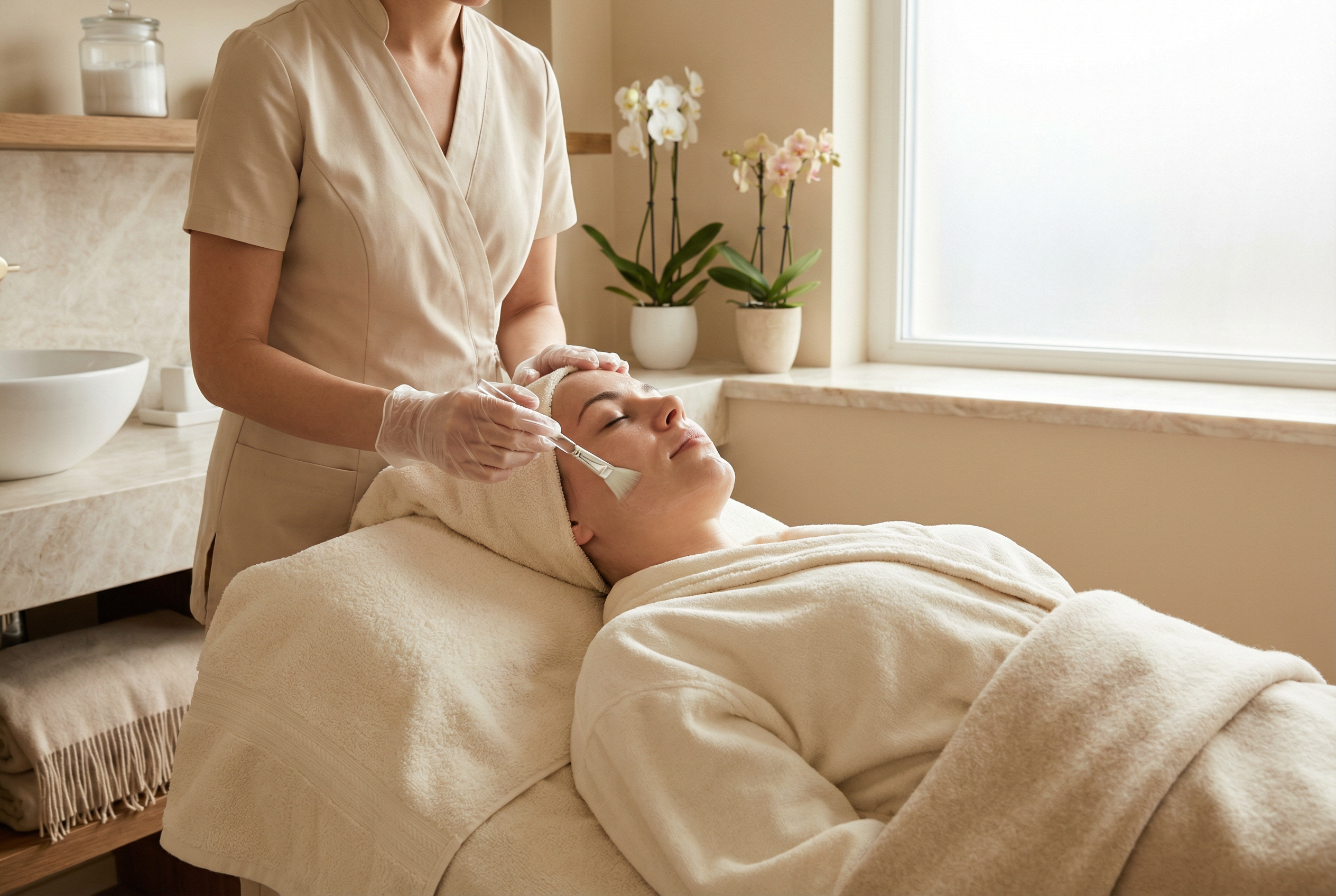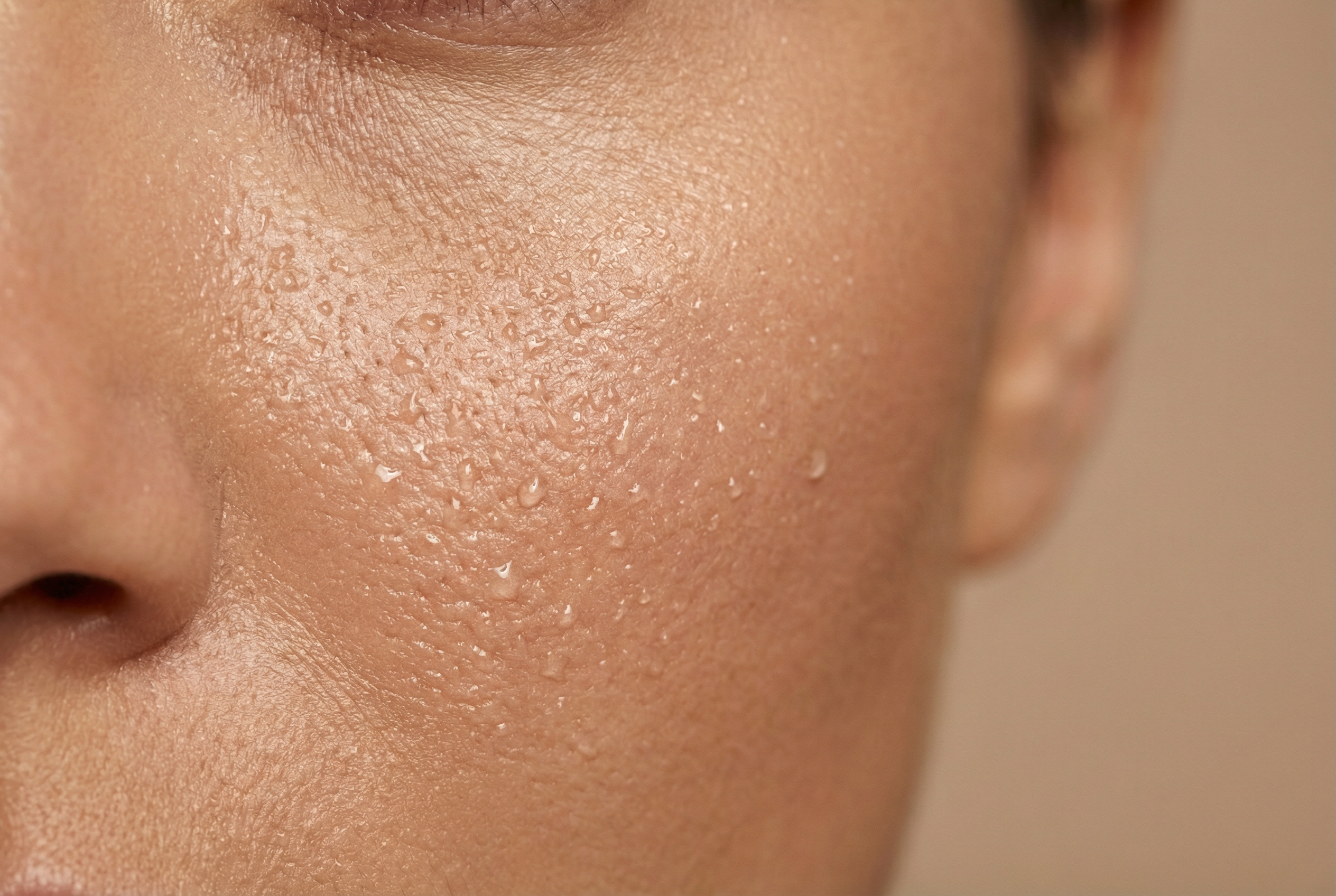
In the pursuit of a flawless complexion, we often focus on the products we apply to our skin's surface. We cleanse, tone, moisturise, and protect, yet an entire universe of life exists upon our skin that is largely invisible to the naked eye. This bustling metropolis of microorganisms, known as the skin microbiome, is the silent conductor of our skin's health and appearance. A harmonious and balanced microbiome is the secret to a resilient, radiant, and truly healthy complexion. Understanding and nurturing this delicate ecosystem is the next frontier in advanced skincare.
What is the Skin Microbiome?
The skin microbiome is a complex and dynamic community of trillions of microorganisms, including bacteria, fungi, viruses, and mites, that reside on the surface of our skin. Each person's microbiome is unique, like a fingerprint, and is influenced by factors such as genetics, age, lifestyle, and environment. In a healthy state, these microorganisms live in a symbiotic relationship with our skin, contributing to its overall well-being. This delicate balance is known as homeostasis.
Further reading: If you are considering working with a gut health specialist in London, our in-depth guide explores the functional medicine approach, advanced microbiome testing, and what to expect from a first consultation with a leading practitioner.
However, this equilibrium can be disrupted, leading to a state of imbalance called dysbiosis. This can be caused by a variety of factors, including the use of harsh or stripping cleansers, overuse of antibiotics, a diet high in processed foods, stress, and environmental pollutants. When the microbiome is compromised, it can no longer perform its protective duties effectively, leaving the skin vulnerable to a host of problems.
The Skin Microbiome's Role in Skin Health
A balanced skin microbiome is integral to maintaining a healthy and resilient skin barrier. It performs several critical functions:
- Protection Against Pathogens: Beneficial microbes on the skin act as a protective shield, competing with and inhibiting the growth of harmful, pathogenic bacteria that can cause infections and inflammation.
- Strengthening the Skin Barrier: The microbiome helps to maintain the integrity of the skin's physical barrier, preventing moisture loss and protecting against environmental aggressors.
- Regulating pH Levels: A healthy microbiome helps to maintain the skin's naturally acidic pH, which is crucial for optimal barrier function and inhibiting the growth of harmful bacteria.
- Controlling Inflammation: The microbiome communicates with the skin's immune system, helping to regulate inflammatory responses and prevent chronic inflammation, which is a key factor in many skin conditions.
When the microbiome is in a state of dysbiosis, it can contribute to a range of skin concerns, including acne, eczema, rosacea, and psoriasis. For example, an overgrowth of the bacterium Cutibacterium acnes is associated with acne, while a decrease in microbial diversity is often seen in individuals with eczema.
How to Nurture Your Skin Microbiome
Cultivating a healthy skin microbiome doesn't require a complete overhaul of your skincare routine. Instead, it's about making mindful choices that support this delicate ecosystem. Here are some key strategies:
- Gentle Cleansing: Avoid harsh, stripping cleansers that can disrupt the skin's pH and strip away beneficial microbes. Opt for gentle, pH-balanced formulas.
- Incorporate Prebiotics, Probiotics, and Postbiotics: These ingredients are becoming increasingly popular in skincare for their ability to support the microbiome.
- Diet and Lifestyle: A balanced diet rich in fibre, prebiotics (from foods like garlic, onions, and bananas), and probiotics (from fermented foods like yogurt, kefir, and kimchi) can support a healthy gut microbiome, which is closely linked to skin health. Managing stress and getting adequate sleep are also crucial.
| Biotic Ingredient | What It Is | What It Does | Examples of Ingredients |
|---|---|---|---|
| Prebiotics | A food source for the beneficial bacteria on your skin. | Helps to nourish and promote the growth of good bacteria, helping to rebalance the microbiome. | Inulin, Fructo-oligosaccharides, Xylitol, Rhamnose |
| Probiotics | Live bacteria that are beneficial for the skin. | Can help to strengthen the skin's barrier, reduce inflammation, and improve skin conditions like acne. | Lactobacillus, Bifidobacterium, Vitreoscilla Ferment |
| Postbiotics | The beneficial by-products of probiotics, such as enzymes and peptides. | Can help to improve skin hydration, reduce inflammation, and support a healthy skin barrier. | Lactic Acid, Hyaluronic Acid, Peptides |
Probiotics in Skincare: A Closer Look
The trend of probiotic skincare has gained significant momentum, with many brands launching products containing these beneficial bacteria. When applied topically, probiotics can help to reinforce the skin's natural defences and promote a healthy microbial balance. When choosing a probiotic skincare product, it's important to read the ingredient list to ensure it contains live and active cultures or fermented ingredients. Look for terms like 'ferment', 'lysate', or the specific names of bacterial strains.
The Gut-Skin Axis: A Key Connection
The health of our gut is intrinsically linked to the health of our skin, a concept known as the gut-skin axis. An imbalanced gut microbiome, or gut dysbiosis, can lead to systemic inflammation that can manifest on the skin in the form of acne, rosacea, and eczema. Nurturing your gut health through a balanced diet, probiotic supplements, and stress management can have a profound impact on your complexion.
Frequently Asked Questions
Can I use antibacterial soap on my face?
It is generally not recommended to use antibacterial soap on your face, as it can be overly harsh and strip the skin of its natural oils and beneficial bacteria. This can disrupt the skin microbiome and lead to dryness, irritation, and an increased risk of skin problems.
Are expensive probiotic skincare products worth it?
The effectiveness of a probiotic skincare product depends more on its formulation and the specific strains of bacteria it contains than on its price tag. Look for products from reputable brands that have conducted clinical studies to support their claims. It's also important to remember that a holistic approach, including a healthy diet and lifestyle, is key to a balanced microbiome.
How long does it take to see results from a microbiome-friendly skincare routine?
The time it takes to see results can vary depending on the individual and the specific skin concerns being addressed. However, with consistent use of a microbiome-friendly routine, you may start to notice improvements in your skin's hydration, texture, and overall appearance within a few weeks.
Can I take oral probiotics for my skin?
Yes, taking oral probiotics can be beneficial for your skin. As discussed in the context of the gut-skin axis, a healthy gut microbiome can help to reduce systemic inflammation and improve skin health. Look for a high-quality probiotic supplement that contains a variety of beneficial bacterial strains.