Navigating the world of skincare can feel overwhelming. With a seemingly endless stream of new products, miracle ingredients, and must-have treatments, it's easy to feel lost. But what if the secret to radiant, healthy skin wasn't about chasing the latest trend, but about something far more fundamental? What if it was about truly understanding your skin?
Your skin is as unique as your fingerprint, a complex and dynamic organ that acts as your body's first line of defence. Knowing your skin type is the cornerstone of effective skincare. It's the crucial first step that unlocks the door to a routine that works with your skin, not against it. Get it right, and you can address concerns, prevent future issues, and achieve the kind of balanced, glowing complexion you've always desired. Get it wrong, and you risk irritation, breakouts, and a cabinet full of ineffective products.
This comprehensive guide will demystify the world of skin types. We'll delve into the science behind why your skin behaves the way it does, provide you with practical methods to identify your specific type, and equip you with the knowledge to build a personalised skincare routine that delivers real, lasting results. Whether you're a skincare novice or a seasoned enthusiast, consider this your definitive manual to understanding the beautiful, complex world of your own skin.
What Determines Your Skin Type?
Before we can identify your skin type, it's essential to understand the factors that determine it. While genetics play the primary role in dictating your skin's baseline behaviour, several other internal and external factors can influence its condition and appearance. Think of your genetically determined skin type as your skin's factory settings; your lifestyle and environment are the software updates that can modify its performance.
The Genetic Blueprint
Your genes are the primary architects of your skin. They determine the number and activity of your sebaceous glands, which are responsible for producing sebum, the skin's natural oil. The amount of sebum your skin produces is the main differentiator between oily, dry, and combination skin types. Genetics also influence your skin's natural moisturising factor (NMF), its ability to retain water, and its predisposition to certain conditions like sensitivity, eczema, or rosacea.
The Role of Sebum
Sebum is a complex mixture of lipids that plays a crucial role in skin health. It lubricates the skin, protects it from moisture loss, and helps maintain the integrity of the skin's protective barrier. An overproduction of sebum leads to oily skin, characterised by a shiny appearance, enlarged pores, and a tendency for breakouts. Conversely, an underproduction of sebum results in dry skin, which can feel tight, rough, and appear dull. A balanced production of sebum is the hallmark of a normal skin type.
Other Influencing Factors
While you can't change your genetic makeup, you can manage the other factors that affect your skin. These include:
- Hormones: Hormonal fluctuations, particularly during puberty, pregnancy, and menopause, can significantly impact sebum production. Androgens, or male hormones, are known to increase sebum production, which is why acne is common during teenage years.
- Climate: Your environment plays a significant role. Cold, windy weather and low humidity can strip the skin of its natural oils, leading to dryness and irritation. Hot, humid weather, on the other hand, can increase sebum production and make the skin feel oilier.
- Lifestyle: Your daily habits have a profound effect on your skin. Diet, stress levels, sleep patterns, and even the amount of water you drink can all influence your skin's health and appearance. For example, a diet high in processed foods and sugar can trigger inflammation and exacerbate acne.
- Skincare Products: Using the wrong products for your skin type can disrupt its natural balance and lead to problems. Harsh, stripping cleansers can damage the skin barrier, while heavy, occlusive moisturisers can clog pores and cause breakouts.
Understanding these influencing factors is key to managing your skin effectively. By making conscious choices about your lifestyle and skincare, you can work with your skin's natural tendencies to achieve a healthy, balanced complexion.
The Fitzpatrick Scale: A Note on Skin Tone
While not a skin type in the same way as oily or dry, the Fitzpatrick scale is another important classification system in dermatology. Developed in 1975 by Dr. Thomas B. Fitzpatrick, this scale categorises skin based on its amount of pigment and its reaction to sun exposure. It is a useful tool for predicting your risk of sun damage and skin cancer.
- Type I: Always burns, never tans. Extremely sensitive to the sun.
- Type II: Burns easily, tans minimally.
- Type III: Sometimes burns, tans gradually to light brown.
- Type IV: Burns minimally, always tans to moderate brown.
- Type V: Rarely burns, tans profusely to dark brown.
- Type VI: Never burns, deeply pigmented dark brown skin.
Knowing your Fitzpatrick skin type can help you and your dermatologist make informed decisions about sun protection and certain cosmetic procedures. For example, individuals with higher Fitzpatrick types may be more prone to post-inflammatory hyperpigmentation after treatments like chemical peels or laser therapy.
How to Identify Your Skin Type
Now that you understand the factors that influence your skin, it's time to identify your specific type. This is a crucial step in creating an effective skincare routine. There are two simple methods you can use at home to determine your skin type: the Bare-Faced Method and the Blotting Sheet Method.
The Bare-Faced Method
This is the most straightforward way to determine your skin type. It involves observing how your skin behaves after cleansing. Here's how to do it:
1. Cleanse your face thoroughly: Use a gentle, mild cleanser to remove all makeup, dirt, and oil. A good cleansing routine is the foundation of healthy skin, and for a deep clean, you might consider the double cleansing method.
2. Pat your skin dry: Use a soft, clean towel and be gentle. Don't rub your skin, as this can cause irritation.
3. Wait for 30-60 minutes: During this time, don't apply any products to your skin. Let it return to its natural state.
4. Observe your skin: After the waiting period, look at your skin in a mirror and pay attention to how it feels.
- Dry Skin: Does your skin feel tight, rough, or even scaly? You likely have dry skin.
- Oily Skin: Does your face look shiny or greasy? You probably have oily skin.
- Combination Skin: Is your T-zone (forehead, nose, and chin) shiny, while your cheeks feel tight or normal? This is a classic sign of combination skin.
- Normal Skin: Does your skin feel comfortable, hydrated, and not too oily or dry? Congratulations, you have normal skin.
- Sensitive Skin: Does your skin feel itchy, red, or irritated after cleansing? You may have sensitive skin. Sensitivity can also be a characteristic of other skin types.
The Blotting Sheet Method
The blotting sheet method is a quicker way to assess your skin's sebum production. It's particularly useful for differentiating between oily and dry areas.
1. Press a blotting sheet on different areas of your face: Gently press a clean blotting sheet on your forehead, nose, chin, and cheeks.
2. Hold the sheet up to the light: Observe how much oil the sheet has absorbed.
- Oily Skin: The sheet will have absorbed a significant amount of oil from all areas of your face.
- Dry Skin: The sheet will have little to no oil on it.
- Combination Skin: The sheet will show oil from your T-zone, but not from your cheeks.
- Normal Skin: The sheet will have a minimal amount of oil from all areas.
!A woman looking at her reflection in the mirror to identify her skin type
Once you have identified your skin type, you can start to build a skincare routine that is tailored to your specific needs. Remember that your skin can change over time due to factors like age, hormones, and climate, so it's a good idea to reassess your skin type periodically.
The Five Core Skin Types: A Detailed Guide
Understanding your skin type is the first step, but knowing how to care for it is what truly matters. Here, we break down the characteristics and needs of the five primary skin types, offering tailored advice and product recommendations to help you achieve a healthy, balanced complexion.
Oily Skin
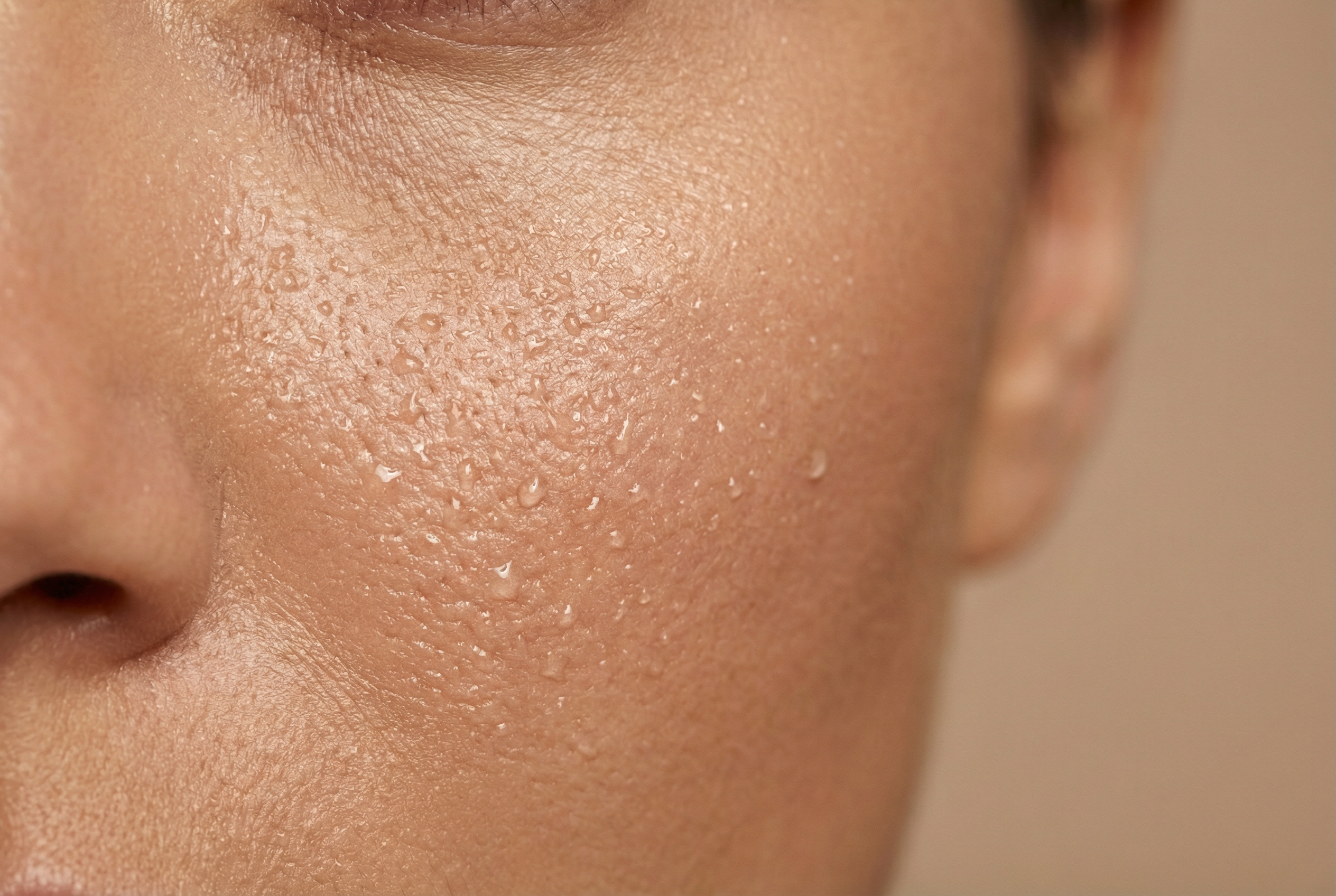
Oily skin is characterised by an overproduction of sebum, leading to a persistently shiny or greasy appearance. While this skin type is often associated with breakouts, the excess oil can also help to keep the skin looking plump and youthful.
Characteristics:
- Enlarged, visible pores, particularly on the nose, chin, and forehead.
- A shiny or greasy complexion.
- Prone to blackheads, whiteheads, and acne breakouts.
- Makeup may seem to "slide off" or disappear throughout the day.
Skincare Routine for Oily Skin:
The goal for oily skin is to control excess sebum and prevent clogged pores without stripping the skin of its natural moisture. Over-drying the skin can actually trigger a rebound effect, causing it to produce even more oil.
- Cleanser: A gel-based or light foaming cleanser is ideal. In the morning, a simple cleanse is sufficient. In the evening, a thorough double cleanse is highly recommended to break down makeup, sunscreen, and the day's accumulation of sebum. Look for cleansers with salicylic acid, a beta-hydroxy acid (BHA) that exfoliates inside the pore lining, or low concentrations of benzoyl peroxide for its antibacterial properties.
- Toner: An exfoliating toner can be a game-changer. After cleansing, sweep a toner with BHA (salicylic acid) or AHA (like glycolic or lactic acid) across the skin to remove any last traces of oil and dead skin cells, keeping pores clear. Our guide to chemical exfoliation provides an in-depth look at these powerful ingredients.
- Serums: Incorporate a serum to target specific concerns. A serum with niacinamide is an excellent choice for oily skin, as it helps to regulate sebum production, minimise the appearance of pores, and improve the skin's barrier function. You can learn more about the versatile benefits of niacinamide in our dedicated article.
- Moisturiser: Hydration is still crucial for oily skin. Dehydration can cause the skin to produce even more oil to compensate. Choose a lightweight, oil-free, gel or gel-cream moisturiser that is labelled 'non-comedogenic' to ensure it won't clog pores.
- Sunscreen: This is a non-negotiable final step. Oily skin types often prefer ultra-light, fluid, or gel-based sunscreens that dry down to a matte finish. Look for formulas that offer broad-spectrum SPF 30 or higher.
- Weekly Treatments: A clay mask (using bentonite or kaolin clay) once or twice a week can work wonders to draw out impurities and absorb excess oil. For active breakouts, a targeted spot treatment can be applied as needed.
Dry Skin
Dry skin produces less sebum than normal skin, resulting in a lack of the lipids needed to retain moisture and build a strong protective barrier. This can leave the skin feeling tight, rough, and looking dull.
Characteristics:
- A feeling of tightness, especially after cleansing.
- A dull, rough, or lacklustre complexion.
- Visible fine lines and wrinkles.
- Redness, flakiness, or a scaly appearance.
- Almost invisible pores.
Skincare Routine for Dry Skin:
The focus for dry skin is to replenish moisture, nourish the skin, and support its protective barrier. Gentle, hydrating products are your best friends.
- Cleanser: A milky, creamy, or even oil-based cleanser will be your best ally. These formulas cleanse the skin gently without stripping its precious natural oils. Avoid foaming cleansers which can be too harsh. Look for nourishing ingredients like ceramides, glycerin, hyaluronic acid, and oat extracts.
- Toner/Essence: After cleansing, apply a hydrating toner or essence. Unlike astringent toners of the past, these modern formulas are packed with humectants to add a layer of water-based hydration back into the skin before you seal it in with a moisturiser.
- Moisturiser: This is the hero product for dry skin. Don't be afraid of richer creams and balms. Apply a generous amount morning and night. Look for a combination of humectants (like hyaluronic acid, glycerin), emollients (like shea butter, squalane), and occlusives (like petrolatum, in moderation) to attract moisture, smooth the skin, and lock it all in.
- Serums & Oils: A hydrating serum is a must. A serum containing hyaluronic acid can hold up to 1000 times its weight in water, providing a significant hydration boost. You can also layer a facial oil on top of your serum or mix a few drops into your moisturiser for extra nourishment. Marula, jojoba, and rosehip oils are excellent choices.
- Gentle Exfoliation: Dry skin can lead to a build-up of dead skin cells, causing a dull appearance. Gentle exfoliation is important, but avoid harsh physical scrubs. Opt for a mild chemical exfoliant with lactic acid, which is a hydrating AHA, once or twice a week.
- Lifestyle Tips: Use a humidifier in your bedroom at night, especially during winter, to add moisture to the air. Avoid long, hot showers and baths, which can strip the skin's oils.
Combination Skin
Combination skin is, as the name suggests, a mix of two skin types: oily and dry (or normal). Typically, the T-zone (forehead, nose, and chin) is oily, while the cheeks are dry or normal.
Characteristics:
- An oily T-zone with enlarged pores.
- Dry or normal cheeks.
- Blackheads and breakouts are common in the T-zone.
- May experience both flakiness and oiliness at the same time.
Skincare Routine for Combination Skin:
Caring for combination skin can be tricky, as you need to address two different concerns simultaneously. The key is to find a balance.
- Cleanser: A low-foaming gel or cream-to-foam cleanser often works best. It needs to be effective enough to cut through the oil in the T-zone but gentle enough not to leave the cheeks feeling tight and uncomfortable.
- Toner: A balancing toner can help to normalise the skin. You can apply a hydrating toner all over, or use an exfoliating toner on the T-zone only.
- Serums: This is where you can really tailor your routine. You could apply a niacinamide serum to your T-zone to help control oil, and a hyaluronic acid serum to your cheeks for a boost of hydration. Or, use a single, well-formulated serum that addresses both concerns all over.
- Moisturiser: Finding the right moisturiser can be a challenge. A mid-weight lotion or gel-cream is often the best choice. You can also use two different moisturisers: a lightweight one for the T-zone and a more nourishing one for the cheeks.
- Multi-Masking: This is where combination skin can have some fun. Apply a purifying clay mask to your T-zone to tackle oil and congestion, while simultaneously applying a creamy, hydrating mask to your cheeks. It's the perfect customised treatment.
Sensitive Skin
Sensitive skin is not a skin type in itself, but rather a condition that can accompany any of the other skin types. It is characterised by a heightened reactivity to products and environmental factors, often resulting in redness, itching, burning, or stinging.
Characteristics:
- Skin that is easily irritated by new products or environmental changes.
- Redness, itching, burning, or stinging sensations.
- A tendency towards inflammatory conditions like rosacea, eczema, or contact dermatitis.
- Visible broken capillaries.
Skincare Routine for Sensitive Skin:
The mantra for sensitive skin is "less is more." The goal is to soothe, calm, and protect the skin while avoiding potential irritants.
- Cleanser: A gentle, non-foaming, cream or balm cleanser is the safest bet. It will clean your skin without disrupting its delicate barrier. Look for milky, soothing formulas.
- Moisturiser: A simple, nourishing moisturiser with minimal ingredients is key. Look for formulas that contain skin-repairing ingredients like ceramides, cholesterol, and fatty acids, which help to reinforce the skin's protective barrier.
- Avoid Irritants: This is crucial. Steer clear of fragrance (both synthetic and natural essential oils), drying alcohols (like SD alcohol), and harsh exfoliants. Always check the ingredients list.
- Introduce New Products Slowly: When you want to try a new product, introduce only one at a time. This way, if you do have a reaction, you'll know exactly what caused it. Always patch-test for at least 24-48 hours.
- Sunscreen: Mineral sunscreens, which use zinc oxide and titanium dioxide as their active ingredients, are generally better tolerated by sensitive skin than chemical sunscreens. Zinc oxide is also known for its anti-inflammatory properties.
- Look for Soothing Ingredients: Build a routine around ingredients known for their calming properties. Centella asiatica (also known as cica or tiger grass), chamomile, calendula, aloe vera, and colloidal oatmeal are all excellent choices.
!A close-up of a woman's cheek showing the calming effect of a soothing skincare product
Normal Skin
Normal skin is the gold standard, the happy medium. It is well-balanced, with just the right amount of sebum production to keep it hydrated and protected without being oily. It is not prone to sensitivity or breakouts.
Characteristics:
- A smooth, even texture and tone.
- Minimal to no blemishes.
- Small, barely visible pores.
- A healthy, radiant glow.
Skincare Routine for Normal Skin:
If you have normal skin, your primary goal is to maintain its health and protect it from environmental damage. A simple, consistent routine is all you need.
- Cleanser: You have the flexibility to choose almost any type of cleanser, from gel to cream to balm. The key is to use something that leaves your skin feeling comfortable and clean, not tight or greasy.
- Moisturiser: A mid-weight lotion or cream will provide the perfect amount of hydration to maintain your skin's balance. Your needs may change with the seasons, so you might prefer a lighter lotion in the summer and a slightly richer cream in the winter.
- Sunscreen: This is the most important step in any routine to prevent premature ageing and skin cancer. Choose a broad-spectrum sunscreen with an SPF of 30 or higher that you enjoy wearing every day.
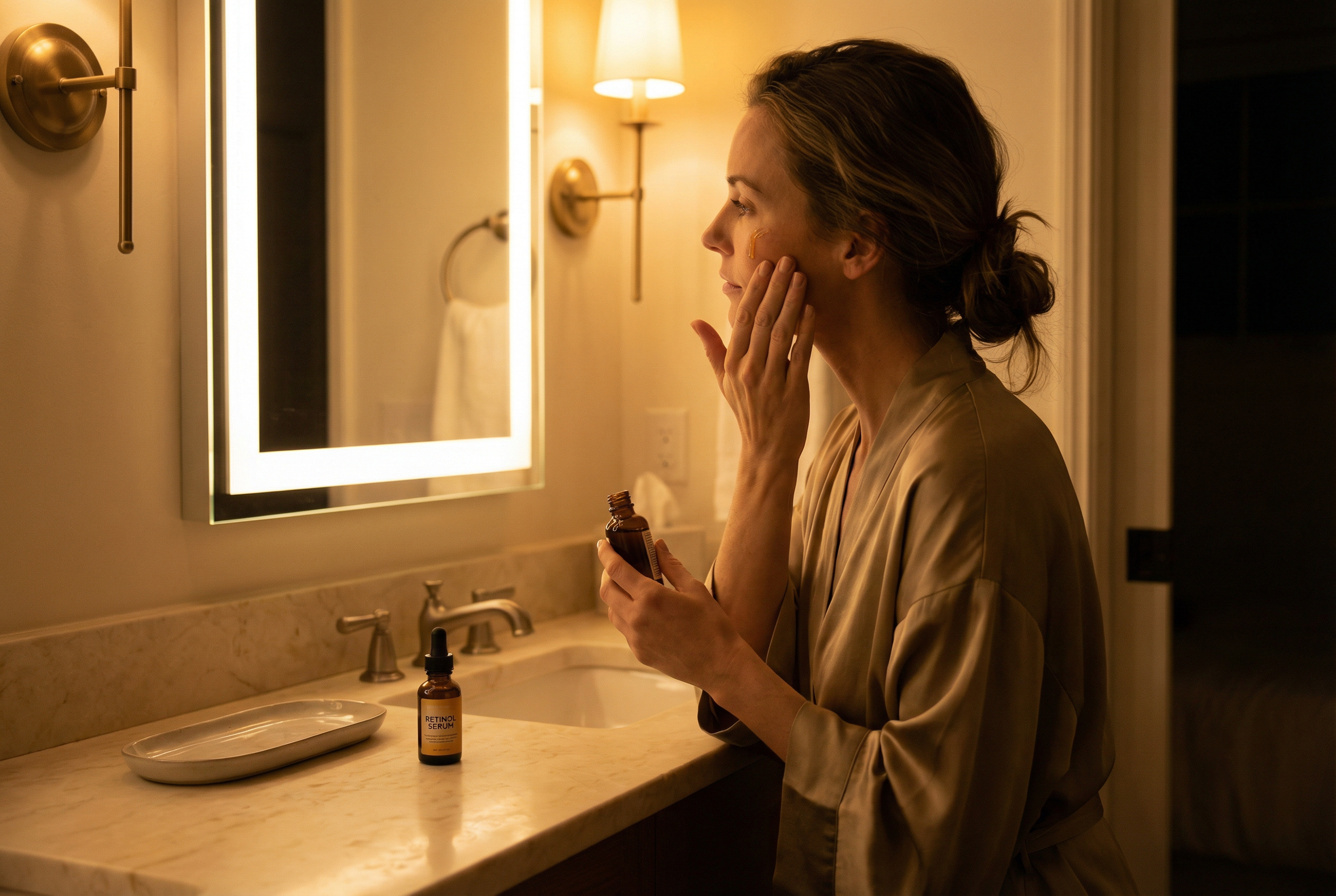
- Targeted Treatments: While you may not have major concerns, you can still incorporate treatments to optimise your skin's health. A Vitamin C serum in the morning will provide antioxidant protection and a radiant glow. A gentle retinoid at night can help to keep your skin smooth and firm as you age.
Beyond the Core Five: Other Skin Considerations
While the five-type system provides a solid framework, human skin is rarely so simple. Many other factors and conditions can coexist with your primary skin type, influencing its behaviour and needs. Understanding these nuances is key to truly personalising your skincare.
Acne-Prone Skin
Acne is a condition, not a skin type, and it can affect anyone, although it is most commonly associated with oily skin. It occurs when hair follicles become clogged with oil and dead skin cells, leading to blackheads, whiteheads, pimples (pustules), and cysts. Managing acne-prone skin requires a consistent routine focused on exfoliation, controlling bacteria, and reducing inflammation, often incorporating ingredients like salicylic acid, benzoyl peroxide, and retinoids.
Mature Skin
As we age, our skin naturally undergoes changes. Cell turnover slows down, and the production of collagen, elastin, and hyaluronic acid decreases. This leads to the common signs of ageing: fine lines and wrinkles, loss of firmness and elasticity, and increased dryness. A skincare routine for mature skin should focus on hydration, stimulating collagen production (with ingredients like retinoids and peptides), and protecting against further environmental damage with antioxidants and diligent sun protection.
Dehydrated Skin
It is crucial to distinguish between dry skin and dehydrated skin. Dry skin is a type that lacks oil. Dehydrated skin is a condition that lacks water. Any skin type—even oily—can become dehydrated. Dehydration can be caused by factors like sun exposure, a damaged skin barrier, or not drinking enough water. Dehydrated skin often looks dull and can show premature fine lines. The solution is to incorporate humectants like hyaluronic acid and glycerin into your routine to draw water into the skin.
The Skin Microbiome
A new frontier in skincare science is the understanding of the skin microbiome. Your skin is home to a diverse ecosystem of trillions of microorganisms, including bacteria, fungi, and viruses. A balanced microbiome is essential for a healthy skin barrier and a properly functioning immune system. When this ecosystem is disrupted (a state called dysbiosis), it can lead to conditions like acne, eczema, and rosacea. The use of pre-, pro-, and post-biotic skincare is an emerging trend aimed at supporting and nurturing a healthy skin microbiome.
Skin of Colour
Melanin-rich skin has its own unique characteristics and concerns. While the increased melanin provides some natural protection against UV radiation (though sunscreen is still essential!), it also makes the skin more susceptible to certain issues. Post-inflammatory hyperpigmentation (PIH)—the dark spots that can appear after an injury like a pimple or a scratch—is a common concern. Conditions like melasma are also more prevalent. Skincare for skin of colour should focus on gentle treatment of acne, diligent sun protection to prevent and treat hyperpigmentation, and the use of ingredients like Vitamin C, niacinamide, and retinoids to even out skin tone.
Skin Type Comparison Table
| Skin Type | Key Characteristics | Primary Concerns | Recommended Ingredients |
|---|---|---|---|
| Oily | Shiny appearance, enlarged pores, prone to breakouts | Excess oil, clogged pores, acne | Salicylic Acid, Benzoyl Peroxide, Niacinamide, Clay |
| Dry | Feels tight, looks dull, visible fine lines | Dehydration, flakiness, compromised barrier | Hyaluronic Acid, Ceramides, Shea Butter, Glycerin |
| Combination | Oily T-zone, dry or normal cheeks | Balancing oil production, addressing different needs | Niacinamide, Hyaluronic Acid, Salicylic Acid (targeted) |
| Sensitive | Easily irritated, prone to redness and itching | Inflammation, reactivity, compromised barrier | Centella Asiatica (Cica), Chamomile, Aloe Vera, Ceramides |
| Normal | Well-balanced, smooth texture, minimal blemishes | Maintenance, prevention of future damage | Vitamin C, Hyaluronic Acid, Antioxidants, SPF |
!A diagram showing the different zones of the face for combination skin
Frequently Asked Questions
Can my skin type change over time?
Absolutely. While your genetic predisposition to a certain skin type remains the same, its condition can change due to a variety of factors. Hormonal shifts during puberty, pregnancy, or menopause can significantly alter sebum production. Your skin can also become drier with age as oil and collagen production naturally declines. Environmental factors, such as moving to a different climate, can also have a major impact. It's a good practice to reassess your skin periodically, perhaps seasonally, to see if your routine needs adjusting.
Is it possible to have sensitive and oily skin at the same time?
Yes, it is very common. Sensitivity is not a skin type in itself, but rather a condition that can be present with any skin type. You can have oily and sensitive skin, which means you'll need to be careful to choose products that control oil and prevent breakouts without causing irritation. Look for gentle, non-comedogenic formulations with calming ingredients.
How long does it take to see results from a new skincare routine?
It depends on the products and the concerns you are addressing. Generally, it takes about 28 days for your skin to go through a full cycle of cell turnover, so you should start to see some changes within a month. For active ingredients that target concerns like acne or hyperpigmentation, it can take up to three months of consistent use to see significant results. Patience and consistency are key.
Do I really need to wear sunscreen every day, even if I'm indoors?
Yes, without a doubt. UVA rays, which are responsible for premature ageing, can penetrate through windows. This means that even if you're sitting by a window at home or in the office, your skin is still being exposed to damaging UV radiation. Making a broad-spectrum sunscreen with at least SPF 30 a non-negotiable part of your daily routine is the single best thing you can do to protect your skin's health and appearance long-term.
What is the difference between dry and dehydrated skin?
This is a common point of confusion. Dry skin is a skin type that lacks oil because it produces less sebum. Dehydrated skin is a condition that lacks water. Any skin type, even oily skin, can become dehydrated. Dry skin often feels rough and flaky, while dehydrated skin can look dull and show fine lines more prominently. The solution for dry skin is to add oil-based, nourishing products, while the solution for dehydrated skin is to add water-based, hydrating products containing ingredients like hyaluronic acid.
Are expensive skincare products always better?
Not necessarily. The price of a product doesn't always correlate with its effectiveness. What matters most is the formulation, the concentration of active ingredients, and whether the product is right for your specific skin type and concerns. There are many excellent and affordable skincare brands available that use proven, science-backed ingredients. The key is to become a savvy label-reader and focus on the ingredients list rather than the price tag.
Should I incorporate 'actives' like retinol and Vitamin C into my routine?
Active ingredients can be incredibly beneficial for targeting specific skin concerns. Vitamin C is a powerful antioxidant that can brighten the complexion and protect against environmental damage, making it a great addition to most morning routines. Retinoids are the gold standard for anti-ageing and can also be effective for acne, but they can be irritating, especially for sensitive skin. It's best to introduce actives one at a time and start with a low concentration to allow your skin to acclimatise. For guidance on powerful ingredients like these, our article on the benefits of niacinamide for skin is a great place to start.
The Journey to Healthy Skin
Understanding your skin type is not a one-time diagnosis but the beginning of a lifelong journey of discovery. Your skin is a living, breathing organ that communicates its needs to you every day. By learning to listen to it—by observing its changes, understanding its reactions, and responding with the right care—you empower yourself to achieve the best skin of your life.
Building the perfect skincare routine is a process of trial and discovery. What works for someone else, even someone with the same skin type, may not work for you. Be patient, be consistent, and don't be afraid to experiment (safely, of course!). The knowledge you've gained from this guide is your map and compass. Use it to navigate the vast landscape of skincare with confidence, making informed choices that will lead you to a destination of healthy, radiant, and resilient skin.
Remember, the goal is not to achieve 'perfect' or 'flawless' skin, but to cultivate healthy skin that you feel comfortable and confident in. Embrace your unique skin, care for it with intention, and it will thank you with a vibrant glow that reflects your inner health and wellbeing.