In the ever-evolving world of skincare, trends come and go, but some techniques have the staying power to become staples in our routines. One such trend that has gained immense popularity is “slugging.” While the name might not sound glamorous, the results speak for themselves. This overnight moisture-locking technique can transform dry, dehydrated skin into a plump, dewy canvas. In this comprehensive guide, we will delve into the science behind slugging, its benefits, the right way to do it, and for whom this technique is a game-changer.
What is Slugging and How Does It Work?
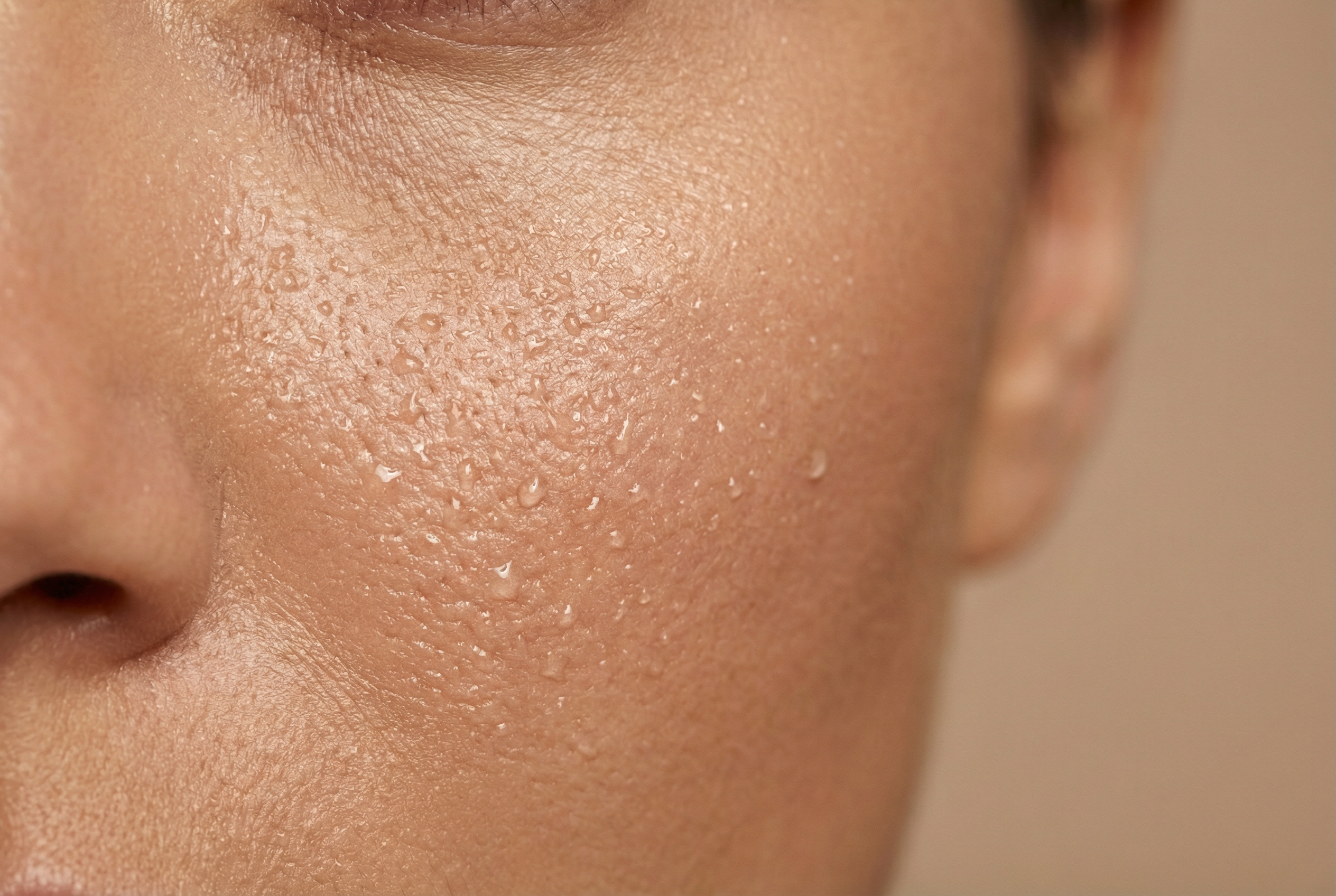
Slugging is the practice of applying a thin layer of an occlusive agent, most commonly a petrolatum-based product, as the final step in your nighttime skincare routine. The term “slugging” comes from the shiny, glistening appearance of the skin after application, resembling the trail left by a slug. The primary purpose of slugging is to create a physical barrier on the skin’s surface. This barrier prevents transepidermal water loss (TEWL), which is the process of water evaporating from the skin. By locking in moisture, slugging helps to keep the skin hydrated and allows the underlying skincare products to work more effectively.
The Benefits of Slugging for Your Skin
The benefits of slugging are numerous, especially for those with dry or compromised skin. By creating a protective barrier, slugging not only locks in moisture but also protects the skin from external irritants. This can lead to a significant improvement in skin texture and appearance. The retained hydration plumps up the skin, reducing the appearance of fine lines and wrinkles. Furthermore, by supporting the skin’s natural repair process, slugging can help to strengthen the skin barrier, making it more resilient to environmental stressors.
Is Slugging Right for Your Skin Type?
While slugging can be highly beneficial for some, it is not a one-size-fits-all solution. The suitability of slugging depends on your individual skin type and concerns. Here’s a breakdown of who can benefit from slugging and who should approach it with caution:
| Skin Type | Suitability for Slugging |
|---|---|
| Dry Skin | Highly Recommended |
| Dehydrated Skin | Highly Recommended |
| Sensitive Skin | Recommended with a patch test |
| Normal Skin | Can be beneficial, especially in dry climates or during winter |
| Combination Skin | Can be used on dry areas, but avoid oily T-zone |
| Oily Skin | Not Recommended |
| Acne-Prone Skin | Not Recommended |
How to Incorporate Slugging into Your Routine: A Step-by-Step Guide
Incorporating slugging into your skincare routine is simple. Follow these steps for optimal results:
1. Cleanse and Prep: Start with a clean face. Use a gentle cleanser to remove all traces of makeup and impurities. Pat your skin dry.
2. Apply Your Skincare Products: Apply your usual nighttime skincare products, such as serums and moisturizers. It is best to use hydrating products containing ingredients like hyaluronic acid and ceramides.
3. Apply the Occlusive Layer: Take a pea-sized amount of a petrolatum-based product and warm it up between your fingertips. Gently apply a thin, even layer all over your face or on targeted dry areas.
4. Wait and Protect: Allow the product to set for about 30 minutes before heading to bed. To avoid a mess, you can place a clean towel over your pillowcase.
5. Cleanse in the Morning: In the morning, cleanse your face as usual to remove the occlusive layer and any impurities that may have accumulated overnight.
Choosing the Right Products for Slugging
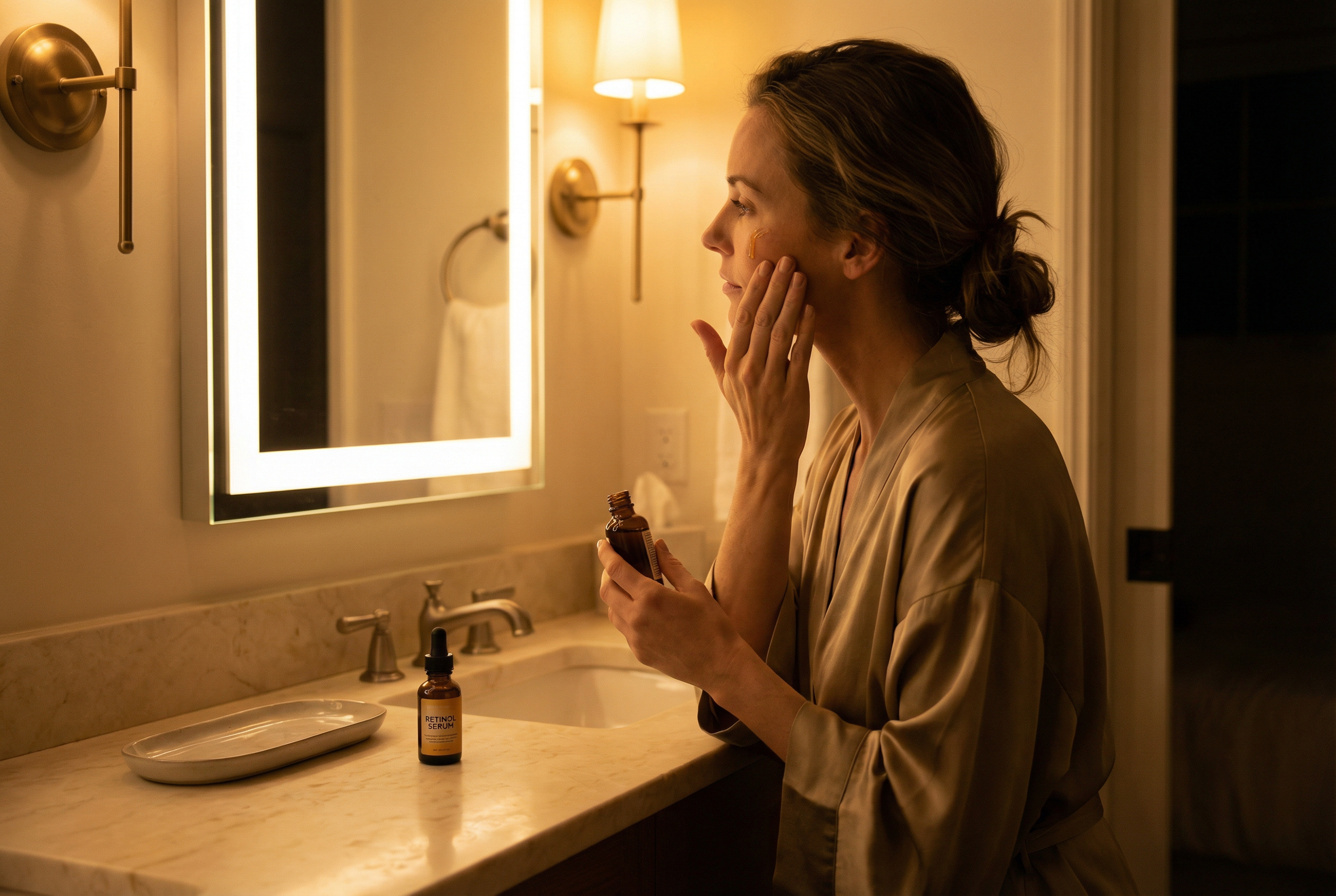
The key to successful slugging is choosing the right occlusive product. Look for products with a high percentage of petrolatum, such as Vaseline, Aquaphor Healing Ointment, or CeraVe Healing Ointment. It is also important to be mindful of the products you use underneath the occlusive layer. Avoid using active ingredients like retinoids, alpha-hydroxy acids (AHAs), and beta-hydroxy acids (BHAs) on the nights you practice slugging, as the occlusive layer can enhance their penetration and potentially cause irritation.
Frequently Asked Questions (FAQ)
How often should I practice slugging?
The frequency of slugging depends on your skin’s needs. For very dry skin, you can slug every night. For normal or combination skin, once or twice a week, or as needed, is sufficient.
Can slugging clog my pores?
While petrolatum itself is non-comedogenic, meaning it does not clog pores, slugging can trap oils and dead skin cells, which may lead to breakouts in those with oily or acne-prone skin.
Can I use natural oils for slugging?
While some natural oils have occlusive properties, they are not as effective as petrolatum at preventing water loss. If you prefer a natural option, you can try shea butter or jojoba oil, but they may not provide the same level of occlusion.
What's the difference between slugging and just using a heavy moisturizer?
A heavy moisturizer is formulated with a combination of occlusive, emollient, and humectant ingredients to both add and lock in moisture. Slugging, on the other hand, is purely an occlusive step that seals in the hydration from your other skincare products and prevents water loss. While a heavy moisturizer is a great option for dry skin, slugging provides an extra layer of protection and hydration.