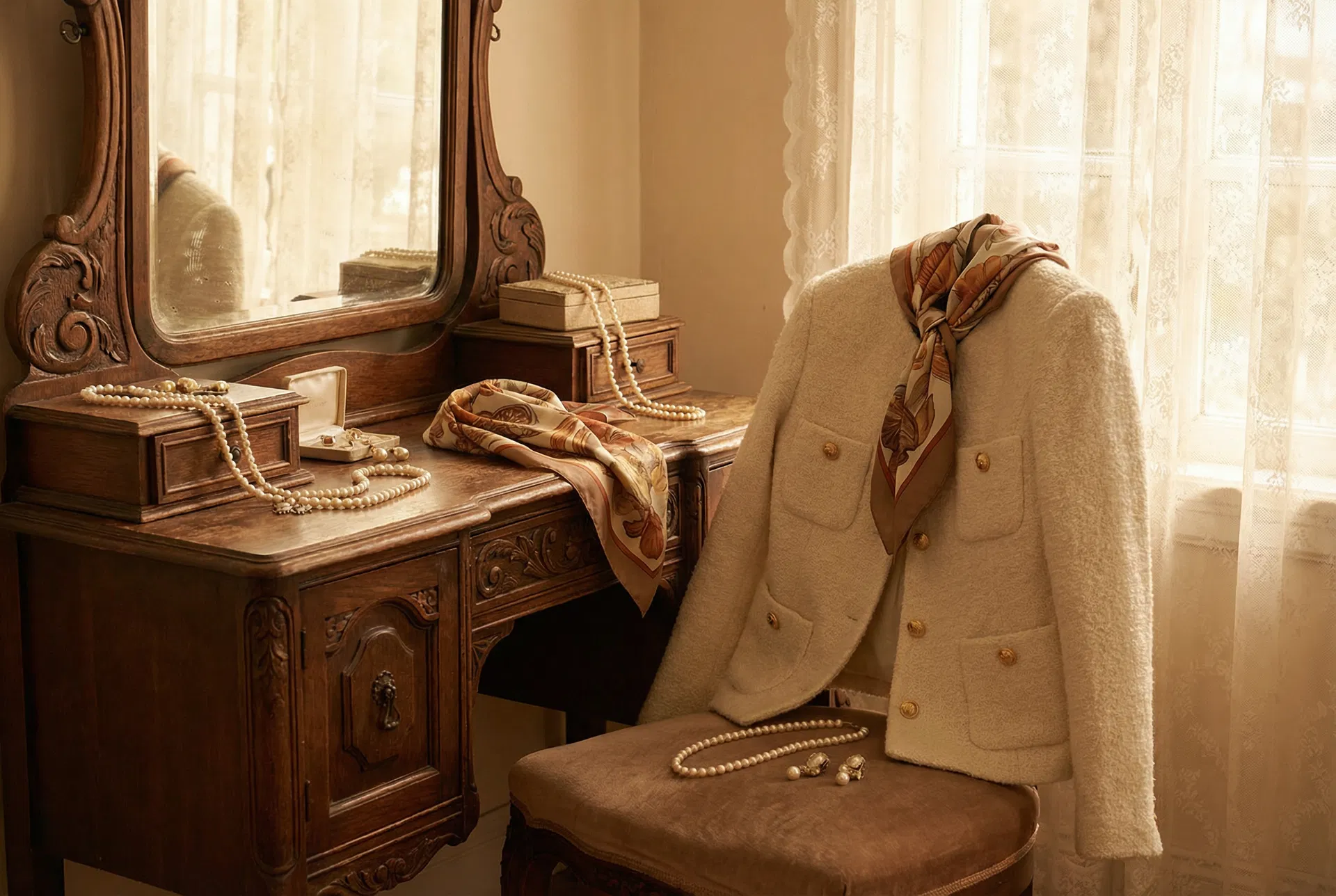
Understanding how clothing should fit is one of the most transformative style skills you can develop. Tailoring bridges the gap between off-the-rack garments and a truly polished, bespoke appearance. This comprehensive guide explores the principles of fit, the alterations that make the biggest difference, and how to build a wardrobe that looks like it was made exclusively for you.
Why Fit Matters More Than Brand
The single most important factor in looking well-dressed is not the label inside your clothing but how that clothing fits your unique body. A perfectly fitted garment from an affordable brand will always look more expensive and more elegant than an ill-fitting designer piece. This principle is the foundation of true personal style.
When clothing fits properly, it follows the natural lines of your body without pulling, bunching, or sagging. The shoulders of a jacket should align with your actual shoulders. Trousers should break gently at the shoe without pooling on the floor. A shirt collar should sit close to the neck without gaping or constricting. These details, though subtle, communicate an attention to quality and self-awareness that elevates your entire presence.
The fashion industry produces clothing in standardised sizes that are designed to fit the broadest possible range of body types. This means that almost no one finds a perfect fit straight off the rack. Understanding this reality is liberating because it shifts your focus from finding the perfect garment to finding a good garment and then perfecting it through tailoring.
Professional tailoring has historically been associated with luxury and exclusivity, but it is far more accessible than most people realise. Basic alterations such as hemming trousers, taking in a waist, or adjusting sleeve length are relatively inexpensive and can dramatically transform how a garment looks and feels on your body.
Essential Alterations Every Person Should Know
Not all alterations are created equal. Some are simple and inexpensive, while others require significant skill and can be costly. Understanding which alterations offer the best return on investment helps you make smarter purchasing decisions and allocate your tailoring budget effectively.
Hemming is the most common and straightforward alteration. Whether it is trousers, skirts, or dresses, adjusting the length to suit your height and preferred silhouette is almost always necessary. For trousers, the ideal length depends on the style: slim trousers typically look best with a slight break or no break at all, while wider-leg styles can accommodate a fuller break. Skirts and dresses should be hemmed to a length that flatters your proportions and suits the occasion.
Taking in the waist of trousers or skirts is another high-impact alteration. Many people find that garments that fit well through the hips are too loose at the waist, or vice versa. A skilled tailor can adjust the waistband to eliminate this discrepancy, creating a clean, comfortable fit that stays in place throughout the day.
Sleeve length adjustment is essential for jackets and shirts. Jacket sleeves should end at the wrist bone, allowing approximately half an inch of shirt cuff to show beneath. Shirt sleeves should reach the base of the thumb when your arms are relaxed at your sides. These precise measurements create the polished look that distinguishes a well-dressed person from everyone else.
Shoulder adjustments are among the most complex and expensive alterations, which is why it is crucial to buy jackets and blazers that fit well in the shoulders from the start. The shoulder seam should sit at the edge of your natural shoulder, neither extending beyond it nor falling short. If a jacket fits well in the shoulders, almost everything else can be adjusted.
Building a Relationship with Your Tailor
Finding a skilled tailor and building a long-term relationship with them is one of the best investments you can make in your personal style. A good tailor understands your body, your preferences, and your lifestyle, and can offer advice that goes beyond simple alterations.
When visiting a tailor for the first time, bring garments that you love and that fit you well. This gives the tailor a reference point for understanding your preferences. Be specific about what you want but also be open to their professional recommendations. A skilled tailor may suggest adjustments you had not considered that can significantly improve the overall look of a garment.
Communication is key in the tailor-client relationship. Do not be afraid to speak up if something does not feel right during a fitting. It is much easier to make adjustments before the work is completed than after. Similarly, be realistic about what alterations can achieve. While a good tailor can work wonders, there are limits to how much a garment can be altered without compromising its structure or proportions.
The Economics of Tailoring
Investing in tailoring is one of the most cost-effective ways to upgrade your wardrobe. Rather than buying many mediocre garments, consider buying fewer, better-quality pieces and allocating a portion of your budget to having them tailored to perfection.
A general rule of thumb is to budget an additional fifteen to twenty percent of the garment's cost for alterations. This means that a pair of trousers costing one hundred pounds might require an additional fifteen to twenty pounds for hemming and waist adjustment. While this adds to the total cost, the result is a garment that fits impeccably and will serve you well for years.
| Alteration | Typical Cost | Difficulty | Impact |
|---|---|---|---|
| Hem trousers | Low | Simple | High |
| Take in waist | Low-Medium | Moderate | High |
| Shorten sleeves | Medium | Moderate | High |
| Taper trousers | Medium | Moderate | Medium |
| Adjust shoulders | High | Complex | Very High |
| Reline jacket | High | Complex | Medium |
Frequently Asked Questions
How do I know if a garment is worth tailoring?
Consider the quality of the fabric, the overall construction, and how close the fit is to ideal. If a garment is well-made and only needs minor adjustments, tailoring is almost always worthwhile. However, if a garment requires extensive alterations that would cost more than the garment itself, it may be better to find a different option.
Can any garment be tailored?
Most garments can be altered to some degree, but there are limitations. It is generally easier to make clothing smaller than larger, as taking in seams requires less restructuring than letting them out. Some fabrics, such as leather and heavily embellished materials, require specialised skills and equipment.
How often should I visit my tailor?
For most people, visiting a tailor when purchasing new garments or when body changes affect the fit of existing clothing is sufficient. Some people schedule seasonal visits to ensure their wardrobe remains in optimal condition, particularly if they wear tailored clothing daily for professional purposes.