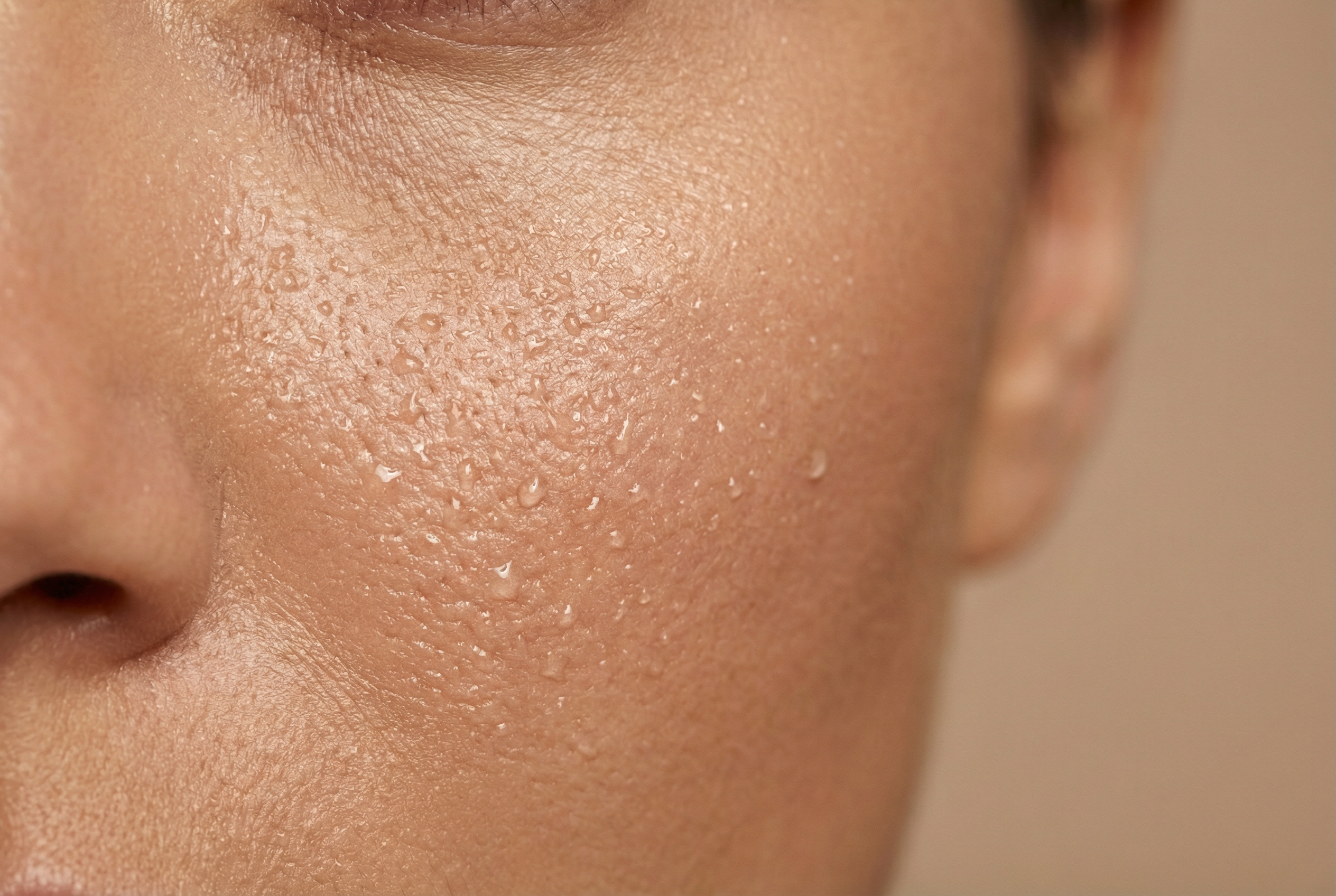
In the ever-evolving world of skincare, few ingredients have achieved the iconic status of Vitamin C. This potent antioxidant has become a cornerstone of modern beauty routines, celebrated for its remarkable ability to brighten, protect, and rejuvenate the skin. Whether you are a seasoned skincare aficionado or just beginning to build your regimen, understanding the power of a well-formulated Vitamin C serum is the first step towards unlocking a truly radiant complexion. This guide will delve into the science behind this powerhouse ingredient, helping you navigate the choices and incorporate it effectively into your daily ritual for luminous, healthy-looking skin.
What is Vitamin C and Why Does Your Skin Need It?
Vitamin C, also known as ascorbic acid, is a vital nutrient for overall health, but it is particularly crucial for the skin. As a powerful antioxidant, it plays a critical role in neutralizing free radicals—unstable molecules generated by environmental aggressors like UV radiation and pollution. These free radicals can cause oxidative stress, leading to premature ageing, inflammation, and cellular damage. While our bodies can't produce Vitamin C, we can deliver it topically through serums, where it can work its magic directly on the skin.
Beyond its protective qualities, Vitamin C is essential for collagen synthesis. Collagen is the structural protein that keeps our skin firm, plump, and youthful. As we age, collagen production naturally declines, resulting in fine lines, wrinkles, and a loss of elasticity. By stimulating collagen production, Vitamin C helps to maintain the skin’s structural integrity, promoting a smoother and more resilient complexion. Its role in skin health is so significant that it has become a non-negotiable for dermatologists and skincare experts alike.
The Benefits of Using a Vitamin C Serum
A consistent routine with a high-quality Vitamin C serum can transform your skin in a multitude of ways. One of its most celebrated benefits is its ability to brighten the complexion and fade hyperpigmentation. It inhibits the enzyme tyrosinase, which is responsible for melanin production, thereby reducing the appearance of dark spots, sun spots, and post-inflammatory hyperpigmentation. The result is a more even and luminous skin tone.
Furthermore, its antioxidant properties provide a shield against daily environmental damage. When used in the morning, a Vitamin C serum can bolster your sunscreen’s effectiveness, providing a secondary layer of defence against harmful UV rays. This combination is a powerful strategy for preventing sun damage and photoaging. Additionally, its anti-inflammatory properties can help to reduce redness and calm irritated skin, making it a valuable addition for those with sensitive or reactive skin types.
Choosing the Right Vitamin C Serum for Your Skin Type
With a vast array of Vitamin C serums on the market, selecting the right one can feel overwhelming. The key is to understand the different forms of Vitamin C and their concentrations. L-Ascorbic Acid (LAA) is the purest and most potent form, but it can also be the most unstable and potentially irritating for sensitive skin. For those with resilient skin, a serum with 10-20% L-Ascorbic Acid will deliver the most dramatic results.
For individuals with sensitive or dry skin, derivative forms of Vitamin C are an excellent alternative. These are more stable and gentler on the skin, while still providing significant antioxidant and brightening benefits. Look for ingredients like Sodium Ascorbyl Phosphate, Magnesium Ascorbyl Phosphate, or Tetrahexyldecyl Ascorbate. The concentration of these derivatives may be lower, but their stability ensures they remain effective.
| Form of Vitamin C | Best For | Key Benefits |
|---|---|---|
| L-Ascorbic Acid (LAA) | Normal to Oily Skin | High potency, rapid results, potent collagen booster. |
| Sodium Ascorbyl Phosphate | Acne-Prone Skin | Antimicrobial properties, less irritating. |
| Magnesium Ascorbyl Phosphate | Dry & Sensitive Skin | Hydrating, stable, and effective in lower concentrations. |
| Tetrahexyldecyl Ascorbate | All Skin Types | Oil-soluble, penetrates deeply, very stable. |
When selecting a serum, also pay attention to the packaging. Vitamin C is notoriously unstable and can degrade when exposed to light and air. Look for serums housed in opaque, airtight bottles to ensure the formula remains potent and effective.
How to Incorporate a Vitamin C Serum into Your Routine
To reap the maximum benefits from your Vitamin C serum, it’s essential to apply it correctly. It should be applied in the morning to clean, dry skin, after cleansing and toning. This allows the antioxidant to protect your skin from environmental aggressors throughout the day. Dispense a few drops onto your fingertips and gently press it into your face and neck, avoiding the delicate eye area.
Allow the serum to fully absorb for a minute or two before layering your other skincare products. Follow with your favourite moisturiser to lock in hydration and then, most importantly, a broad-spectrum sunscreen with an SPF of 30 or higher. This final step is non-negotiable, as Vitamin C can make your skin more susceptible to sun damage if not properly protected. For more information on building a complete routine, explore our guide to The Ultimate Skincare Routine for Glowing Skin.
Potential Side Effects and How to Avoid Them
While Vitamin C is generally well-tolerated, some individuals may experience mild irritation, redness, or a tingling sensation, particularly when first introducing a high-concentration L-Ascorbic Acid serum. To minimise the risk of side effects, it’s best to start with a lower concentration and gradually increase it as your skin builds tolerance. You can also begin by using the serum every other day before moving to daily use.
If you have particularly sensitive skin, consider opting for a gentler derivative form of Vitamin C. Performing a patch test on a small area of your skin before applying the serum to your entire face is also a wise precaution. If you are considering more intensive treatments for skin rejuvenation, our article on Microneedling: A Guide to Collagen Induction Therapy provides an in-depth look at another effective option.
Frequently Asked Questions (FAQ)
How long does it take for Vitamin C serum to work?
While some brightening effects may be noticeable within a few weeks, it typically takes at least 8-12 weeks of consistent daily use to see significant improvements in hyperpigmentation, fine lines, and overall skin texture. Patience and consistency are key.
Can I use Vitamin C serum with other active ingredients?
Yes, Vitamin C can be used with most other skincare ingredients, including hyaluronic acid, niacinamide, and ceramides. However, be cautious when combining it with other potent actives like retinoids or alpha-hydroxy acids (AHAs). To avoid potential irritation, it is often recommended to use Vitamin C in the morning and retinoids or AHAs at night.
What is the best time to apply Vitamin C serum?
The best time to apply Vitamin C serum is in the morning. Its antioxidant properties help to protect your skin from free radical damage caused by UV exposure and pollution throughout the day. Following it with sunscreen provides a powerful defence against premature ageing.
How should I store my Vitamin C serum?
To maintain its potency, store your Vitamin C serum in a cool, dark place, away from direct sunlight and heat. An opaque, airtight bottle is ideal for preventing oxidation. If your serum changes to a dark orange or brown colour, it has likely oxidized and should be replaced.