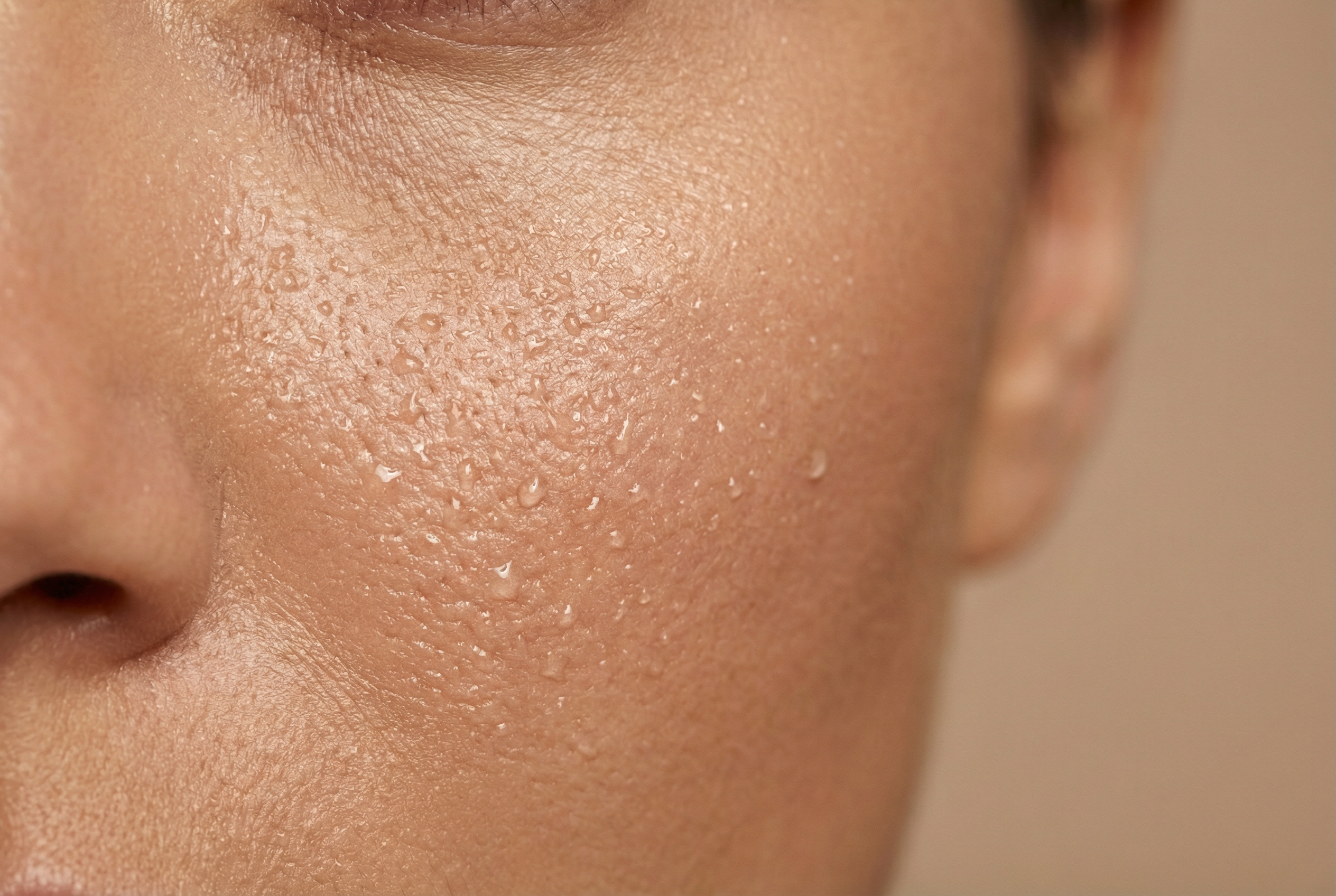
In the ever-evolving world of beauty, a quiet revolution is taking place. It’s a movement that’s not about a new miracle ingredient or a fleeting makeup trend, but a fundamental shift in how we think about the products we use every day. This is the rise of waterless beauty, a sustainable and potent approach to skincare that is set to redefine the industry. By removing water—often the primary ingredient in traditional formulations—brands are creating products that are not only better for the planet but also more concentrated and effective for your skin. This is more than just a fleeting trend; it’s a conscious choice to embrace a more mindful and impactful beauty routine.
What is Waterless Beauty?
At its core, waterless beauty, also known as anhydrous beauty, refers to products formulated without water. Instead of using water as a base, these products utilize nourishing botanical oils, butters, and waxes to deliver active ingredients to the skin. This results in highly concentrated formulas that are packed with potent, skin-loving ingredients. Think solid shampoo bars, cleansing balms, powder-to-foam cleansers, and oil-based serums. The concept, which has its roots in South Korean beauty, is now gaining global momentum as consumers become more aware of the environmental impact of their purchasing decisions. For more on sustainable practices, see our article on Recognising Skin Cancer in Aesthetic Clinics.
The Environmental Imperative: Why Waterless Matters
The beauty industry has a significant water footprint. Traditional products can contain up to 90% water, which not only depletes a precious resource but also contributes to a larger environmental impact. The manufacturing and transportation of these heavy, water-laden products result in higher carbon emissions. Furthermore, the inclusion of water often necessitates the use of preservatives to prevent bacterial growth, which can have their own environmental consequences.
Waterless products, on the other hand, offer a more sustainable alternative. By eliminating water, brands can create lighter, more compact products that require less packaging and have a smaller carbon footprint. This shift is a direct response to the growing global water crisis and reflects a collective desire for a more responsible and eco-conscious approach to beauty. You can read more about the latest innovations in our article on Radiofrequency and Dry Eye Relief for Menopause.
More Than Just Sustainable: The Skin Benefits of Waterless Formulas
The benefits of waterless beauty extend beyond sustainability. Because these products are not diluted with water, they are incredibly concentrated and potent. This means that a little goes a long way, and you’re getting a higher concentration of active ingredients with every application. This can lead to more noticeable and faster results, whether you’re looking to hydrate, brighten, or soothe your skin.
Moreover, the absence of water means that these products often require fewer preservatives, making them a great option for those with sensitive or reactive skin. The rich, oil-based formulas are also incredibly nourishing and can help to strengthen the skin’s natural barrier, locking in moisture and protecting it from environmental stressors. Learn more about skin health in our article on Managing Skin Through Menopause.
The Waterless Wardrobe: Exploring Product Types
The world of waterless beauty is vast and varied, with innovative products available for every step of your routine. From cleansing to treatment, there’s a waterless option to suit every need and preference.
| Product Category | Traditional Formulation | Waterless Alternative |
|---|---|---|
| Cleanser | Liquid, gel, or foam | Cleansing balm, oil, or powder |
| Shampoo | Liquid | Solid shampoo bar |
| Conditioner | Liquid | Solid conditioner bar |
| Serum | Water-based liquid | Oil-based serum or solid serum stick |
| Moisturizer | Cream or lotion | Balm, solid moisturizer, or facial oil |
Making the Switch: How to Incorporate Waterless Beauty into Your Routine
Transitioning to a waterless beauty routine can be a gradual process. Start by swapping out one or two of your daily essentials, such as your cleanser or shampoo, for a waterless alternative. Pay attention to how your skin and hair respond, and don't be afraid to experiment with different product formats to find what works best for you. As you become more comfortable with this new approach, you can slowly incorporate more waterless products into your routine.
Frequently Asked Questions
Are waterless products suitable for all skin types?
Yes, waterless products can be beneficial for all skin types. The key is to choose products with ingredients that are appropriate for your specific concerns. For example, if you have oily or acne-prone skin, look for products with lightweight, non-comedogenic oils. If you have dry or mature skin, opt for richer, more nourishing formulas.
Do waterless products have a shorter shelf life?
On the contrary, because they don’t contain water, waterless products are less prone to bacterial growth and often have a longer shelf life than their water-based counterparts. This also means that they require fewer preservatives, which is great for those with sensitive skin.
Are waterless products more expensive?
While the initial cost of a waterless product may be higher, they are often more cost-effective in the long run. Because they are so concentrated, a little goes a long way, and the product will last much longer than a traditional, water-based formula. This means you’ll be repurchasing less often, saving you money and reducing waste.