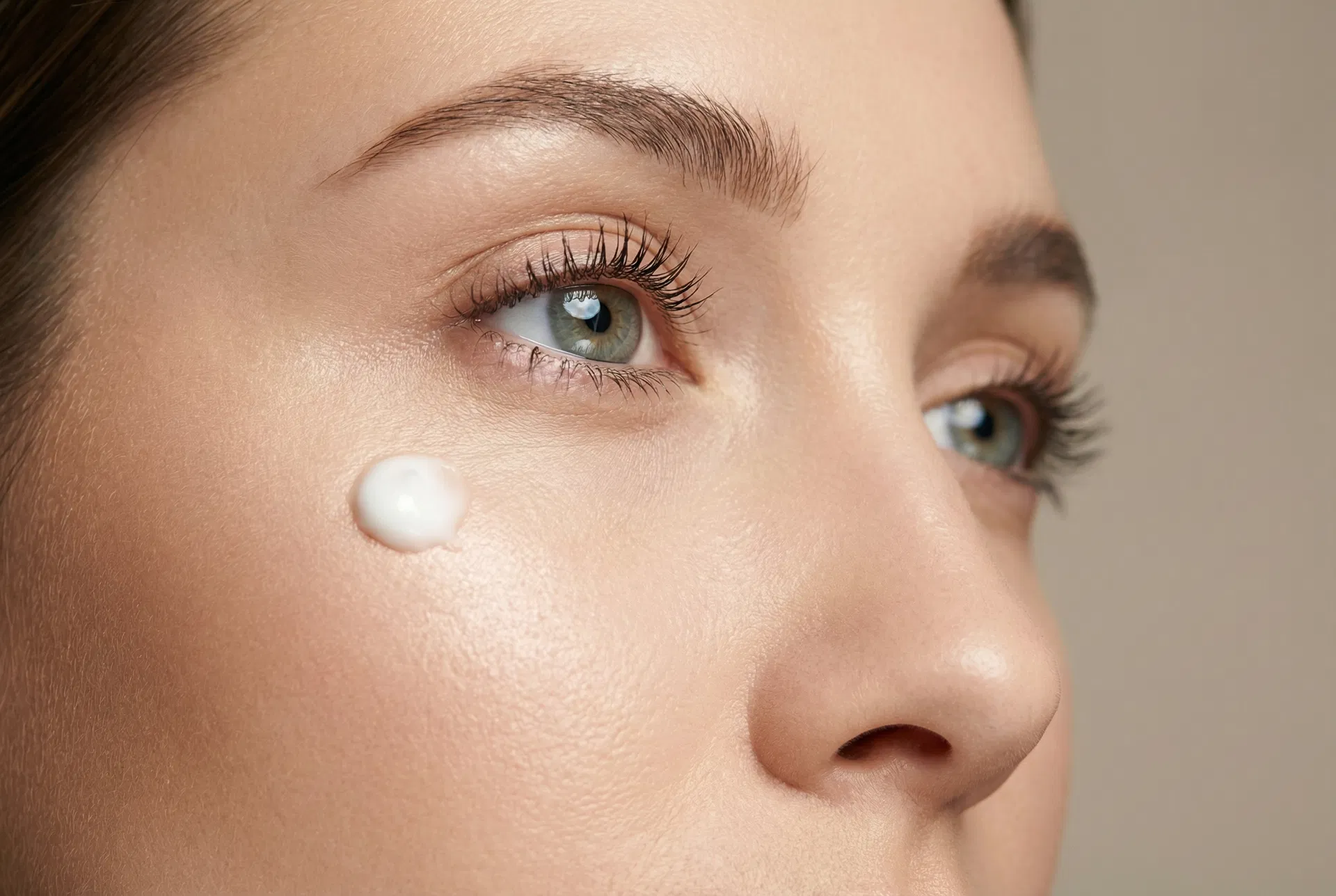
In a world saturated with fleeting beauty trends and quick-fix solutions, a timeless philosophy is quietly re-emerging, offering a profoundly different perspective on what it means to be beautiful. This is the world of Ayurvedic beauty, an ancient Indian system of wellness that has been refined over millennia. Far more than just a collection of skincare tips, Ayurveda presents a holistic approach to beauty that is deeply intertwined with physical, mental, and spiritual well-being. It teaches that true radiance is not something to be applied from a bottle, but rather a reflection of inner harmony and balance. This comprehensive guide will explore the core principles of Ayurvedic beauty, from understanding your unique constitution, or dosha, to harnessing the power of nature’s most potent ingredients and embracing time-honoured rituals that nourish the body and soul.
!A serene image of a woman with glowing skin, surrounded by natural elements like leaves and flowers.
The Essence of Ayurvedic Beauty: A Holistic Approach to Radiance
At the heart of Ayurveda lies the belief that the universe is composed of five elements: ether (space), air, fire, water, and earth. These elements combine in the human body to form three fundamental energies, or doshas: Vata (ether and air), Pitta (fire and water), and Kapha (earth and water). Each individual possesses a unique combination of these doshas, with one or two typically being dominant. This unique constitution, known as prakriti, determines our physical and mental characteristics, including our skin type. Ayurvedic beauty, therefore, is not a one-size-fits-all approach. Instead, it is a deeply personalised practice that seeks to balance the doshas and address the root causes of skin imbalances, rather than just treating the symptoms. By understanding your dominant dosha, you can tailor your skincare routine, diet, and lifestyle to support your body’s natural ability to heal and radiate from within. This is a departure from the often-impersonal nature of modern beauty, offering a more intuitive and connected way to care for ourselves. For those interested in exploring other cultural approaches to beauty, our article on global beauty rituals offers a fascinating comparison.
Ayurveda teaches that beauty is the reflection of a healthy life, a concept known as roopam. This extends beyond the superficial appearance of the skin to encompass the health of our tissues, the clarity of our minds, and the joy in our hearts. The skin, in Ayurveda, is seen as a mirror of our internal health. Any imbalances in the body, whether they are digestive, hormonal, or emotional, will eventually manifest on the skin. Therefore, the Ayurvedic approach to beauty is to address these internal imbalances first and foremost. This might involve making changes to your diet, incorporating stress-reducing practices like yoga and meditation, or using herbal remedies to support the body’s natural detoxification processes. It is a truly holistic system that recognises the profound connection between the body, mind, and spirit.
Understanding Your Dosha: The Key to Personalised Skincare
Identifying your dominant dosha is the first step towards unlocking the secrets of Ayurvedic skincare. While a consultation with an Ayurvedic practitioner is the most accurate way to determine your prakriti, you can gain a general understanding by observing your physical and emotional tendencies. Once you have an idea of your dominant dosha, you can begin to make informed choices about the products and practices that will best support your skin’s unique needs.
Vata Skin: The Creative and Expressive Type
Governed by the elements of ether and air, Vata types are often characterised by their creativity, enthusiasm, and energetic nature. Vata skin is typically thin, with fine pores, and a tendency towards dryness and dehydration. When out of balance, Vata skin can appear dull, rough, and may be prone to fine lines and wrinkles. The key to caring for Vata skin is to provide it with ample hydration and nourishment. Think rich, warming oils, creamy cleansers, and a consistent routine that soothes and protects the skin from the elements. A diet rich in healthy fats, root vegetables, and warm, cooked foods can also help to balance Vata from the inside out.
Skincare for Vata:
- Cleansing: Use a gentle, creamy cleanser that will not strip the skin of its natural oils. Avoid harsh, foaming cleansers.
- Moisturising: This is the most important step for Vata skin. Use a rich, nourishing moisturiser both morning and night. Facial oils are also excellent for Vata skin. Look for oils like sesame, almond, and avocado.
- Treatments: Hydrating masks with ingredients like honey, oatmeal, and avocado can be very beneficial for Vata skin. Avoid harsh exfoliants and peels.
Pitta Skin: The Fiery and Passionate Type
Dominated by the elements of fire and water, Pitta individuals are often described as passionate, intelligent, and driven. Pitta skin is typically fair and sensitive, with a tendency towards redness, inflammation, and conditions like acne and rosacea. When out of balance, Pitta skin can be reactive and easily irritated. The goal of Pitta skincare is to cool, calm, and soothe. Look for ingredients like aloe vera, cucumber, and sandalwood, and avoid harsh exfoliants or treatments that can strip the skin’s natural barrier. Sun protection is also crucial for Pitta types, as their skin is more susceptible to sun damage. A diet that includes cooling foods like melons, leafy greens, and coconut can help to pacify the fiery nature of Pitta.
Skincare for Pitta:
- Cleansing: Use a gentle, soap-free cleanser. Avoid hot water, which can exacerbate redness and inflammation.
- Moisturising: Use a light, cooling moisturiser. Gels and lotions are often a better choice than heavy creams. Look for ingredients like aloe vera, rose, and lavender.
- Treatments: Soothing masks with ingredients like cucumber, mint, and sandalwood can help to calm irritated skin. Avoid steam and other heat-based treatments.
Kapha Skin: The Calm and Grounded Type
Composed of the elements of earth and water, Kapha types are known for their calm, steady, and nurturing personalities. Kapha skin is typically thick, oily, and smooth, with larger pores. While Kapha skin tends to age well, it can be prone to congestion, blackheads, and excessive oiliness when out of balance. The key to caring for Kapha skin is to keep it clean and stimulated. Regular exfoliation with gentle clays and powders, along with light, non-comedogenic oils, can help to prevent congestion and promote a healthy glow. A diet that is light, warm, and spicy can help to counteract the heavy, sluggish nature of Kapha.
Skincare for Kapha:
- Cleansing: Cleanse the skin thoroughly both morning and night to prevent congestion. Look for cleansers with ingredients like neem and tea tree oil.
- Exfoliation: Regular exfoliation is key for Kapha skin. Use a gentle scrub or a clay mask once or twice a week to remove dead skin cells and excess oil.
- Moisturising: Use a light, non-comedogenic moisturiser. Avoid heavy creams and oils that can clog the pores.
| Dosha | Elements | Skin Characteristics | General Care Recommendations |
|---|---|---|---|
| Vata | Ether & Air | Thin, dry, fine pores, prone to wrinkles and dehydration | Hydrating and nourishing oils, warm and moist environments, regular routine |
| Pitta | Fire & Water | Fair, sensitive, prone to redness, inflammation, and acne | Cooling and calming ingredients, sun protection, avoiding harsh treatments |
| Kapha | Earth & Water | Thick, oily, large pores, prone to congestion and blackheads | Regular cleansing and exfoliation, light and stimulating oils, avoiding heavy creams |
!A beautiful flatlay of Ayurvedic ingredients like turmeric, neem, and ashwagandha.
Nature's Pharmacy: Powerful Ayurvedic Ingredients for Your Skin
Ayurveda has a rich tradition of using herbs, spices, and other natural ingredients to promote health and beauty. These potent botanicals are often referred to as nature’s pharmacy, and for good reason. Many of these ingredients are now being validated by modern science for their powerful therapeutic properties. Here are a few of the most revered Ayurvedic ingredients for the skin:
Turmeric: The Golden Spice of Radiance
Turmeric, with its vibrant golden hue, is perhaps one of the most well-known Ayurvedic spices. For centuries, it has been used in Indian culture as a beauty treatment, particularly for brides before their wedding day. Turmeric contains a compound called curcumin, which has powerful anti-inflammatory, antioxidant, and antimicrobial properties. This makes it an excellent ingredient for a wide range of skin concerns, from acne and blemishes to hyperpigmentation and signs of ageing. You can incorporate turmeric into your routine by using it in face masks, or by looking for it in cleansers, serums, and moisturisers. A simple and effective face mask can be made by mixing a teaspoon of turmeric powder with a tablespoon of honey and a little milk or yoghurt to form a paste. Apply to the face for 10-15 minutes before rinsing off.
Neem: The Village Dispensary
In India, the neem tree is often referred to as “the village dispensary” due to its extensive medicinal properties. Every part of the tree, from the leaves to the bark, has been used in Ayurvedic medicine for thousands of years. For the skin, neem is particularly beneficial for its antibacterial and antifungal properties. It is an excellent ingredient for those with acne-prone or congested skin, as it can help to purify the pores and prevent breakouts. Neem oil can be applied directly to blemishes as a spot treatment, or it can be found in a variety of skincare products, including soaps, cleansers, and masks. For those interested in the power of botanicals, our guide to adaptogens in beauty and wellness provides further reading.
Ashwagandha: The Rejuvenating Adaptogen
Ashwagandha is one of the most important herbs in Ayurveda. It is an adaptogen, which means it helps the body to adapt to stress and promotes overall balance. In terms of skincare, ashwagandha is known for its rejuvenating and anti-ageing properties. It is rich in antioxidants, which help to protect the skin from free radical damage, and it can also help to boost collagen production, leading to firmer, more youthful-looking skin. Ashwagandha can be taken internally as a supplement, or it can be found in a growing number of skincare products, particularly those aimed at mature or stressed skin.
Sandalwood: The Cooling and Calming Elixir
Sandalwood has been prized for centuries for its beautiful fragrance and its cooling, calming properties. In Ayurveda, it is often used to soothe irritated and inflamed skin, making it an excellent choice for Pitta types. Sandalwood is also a natural antiseptic and astringent, which can help to cleanse the skin and tighten the pores. It can be used in the form of a powder, mixed with water or rosewater to create a paste, or it can be found in a variety of skincare products, including soaps, masks, and moisturisers.
Amla: The Fountain of Youth
Amla, also known as Indian gooseberry, is one of the richest natural sources of vitamin C. In Ayurveda, it is revered as a powerful rejuvenating herb and is often referred to as “the fountain of youth.” Amla is a potent antioxidant that can help to protect the skin from environmental damage and prevent premature ageing. It can also help to brighten the complexion and promote a healthy glow. Amla can be taken internally as a powder or a juice, or it can be applied topically to the skin and hair.
!A woman practicing oil pulling with a serene expression.
Ancient Rituals for Modern Beauty
In addition to its rich pharmacopoeia of natural ingredients, Ayurveda also offers a number of simple yet profound rituals that can be incorporated into a modern beauty routine. These practices are not just about cleansing the skin, but about nourishing the senses and promoting a sense of well-being.
Oil Pulling: A Time-Tested Oral Detox
Oil pulling is an ancient Ayurvedic practice that involves swishing oil around in the mouth for a period of 15-20 minutes. It is traditionally done in the morning, on an empty stomach. The oil is said to “pull” toxins and bacteria from the mouth, leading to improved oral hygiene, whiter teeth, and fresher breath. While coconut oil is a popular choice for oil pulling due to its pleasant taste and antimicrobial properties, sesame oil is also traditionally used. To practice oil pulling, simply take a tablespoon of oil into your mouth and swish it around, pulling it through your teeth. Be careful not to swallow the oil, as it will be full of toxins. After 15-20 minutes, spit the oil into a bin (not the sink, as it can solidify and clog the pipes) and rinse your mouth with warm water.
Abhyanga: The Art of Self-Massage
Abhyanga is the Ayurvedic practice of self-massage with warm oil. It is a deeply nourishing and grounding practice that is said to have a number of benefits, including improved circulation, lymphatic drainage, and skin tone. Abhyanga is also a wonderful way to connect with your body and to show yourself some love and care. To practice abhyanga, you will need a high-quality, organic oil that is appropriate for your dosha. Vata types will benefit from a heavy, warming oil like sesame or almond, while Pitta types should opt for a cooling oil like coconut or sunflower. Kapha types will do best with a light, stimulating oil like safflower or mustard. Warm the oil by placing the bottle in a bowl of hot water. Then, starting with your scalp, massage the oil into your entire body, using long strokes on the limbs and circular motions on the joints. Take your time and enjoy the process. After the massage, you can either leave the oil on for a period of time, or you can take a warm bath or shower to rinse it off. For a comprehensive look at the benefits of using oil on your hair, our complete guide to hair oils is an excellent resource.
Ubtan: The Original Exfoliating Cleanser
Ubtan is a traditional Indian cleansing powder that has been used for centuries to brighten and purify the skin. It is typically made from a blend of chickpea flour, turmeric, sandalwood, and other herbs and spices. Ubtan is a gentle yet effective exfoliant that can be used by all skin types. To use ubtan, simply mix a small amount of the powder with water, milk, or rosewater to form a paste. Gently massage the paste onto damp skin, then rinse off with warm water. Ubtan can be used as a daily cleanser or as a weekly exfoliating treatment.
Ayurvedic Diet for Glowing Skin
In Ayurveda, what you eat is just as important as what you put on your skin. The food we consume has a direct impact on our doshic balance and the health of our tissues, including the skin. An Ayurvedic diet is not about restriction, but about eating in a way that supports your unique constitution and promotes overall balance. The general principle is to favour fresh, whole, and seasonal foods, and to eat in a calm and mindful manner.
- For Vata: Favour warm, moist, and grounding foods. Think soups, stews, and roasted vegetables. Incorporate healthy fats like ghee, avocado, and nuts. Avoid cold, dry, and raw foods.
- For Pitta: Favour cool, refreshing, and sweet foods. Think fresh fruits, leafy greens, and coconut. Avoid hot, spicy, and acidic foods.
- For Kapha: Favour light, warm, and spicy foods. Think steamed vegetables, legumes, and whole grains. Avoid heavy, oily, and cold foods.
In addition to eating for your dosha, there are a number of general dietary principles in Ayurveda that can help to promote glowing skin. These include staying well-hydrated, eating a variety of colourful fruits and vegetables, and incorporating digestive spices like ginger, cumin, and coriander into your meals.
!A display of modern Ayurvedic beauty products in beautiful packaging.
The Rise of Modern Ayurvedic Beauty
The wisdom of Ayurveda is no longer confined to ancient texts and traditional practices. In recent years, there has been a surge of interest in Ayurvedic beauty in the Western world, leading to the emergence of a new generation of skincare brands that are blending ancient wisdom with modern science. These brands are making Ayurvedic beauty more accessible than ever before, with beautifully formulated products that are a pleasure to use. From luxurious facial oils and serums to gentle cleansers and masks, there is now a wide range of Ayurvedic products to choose from. When selecting an Ayurvedic product, look for brands that are transparent about their ingredients and sourcing, and that have a genuine commitment to the principles of Ayurveda. It is also important to remember that products are only one part of the equation. True Ayurvedic beauty is a holistic practice that encompasses diet, lifestyle, and a mindful approach to self-care.
Some of the most well-known modern Ayurvedic beauty brands include Forest Essentials, Kama Ayurveda, and Ranavat. These brands have been instrumental in bringing the luxury and efficacy of Ayurvedic beauty to a global audience. They offer a wide range of products that are based on traditional Ayurvedic formulations, but with a modern twist. For example, you might find a traditional ingredient like turmeric in a modern serum formulation, or a classic Ayurvedic oil blend in a convenient spray bottle. This fusion of ancient and modern is what makes the current Ayurvedic beauty scene so exciting.
Conclusion: Embracing Ayurvedic Wisdom for Timeless Beauty
In a world that is constantly chasing the next big thing in beauty, the timeless wisdom of Ayurveda offers a refreshing and deeply rewarding alternative. By embracing a holistic approach to beauty that honours our unique constitution and the rhythms of nature, we can cultivate a radiance that is more than skin deep. Ayurvedic beauty is not about achieving perfection, but about finding balance and harmony within ourselves. It is a gentle yet powerful path to a lifetime of health, well-being, and timeless beauty.
Frequently Asked Questions
What is the main principle of Ayurvedic beauty?
The main principle of Ayurvedic beauty is that true radiance comes from within. It is a holistic approach that focuses on balancing the three doshas (Vata, Pitta, and Kapha) through a personalised combination of diet, lifestyle, and skincare. The goal is to address the root cause of skin imbalances, rather than just treating the symptoms.
How do I find out my dosha?
While the most accurate way to determine your dosha is to consult with an Ayurvedic practitioner, you can get a general idea by taking an online quiz or by observing your physical and emotional characteristics. There are many resources available online that can help you to identify your dominant dosha.
Can I use turmeric on my face every day?
While turmeric has many benefits for the skin, it can also cause a temporary yellow staining, particularly on fair skin. For this reason, it is generally recommended to use turmeric in a face mask once or twice a week, rather than every day. If you are using a product that contains turmeric extract, you can likely use it more frequently, as the extract is often formulated to avoid staining.
Is oil pulling safe for everyone?
Oil pulling is generally considered to be a safe practice for most people. However, it is important to be careful not to swallow the oil, as it will contain toxins and bacteria from the mouth. If you have any dental concerns, it is always a good idea to speak with your dentist before starting a new oral care practice.
What's the difference between Abhyanga and a regular massage?
While both Abhyanga and a regular massage involve the application of pressure to the body, there are some key differences. Abhyanga is a form of self-massage that is done with warm, herb-infused oil. The focus is on nourishing the skin and calming the nervous system, rather than on deep tissue manipulation. The strokes are also different, with long, flowing strokes used on the limbs and circular motions on the joints.
Are Ayurvedic products better than modern skincare?
Both Ayurvedic and modern skincare have their own unique benefits. Ayurvedic products often use natural, whole-plant ingredients and are based on a holistic understanding of the body. Modern skincare, on the other hand, often utilizes advanced scientific research and technology to create highly effective, targeted treatments. The best approach is often to find a balance between the two, incorporating elements of both Ayurvedic and modern skincare into your routine.
Where can I learn more about Ayurveda?
There are many excellent resources available for those who wish to learn more about Ayurveda. Books by authors such as Dr. Vasant Lad and Dr. Robert Svoboda are a great place to start. There are also many reputable websites and online courses that offer in-depth information on Ayurvedic principles and practices.