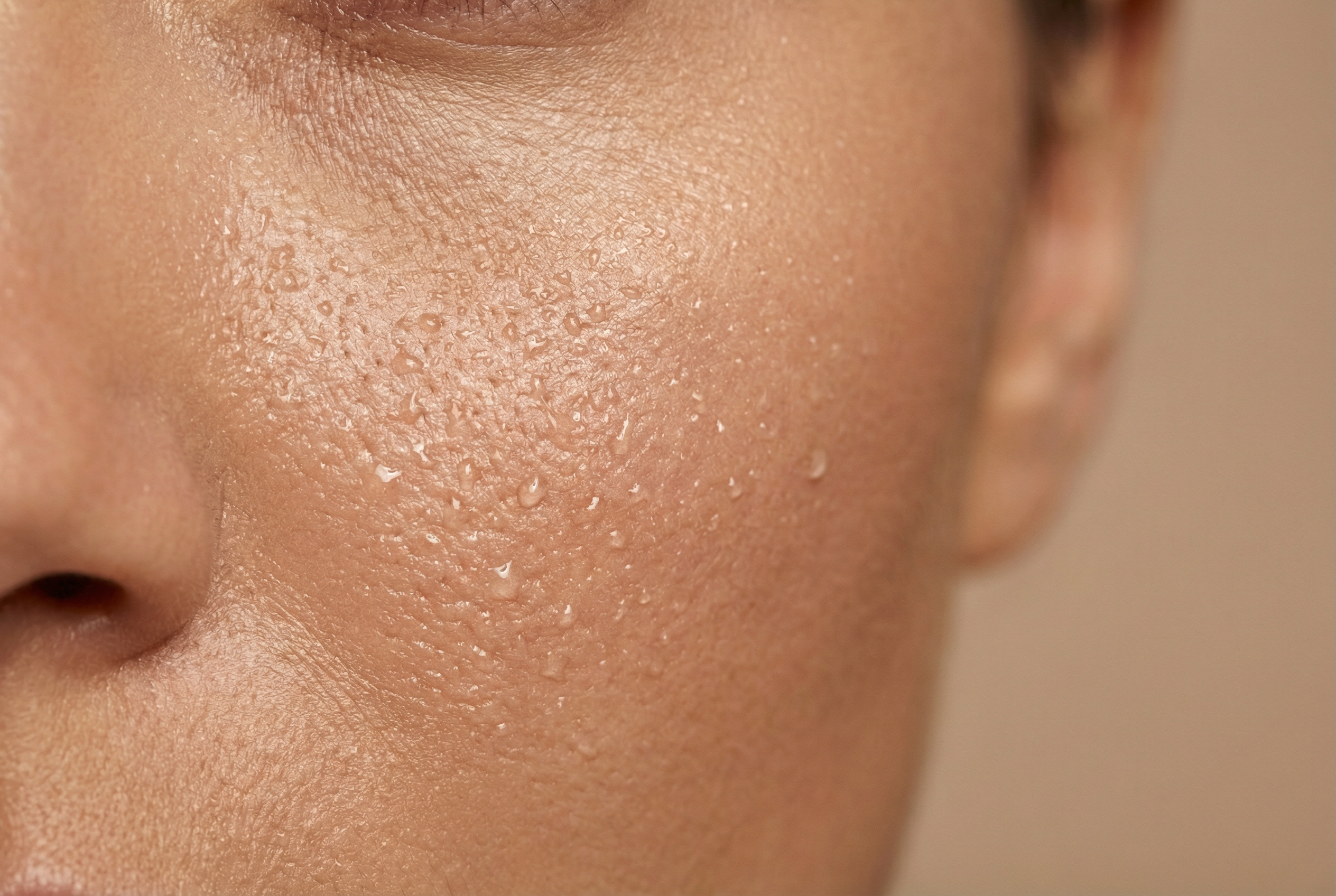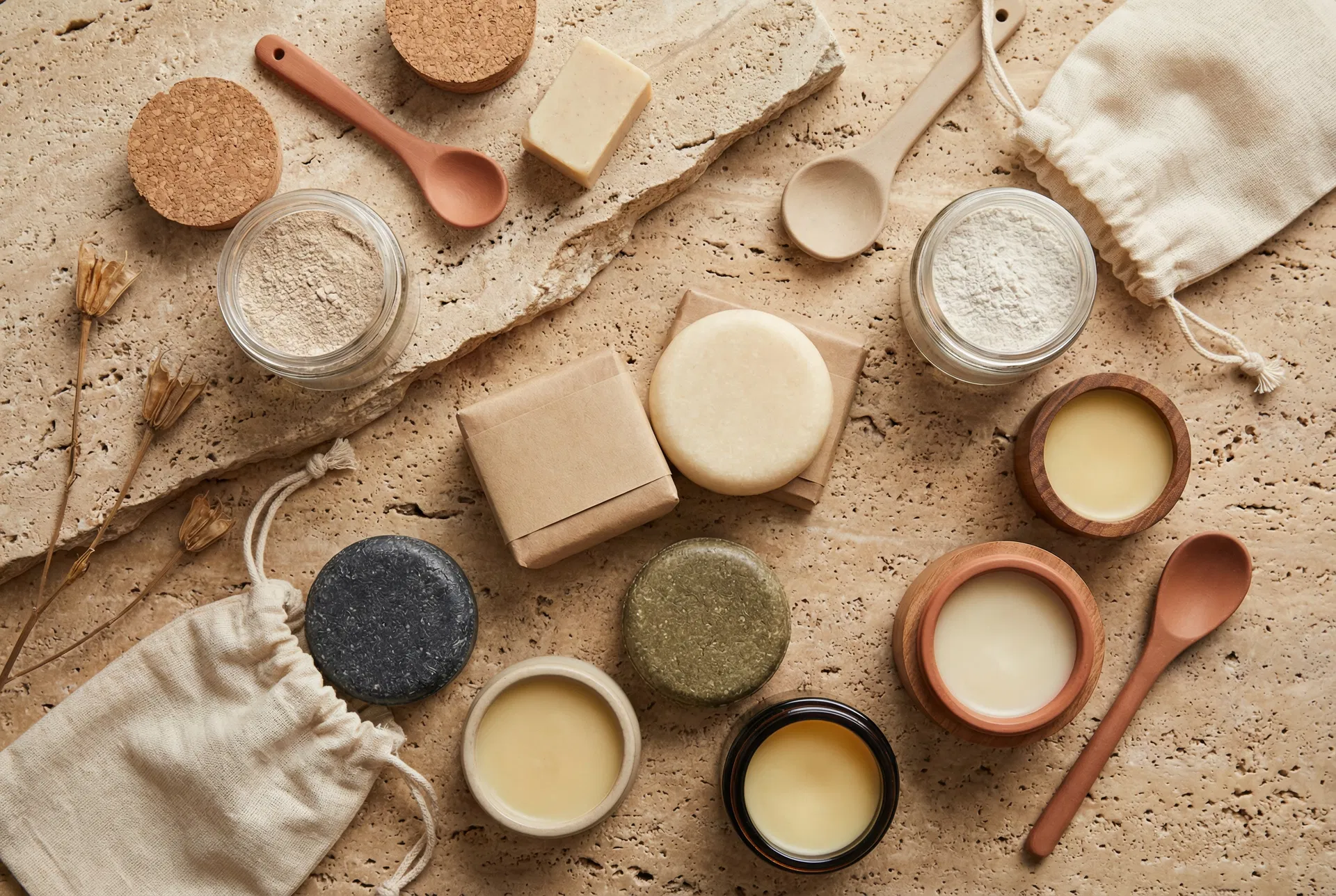
In the ever-evolving world of beauty, a powerful shift has taken place. Consumers are no longer just interested in the results a product promises; they are demanding transparency and safety in the formulations they apply to their skin. This collective call for consciousness is known as the clean beauty movement. It is more than a fleeting trend; it represents a fundamental change in our approach to personal care, prioritising health, wellness, and ingredient integrity above all else.
But what does "clean" truly signify in the context of a lipstick or a moisturiser? Unlike terms such as "organic," "clean" is not a regulated descriptor. At its core, the clean beauty movement champions products that are mindfully created and produced without any proven or suspected toxic ingredients. It is a commitment to safety, transparency, and a deeper understanding of what we are putting on our bodies.
Decoding Clean Beauty: Beyond the Buzzword
The essence of the clean beauty movement is the exclusion of a host of controversial ingredients. This philosophy does not necessarily reject synthetic or lab-created ingredients; rather, it evaluates every component—natural or synthetic—for its safety and biocompatibility with the skin. The focus is on non-toxic formulations that are safe for people and the planet, a principle that often intersects with sustainable beauty practices.
Clean beauty encourages a more discerning consumer, one who reads labels, questions marketing claims, and seeks out brands that are transparent about their formulations and sourcing. It is about making informed choices rather than following trends blindly.
Clean, Natural, and Organic: A Key Distinction
Navigating the terminology of conscious consumerism can be confusing. While often used interchangeably, "clean," "natural," and "organic" have distinct meanings.
- Natural typically implies that ingredients are derived from plant, mineral, or animal by-products. However, the term is unregulated, and a product labelled "natural" can still contain synthetic preservatives or fragrances.
- Organic refers to ingredients that are grown without the use of synthetic pesticides, chemical fertilisers, or genetically modified organisms (GMOs). This term is highly regulated, with official certifications ensuring compliance.
- Clean beauty, as we have explored, focuses on the absolute safety of the ingredients, regardless of whether they are natural or synthetic. A clean product will avoid any ingredient with a suspected link to health concerns.
The Ingredients to Avoid: A Curated List
While there is no universal "banned list," the clean beauty community has identified several ingredient families that are consistently excluded from formulations due to potential health risks. Understanding these ingredients is the first step towards cleaning up your beauty routine.
| Ingredient Family | Common Examples | Primary Concerns |
|---|---|---|
| Parabens | Methylparaben, Propylparaben | Potential endocrine disruption |
| Phthalates | Dibutyl Phthalate (DBP) | Endocrine disruption, reproductive health |
| Sulphates (SLS/SLES) | Sodium Lauryl Sulfate | Skin irritation, stripping of natural oils |
| Formaldehyde-Releasers | DMDM Hydantoin, Quaternium-15 | Carcinogenic properties, skin allergies |
| Synthetic Fragrance | Parfum, Fragrance | Allergies, lack of ingredient transparency |
This list is not exhaustive, but it represents the most common culprits that clean beauty advocates recommend avoiding. As research evolves, so does our understanding of ingredient safety, making continuous education a key part of the movement.
Why the Clean Beauty Movement Matters
The shift towards clean beauty is significant for several reasons. Firstly, it places consumer health at the forefront. The skin is the body's largest organ and can absorb a significant percentage of what is applied to it. By avoiding potentially harmful chemicals, we reduce our cumulative exposure, or "body burden," over a lifetime.
Secondly, the movement is a driving force for industry-wide change. As consumer demand for clean products grows, brands are compelled to reformulate, innovate, and become more transparent. This has led to a greater emphasis on ingredient sourcing, ethical production, and a move towards more inclusive beauty standards that cater to a wider range of skin types and concerns.
Finally, clean beauty often aligns with environmental responsibility. Brands committed to clean formulations are frequently also dedicated to sustainable packaging, cruelty-free testing, and ethical labour practices, creating a more holistic and conscious approach to consumption.
How to Transition to a Clean Beauty Routine
Making the switch to clean beauty does not require a complete overhaul of your vanity overnight. A gradual, considered approach is often the most sustainable.
1. Start with Leave-On Products: Begin by replacing products that stay on your skin the longest, such as moisturisers, serums, and foundations. Ingredients like the ever-popular Niacinamide are often found in clean formulations and offer significant skin benefits.
2. Read the Labels: Familiarise yourself with the key ingredients to avoid. Use online resources and apps that can help you decipher complex ingredient lists.
3. Seek Reputable Brands: Look for brands that are transparent about their ingredient philosophy, sourcing, and manufacturing processes.
4. Listen to Your Skin: Pay attention to how your skin responds to new products. "Clean" does not always mean "hypoallergenic," and natural ingredients can also cause reactions in some individuals.
Frequently Asked Questions (FAQ)
1. Are clean beauty products less effective than conventional ones?
Not at all. The efficacy of a product is determined by its formulation and the quality of its active ingredients, not by the absence of controversial chemicals. Many clean beauty brands invest heavily in research and development to create high-performance products using safe and effective alternatives.
2. Does "clean" mean the product is vegan or cruelty-free?
Not necessarily. While many clean beauty brands also adhere to vegan and cruelty-free principles, the terms are not interchangeable. "Clean" refers to the non-toxic nature of the ingredients, whereas "vegan" means the product contains no animal-derived ingredients, and "cruelty-free" indicates it was not tested on animals.
3. Is clean beauty more expensive?
While some niche clean beauty brands come with a premium price tag, this is not always the case. The growing demand has led to a wider range of accessible and affordable clean options. Often, a higher price reflects the quality of the ingredients, sustainable sourcing, and investment in ethical production.
4. How can I verify a brand's "clean" claims?
Since "clean" is an unregulated term, it requires some diligence from the consumer. Look for brands that provide a comprehensive "free-of" list, offer full ingredient transparency, and are certified by third-party organisations like EWG Verified™ or Made Safe®.
5. Can I still use my favourite conventional products?
The clean beauty movement is about empowerment and informed choice, not restriction. It is a personal journey, and you can decide what level of "clean" you are comfortable with. The goal is to be mindful of what you are using and to make choices that align with your personal health and values.