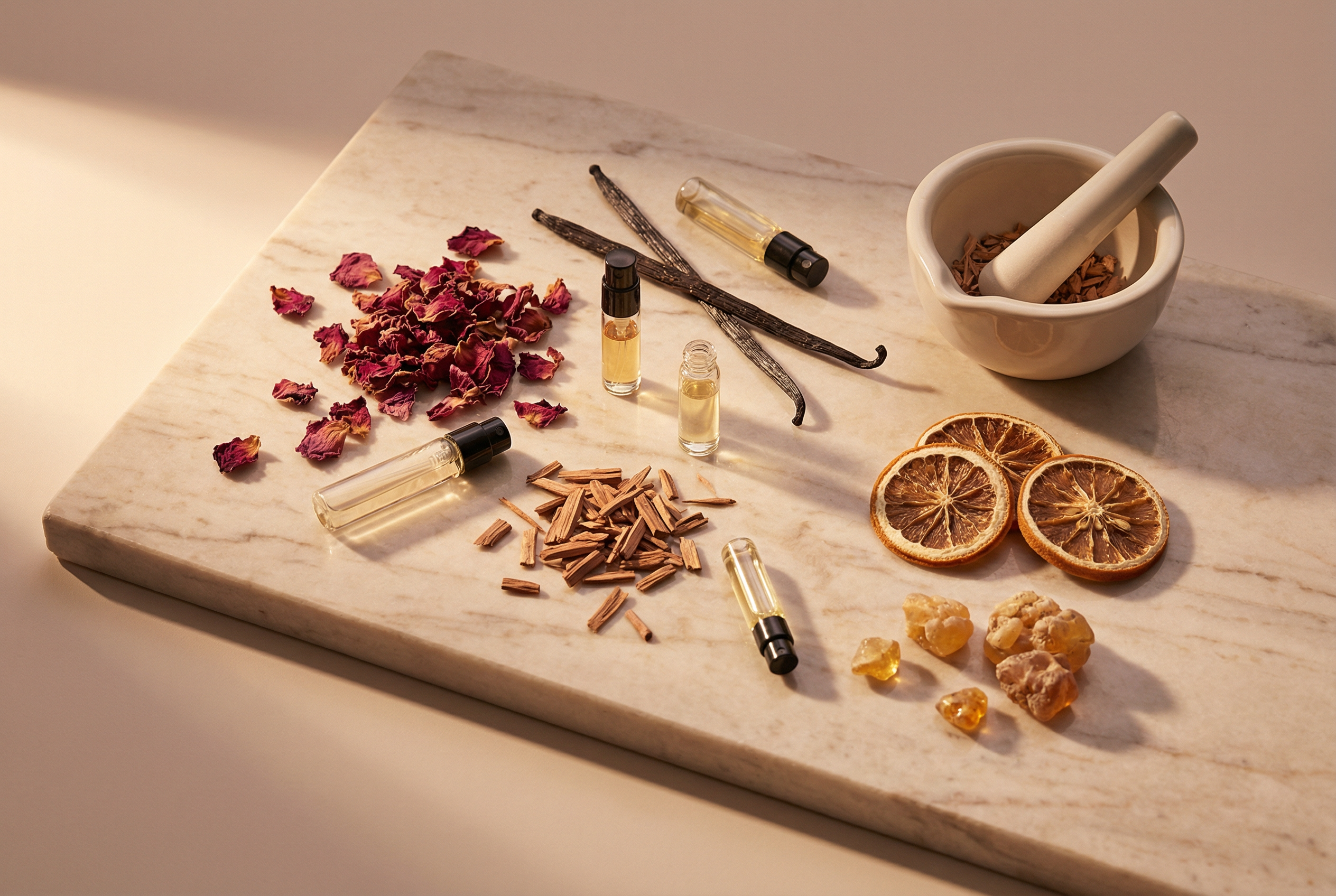
In recent years, a quiet revolution has been unfolding in the world of beauty and wellness. We meticulously scan ingredient lists on our skincare, seek out organic produce, and demand transparency from the brands we support. This conscious consumerism, a powerful movement driven by a desire for health and sustainability, is now wafting into the ethereal world of perfumery. Enter the concept of 'clean fragrance'—a term that, while increasingly popular, remains shrouded in a mist of ambiguity. It represents a significant shift away from the secretive, often synthetic-heavy traditions of the fragrance industry towards a future that is more transparent, mindful, and personal. This article will guide you through the burgeoning clean fragrance movement, demystifying what makes a perfume truly 'clean', exploring the complex relationship between natural and synthetic ingredients, and empowering you to find exquisite, sustainable scents without compromising on quality or sophistication.
What is Clean Fragrance, Really?
Unlike terms such as 'organic', the word 'clean' is not officially regulated in the fragrance industry. There is no single, legally binding definition, which can create confusion for consumers. However, a consensus is emerging, and the 'clean' label has come to signify a commitment to a core set of principles that prioritise transparency, human health, and environmental responsibility. It’s less a rigid standard and more a philosophical approach to creating perfume.
At its heart, the movement is a direct response to the fragrance industry's notorious 'fragrance loophole'. For decades, brands have been legally permitted to group potentially hundreds of ingredients, including allergens and synthetic chemicals, under the single umbrella term 'parfum' or 'fragrance' on an ingredient list, protecting their formulas as trade secrets. Clean perfumery rejects this opacity.
The Core Pillars of Clean Perfumery
The clean ethos can be broken down into three foundational pillars:
- Radical Ingredient Transparency: This is the cornerstone of the movement. Clean brands voluntarily disclose every single ingredient in their formula. This empowers consumers to make informed choices based on their own values and potential sensitivities. It’s about trusting the customer with the full story of what they are putting on their skin.
- Non-Toxic Formulations: The primary goal of clean fragrance is to create scents that are safe for the body. This involves formulating without a 'no-list' of controversial ingredients. While these lists vary slightly from brand to brand, they almost universally exclude materials like phthalates, parabens, formaldehyde-releasing preservatives, and certain synthetic musks that have raised concerns among scientists and consumers for being potential endocrine disruptors, allergens, or environmental pollutants.
- Sustainability and Ethical Practices: A truly clean fragrance considers its impact beyond the individual wearer. This pillar encompasses a wide range of practices, including sourcing ingredients in an environmentally responsible and ethical manner, ensuring fair labour practices, using recyclable or refillable packaging, and committing to cruelty-free principles by not testing on animals.
The Scent Spectrum: Natural, Synthetic, and the Clean Compromise
A common misconception is that 'clean' is simply a synonym for '100% natural'. While many clean fragrances celebrate the beauty of botanical extracts, the reality is more nuanced and scientifically grounded. The movement does not outright reject synthetic ingredients; instead, it advocates for the use of safe synthetics, often referred to as 'lab-made' or 'conscious' synthetics.
This balanced approach offers several advantages. From a creative standpoint, synthetic molecules provide perfumers with a broader palette, allowing them to create scents that are impossible to extract from nature, such as the smell of rain on hot pavement (petrichor) or the ozonic scent of sea air. From a sustainability perspective, using synthetics can be the more ethical choice. For example, creating a synthetic version of sandalwood or musk prevents the over-harvesting of endangered trees and avoids the use of animal-derived products. Furthermore, some natural extracts can contain potent allergens, while their lab-made counterparts can be engineered for purity and safety. The key is rigorous testing and transparency. To understand this topic in greater detail, one might explore the long-standing debate over natural versus synthetic perfumes and how innovation is bridging the gap between them.
Many clean scents also draw inspiration from the ancient practice of aromatherapy, using high-quality essential oils not just for their scent but for their potential mood-enhancing properties. For those interested in the therapeutic dimension of scent, learning more about aromatherapy and essential oils can provide a deeper appreciation for the power of natural extracts.
How to Read a Perfume Label: A Conscious Consumer's Guide
Navigating the perfume aisle can be daunting, but armed with a little knowledge, you can learn to spot the hallmarks of a truly clean fragrance. The ingredient list, often referred to as the INCI (International Nomenclature of Cosmetic Ingredients), is your most powerful tool.
Decoding the INCI List
A clean fragrance will have a detailed INCI list that you can actually read. Look for brands that list every component, from the alcohol base (often organic sugarcane or grape alcohol) to each essential oil and synthetic molecule. Be wary of any product that simply lists 'Fragrance/Parfum' without further elaboration. A commitment to transparency means a brand has nothing to hide.
Certifications to Trust
While there is no single 'clean' certification, several third-party seals can indicate a brand's commitment to safety and sustainability. Look for logos from organisations like:
- EWG Verified™: Indicates the product meets the Environmental Working Group's strictest standards for health and transparency.
- Cradle to Cradle Certified™: A globally recognised measure of safer, more sustainable products made for the circular economy.
- Leaping Bunny: The gold standard for cruelty-free certification, ensuring no animal testing at any stage of product development.
- B Corp Certification: Signifies that a company meets high standards of social and environmental performance, accountability, and transparency.
Red Flags and Marketing Buzzwords
Conversely, be critical of vague, unsubstantiated claims. Terms like 'eco-friendly', 'green', or even 'natural' can be used for marketing purposes without any real substance behind them—a practice known as 'greenwashing'. If a brand's claims of cleanliness are not backed up by a fully transparent ingredient list and tangible evidence of their sustainable practices, it is wise to be sceptical.
The Dirty Dozen: Ingredients Commonly Excluded from Clean Fragrances
To better understand what clean fragrances leave out, it helps to know what they are reacting against. Below is a table outlining some of the most common ingredients you will not find in a clean perfume, their traditional role, and the reasons for their exclusion. This is by no means an exhaustive list, but it represents the primary concerns of the conscious perfumery movement.
| Ingredient Category | Specific Examples | Common Use in Perfumery | Reason for Exclusion in Clean Fragrance |
|---|---|---|---|
| Phthalates | Diethyl phthalate (DEP) | Solvent, plasticiser, and fixative to make scents last longer. | Strong concerns regarding potential endocrine disruption, with links to reproductive and developmental health issues. |
| Parabens | Methylparaben, Propylparaben | Act as preservatives to prevent the growth of bacteria and mould. | They can mimic oestrogen and have been linked to endocrine disruption. While regulatory bodies deem them safe in small amounts, clean brands avoid them on principle. |
| Certain Synthetic Musks | Nitro-musks, Polycyclic musks (e.g., Galaxolide, Tonalide) | Provide a rich, sensual musk note, a popular base for many scents. | These specific types of musks are persistent, meaning they do not break down easily and can bioaccumulate in the environment and human tissue. |
| Antioxidants/Preservatives | BHT (Butylated Hydroxytoluene), BHA (Butylated Hydroxyanisole) | Used as antioxidants to prevent the fragrance formula from oxidising. | Classified as potential endocrine disruptors and skin irritants. BHA is listed as a possible human carcinogen. |
| Formaldehyde-Releasing Agents | DMDM hydantoin, Diazolidinyl urea | Act as preservatives by slowly releasing small amounts of formaldehyde. | Formaldehyde is a known human carcinogen and a potent skin allergen. |
| Specific Solvents & Dyes | Styrene, Methylene Chloride, Artificial Colourants | Used to dissolve resins or add a specific colour to the perfume liquid. | Styrene is a suspected carcinogen. Many artificial dyes are derived from petroleum and can cause skin irritation. Clean beauty prioritises the natural colour of the formula. |
!Close-up shot of a person's wrist, with a single drop of clear perfume being applied
Beyond the Bottle: Sustainability in the Fragrance World
The principles of clean perfumery extend far beyond the liquid inside the bottle. A holistic approach to sustainability is a crucial differentiator, demonstrating a brand's genuine commitment to the planet and its inhabitants. This involves a radical rethinking of packaging, sourcing, and the entire product lifecycle.
The Packaging Revolution
For decades, luxury perfume has been synonymous with elaborate, heavy packaging. The clean movement challenges this norm, championing minimalism and circularity. Brands are innovating with:
- Refillable Systems: Offering perfume in simple, elegant bottles that can be refilled either in-store or via mail-in pouches, drastically reducing glass waste.
- Recycled and Recyclable Materials: Using high percentages of post-consumer recycled (PCR) glass for bottles and FSC-certified paper for boxes, which are often designed without plastic cellophane wrap.
- Innovative Components: Replacing plastic caps with alternatives made from wood, cork, or other biodegradable materials.
Ethical Sourcing and Biodiversity
Where and how raw ingredients are obtained is a critical ethical consideration. Clean brands are increasingly transparent about their supply chains, ensuring that natural ingredients are harvested in a way that does not deplete natural resources or harm ecosystems. This includes supporting fair trade practices that provide equitable wages and safe working conditions for farmers and harvesters. By prioritising sustainable sourcing, the industry can help protect biodiversity, from the sandalwood forests of Australia to the vetiver fields of Haiti. These conscious choices are a vital part of a broader shift towards more sustainable beauty practices that benefit the entire planet.
Finding Your Signature Clean Scent: Brands to Explore
The clean fragrance space is vibrant and diverse, offering scents for every preference, from bright and citrusy to dark and woody. Here are a few pioneering brands that exemplify the principles of conscious perfumery:
- Henry Rose: Founded by actress Michelle Pfeiffer, this brand set a new standard for transparency. It was the first fine fragrance to be both EWG Verified™ and Cradle to Cradle Certified™, disclosing 100% of its ingredients. Their scents are complex, elegant, and genderless.
- The 7 Virtues: This Canadian brand was built on a philosophy of "making perfume, not war." They ethically source fair trade, natural essential oils from nations rebuilding after conflict, such as Afghanistan (orange blossom) and Haiti (vetiver). Their fragrances are vegan, cruelty-free, and deeply rooted in storytelling.
- DedCool: With a distinctively modern, edgy aesthetic, DedCool offers "water-free" fragrance concentrates and laundry detergents. Their vegan, gender-neutral scents are known for their unique character and impressive longevity, challenging the notion that clean scents can't be bold.
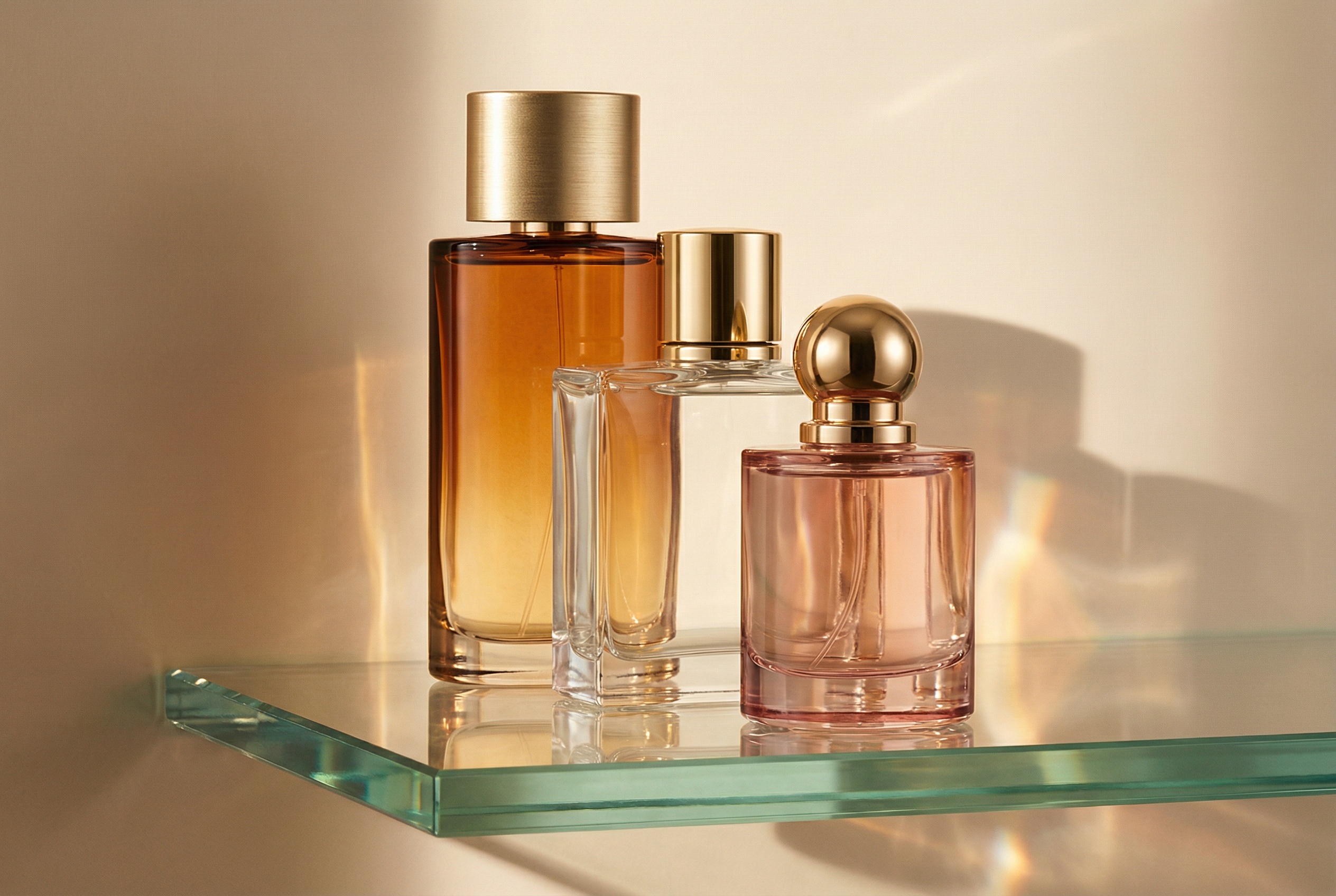
!A shelf displaying several different brands of clean perfumes, showcasing their unique packaging
The Future of Fragrance is Clear
The clean fragrance movement is more than a fleeting trend; it is a fundamental reshaping of the industry from the inside out. It signals a permanent shift in consumer expectations, where transparency, safety, and sustainability are no longer optional luxuries but essential components of modern perfumery. By asking questions, demanding ingredient lists, and supporting brands that align with their values, consumers are voting with their wallets for a healthier, more ethical, and more beautiful future. The message is clear: the ultimate luxury is peace of mind, and the most alluring scent is one you can feel truly good about wearing.
Frequently Asked Questions
Is "clean" perfume the same as "natural" or "organic"?
Not necessarily. While many clean perfumes feature a high percentage of natural and organic ingredients, the term "clean" primarily refers to formulas made without a list of potentially harmful or controversial ingredients. It often includes safe, lab-created synthetics for performance and sustainability reasons.
Are clean fragrances less long-lasting?
This is a common myth. The longevity of a fragrance depends on the concentration of perfume oils and the molecular structure of its ingredients, not whether it is "clean." Early clean perfumes may have faced this issue, but modern formulations use safe synthetics and innovative natural extracts to create long-lasting, complex scents.
Why are some synthetic ingredients used in clean perfumes?
Synthetics are used for several key reasons: safety (they can be engineered to remove potential allergens found in natural extracts), sustainability (they can replace ingredients from over-harvested plants or animal sources), and creativity (they allow perfumers to create notes that don't exist in nature).
Are clean fragrances hypoallergenic?
No perfume can be guaranteed to be 100% hypoallergenic. People can be allergic to natural ingredients like jasmine or lavender just as they can be to synthetics. However, by transparently listing all ingredients, clean brands make it much easier for individuals with known sensitivities to avoid specific triggers.
How can I tell if a brand is truly "clean"?
Look for radical transparency. A truly clean brand will disclose 100% of its ingredients, not hiding behind the "parfum" loophole. Also, look for third-party certifications (like EWG Verified™, Leaping Bunny, B Corp) and clear information on their website about their sourcing and packaging sustainability.
Does "clean" also mean cruelty-free?
Generally, yes. A commitment to ethical practices is a core tenet of the clean beauty movement, and this almost always includes a pledge against animal testing. To be certain, look for the Leaping Bunny certification, which is the most rigorous standard for cruelty-free products.
Is clean fragrance more expensive?
Sometimes, but not always. The cost can be higher due to the use of high-quality, ethically sourced natural ingredients and the investment in research and safety testing. However, as the movement grows, more accessible and affordably priced options are becoming widely available.