In the relentless pursuit of youthful, radiant skin, the world of aesthetic medicine is in a constant state of evolution. We have witnessed a parade of innovations, from the revolutionary introduction of botulinum toxin and dermal fillers to the continual refinement of laser and light-based technologies. Yet, for all their efficacy, many of these treatments work by masking or temporarily reversing the superficial signs of ageing. Now, a new frontier is emerging from the cutting edge of regenerative medicine, one that promises not just to conceal, but to fundamentally reprogram and regenerate the skin from its very cellular foundations. This groundbreaking approach is known as exosome therapy, a sophisticated treatment that harnesses the body's own intercellular messengers to orchestrate a symphony of rejuvenation.
It represents a significant paradigm shift in how we approach skin health and longevity, moving beyond superficial fixes to target the very essence of cellular vitality and communication. For the discerning individual seeking the most advanced, science-backed solutions in skincare, understanding exosome therapy is no longer optional—it is the key to unlocking the future of true skin regeneration. This comprehensive guide will delve deep into the intricate science, the tangible benefits, and the practical realities of what is rapidly becoming the new gold standard in intelligent, biological skincare.
Unveiling the Science: What Exactly Are Exosomes?
To truly appreciate the profound power of exosome therapy, we must first journey into the microscopic, bustling world of our cells. For many decades, the scientific community believed that cells interacted primarily through two main mechanisms: direct physical contact or the release of soluble signalling molecules like hormones and growth factors that would drift through the extracellular space. However, in the latter half of the 20th century, researchers began observing tiny vesicles being shed from cells, initially dismissing them as mere cellular debris or 'dust'. It was not until the 1980s and 1990s that scientists, through advanced imaging and isolation techniques, began to understand that these vesicles were, in fact, a highly sophisticated and crucial component of a previously unknown system of intercellular communication. These nano-sized couriers were named exosomes.
The Cellular Messengers: Nature's Postal Service
Imagine your body as a vast and complex city, with trillions of cellular inhabitants. For this city to function, its inhabitants must communicate constantly. Exosomes are the postal service of this cellular metropolis. Formed inside our cells within specialised compartments called multivesicular bodies (MVBs), they are released into the extracellular space when these compartments fuse with the cell membrane—a process known as exocytosis. This act unleashes a fleet of tiny messengers, each measuring between 30 and 150 nanometres in diameter, a fraction of the size of a skin cell.
What makes these vesicles so extraordinary is their cargo. An exosome is not an empty vessel; it is a carefully packaged biological payload, a snapshot of the cell that created it. This cargo includes a rich and diverse array of bioactive molecules:
- Proteins: This includes a vast range of growth factors (like TGF-β, FGF, and EGF), cytokines, and enzymes that can directly influence the function of the recipient cell.
- Lipids: The exosome's own double-layered membrane is rich in lipids like cholesterol and ceramides, which can merge with the recipient cell membrane, influencing its fluidity and function.
- Nucleic Acids: This is perhaps the most critical part of the cargo. Exosomes carry various forms of RNA, including messenger RNA (mRNA), which carries the code for building new proteins, and microRNA (miRNA), small non-coding RNA molecules that act as master regulators, capable of silencing specific genes within the recipient cell.
This cargo is a complex set of instructions. When an exosome encounters and fuses with a target cell, it delivers this payload, effectively reprogramming the recipient cell's behaviour. This intercellular communication is fundamental to maintaining tissue homeostasis, orchestrating immune responses, and, most importantly for our purposes, directing processes of tissue repair and regeneration. The beauty of exosomes lies in their specificity; their surface is studded with proteins that allow them to dock with and be taken up by specific target cells, ensuring their potent instructions are delivered precisely where they are needed most.
How Exosomes are Sourced and Purified for Skincare
The therapeutic potential of exosomes is directly linked to the quality and nature of their parent cells. The exosomes used in clinical aesthetic treatments are not derived from just any cell type. They are harvested from potent mesenchymal stem cells (MSCs), which are multipotent stromal cells renowned for their powerful regenerative, anti-inflammatory, and immunomodulatory capabilities.
These MSCs can be sourced from various human tissues, including bone marrow and adipose (fat) tissue. However, the gold standard for aesthetic applications is the use of perinatal tissues, such as the umbilical cord (specifically Wharton's jelly) and placenta. These sources are considered superior for several reasons:
1. Youth and Potency: The cells are pristine, youthful, and have not been subjected to the ageing processes or environmental stressors that affect adult stem cells. This means they produce a more potent and regenerative cocktail of exosomes.
2. Ethical and Abundant: These tissues are typically discarded after birth, making their use ethically sound and readily available with maternal consent.
3. Safety: The cells are immunoprivileged, meaning they are less likely to cause an immune reaction.
The process of creating a clinical-grade exosome product is highly technical. The MSCs are grown in a controlled, sterile laboratory environment in a nutrient-rich liquid known as a culture medium. As they grow and multiply, they naturally secrete billions of exosomes into this medium. The medium is then collected, and the real scientific challenge begins: isolating the tiny exosomes from the much larger cells, other vesicles, and residual medium components. This is achieved through a multi-step purification process:
- Filtration: The process often begins with filtration to remove large cells and cellular debris.
- Ultracentrifugation or Tangential Flow Filtration (TFF): These are advanced techniques used to separate particles based on their size, density, and shape. TFF is often preferred as it is a gentler method that better preserves the integrity of the exosomes.
- Quality Control: The final, concentrated exosome product is rigorously tested for purity, concentration, and sterility. It is quantified to ensure a consistent and therapeutic number of exosomes in every vial.
The result is a clear, cell-free solution containing a high concentration of pure, intact exosomes. It is crucial to reiterate that the final product contains only the exosomes, not the stem cells themselves. This is a key safety and regulatory distinction from stem cell therapy, as it completely eliminates the risks associated with cellular transplantation, such as rejection, uncontrolled cell growth, or graft-versus-host disease.
The Mechanism: How Exosome Therapy Rejuvenates the Skin
Once this potent, purified serum of exosomes is delivered to the skin, its regenerative mission begins. For optimal efficacy and to ensure the exosomes reach their target cells in the dermis, the therapy is typically administered following a procedure that creates temporary, microscopic channels in the skin. The most effective and common pairing is with advanced microneedling techniques, which create thousands of controlled micro-conduits, allowing the exosomes to bypass the skin's protective outer layer, the stratum corneum.
Upon reaching the dermis, the exosomes begin their work, interacting with key cell populations, most notably the fibroblasts, but also with keratinocytes, melanocytes, and immune cells. This initiates a powerful cascade of cellular events that collectively combat the signs of ageing on multiple fronts.
Stimulating Fibroblast Activity and Extracellular Matrix Synthesis
The primary role of exosomes in skin rejuvenation is to awaken and re-energise dormant or senescent (ageing) fibroblasts. As we age, our fibroblasts become sluggish and less efficient, producing less of the crucial proteins that form the skin's structural framework, the extracellular matrix (ECM). The potent cargo of growth factors (like FGF and PDGF) and miRNA within the exosomes effectively gives these tired fibroblasts a new, youthful set of instructions. This cellular 're-awakening' leads to a significant and sustained increase in the production of high-quality structural proteins:
- Collagen: Exosomes stimulate the synthesis of both Type I and Type III collagen. Type I provides tensile strength and firmness, while Type III, often called 'baby collagen', provides pliability and is more abundant in youthful skin. The result is a denser, more organised, and more resilient ECM.
- Elastin: The therapy also boosts the production of elastin, the protein responsible for the skin's ability to stretch and recoil. This restores the 'snap-back' quality that is lost with age, improving firmness and reducing sagging.
This is not a temporary plumping effect; it is a fundamental process of rebuilding the skin's scaffolding from the ground up, leading to a natural, authentic, and long-lasting improvement in skin quality and structure.
Reducing Inflammation and Combating Oxidative Stress
Chronic, low-grade inflammation (often termed 'inflammageing') and oxidative stress are two of the primary drivers of premature skin ageing. They are the invisible saboteurs that silently degrade our collagen and elastin, leading to wrinkles, sagging, and a loss of radiance. Exosomes are powerful modulators of these destructive processes.
They possess inherent anti-inflammatory properties, containing molecules and miRNA that can down-regulate pro-inflammatory pathways in the skin. This helps to calm irritated skin, reduce generalised redness, and create a more balanced and healthy skin environment. This is particularly beneficial after procedures like microneedling, as it significantly reduces downtime.
Furthermore, they are rich in antioxidant enzymes (like catalase and glutathione peroxidase) and can also stimulate the skin's own antioxidant defence systems. These are crucial for neutralising reactive oxygen species (ROS), or free radicals—unstable molecules generated by factors like UV radiation, pollution, and stress that wreak havoc on our cells. By mitigating these two destructive forces, exosome therapy not only repairs existing damage but also helps to fortify the skin's defences, protecting it from future harm and contributing to a healthier, more resilient approach to your skin's microbiome.
!A diagram illustrating the process of exosome therapy for skin regeneration.
The Aesthetic Benefits: What Can Exosome Therapy Achieve?
The theoretical science is compelling, but what does this mean for your skin in practice? The results of exosome therapy are both comprehensive and profound, addressing multiple signs of ageing and environmental damage simultaneously. Unlike treatments that offer a singular benefit, exosome therapy provides a holistic improvement in skin health. Patients consistently report a noticeable improvement in the overall quality and appearance of their skin, often described as a 'lit-from-within' glow that is difficult to achieve with other modalities.
Enhanced Skin Texture, Tone, and Pore Refinement
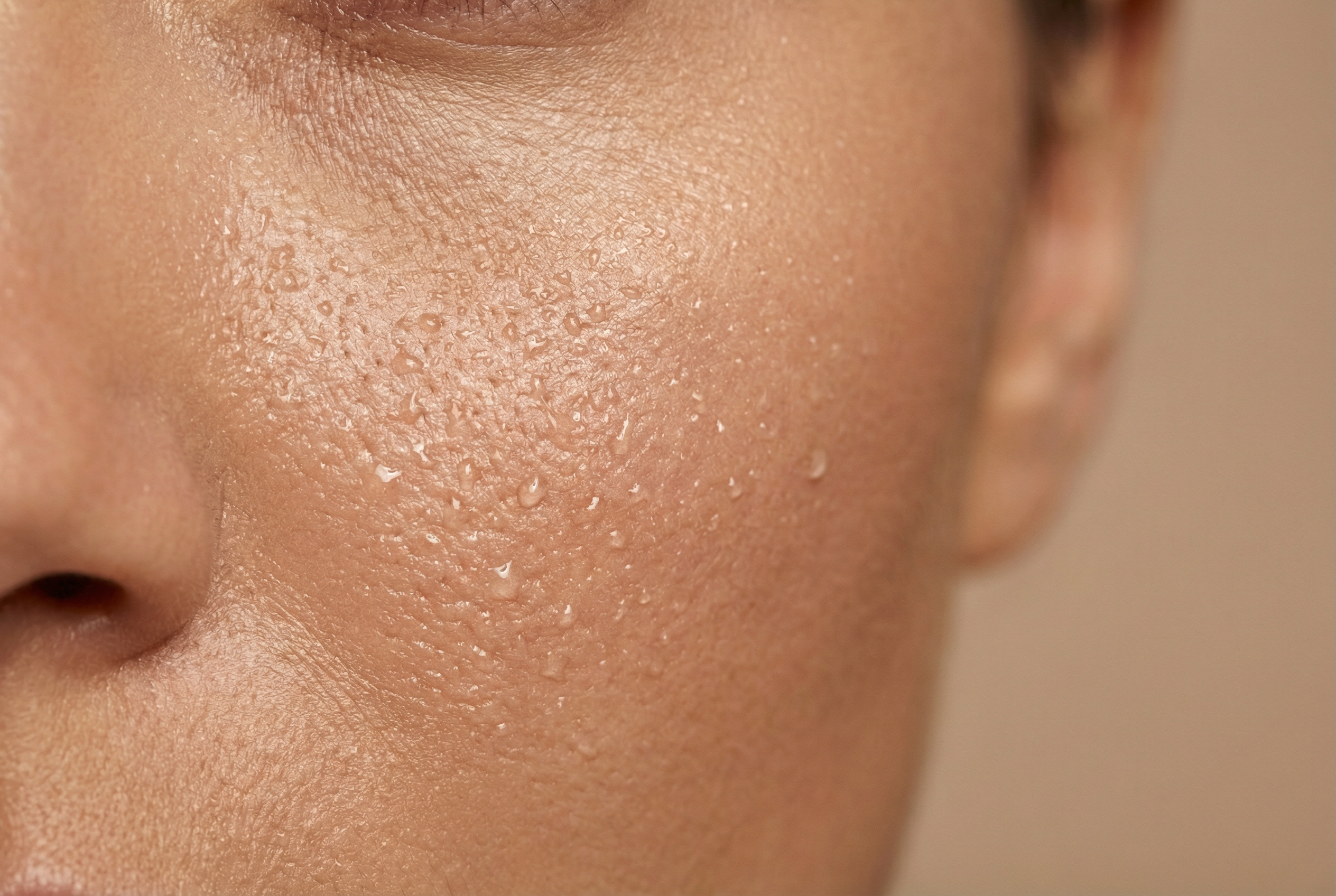
One of the most immediate and noticeable benefits of exosome therapy is a dramatic improvement in skin texture. The surge in new collagen production helps to smooth out roughness, fill in textural irregularities, and create a more refined and supple surface that feels soft and velvety to the touch. Furthermore, by promoting organised cellular turnover and reducing the underlying inflammation that can cause blotchiness, exosomes help to even out skin tone. They can diminish areas of persistent redness, reduce sallowness, and restore a clear, uniform complexion. Many patients also report a significant reduction in the appearance of enlarged pores, as the newly strengthened collagen matrix tightens and supports the pore structure.
Visible Reduction in Fine Lines and Wrinkles
As the skin's dermal-epidermal junction is reinforced and the structural matrix is rebuilt with fresh, high-quality collagen and elastin, fine lines and wrinkles begin to soften and fade. The therapy is particularly effective for treating dynamic and static lines, such as periorbital lines (crow's feet), perioral lines (smoker's lines), and forehead lines. The result is a smoother, more youthful-looking canvas that reflects light more evenly. Crucially, this improvement is achieved without the 'frozen' or unnatural look that can sometimes result from neurotoxin treatments, as it restores the skin's own natural volume and resilience.
Improved Hydration, Firmness, and Elasticity
Healthy skin is hydrated skin. Exosomes play a vital role in restoring the skin's natural barrier function, which is often compromised by age and environmental factors. By repairing this barrier, they improve the skin's ability to retain moisture, preventing transepidermal water loss. This leads to a significant and lasting boost in hydration, leaving the skin looking plump, dewy, and healthy. Concurrently, the increase in elastin fibres, the protein responsible for the skin's ability to stretch and recoil, restores its 'snap-back' quality. This translates to a visible improvement in firmness and a reduction in sagging, particularly along the jawline and in the mid-face.
Advanced Scar and Pigmentation Correction
The regenerative and anti-inflammatory properties of exosomes make them a powerful tool for treating challenging conditions like acne scars and hyperpigmentation. For atrophic acne scars, the therapy stimulates the production of new collagen to 'fill in' the depressions, leading to a smoother skin surface. For hyperpigmentation, including sun spots and post-inflammatory hyperpigmentation (PIH), the exosomes help to regulate melanocyte activity, preventing the overproduction of melanin. By promoting the formation of new, healthy, and evenly pigmented tissue, the therapy can significantly reduce the visibility of scars and dark spots, leading to a clearer and more even-toned complexion.
Exosome Therapy vs. Other Regenerative Treatments
In the rapidly evolving landscape of regenerative aesthetics, it is essential for patients to understand how newer treatments like exosome therapy compare to more established procedures. The most frequent comparison is drawn with Platelet-Rich Plasma (PRP) therapy, a well-established procedure that has been a cornerstone of regenerative medicine for years. While both treatments leverage the body's own healing mechanisms, they operate on different principles and offer distinct advantages and limitations. Understanding these differences is key to making an informed decision and choosing the right treatment for your specific needs and goals.
| Feature | Exosome Therapy | Platelet-Rich Plasma (PRP) |
|---|---|---|
| Source | Donated mesenchymal stem cells (highly purified, lab-derived) | Patient's own blood (autologous) |
| Mechanism | Delivers a concentrated, pre-selected cocktail of growth factors, lipids, and miRNA to instruct cell regeneration | Uses platelets concentrated from the patient's blood to release a variable mix of growth factors and stimulate healing |
| Concentration & Potency | Contains a significantly higher and more diverse concentration of growth factors (billions of exosomes per ml) | Concentration of growth factors is lower and dependent on the patient's age, health, and blood quality |
| Consistency & Quality Control | Standardised, lab-purified product ensures consistent quality, potency, and safety in every batch | Results can vary significantly between patients and even between sessions for the same patient due to physiological fluctuations |
| Application | Topical application, typically combined with microneedling or other energy-based devices for enhanced penetration | Injected directly into the skin or applied topically after microneedling; can be more uncomfortable |
| Inflammation & Downtime | Possesses inherent anti-inflammatory properties that help to reduce redness, swelling, and downtime post-procedure | Can cause a temporary inflammatory response as part of the healing cascade, leading to more significant swelling and a longer recovery period |
| Results & Onset | Often visible more quickly, with initial improvements in glow and texture seen within a few weeks, and full results at 2-3 months | Results typically take longer to appear, often requiring several months and multiple treatments to become noticeable |
| Ideal Candidate | Suitable for all ages and skin types, particularly those seeking the most advanced, potent, and consistent results | May be a good option for younger patients or those who prefer a purely autologous treatment, but less effective for older patients |
While PRP has been a trusted and valuable treatment for many years and remains a valid option for many, exosome therapy represents a more advanced, potent, and refined evolution in regenerative medicine. It offers a more targeted, consistent, and powerful approach to skin rejuvenation, with the significant added benefits of reduced inflammation and downtime. For patients seeking the most cutting-edge, science-backed treatment available, exosome therapy is emerging as the clear front-runner.
!A close-up of a vial containing exosome serum, ready for application.
The Treatment Experience: What to Expect
Embarking on a course of exosome therapy is a straightforward, comfortable, and minimally invasive process. It is designed to be a 'lunchtime' procedure with little to no disruption to your daily life, making it an ideal choice for busy individuals. Here’s a detailed, step-by-step guide to what you can expect from consultation to final result.
The Initial Consultation
Your journey will begin with a thorough consultation with a qualified and experienced aesthetic practitioner. This is a crucial step that should not be rushed. During this session, your practitioner will conduct a comprehensive assessment of your skin, discuss your specific concerns and aesthetic goals, and review your medical history in detail to ensure you are a suitable candidate. They will explain the science behind exosome therapy, how it works, and what realistic results you can expect to achieve. This is the perfect opportunity for you to ask any questions you may have and to ensure you feel comfortable and confident in your practitioner's expertise. A reputable clinic will always provide a cooling-off period for you to consider the information before committing to a treatment plan.
The Procedure Itself
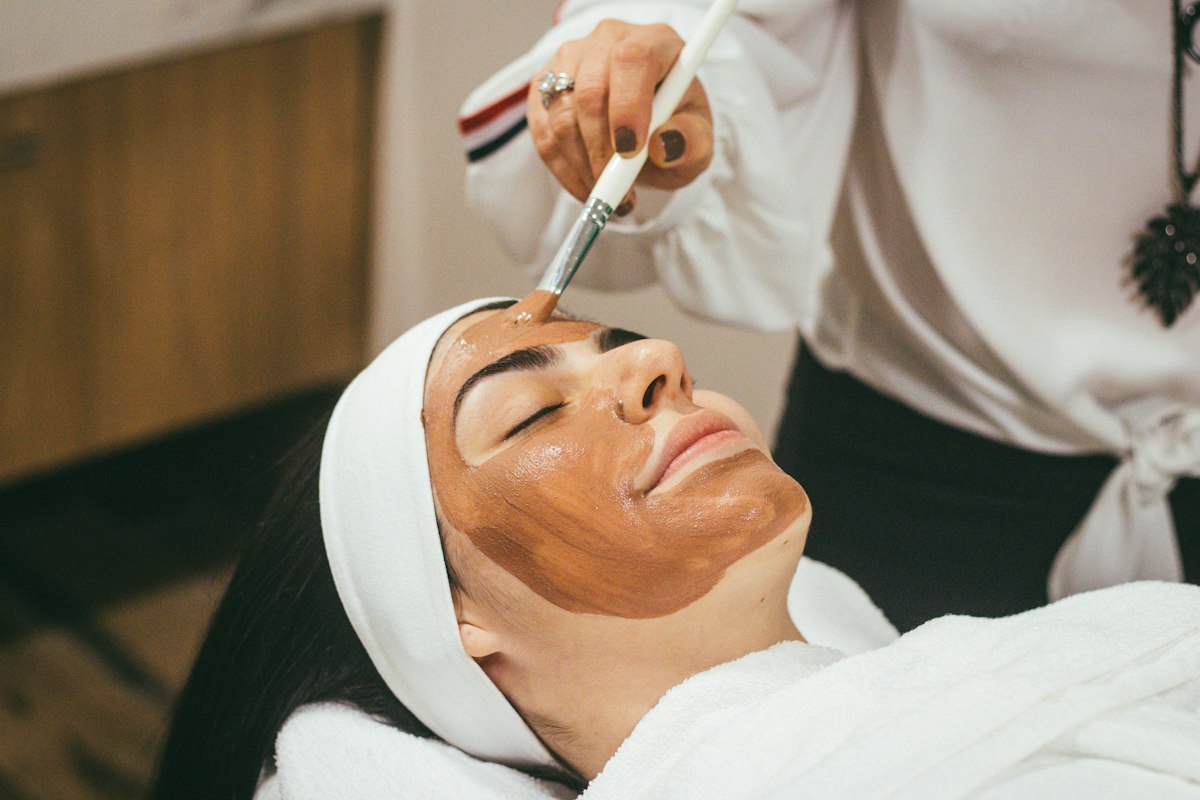
On the day of your treatment, you will be made comfortable in a private treatment room. Your skin will be thoroughly cleansed to remove any makeup, oils, or impurities. A topical numbing cream will then be applied to the treatment area and left to take effect for approximately 30-45 minutes to ensure your complete comfort throughout the procedure. Once the skin is numb, the cream is removed, and the skin is sterilised. The exosome serum is then applied topically to the skin. To enhance its penetration into the dermis, the therapy is almost always combined with a treatment that creates micro-channels in the skin. The most common and effective pairing is with a medical-grade microneedling device, which uses fine, sterile needles to create controlled micro-injuries, allowing the exosomes to reach the target cells more effectively. Your practitioner will pass the microneedling device over the treatment area in a systematic pattern, while continuously applying the exosome serum. The entire procedure typically takes between 60 and 90 minutes, depending on the size of the area being treated.
Post-Treatment Care and Results Timeline
Following the treatment, you can expect your skin to appear pink or red, similar to a mild sunburn, and feel slightly tight or sensitive. This is a normal reaction and typically subsides within a few hours to a day. Your practitioner will provide you with specific, written aftercare instructions, which are crucial for achieving the best possible results and preventing complications. These usually involve avoiding direct sun exposure, strenuous exercise, and harsh skincare products for a few days. You will be advised to use a gentle cleanser and a hydrating, reparative serum provided by the clinic. Unlike more invasive procedures, there is virtually no social downtime with exosome therapy, and you can return to your normal activities almost immediately, applying mineral makeup the following day if desired. The initial results, such as improved hydration, reduced redness, and a radiant glow, can often be seen within the first few weeks. However, the true regenerative effects, including increased collagen production, improved firmness, and a reduction in fine lines, will continue to develop over the following two to three months as your skin undergoes its full renewal cycle. For optimal, long-lasting results, a course of three to five treatments, spaced four to six weeks apart, is often recommended, followed by a maintenance session once or twice a year.
!A patient undergoing a non-invasive exosome therapy session.
Potential Risks, Side Effects, and Considerations
As with any aesthetic treatment, it is essential to have a clear and comprehensive understanding of the safety profile and potential risks associated with exosome therapy. While it is considered a very safe procedure with a low risk profile, particularly due to its cell-free nature, there are still important factors to consider to ensure a safe and positive experience.
Is Exosome Therapy Safe? A Look at the Evidence
The exosomes used for cosmetic purposes are sourced from carefully screened donors and undergo rigorous purification, sterilisation, and testing processes in certified laboratories to ensure their safety, purity, and quality. Because the final product does not contain any live cells, DNA, or blood products, there is no risk of rejection, allergic reaction, or transmission of disease. The most common side effects are mild, temporary, and directly related to the accompanying microneedling procedure rather than the exosomes themselves. These can include transient redness, minor swelling, pinpoint bleeding, and a feeling of sensitivity at the treatment site, all of which typically resolve within 24-48 hours. The risk of more serious complications, such as infection or scarring, is extremely low when the treatment is performed by a skilled practitioner in a sterile environment. However, it is important to acknowledge that the field of exosome therapy is still relatively new in the cosmetic space, and long-term studies are ongoing. It is therefore paramount to choose a reputable and experienced medical professional who uses high-quality, lab-certified products from established manufacturers.
Who is an Ideal Candidate for Exosome Therapy?
Exosome therapy is a versatile treatment suitable for a wide range of individuals of all ages and skin types who are looking to proactively address the signs of ageing and improve the overall health and resilience of their skin. Ideal candidates are those who are concerned with one or more of the following:
- Fine lines and wrinkles, both static and dynamic
- Uneven skin texture, roughness, and enlarged pores
- Loss of firmness, elasticity, and facial sagging
- Dehydration, dullness, and a lack of radiance
- Atrophic acne scarring and textural irregularities
- Hyperpigmentation, sun damage, and uneven skin tone
- General signs of skin ageing and a desire for preventative measures
The treatment is equally effective for men and women. However, it may not be recommended for individuals with certain contraindications, such as active skin infections (e.g., herpes simplex), inflammatory skin conditions like eczema or psoriasis in the treatment area, autoimmune disorders affecting the skin, a history of keloid or hypertrophic scarring, or those who are pregnant or breastfeeding. A thorough consultation with your practitioner is the only way to definitively determine if exosome therapy is the right and safe choice for you.
!An advanced skincare laboratory with scientists working on exosome research.
The Future of Regenerative Aesthetics
Exosome therapy is more than just a fleeting trend; it represents a fundamental and exciting shift in our understanding of skin biology and rejuvenation. It marks a move away from simply treating the symptoms of ageing towards a more intelligent, biological approach that empowers the skin to repair and regenerate itself. As research continues to accelerate, we can expect to see even more sophisticated and targeted applications of this technology. Scientists are exploring the potential of 'designer' or 'engineered' exosomes, where the cargo can be customised to carry specific therapeutic payloads, opening up the possibility of truly personalised treatments for a wide range of dermatological conditions, from inflammatory disorders like eczema and psoriasis to advanced wound healing and hair restoration. The future of aesthetics lies in working in harmony with the body’s own intricate systems, and exosome therapy is at the very forefront of this new era. It is a testament to the power of science to unlock nature’s own secrets to timeless beauty and enduring skin health.
Frequently Asked Questions
How long does it take to see results from exosome therapy?
While some initial improvements in skin hydration and radiance can be seen within a few weeks, the full regenerative effects of exosome therapy, such as increased collagen production and a reduction in fine lines, typically become apparent over two to three months as the skin undergoes its natural renewal process.
Is exosome therapy painful?
The procedure is generally well-tolerated. A topical numbing cream is usually applied before the treatment to minimise any discomfort from the accompanying microneedling. Most patients report feeling only a mild vibrating sensation during the procedure.
How many treatments will I need?
For optimal and long-lasting results, a course of three to five treatments is typically recommended, with each session spaced four to six weeks apart. Your practitioner will create a personalised treatment plan based on your specific skin concerns and goals.
What is the difference between exosome therapy and stem cell therapy?
While both are rooted in regenerative medicine, they are fundamentally different. Stem cell therapy involves the use of live stem cells, whereas exosome therapy uses only the cell-free exosomes secreted by stem cells. This means there is no risk of cellular rejection with exosome therapy, making it a safer option for cosmetic applications.
Can exosome therapy be combined with other treatments?
Yes, exosome therapy is often used in combination with other aesthetic treatments to enhance their effects. It is most commonly paired with microneedling, but it can also be used to accelerate healing and improve results from laser resurfacing, chemical peels, and other procedures.
How much does exosome therapy cost?
The cost of exosome therapy can vary depending on the location, the practitioner's expertise, and the number of treatments required. It is generally considered a premium treatment, with prices typically ranging from £500 to £1500 per session. A consultation with your provider will give you a precise quote.
Are the results of exosome therapy permanent?
The results of exosome therapy are long-lasting but not permanent, as the natural ageing process continues. The new collagen and elastin produced can last for several years, but maintenance treatments are recommended to sustain the results over time. A healthy lifestyle and a good skincare routine will also help to prolong the benefits.