From the first spot that appears in our teenage years to the unexpected dryness that can accompany menopause, our skin is in a constant state of flux. More often than not, these changes can be traced back to one powerful source: our hormones. These chemical messengers, particularly oestrogen, progesterone, and testosterone, orchestrate a delicate dance that influences everything from our mood to our skin’s behaviour. Understanding this intricate relationship is the first step towards achieving a complexion that feels balanced, healthy, and resilient, no matter the time of the month or the stage of life.
For many, the most noticeable hormonal skin changes are tied to the menstrual cycle. The monthly ebb and flow of hormones can leave skin looking radiant one week and feeling oily and congested the next. This cyclical pattern can be frustrating, but it also offers a unique opportunity to tailor your skincare routine to your body’s natural rhythm. By anticipating these shifts, you can proactively address potential issues and support your skin’s health in a more intuitive and effective way. This guide will provide you with the knowledge and tools to navigate the hormonal landscape of your skin, empowering you to feel confident and in control of your complexion.
!A woman looking at her reflection in the mirror, with a focus on her clear and healthy skin.
The Menstrual Cycle and Your Skin
The menstrual cycle is a perfect example of hormonal fluctuations in action. Typically lasting around 28 days, it can be divided into four distinct phases, each with its own hormonal profile and corresponding impact on the skin. By learning to identify these phases, you can begin to decode your skin’s signals and respond with the care it needs.
The Follicular Phase: Rising Oestrogen and Clearer Skin
The follicular phase begins on the first day of your period and lasts until ovulation, typically around day 14. During this time, oestrogen levels start to rise, which is great news for your skin. Oestrogen is known for its plumping and hydrating properties, as it boosts collagen production and helps to maintain the skin’s natural barrier function. As a result, you may notice that your complexion looks clearer, smoother, and more radiant during this phase. It’s a time when your skin is at its most resilient and receptive to active ingredients. This is the ideal time to focus on maintaining your skin's health and addressing any lingering concerns from your previous cycle. Your skin is in a renewal phase, so gentle exfoliation can be particularly effective. Incorporating antioxidants like Vitamin C can help to protect your skin from environmental damage and enhance its natural brightness. It’s also a good time to use hydrating serums and moisturisers to lock in moisture and support your skin’s barrier.
Ovulation: The Mid-Cycle Glow
Around day 14, oestrogen reaches its peak, triggering ovulation. This is when your skin is likely to look its absolute best, with a natural luminosity often referred to as the ‘mid-cycle glow’. The high levels of oestrogen contribute to optimal hydration and a strong, healthy skin barrier. However, a surge in luteinizing hormone (LH) also occurs at this time, which can sometimes lead to a minor increase in oil production for some individuals. During this phase, your skincare routine can be relatively simple. Focus on cleansing, toning, and moisturising to maintain your skin’s balance. This is also a great time for a professional facial or an at-home mask treatment to enhance your skin’s natural radiance. While your skin is likely to be at its best, it’s still important to protect it from the sun with a broad-spectrum SPF.
The Luteal Phase: Progesterone, Sebum, and Breakouts
After ovulation, the luteal phase begins, lasting from around day 15 to 28. During this time, progesterone levels rise, becoming the dominant hormone. Progesterone has a different effect on the skin compared to oestrogen. It can cause the skin to swell slightly and compress the pores, while also stimulating the production of sebum, the skin’s natural oil. This combination of smaller-looking pores and increased oil can create the perfect environment for breakouts. It’s during the luteal phase that many people experience premenstrual acne, often around the chin and jawline. This is a good time to be diligent with your cleansing routine and to incorporate ingredients that can help to manage excess oil and prevent clogged pores. Salicylic acid is an excellent ingredient to use during this phase, as it can penetrate the pores to dissolve excess sebum and dead skin cells. Clay masks can also be beneficial for drawing out impurities and reducing oiliness. It’s also important to avoid heavy, occlusive moisturisers that could further clog your pores.
Menstruation: When Skin Can Be at Its Most Sensitive
If pregnancy does not occur, both oestrogen and progesterone levels drop, triggering menstruation. This sudden hormonal shift can leave the skin feeling dry, dull, and more sensitive than usual. With lower levels of oestrogen, the skin’s ability to retain moisture is reduced, and its natural barrier function can be compromised. This is a time to focus on gentle, hydrating, and nourishing skincare to support your skin through this more vulnerable phase. Avoid harsh exfoliants and active ingredients that could cause irritation. Instead, opt for products that contain soothing and hydrating ingredients like hyaluronic acid, ceramides, and niacinamide. A gentle, creamy cleanser and a rich, nourishing moisturiser can help to comfort your skin and restore its balance. This is also a good time to indulge in a hydrating sheet mask or a calming facial oil.
Navigating Perimenopause and Menopause
Just as the menstrual cycle brings about predictable hormonal shifts, the transition into menopause, known as perimenopause, marks another significant period of hormonal change. This phase can begin in a woman’s 40s, or even earlier for some, and is characterised by fluctuating and then declining oestrogen levels. These changes can have a profound impact on the skin, leading to a new set of concerns.
Oestrogen’s Decline and Its Impact on Collagen
Oestrogen plays a crucial role in maintaining the skin’s youthful appearance, primarily by supporting the production of collagen, the protein that gives skin its firmness and elasticity. As oestrogen levels decline during perimenopause and menopause, so does collagen production. It’s estimated that the skin loses about 30% of its collagen during the first five years of menopause. This loss of collagen can lead to a noticeable decrease in skin density and an increase in the appearance of fine lines and wrinkles. To combat this, it’s important to incorporate ingredients that can help to stimulate collagen production, such as retinoids and peptides. Retinoids, a derivative of Vitamin A, are considered the gold standard for anti-ageing, as they can help to increase cell turnover and boost collagen synthesis. Peptides are short chains of amino acids that can also help to signal the skin to produce more collagen.
Increased Dryness and Sensitivity
Another key role of oestrogen is to help the skin retain moisture by supporting the production of hyaluronic acid and maintaining a healthy skin barrier. As oestrogen levels drop, the skin’s ability to hold onto water is diminished, leading to increased dryness and dehydration. This can manifest as a feeling of tightness, flakiness, and a loss of the skin’s natural radiance. A compromised skin barrier can also lead to increased sensitivity, making the skin more reactive to products and environmental stressors. To address this, it’s essential to focus on hydration and barrier repair. Look for moisturisers that contain ingredients like hyaluronic acid, ceramides, and glycerin. These ingredients can help to attract and retain moisture in the skin, while also strengthening the skin’s natural barrier. It’s also important to avoid harsh cleansers and exfoliants that can strip the skin of its natural oils.
The Unexpected Return of Acne
While acne is often associated with teenage years, it can make an unwelcome return during perimenopause and menopause. This is because even as oestrogen levels decline, the production of androgens, such as testosterone, can remain relatively stable. This can create a hormonal imbalance that leads to an increase in sebum production and the development of hormonal acne, often around the lower face, jawline, and neck. For more information on managing this, see our guide to adult acne. When dealing with menopausal acne, it’s important to use a gentle approach. Harsh acne treatments can be too drying for mature skin. Instead, look for products that contain ingredients like salicylic acid or azelaic acid, which can help to unclog pores and reduce inflammation without causing excessive dryness. It’s also important to maintain a consistent skincare routine and to avoid picking or squeezing blemishes, which can lead to scarring.
!A woman meditating in a calm and serene outdoor setting.
Key Hormones and Their Roles in Skin Health
To truly understand hormonal skin, it’s helpful to get to know the main players and their specific roles.
Oestrogen: The Plumping and Hydrating Hormone
Oestrogen is the star player when it comes to maintaining youthful, healthy-looking skin. It stimulates the production of collagen, elastin, and hyaluronic acid, all of which are essential for keeping the skin firm, plump, and hydrated. When oestrogen levels are optimal, the skin’s barrier function is strong, and it has a natural radiance. Oestrogen also helps to regulate oil production, keeping the skin balanced. It even plays a role in wound healing, helping the skin to repair itself more efficiently. The decline in oestrogen during menopause is the primary reason for the most visible signs of skin ageing.
Progesterone: The Oil-Regulating Hormone
Progesterone’s role is a bit more complex. While it’s essential for a healthy menstrual cycle, its effects on the skin can be a mixed bag. As mentioned, it can cause the skin to swell and increase sebum production, which can contribute to breakouts. However, it also plays a part in skin elasticity and pigmentation. Some research suggests that progesterone may have a relaxing effect on the skin, which could potentially help to reduce the appearance of fine lines and wrinkles. However, the most noticeable effect of progesterone on the skin is its tendency to cause premenstrual acne.
Testosterone: The Sebum and Acne Trigger
Testosterone is an androgen, a type of male hormone that is also present in smaller amounts in women. It’s a primary driver of sebum production, and when its levels are elevated in relation to oestrogen, it can lead to oily skin and hormonal acne. This is why breakouts are common during puberty, the luteal phase of the menstrual cycle, and perimenopause. Testosterone can also contribute to the growth of facial hair, which is another common concern for women during menopause. While testosterone is often seen as the ‘bad guy’ when it comes to skin, it’s important to remember that it’s a necessary hormone for overall health and wellbeing.
Adapting Your Skincare to Your Hormonal Rhythm
One of the most empowering things you can do for your skin is to adapt your skincare routine to its changing needs throughout your hormonal cycle. This concept, often called ‘cycle syncing’, involves using specific products and ingredients at different times of the month to support your skin’s health.
| Menstrual Phase | Hormonal Shift | Skin Condition | Recommended Skincare Adjustments |
|---|---|---|---|
| Menstruation (Days 1-7) | Low Oestrogen & Progesterone | Dry, dull, sensitive | Focus on hydration and gentle, nourishing ingredients. Use hydrating masks and avoid harsh exfoliants. |
| Follicular Phase (Days 8-14) | Oestrogen rises | Clear, glowing, strong | Introduce gentle exfoliation and brightening ingredients like Vitamin C. Maintain a consistent routine. |
| Ovulation (Day 14) | Peak Oestrogen | Radiant, at its best | Continue with your regular routine, enjoying the natural glow. This is a good time for facials. |
| Luteal Phase (Days 15-28) | Progesterone rises, Oestrogen drops | Oily, prone to breakouts | Use clay masks to manage excess sebum. Incorporate salicylic acid to prevent clogged pores. |
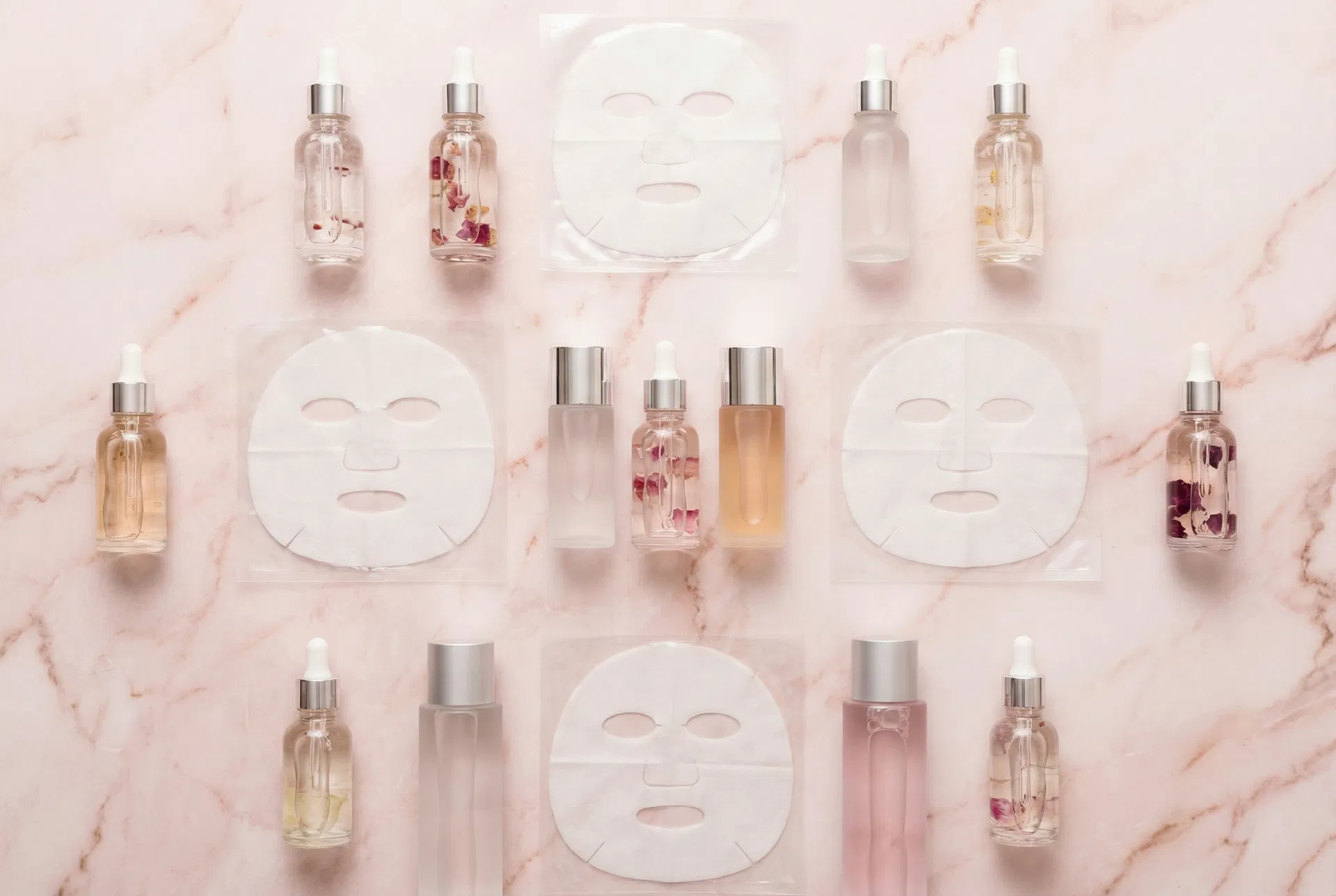
!A flat lay of various skincare products on a marble background.
Lifestyle Factors for Hormonal Harmony
While a well-timed skincare routine can make a significant difference, it’s important to remember that healthy skin starts from within. Several lifestyle factors can influence your hormonal balance and, in turn, the health of your complexion.
The Role of Diet and Nutrition
What you eat can have a direct impact on your hormones. A diet rich in anti-inflammatory foods, such as leafy greens, berries, and fatty fish, can help to support overall hormonal health. Conversely, a diet high in sugar and processed foods can contribute to inflammation and exacerbate hormonal acne. Some studies suggest that dairy products may also be a trigger for some individuals. To support your skin, focus on a whole-foods diet with plenty of fruits, vegetables, lean protein, and healthy fats. Foods rich in zinc, such as pumpkin seeds and chickpeas, can be particularly beneficial for acne-prone skin. It’s also important to stay hydrated by drinking plenty of water throughout the day.
Stress Management Techniques
Stress is a major disruptor of hormonal balance. When you’re stressed, your body produces cortisol, which can lead to increased sebum production and inflammation. Finding effective ways to manage stress, whether it’s through yoga, meditation, or spending time in nature, can have a profound impact on your skin. For a deeper look at this connection, explore our article on the relationship between stress and your skin. Even just a few minutes of deep breathing each day can help to lower your cortisol levels and calm your nervous system. Regular exercise is another excellent way to manage stress and improve your overall health.
The Importance of Quality Sleep
Sleep is when your body repairs and regenerates, and that includes your skin. A lack of quality sleep can disrupt your hormonal rhythm and lead to a dull, tired-looking complexion. Aim for 7-9 hours of quality sleep per night to give your skin the time it needs to rejuvenate. Discover more about the link between sleep and beauty. To improve your sleep quality, create a relaxing bedtime routine. This could include taking a warm bath, reading a book, or listening to calming music. It’s also important to create a sleep-conducive environment by keeping your bedroom dark, quiet, and cool.
When to Seek Professional Advice
While many hormonal skin concerns can be managed with a consistent skincare routine and healthy lifestyle choices, there are times when it’s best to seek professional advice.
Consulting a Dermatologist for Adult Acne
If you’re struggling with persistent or severe adult acne, a dermatologist can provide a proper diagnosis and recommend a personalised treatment plan. This may include prescription-strength topical treatments, oral medications, or in-office procedures. A dermatologist can also help you to distinguish between hormonal acne and other skin conditions, such as rosacea or perioral dermatitis. They can also provide guidance on the best skincare ingredients and products for your specific skin type and concerns.
Speaking with a GP or Endocrinologist
If you suspect that your skin issues may be related to an underlying hormonal imbalance, it’s a good idea to speak with your GP or an endocrinologist. They can perform tests to assess your hormone levels and recommend appropriate medical interventions if necessary. This is particularly important if you’re experiencing other symptoms of a hormonal imbalance, such as irregular periods, unexplained weight gain, or excessive hair growth. A thorough medical evaluation can help to identify the root cause of your skin concerns and ensure that you receive the most effective treatment.
Conclusion
Navigating the world of hormonal skin health can feel complex, but it doesn’t have to be overwhelming. By understanding the key hormones at play and how they influence your skin throughout your menstrual cycle and life stages, you can make informed choices about your skincare and lifestyle. Embracing a proactive and adaptable approach will empower you to support your skin’s health and maintain a complexion that feels balanced, resilient, and radiant. Remember that consistency is key. It can take time to see the results of your efforts, so be patient and persistent with your skincare routine and lifestyle changes. And most importantly, be kind to yourself. Your skin is a reflection of your_overall health and wellbeing, so take a holistic approach to caring for it.
Frequently Asked Questions
How long does it take for hormonal acne to clear up?
The timeline for clearing hormonal acne can vary greatly from person to person. It depends on the underlying cause, the severity of the acne, and the treatment approach. With a consistent skincare routine and lifestyle changes, you may start to see improvements within a few weeks to a couple of months. However, for more persistent cases, it may take several months of treatment to achieve significant clearing.
Can birth control help with hormonal acne?
Yes, for many women, combination oral contraceptives can be an effective treatment for hormonal acne. These pills contain both oestrogen and progestin, which can help to regulate hormone levels and reduce the effects of androgens on the skin. However, it’s important to discuss the potential risks and benefits with your doctor to determine if it’s the right option for you.
What are the best ingredients for hormonal breakouts?
For hormonal breakouts, look for ingredients that can help to exfoliate the skin, reduce inflammation, and control excess oil. Salicylic acid is a great choice for keeping pores clear, while benzoyl peroxide can help to kill acne-causing bacteria. Niacinamide is another excellent ingredient for reducing inflammation and improving the skin’s barrier function. Retinoids, both over-the-counter and prescription-strength, can also be very effective for managing hormonal acne.
Does diet really affect hormonal skin health?
Yes, there is a growing body of evidence to suggest that diet can play a significant role in hormonal skin health. High-glycemic foods, such as sugar and refined carbohydrates, can cause a spike in insulin, which can in turn lead to increased sebum production and inflammation. Some people may also find that dairy products or other specific foods trigger their breakouts. Paying attention to your diet and how it affects your skin can be a valuable tool in managing hormonal acne.
How does stress impact hormonal acne?
Stress can have a direct impact on hormonal acne by increasing the body’s production of cortisol. This stress hormone can lead to increased oil production and inflammation, both of which can contribute to breakouts. Finding healthy ways to manage stress, such as exercise, meditation, or mindfulness, can be a helpful strategy for improving your skin.
What skincare should I avoid during my period?
During your period, your skin is often at its most sensitive due to low oestrogen levels. It’s a good idea to avoid harsh or potentially irritating treatments, such as strong chemical exfoliants or aggressive scrubs. Instead, focus on gentle, hydrating, and soothing ingredients to support your skin’s barrier function. This is a time for nourishment, not for intensive treatments.
Is it normal to get acne during perimenopause?
Yes, it is quite common to experience a resurgence of acne during perimenopause. This is due to the hormonal fluctuations that occur during this transitional phase. As oestrogen levels decline, the relative influence of androgens, like testosterone, can increase, leading to more oil production and breakouts. It can be frustrating, but it’s a normal part of the process for many women.