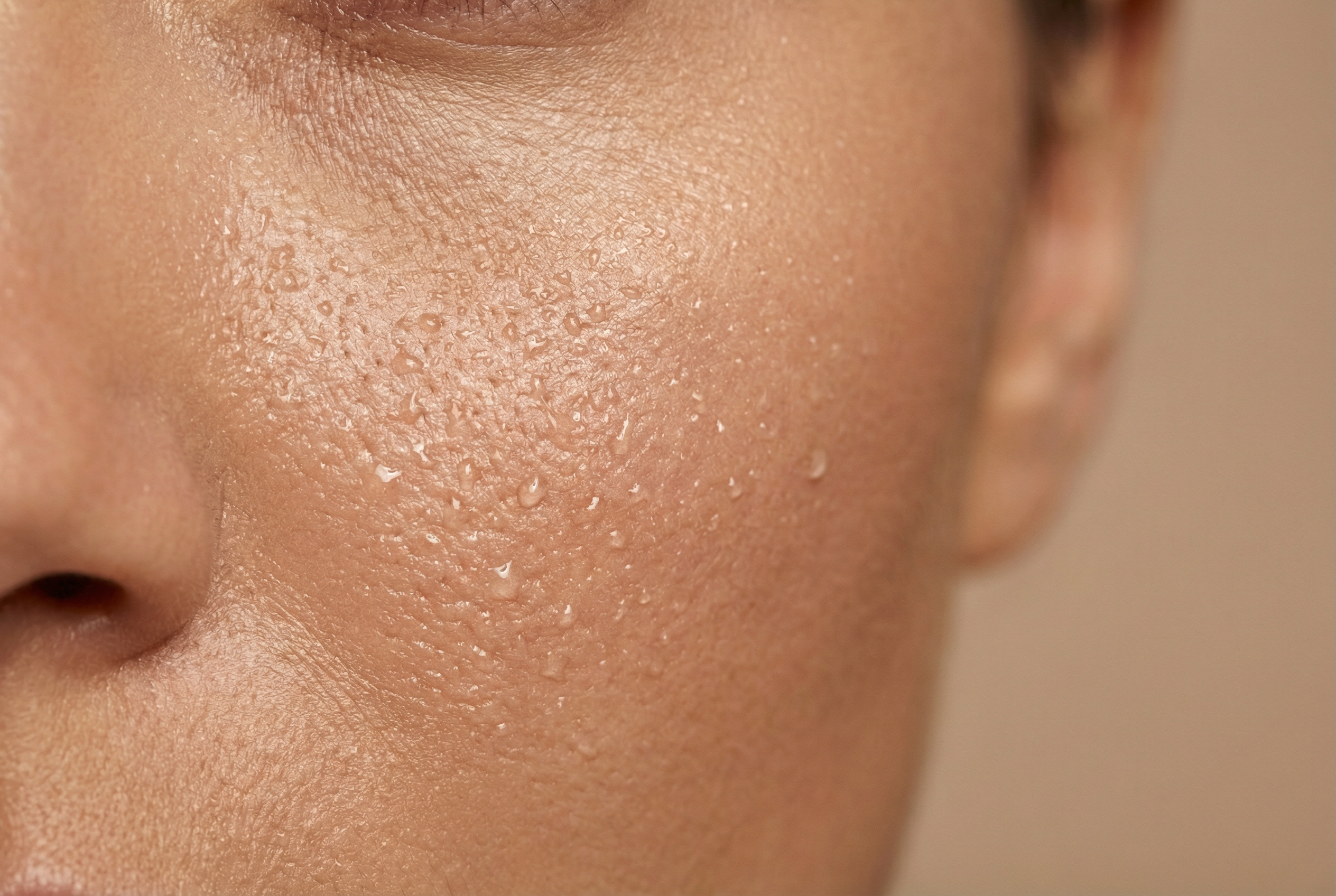
In the pursuit of a flawless complexion, we’ve long been told to wage war against bacteria. We’ve cleansed, scrubbed, and sterilised our skin in the hope of achieving a perfectly clear canvas. But what if we told you that the secret to healthy, radiant skin lies not in eradicating bacteria, but in cultivating a thriving community of them? Welcome to the revolutionary world of probiotic skincare, a new frontier in beauty that’s shifting our understanding of skin health from the ground up. It’s time to forget everything you thought you knew about bacteria and embrace the power of your skin’s unique and delicate ecosystem: the microbiome. This is not just another skincare trend; it is a paradigm shift in our approach to beauty, one that is grounded in science and that promises to unlock the secret to a truly healthy and radiant complexion. In this comprehensive guide, we will delve into the fascinating world of the skin microbiome, exploring the intricate relationship between bacteria and skin health. We will demystify the science of probiotic skincare, explaining how these powerful products work to restore balance and harmony to your skin. We will also provide you with a practical guide to choosing and using probiotic skincare, helping you to navigate the ever-growing market and to find the products that are right for you. Finally, we will look to the future, exploring the exciting innovations that are set to revolutionise the world of microbiome skincare. So, get ready to embark on a journey of discovery, and to learn how to nurture your skin from the inside out.
The Skin Microbiome: A Delicate Ecosystem
Think of your skin as a bustling metropolis, teeming with trillions of microscopic residents. This vibrant community, composed of bacteria, fungi, viruses, and mites, is collectively known as the skin microbiome. Far from being unwanted guests, these microorganisms are essential allies in maintaining the health and beauty of your skin. They form a protective shield against environmental aggressors, communicate with your immune system, and even produce vital nutrients that your skin cells need to function optimally.
Further reading: If you are considering working with a gut health specialist in London, our in-depth guide explores the functional medicine approach, advanced microbiome testing, and what to expect from a first consultation with a leading practitioner.
What is the Skin Microbiome?
The skin microbiome is a complex and dynamic ecosystem that is unique to every individual, much like a fingerprint. It is influenced by a variety of factors, including your genetics, your environment, your diet, and your lifestyle. A healthy, balanced microbiome is a diverse one, with a wide array of different microorganisms working in harmony. This diversity is the key to a resilient and radiant complexion. The microbiome is not static; it is a living, breathing entity that evolves with us. From the moment we are born, our skin is colonised by a diverse array of microorganisms, and this community continues to change and adapt throughout our lives. Factors such as puberty, pregnancy, and menopause can all have a profound impact on the composition of the skin microbiome, as can our environment, our diet, and even the people and pets we interact with. The skin is a vast and varied landscape, with different areas of the body providing unique habitats for different types of microorganisms. For example, the oily areas of the face, chest, and back are home to a high concentration of lipophilic (oil-loving) bacteria, such as Cutibacterium acnes. In contrast, the moist areas of the body, such as the armpits and the groin, are dominated by bacteria that thrive in humid environments, such as Staphylococcus and Corynebacterium species. The dry areas of the body, such as the forearms and the legs, have a lower density of microorganisms, but a higher diversity of species. This regional variation is a key feature of the skin microbiome, and it highlights the importance of a holistic approach to skincare that takes into account the unique needs of different areas of the body.
The Role of Bacteria in Skin Health
For decades, we’ve been conditioned to view all bacteria as harmful ‘germs’. However, the vast majority of bacteria that reside on our skin are either harmless or, in fact, beneficial. These ‘good’ bacteria play a crucial role in defending your skin against pathogenic invaders, regulating inflammation, and maintaining a healthy pH balance. They are the unsung heroes of your skin, working tirelessly to keep it in a state of equilibrium. For example, Staphylococcus epidermidis, a common resident of the skin, produces antimicrobial peptides that inhibit the growth of pathogenic bacteria like Staphylococcus aureus. Another key player is Cutibacterium acnes, which, despite its association with acne, plays a crucial role in maintaining the skin's acidic pH, creating an environment that is inhospitable to many pathogens. These are just two examples of the many beneficial bacteria that make up our skin's first line of defence.
When the Microbiome is Unbalanced: Dysbiosis
Problems arise when the delicate balance of the skin microbiome is disrupted, a condition known as dysbiosis. This can be caused by a number of factors, including harsh skincare products, over-exfoliation, sun damage, a poor diet, and even stress. When the ‘bad’ bacteria begin to outnumber the ‘good’, it can lead to a cascade of skin concerns, such as acne, rosacea, eczema, psoriasis, and premature ageing. The goal of probiotic skincare is to restore harmony to the microbiome, creating an environment where the beneficial bacteria can flourish once more. The consequences of dysbiosis can be far-reaching. On a superficial level, it can lead to a dull, lacklustre complexion and a rough, uneven skin texture. On a deeper level, it can compromise the skin's barrier function, leaving it vulnerable to dehydration, irritation, and infection. It can also trigger a chronic inflammatory response, which is now understood to be a key driver of many of the visible signs of ageing, including fine lines, wrinkles, and loss of elasticity. Therefore, maintaining a healthy, balanced microbiome is not just about preventing skin problems; it is about promoting long-term skin health and vitality.
Probiotics, Prebiotics, and Postbiotics: What's the Difference?
The world of 'biotics' can be a confusing one, with a host of similar-sounding terms that are often used interchangeably. However, understanding the distinction between probiotics, prebiotics, and postbiotics is essential to harnessing their full potential for your skin. Each plays a unique and complementary role in nurturing a healthy microbiome.
Probiotics: The Live Bacteria
Probiotics are the live, beneficial bacteria that can be applied to the skin to supplement its natural microbiome. These are the 'good guys' that help to restore balance and reinforce the skin's defences. While the concept of applying live bacteria to your face might sound strange, it's a practice that has been used for centuries in various forms, from traditional milk baths to fermented skincare preparations. In modern skincare, probiotics are often delivered in the form of lysates or ferments, which are non-living derivatives that still offer many of the same benefits as their live counterparts, but with improved stability.
Prebiotics: The 'Food' for Good Bacteria
If probiotics are the 'good' bacteria, then prebiotics are their food source. These are non-digestible fibres and sugars that act as a fertiliser for the beneficial microorganisms that already exist on your skin. By providing a nourishing environment, prebiotics help to stimulate the growth of the 'good' bacteria, allowing them to outcompete the 'bad' and restore a healthy balance to the microbiome. Think of prebiotics as the ultimate support system for your skin's natural ecosystem.
Postbiotics: The Beneficial Byproducts
Postbiotics are the beneficial byproducts that are produced when probiotics break down or ferment. These include a wide range of skin-loving substances, such as enzymes, organic acids, peptides, and vitamins. Postbiotics are the 'powerhouses' of the biotic world, delivering a concentrated dose of nutrients directly to the skin. They can help to soothe inflammation, strengthen the skin barrier, and even provide antioxidant protection. In many ways, postbiotics offer the best of both worlds: the benefits of probiotics, but in a more stable and readily-absorbed form. Lactic acid, a well-known alpha-hydroxy acid (AHA), is a postbiotic that is produced by the fermentation of lactose by Lactobacillus bacteria. It is a gentle exfoliant that helps to improve skin texture and tone. Other examples of postbiotics include short-chain fatty acids, such as butyrate, which have powerful anti-inflammatory properties, and various enzymes that can help to break down dead skin cells and other debris on the skin's surface.
The Science of Probiotic Skincare
While the concept of probiotic skincare may seem like a recent trend, the science behind it has been building for decades. A growing body of research has demonstrated the profound impact that a balanced microbiome can have on the health and appearance of the skin. From reducing inflammation to improving hydration, the benefits of probiotic skincare are as diverse as the microorganisms themselves.
How Probiotics Benefit the Skin
Probiotic skincare works in a number of ways to improve the health and appearance of the skin. Firstly, it helps to strengthen the skin's natural barrier function, making it more resilient to environmental aggressors such as pollution and UV radiation. Secondly, it can help to reduce inflammation, which is a key driver of many skin concerns, including acne, rosacea, and eczema. Thirdly, it can help to improve hydration by stimulating the production of ceramides, which are essential lipids that help to keep the skin plump and moisturised. Finally, it can help to restore a healthy pH balance to the skin, creating an environment where the 'good' bacteria can thrive.
Key Strains in Skincare
While there are countless different strains of bacteria that can be used in skincare, some have been more extensively studied than others. Among the most well-researched are various species of Lactobacillus and Bifidobacterium, which have been shown to have a range of benefits for the skin. Other promising strains include Vitreoscilla filiformis, which has been shown to have powerful anti-inflammatory properties, and various yeast ferments, which are rich in skin-loving nutrients.
Clinical Evidence and Studies
A growing number of clinical studies have provided compelling evidence for the efficacy of probiotic skincare. For example, a study published in the Journal of the American Academy of Dermatology found that a topical probiotic formulation was effective in reducing the number of inflammatory lesions in patients with acne. Another study, published in the International Journal of Cosmetic Science, found that a probiotic-based moisturiser was effective in improving skin barrier function and reducing the symptoms of atopic dermatitis. While more research is needed, the existing evidence is highly promising and suggests that probiotic skincare is more than just a passing fad. For instance, a 2021 study in the Journal of Clinical and Aesthetic Dermatology highlighted the potential of a specific Lactobacillus strain in reducing the appearance of wrinkles and improving skin elasticity. Another promising area of research is the use of probiotics in managing atopic dermatitis. A meta-analysis of several studies, published in the Annals of Allergy, Asthma & Immunology, concluded that certain probiotic strains, when used topically, could significantly reduce the severity of eczema in children. These studies, and many others like them, are paving the way for a new, more holistic approach to skincare, one that works with the body, not against it.
Choosing the Right Probiotic Skincare Products
With a bewildering array of probiotic skincare products now on the market, it can be difficult to know where to start. From cleansers and serums to moisturisers and masks, there’s a probiotic product for every step of your routine. The key is to choose products that are well-formulated, contain a blend of biotic ingredients, and are suitable for your specific skin type and concerns.
A Comparison of Probiotic, Prebiotic, and Postbiotic Products
| Feature | Probiotic Skincare | Prebiotic Skincare | Postbiotic Skincare |
|---|---|---|---|
| Primary Function | Introduces live beneficial bacteria to the skin’s surface. | Feeds the existing good bacteria on the skin. | Delivers the beneficial byproducts of bacteria directly to the skin. |
| Key Ingredients | Live bacterial cultures (e.g., Lactobacillus, Bifidobacterium). | Non-digestible fibres and sugars (e.g., inulin, fructo-oligosaccharides). | Ferments, enzymes, and organic acids (e.g., lactic acid). |
| Best For | Rebalancing a compromised skin microbiome. | Maintaining a healthy, balanced skin microbiome. | Soothing inflammation and strengthening the skin barrier. |
| Product Examples | Live culture serums, fermented mists. | Inulin-based cleansers, prebiotic moisturisers. | Ferment-based essences, lactic acid treatments. |
Reading the Label: What to Look For
When choosing a probiotic skincare product, it’s important to read the label carefully. Look for products that contain a blend of probiotic, prebiotic, and postbiotic ingredients for a comprehensive approach to microbiome support. Pay attention to the specific strains of bacteria that are used, and look for evidence of their efficacy. It’s also important to choose products that are packaged in airtight, opaque containers to protect the fragile biotic ingredients from light and air.
Products for Different Skin Types
While probiotic skincare is suitable for all skin types, some products are better suited to certain concerns than others. For example, if you have acne-prone skin, you might want to look for a product that contains strains of bacteria that have been shown to have anti-inflammatory properties, such as Lactobacillus and Bifidobacterium. If you have dry or sensitive skin, you might want to choose a product that is rich in postbiotics, such as ceramides and hyaluronic acid, to help strengthen the skin barrier and improve hydration. For oily and combination skin, look for lightweight, non-comedogenic formulas that help to balance sebum production without stripping the skin. A gel-based moisturiser with prebiotics could be an excellent choice. For mature skin, a serum or cream containing a combination of probiotics and peptides can help to improve firmness and elasticity, while also addressing the dryness that often accompanies ageing skin.
!A variety of probiotic skincare products on a clean, minimalist background
Integrating Probiotic Skincare into Your Routine
Integrating probiotic skincare into your routine is a simple and effective way to support the health of your skin microbiome. However, it’s important to introduce new products slowly and to be mindful of how you are using them in conjunction with other active ingredients.
How to Introduce Probiotic Products
As with any new skincare product, it’s best to introduce probiotic skincare into your routine gradually. Start by using a new product once or twice a week, and then slowly increase the frequency as your skin adjusts. This will help to minimise the risk of irritation and will give your skin time to adapt to the new ingredients.
Layering with Other Active Ingredients
Probiotic skincare can be used in conjunction with most other active ingredients, including retinol, vitamin C, and exfoliating acids. However, it’s important to be mindful of the order in which you are applying your products. As a general rule, you should apply your probiotic products after cleansing and toning, and before your heavier creams and oils. This will help to ensure that the biotic ingredients are able to penetrate the skin effectively. If you are using multiple serums, apply them in order of thinnest to thickest consistency. For example, you might apply a lightweight probiotic serum first, followed by a thicker hyaluronic acid serum. If you are using a prescription-strength retinoid, it is generally best to apply it before your moisturiser, and to allow it to fully absorb before applying any other products. However, if you have sensitive skin, you may find it helpful to apply a layer of moisturiser before your retinoid to act as a buffer. This is a technique known as 'sandwiching'. When in doubt, it is always best to consult with a dermatologist or other skincare professional to determine the best way to incorporate new products into your routine.
Common Mistakes to Avoid
One of the most common mistakes that people make when using probiotic skincare is over-exfoliating. While exfoliation is an important part of any skincare routine, it’s important not to overdo it, as this can strip the skin of its natural oils and disrupt the delicate balance of the microbiome. It’s also important to avoid using harsh, stripping cleansers, as these can have a similar effect. Finally, be patient. It can take several weeks to see the full benefits of probiotic skincare, so it’s important to be consistent with your routine and to give your skin time to adjust. Another common mistake is not storing your products correctly. Probiotic skincare products, particularly those that contain live cultures, can be sensitive to heat and light. To ensure that your products remain effective, it is best to store them in a cool, dark place, away from direct sunlight. Some products may even benefit from being stored in the refrigerator, but always check the label for specific storage instructions. Lastly, don't forget to listen to your skin. While probiotic skincare is generally very well-tolerated, everyone's skin is different. If you experience any persistent redness, irritation, or breakouts after introducing a new product, it may not be the right fit for you. Don't be afraid to experiment with different products and formulations until you find what works best for your unique skin.
The Gut-Skin Axis: Beauty from Within
While topical probiotic skincare can be incredibly effective, it’s only one piece of the puzzle. The health of your skin is also intrinsically linked to the health of your gut, a connection known as the gut-skin axis. Just as your skin has its own unique microbiome, so too does your gut, and the two are in constant communication. Discover the powerful connection between your gut and your skin.
The Connection Between Gut Health and Skin
The gut-skin axis is a complex and bidirectional pathway that allows the gut and the skin to communicate with each other. When the gut microbiome is out of balance, it can lead to a state of systemic inflammation, which can manifest in the skin as acne, rosacea, and eczema. Conversely, a healthy gut microbiome can help to reduce inflammation, strengthen the skin barrier, and improve overall skin health.
Supporting Your Microbiome Through Diet
One of the most effective ways to support the health of your gut microbiome is through your diet. Eating a diet that is rich in fibre, prebiotics, and probiotics can help to nourish the ‘good’ bacteria in your gut and promote a healthy balance. Foods that are particularly beneficial for the gut microbiome include fermented foods such as yoghurt, kefir, kimchi, and sauerkraut, as well as prebiotic-rich foods such as garlic, onions, and bananas.
Nutricosmetics and the Skin
In addition to a healthy diet, you can also support your gut-skin axis through the use of nutricosmetics. These are supplements that are designed to be ingested to provide beauty benefits from within. Probiotic supplements are a popular choice for supporting the gut-skin axis, as they can help to replenish the ‘good’ bacteria in your gut and reduce systemic inflammation. When choosing a probiotic supplement, look for one that contains a variety of different strains, and that has been clinically tested for its efficacy. It’s also important to choose a supplement that is shelf-stable and that has a high CFU count (colony-forming units), which is a measure of the number of live bacteria in each dose. In addition to probiotics, other nutricosmetics that can support the gut-skin axis include prebiotics, which help to feed the good bacteria in your gut, and postbiotics, which provide a direct source of beneficial compounds. Explore the world of beauty from within and nutricosmetics.
!A diagram illustrating the gut-skin axis and its impact on skin health
The Future of Microbiome Skincare
The world of microbiome skincare is still in its infancy, but the future looks incredibly exciting. As our understanding of the skin microbiome continues to grow, we can expect to see a new generation of highly targeted and personalised skincare products that are designed to work in harmony with our skin’s unique ecosystem.
Personalised Probiotic Treatments
One of the most exciting areas of research is the development of personalised probiotic treatments. In the future, it may be possible to have your skin microbiome analysed and to receive a customised skincare routine that is tailored to your specific needs. This could involve the use of specific strains of bacteria to target particular skin concerns, or the use of prebiotic ingredients to encourage the growth of your own beneficial bacteria.
Innovations in Formulation
We can also expect to see continued innovation in the formulation of probiotic skincare products. As our understanding of the stability and delivery of biotic ingredients improves, we can expect to see even more effective and sophisticated products hitting the market. This could include new encapsulation technologies that help to protect the fragile probiotic ingredients, as well as new prebiotic ingredients that are even more effective at nourishing the skin’s microbiome. We are also likely to see the development of 'synbiotic' products, which combine probiotics and prebiotics in a single, synergistic formula. Furthermore, the role of bacteriophages – viruses that infect and kill specific bacteria – is being explored as a potential tool for targeting pathogenic bacteria on the skin, while leaving the beneficial ones unharmed. The future of skincare is not just about treating problems as they arise; it's about proactively cultivating a healthy, resilient, and balanced skin ecosystem.
The Rise of ‘Microbiome-Friendly’ Products
Finally, we can expect to see a rise in the number of ‘microbiome-friendly’ products on the market. These are products that are formulated to be gentle on the skin and to support the health of the microbiome. This could include everything from gentle, pH-balanced cleansers to moisturisers that are free from harsh preservatives and other potentially disruptive ingredients. Learn more about the skin's delicate ecosystem.
!A scientist in a lab coat examining a petri dish, representing the future of skincare research
Frequently Asked Questions
What are the signs of an unbalanced skin microbiome?
An unbalanced skin microbiome, or dysbiosis, can manifest in a number of ways. Common signs include increased sensitivity, redness, dryness, and a predisposition to inflammatory skin conditions such as acne, rosacea, and eczema. You may also notice that your skin is more reactive to products that it previously tolerated well.
Can I use probiotic skincare with retinol?
Yes, you can use probiotic skincare with retinol. In fact, the two can be a powerful combination. Retinol can sometimes be irritating to the skin, particularly when you first start using it. Probiotic skincare can help to soothe and calm the skin, reducing the risk of irritation and supporting the skin’s natural barrier function.
How long does it take to see results from probiotic skincare?
As with any new skincare routine, it can take time to see results from probiotic skincare. While you may notice some initial improvements in hydration and calmness within a few days, it can take several weeks of consistent use to see the full benefits. The key is to be patient and to stick with your routine.
Are there any side effects to using probiotic skincare?
Probiotic skincare is generally very well-tolerated, and side effects are rare. However, as with any new product, there is always a small risk of irritation or an allergic reaction. If you have very sensitive skin, it’s always a good idea to patch-test a new product before applying it to your entire face.
Can I make my own probiotic skincare at home?
While it is technically possible to make your own probiotic skincare at home, it is not recommended. Formulating skincare products is a complex science, and it is very difficult to create a safe and effective product without the proper knowledge and equipment. It is much safer and more effective to purchase a well-formulated product from a reputable brand.
Is probiotic skincare suitable for sensitive skin?
Yes, probiotic skincare is generally very suitable for sensitive skin. In fact, it can be incredibly beneficial for those with sensitive or reactive skin, as it can help to soothe inflammation, reduce redness, and strengthen the skin’s natural barrier function. Look for products that are specifically formulated for sensitive skin and that are free from common irritants such as fragrance and alcohol.
What is the difference between the skin microbiome and the gut microbiome?
While both the skin and the gut have their own unique microbiomes, they are composed of different types of microorganisms and have different functions. The gut microbiome is primarily involved in digestion and nutrient absorption, while the skin microbiome is primarily involved in protecting the skin from external aggressors. However, the two are in constant communication via the gut-skin axis, and the health of one can have a significant impact on the health of the other.
Are all probiotic skincare products created equal?
No, not all probiotic skincare products are created equal. The efficacy of a probiotic product depends on a number of factors, including the specific strains of bacteria that are used, the concentration of those strains, the formulation of the product, and the delivery system. It is important to choose products from reputable brands that invest in research and development, and that are transparent about the ingredients they use. Look for products that have been clinically tested and that have been shown to be effective in independent studies.
Can I use probiotic skincare if I have a yeast-related skin condition?
If you have a yeast-related skin condition, such as seborrheic dermatitis or malassezia folliculitis, it is important to be cautious when using probiotic skincare. While some strains of bacteria may be beneficial, others may exacerbate the problem. It is always best to consult with a dermatologist or other healthcare professional before introducing any new products into your routine if you have a pre-existing skin condition.
What is the difference between topical and oral probiotics for skin health?
Topical and oral probiotics work in different ways to support skin health. Topical probiotics are applied directly to the skin and work by reinforcing the skin's natural barrier function and restoring balance to the skin microbiome. Oral probiotics, on the other hand, are ingested and work by supporting the health of the gut microbiome. As we have discussed, the gut and the skin are in constant communication via the gut-skin axis, so a healthy gut can lead to a healthy complexion. For optimal results, it is often beneficial to use a combination of both topical and oral probiotics.
!A close-up of healthy, glowing skin, representing the benefits of a balanced microbiome