In the pursuit of luscious, healthy hair, we often focus on the strands themselves—shampoos, conditioners, and styling products. But what if the secret to a truly flourishing mane lies not in the hair, but on the skin beneath it? The scalp, a complex and often-neglected area, is home to a bustling ecosystem of microscopic organisms known as the scalp microbiome. This intricate community of bacteria, fungi, and other microbes plays a pivotal role in the health of our scalp and, consequently, our hair. Understanding and nurturing this delicate balance is the foundation of modern hair care, moving beyond superficial treatments to address the root cause of many common hair and scalp concerns.
Just like the gut, the scalp has its own unique microbiome. This invisible world works in harmony to protect against environmental aggressors, regulate pH levels, and maintain a healthy environment for hair follicles to thrive. When this ecosystem is in a state of equilibrium, or ‘symbiosis’, the scalp is calm, clear, and well-hydrated, providing the perfect foundation for strong, vibrant hair. However, when this balance is disrupted—a state known as ‘dysbiosis’—a cascade of problems can arise, from familiar woes like dandruff and itchiness to more persistent conditions that can impact hair growth. This guide will explore the fascinating science of the scalp microbiome, delve into the causes and consequences of an imbalanced scalp, and provide a comprehensive, science-backed approach to cultivating a healthy scalp ecosystem for your best hair yet.
The Science of the Scalp Microbiome: A Delicate Ecosystem
To appreciate the significance of the scalp microbiome, one must first understand its composition and the unique environment it inhabits. The scalp is not merely an extension of the skin on our forehead; it is a distinct micro-environment, distinguished by a higher density of hair follicles, more abundant sebaceous (oil) and sweat glands, and a specific pH level. These characteristics create a warm, nutrient-rich, and humid setting that is a welcoming home for a diverse community of microorganisms. These microbes are not just passive residents; they are active participants, essential for maintaining scalp health.
The Key Inhabitants of Your Scalp
Our scalp is teeming with life, a complex community of bacteria and fungi that, in a healthy state, coexist peacefully and perform vital functions. The microbial landscape is dominated by a few key players:
- Cutibacterium acnes (formerly Propionibacterium acnes): This is one of the most abundant bacteria on the scalp. It thrives in the lipid-rich environment of the hair follicle and plays a crucial role in maintaining the scalp's natural acidity. By breaking down sebum into fatty acids, C. acnes helps to sustain the scalp’s acid mantle, a fine, protective film on the surface of the skin that acts as a barrier against the proliferation of pathogens.
- Staphylococcus epidermidis: Another dominant bacterial resident, S. epidermidis is a key guardian of scalp health. It produces antimicrobial peptides that selectively inhibit the growth of harmful bacteria, including pathogenic strains of Staphylococcus aureus. It acts as a natural peacekeeper, helping to maintain order within the microbial community.
- Malassezia species: These are the most common fungi found on the scalp, with Malassezia restricta and Malassezia globosa being the most prevalent. These yeasts are lipophilic, meaning they feed on the saturated fatty acids present in sebum. In a balanced ecosystem, their presence is normal and harmless. They are an integral part of the scalp’s natural flora, contributing to the overall chemical environment.
!A close-up view of a healthy scalp with clean hair follicles, representing a balanced microbiome
Symbiosis vs. Dysbiosis: The Fight for Balance
The health of our scalp is a direct reflection of the state of its microbiome. The ideal state is symbiosis, where the diverse community of microorganisms exists in a cooperative and stable equilibrium. In this state, the microbes work together to protect the scalp, regulate its functions, and support the hair follicles. The scalp remains a self-regulating and effective defensive barrier.
Problems arise when this delicate balance is thrown off, leading to a state known as dysbiosis. This is not an infection in the traditional sense, but rather a significant shift in the composition and diversity of the microbial community. In a state of dysbiosis, certain microbes can proliferate and become dominant, while the populations of beneficial microbes may decline. This imbalance can be triggered by a variety of internal and external factors, including:
- Harsh Hair Care Products: Aggressive shampoos, excessive use of dry shampoo, and products with high levels of alcohol or alkaline pH can strip the scalp’s protective barrier and disrupt microbial balance.
- Environmental Stressors: Pollution, UV radiation, and hard water can all negatively impact the health of the scalp and its microbiome.
- Lifestyle Factors: Diet, stress, hormonal fluctuations, and certain medications can influence the scalp environment from the inside out.
This microbial imbalance compromises the scalp’s barrier function and can initiate an inflammatory cascade, leading to the common scalp conditions that many people experience.
When Balance is Lost: Understanding Scalp Dysbiosis
A healthy scalp is a happy scalp, but when the intricate balance of the microbiome is thrown into disarray, a host of issues can emerge. This state of imbalance, or dysbiosis, is the underlying cause of many common and frustrating scalp conditions. It represents a shift from a cooperative microbial community to a dysfunctional one, where certain organisms dominate at the expense of others, triggering inflammation and compromising the scalp’s protective barrier. Recognising the signs of dysbiosis is the first step towards restoring harmony to your scalp’s delicate ecosystem.
Telltale Signs of an Unbalanced Scalp
How can you tell if your scalp microbiome is out of sync? The symptoms can range from the merely annoying to the genuinely distressing, and they often overlap. Paying attention to these signals is crucial for early intervention. Common indicators include:
- Persistent Itching (Pruritus): An itchy scalp is one of the most immediate and common signs that something is amiss. This is often a direct result of inflammation triggered by microbial by-products and the body's immune response.
- Dandruff and Flaking: The appearance of white or yellowish flakes on your hair and clothing is a classic symptom of dysbiosis. This is not simply dry skin; it is the result of an accelerated rate of skin cell turnover, a process heavily influenced by the overgrowth of Malassezia yeast.
- Excessive Oiliness or Dryness: A properly functioning microbiome helps to regulate sebum production. In a state of dysbiosis, this regulation is lost. The scalp might respond by producing an excess of oil, creating a greasy, heavy feeling, or it may become stripped and dehydrated, leading to a tight, uncomfortable sensation of dryness.
- Redness and Inflammation: A visually irritated scalp, appearing pink or red and feeling sensitive to the touch, points directly to an inflammatory response. This is the body's defence mechanism kicking in against the microbial imbalance.
- Unpleasant Odour: A sour, musty, or generally “off” smell from the scalp can indicate an overgrowth of certain bacteria or yeasts, which produce volatile compounds as part of their metabolic processes.
- Scalp Pimples and Pustules: Small, tender bumps on the scalp can be a sign of folliculitis, where the hair follicle itself becomes inflamed due to bacterial overgrowth.
Common Conditions Clinically Linked to Scalp Dysbiosis
While the symptoms above are indicators, several specific dermatological conditions are clinically linked to a disrupted microbiome. Understanding these can help in seeking the right solutions and moving beyond temporary fixes.
Dandruff and Seborrhoeic Dermatitis
Dandruff is the most common manifestation of scalp dysbiosis, affecting up to 50% of the adult population. It is primarily associated with the proliferation of Malassezia yeasts. While these fungi are a normal part of the scalp flora, they feed on sebum. In individuals susceptible to dandruff, the immune system overreacts to the by-products of this process, leading to inflammation and a rapid increase in skin cell turnover. The result is the visible flaking and itching characteristic of dandruff. Seborrhoeic dermatitis is essentially a more severe and inflammatory form of this condition. It presents with thicker, greasier, yellowish scales, and more significant redness and inflammation. It often extends beyond the scalp to other oily areas of the body, such as the face, chest, and back.
!A woman applying a soothing serum to her scalp, illustrating a targeted treatment for scalp issues
Scalp Folliculitis and Acne
Scalp folliculitis is the inflammation of hair follicles, which can appear as small, itchy pustules or pimples scattered across the scalp. This condition is often linked to an overgrowth of bacteria, most commonly Cutibacterium acnes or Staphylococcus aureus. When the follicular environment is compromised due to dysbiosis—perhaps from excess sebum and dead skin cell build-up—these bacteria can become trapped and trigger a localised inflammatory response. This results in uncomfortable and sometimes painful breakouts that can make hair care a misery. For those seeking to improve their overall hair wellness, understanding the connection between a healthy scalp and robust hair growth is essential.
The Unseen Connection: How the Scalp Microbiome Influences Hair Growth
The desire for thick, strong, and healthy hair is universal, yet the role of the scalp in achieving this goal is frequently underestimated. The scalp is the garden from which the hair grows, and the health of that garden is dictated by its microbiome. A balanced microbial ecosystem is not just about preventing problems like dandruff; it is fundamental to fostering an optimal environment for the entire hair growth cycle, from the germination of the hair fibre deep within the follicle to its emergence and continued vitality.
A Healthy Foundation for Flourishing Follicles
Hair follicles are the tiny, dynamic organs embedded in the scalp from which hair strands emerge. The health and productivity of these follicles are directly influenced by their surrounding environment. A balanced scalp microbiome helps to maintain a slightly acidic pH (around 4.5-5.5), which is crucial for the integrity of the skin barrier. This barrier, often called the acid mantle, acts as the first line of defence against pathogens, pollution, and physical damage, thereby protecting the delicate follicular structures from inflammation and oxidative stress. When the microbiome is in harmony, it supports the efficient delivery of oxygen and vital nutrients to the follicle, ensuring it has all the resources needed to produce a strong, healthy hair fibre during its anagen (growth) phase.
How Dysbiosis Sabotages Hair Health and Growth
When the scalp microbiome is disrupted, the consequences extend far beyond surface-level irritation. Scalp dysbiosis can create a hostile, pro-inflammatory environment that directly impedes the hair growth cycle and compromises the structural integrity of the hair itself.
- Chronic Inflammation and Follicular Miniaturisation: An overgrowth of certain microbes can trigger a chronic inflammatory response in the scalp. This persistent, low-grade inflammation, sometimes referred to as 'inflammaging', can damage the hair follicles. It can shorten the anagen (growth) phase of the hair cycle and push follicles prematurely into the telogen (shedding) phase. Over time, this chronic inflammation can lead to follicular miniaturisation, where the follicle shrinks and begins to produce finer, weaker hairs, a process implicated in some forms of hair thinning and loss.
- Follicular Occlusion (Clogged Pores): Dysbiosis is often associated with an overproduction of sebum (hyperseborrhea) and an accelerated shedding of skin cells (hyperkeratinisation). This sticky combination of excess oil and dead cells can create plugs that block the opening of the hair follicles. An occluded follicle cannot function properly. It can become inflamed, and the emerging hair fibre may be weaker or finer. In severe cases, the blockage can prevent the hair from emerging at all.
- Nutrient Deprivation and Oxidative Stress: A state of chronic inflammation diverts the body's valuable resources, including antioxidants and nutrients, towards fighting the perceived microbial threat. This can mean fewer resources are available for metabolically active cells like those in the hair follicle, which are responsible for building the hair fibre. Furthermore, the inflammatory process itself generates oxidative stress, a barrage of free radicals that can damage cellular structures, including the DNA of follicular cells, further impairing their ability to produce healthy hair. Understanding the profound link between the scalp and the rest of the body's microbial ecosystems is key; many of the principles that apply to the skin microbiome are relevant to scalp health as well.
!A microscopic image of bacteria, symbolizing the unseen world of the scalp microbiome
Cultivating Harmony: Your Comprehensive Guide to a Balanced Scalp Microbiome
Restoring and maintaining a healthy scalp microbiome does not require a complete overhaul of your routine or a cabinet full of harsh, medicated products. Instead, it involves a mindful, consistent, and holistic approach to scalp care. The focus is on gentle, supportive practices that work with your body’s natural ecosystem, not against it. The goal is to create and sustain an environment where beneficial microbes can flourish, naturally keeping problematic ones in check and fostering a resilient, self-sufficient scalp.
Rethink Your Cleansing Routine: The Foundation of Scalp Health
The foundation of any healthy scalp care regimen is proper cleansing. However, the conventional wisdom of aiming for a 'squeaky clean' feeling can be deeply detrimental to the delicate microbial balance and the scalp's protective barrier.
- Avoid Harsh Surfactants (Detergents): Many traditional shampoos use strong detergents like sodium lauryl sulphate (SLS) and sodium laureth sulphate (SLES). While highly effective at removing dirt and oil, they are indiscriminate. They strip the scalp of its natural protective oils (sebum) and can decimate the populations of beneficial microbes, leaving the scalp vulnerable and irritated. This can trigger a vicious cycle of rebound oil production or chronic dryness. Opt for shampoos with milder, sulphate-free surfactants derived from sources like coconuts or corn, such as cocamidopropyl betaine or decyl glucoside.
- Mind the pH Level: A healthy scalp is naturally acidic, with a pH typically between 4.5 and 5.5. This acidity is a critical defence mechanism, as it creates an inhospitable environment for many pathogenic bacteria and fungi. Many soaps and shampoos are alkaline, which can disrupt this acid mantle. Look for products specifically labelled as 'pH-balanced' or 'pH-optimised' to help maintain this natural acidity and support a healthy microbial environment.
- Wash As Needed, Not on a Schedule: There is no universal rule for hair washing frequency. The 'right' frequency is entirely individual and depends on your hair type, sebum production, activity level, and environment. Over-washing can strip the scalp, while under-washing can lead to an excessive build-up of oil, dead skin cells, sweat, and styling products. This build-up, known as 'scalp plaque', is a feast for the wrong kind of microbes and can lead to inflammation and clogged follicles. Pay close attention to your scalp’s needs—if it’s oily, itchy, flaky, or your hair feels weighed down at the roots, it’s time to wash.
Embrace Microbiome-Friendly Ingredients and Treatments
The beauty industry is increasingly recognising the importance of the microbiome, and a new generation of ingredients and product formats is designed to support, rather than suppress, this vital ecosystem.
- Prebiotics: The Fertiliser for Good Bacteria: This is arguably the most important category of microbiome-supporting ingredients. Prebiotics are essentially 'food' for the good bacteria on your scalp. Ingredients like inulin (from chicory root), fructooligosaccharides, and various plant-derived sugars like xylitol and rhamnose selectively nourish beneficial microbes. This helps them to thrive and multiply, allowing them to outcompete and crowd out the less desirable organisms.
- Probiotics and Postbiotics: The Reinforcements: While the use of live probiotics (live beneficial bacteria) in scalp care is still an emerging and technically challenging field, postbiotics are becoming much more common and have robust science behind them. Postbiotics are the beneficial by-products and metabolic compounds produced by probiotics, such as ferment lysates (e.g., Lactobacillus ferment lysate), enzymes, and organic acids. These ingredients have been shown to help fortify the scalp’s barrier function, reduce inflammation, and improve overall scalp health without introducing live organisms.
- Scalp-Specific Exfoliation: Just like the skin on your face, the scalp benefits from regular exfoliation to remove the build-up of dead skin cells, excess sebum, and product residue. However, harsh physical scrubs with large, abrasive particles can cause micro-tears and irritation. Instead, opt for gentle chemical exfoliants. Products containing salicylic acid (a beta-hydroxy acid or BHA) are particularly effective, as it is oil-soluble and can penetrate into the follicle to dissolve blockages. Alpha-hydroxy acids (AHAs) like glycolic and lactic acid work on the surface to dissolve the 'glue' that holds dead skin cells together.
- Natural Oils in Moderation: The role of oils in scalp care is a nuanced and often misunderstood topic. While some oils have beneficial properties, it is crucial to choose wisely. For instance, coconut oil contains lauric acid, which has some antimicrobial effects, but it can also be a food source for Malassezia. For a detailed exploration of which oils may be suitable for your scalp type and concerns, consulting a comprehensive guide to hair oils can provide valuable, personalised insights.
Lifestyle and Diet: The Crucial Gut-Scalp Connection
The health of your scalp is not determined by topical products alone. A powerful and growing body of research highlights the 'gut-skin axis', a bidirectional communication pathway that proves the health of your gut microbiome can directly influence the health of your skin and scalp. An imbalanced gut can lead to systemic inflammation that manifests on the skin.
- Eat a Diverse, Fibre-Rich Diet: A diet rich in diverse plant fibres, colourful vegetables, and fruits provides the necessary prebiotics to feed a healthy gut microbiome. Fermented foods like yoghurt, kefir, kimchi, and sauerkraut can also introduce beneficial probiotics.
- Manage Stress: Chronic stress is a well-known enemy of a healthy microbiome. The stress hormone cortisol can increase sebum production, compromise the skin's barrier function, and promote inflammation throughout the body, creating the perfect storm for scalp dysbiosis. Incorporating stress-management techniques such as mindfulness, meditation, yoga, or simply spending time in nature can have a tangible, positive impact on your scalp health.
Microbiome-Friendly vs. Traditional Scalp Care: A Paradigm Shift
Understanding the difference in philosophy and approach between modern, microbiome-focused scalp care and more traditional methods can help you make more informed choices for your long-term hair health. The shift is from aggressively treating symptoms to holistically fostering a healthy, resilient environment.
| Feature | Traditional Scalp Care | Microbiome-Friendly Scalp Care |
|---|---|---|
| Primary Goal | Eliminate oil and build-up; suppress symptoms like dandruff. | Balance the scalp's ecosystem; address the root cause of issues. |
| Cleansing Agents | Often uses harsh sulphates (SLS/SLES) for a 'squeaky clean' feel. | Employs gentle, sulphate-free surfactants that cleanse without stripping. |
| Approach to Microbes | Aims to kill bacteria and fungi, often indiscriminately ('scorched earth'). | Seeks to balance the microbial community, promoting beneficial species. |
| Key Ingredients | Strong anti-fungal agents (e.g., ketoconazole), stripping alcohols, high-fragrance. | Prebiotics, postbiotics, ferments, pH-balanced formulas, gentle exfoliants. |
| Effect on Scalp | Can strip the natural barrier, leading to dryness, irritation, or rebound oiliness. | Supports and strengthens the scalp’s natural barrier and self-regulating functions. |
| Long-Term Outcome | May create a cycle of dependency on medicated products; symptoms often return. | Promotes a resilient, self-sufficient scalp environment for sustained health. |
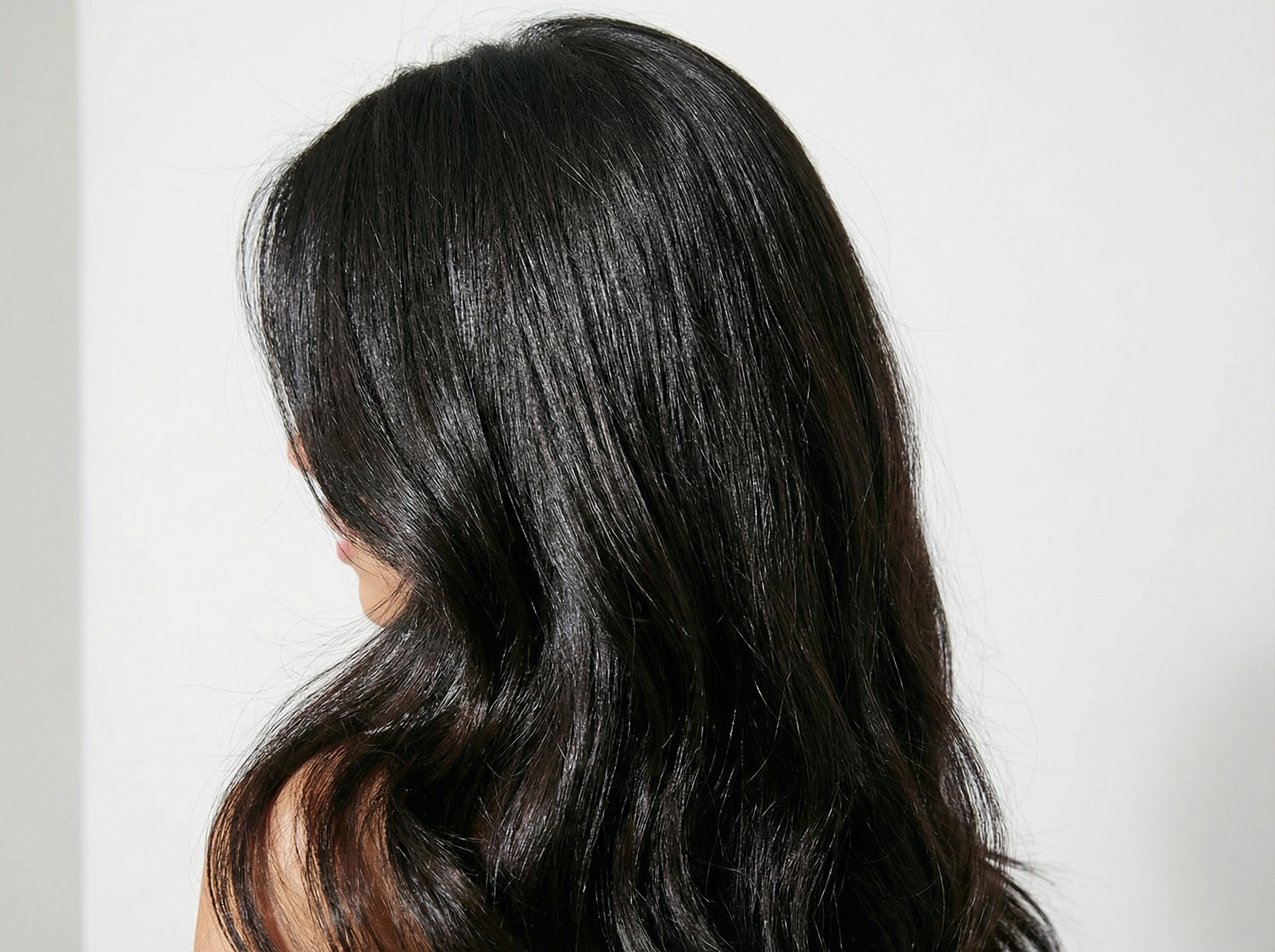
!A woman with beautiful, healthy hair, showcasing the results of a good scalp care routine
Frequently Asked Questions
What is the fastest way to rebalance the scalp microbiome?
There is no single 'fastest' way, as consistency is far more important than speed. A sustainable, long-term approach will always yield better results than a quick fix. However, to kick-start the process, the most impactful first step is to immediately cease using any harsh, stripping products. Switch to a gentle, sulphate-free, and pH-balanced shampoo. Simultaneously, incorporating a targeted scalp serum containing prebiotics can help to accelerate the rebalancing process by providing direct nourishment for beneficial microbes. It is also crucial to ensure you are cleansing thoroughly but gently, taking the time to massage the scalp to dislodge build-up.
Can I use oral probiotics meant for the gut on my scalp?
It is not recommended to break open probiotic capsules and apply them directly to your scalp. The strains of bacteria that are beneficial for your gut are not necessarily the same as those that support a healthy scalp environment. Furthermore, these products are not formulated for topical stability or absorption. You will achieve far better results by using professionally formulated skincare and scalp care products that contain specific probiotic extracts, ferments, or lysates (postbiotics), as these have been tested for topical efficacy and safety.
How often should I wash my hair to maintain a healthy scalp microbiome?
This is a highly individual question, and the answer depends on your unique scalp type, hair texture, lifestyle, and environment. The goal is to find a balance between removing excess oil and build-up without stripping the scalp. A general guideline is to wash your hair when it feels oily, itchy, or looks flat at the roots. For someone with a very oily scalp who exercises daily, this might be every day or every other day. For someone with a drier scalp and coily hair, it could be once or twice a week. The key is to listen to your scalp, not to follow a rigid schedule.
Are essential oils like tea tree oil good for the scalp microbiome?
This is a complex issue that requires caution. Some essential oils, like tea tree oil, possess potent broad-spectrum antimicrobial properties. While this can be effective in reducing the population of microbes contributing to dandruff in the short term, this action is indiscriminate. It can kill off beneficial bacteria just as easily as problematic yeasts, potentially worsening dysbiosis in the long run. If you choose to use them, they must be heavily diluted in a carrier oil and should be considered a temporary, targeted treatment rather than a primary method for maintaining long-term scalp health.
Does permanent hair dye or chemical processing affect the scalp microbiome?
Yes, significantly. Permanent hair colouring and chemical straightening processes are inherently harsh and can have a profound impact on the scalp microbiome. The high-alkaline pH required to open the hair cuticle can severely disrupt the scalp’s natural acid mantle. The chemicals involved, such as ammonia and peroxide, can cause inflammation and oxidative stress, creating an environment ripe for dysbiosis. To minimise damage, it is vital to follow up any chemical service with gentle, restorative scalp care. Avoid applying chemicals to an already irritated scalp and consider using a barrier cream to protect the skin during application.
Can stress truly impact my scalp microbiome?
Absolutely. The connection between stress and skin health is well-documented. When you experience chronic stress, your body produces elevated levels of the hormone cortisol. Cortisol can increase sebum production, compromise the skin's barrier function, and trigger pro-inflammatory signals throughout the body. On the scalp, this creates a perfect storm of conditions that favour dysbiosis, potentially leading to flare-ups of dandruff, itching, and oiliness. Managing stress through practices like mindfulness, regular exercise, adequate sleep, and a balanced diet is a crucial, though often overlooked, aspect of maintaining a healthy scalp.
Is there a difference between a 'dry scalp' and dandruff?
Yes, and it's an important distinction. A truly dry scalp lacks oil (sebum) and feels tight and itchy, often producing small, white, powdery flakes. It's a condition of dehydration. Dandruff, on the other hand, is a condition of microbiome imbalance, specifically related to an overgrowth of Malassezia yeast. Dandruff flakes are typically larger, can be yellowish, and are often oily or waxy, as they are composed of clumped-together skin cells and sebum. While a dry scalp needs moisture and oil, treating dandruff requires rebalancing the microbiome.
A New Paradigm for Hair Health: The Root of the Matter
Moving beyond the superficial allure of shiny strands, the science of the scalp microbiome offers a more profound, intelligent, and effective approach to hair care. By viewing the scalp not as an inert surface but as a living, breathing ecosystem, we can shift our focus from constantly fighting symptoms to holistically cultivating a foundation of true, sustainable health. Nurturing your scalp’s delicate microbial balance is not about adding more complicated steps to your routine, but about making smarter, gentler, and more intentional choices. It is about respecting the invisible world that works tirelessly on your behalf.
By embracing this new paradigm, you provide your hair with the optimal environment to not just grow, but to genuinely thrive. A calm, clear, and balanced scalp is the ultimate secret to unlocking your hair’s full potential, leading to strands that are not only beautiful on the surface but are a reflection of genuine health from the very root. This is the future of hair care: less aggression, more biology.