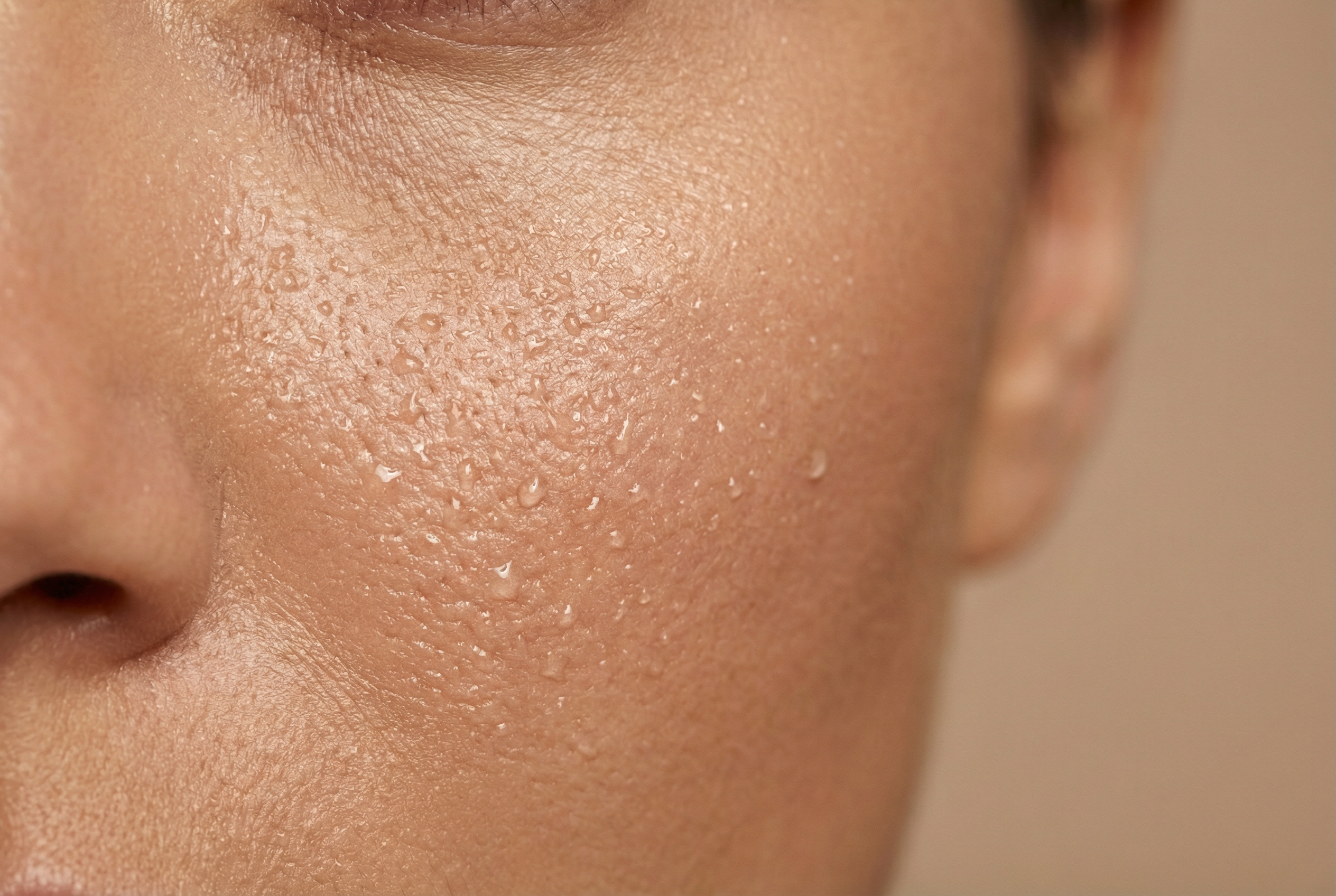
For centuries, the quest for eternal youth has been a cornerstone of human desire, a narrative woven into our myths, art, and culture. Today, that quest has evolved. We no longer seek a mythical fountain, but rather a scientifically-backed understanding of how to age not just longer, but better. This is the essence of skin longevity—a new paradigm in dermatology and aesthetic science that moves beyond simply chasing wrinkles to fostering genuine cellular health and resilience. It’s about understanding the intricate biology of our skin and using that knowledge to create a proactive, intelligent strategy for ageing gracefully and maintaining vibrant, healthy skin at every stage of life.
This comprehensive guide will delve into the science of skin longevity, exploring the fundamental cellular processes that drive skin ageing. We will differentiate between the factors we can and cannot control, and outline a multi-pillared approach to protect, repair, and rebuild the skin. From the foundational daily habits to the most advanced in-clinic treatments, you will gain an authoritative understanding of how to build a personalised skin longevity plan that delivers visible, lasting results. Prepare to move beyond the surface and discover the future of skincare: a future where science empowers us to age not just beautifully, but brilliantly.
The Hallmarks of Skin Ageing: A Cellular Perspective
To truly understand how to promote skin longevity, we must first understand why and how our skin ages. The process is not a single event, but a complex cascade of changes occurring deep within our cells. Scientists have identified several key "hallmarks" of ageing, which are the fundamental biological mechanisms that drive the visible signs we associate with growing older. These are not just happening on the surface; they are the cellular stories behind every fine line, wrinkle, and age spot.
Cellular Senescence: When Skin Cells Retire
Imagine a bustling city where some workers decide to retire but never leave their posts. They stop contributing to the city's productivity but still take up space and, more problematically, start complaining loudly, distracting the other workers. This is analogous to cellular senescence. Senescent cells are cells that have entered a state of irreversible growth arrest. They are not dead, but they no longer divide and function as they should. In the skin, this means fewer new, healthy cells to replace old ones. Furthermore, these "retired" cells release a cocktail of inflammatory molecules known as the Senescence-Associated Secretory Phenotype (SASP). This inflammatory environment degrades the surrounding tissue, including precious collagen and elastin, accelerating the visible signs of ageing. While senescence is a natural protective mechanism to stop damaged cells from becoming cancerous, the accumulation of these senescent cells over time is a major driver of age-related decline in the skin.
Mitochondrial Dysfunction: The Energy Crisis
If the cell is a city, the mitochondria are its power plants. These tiny organelles are responsible for generating adenosine triphosphate (ATP), the energy currency that fuels every cellular activity, from DNA repair to collagen synthesis. With age, and particularly due to environmental damage from factors like UV radiation, our mitochondria become less efficient. They produce less ATP and, as a byproduct of this inefficiency, generate more reactive oxygen species (ROS), or free radicals. This creates a vicious cycle: the increase in ROS damages the mitochondria further, leading to even more oxidative stress and less energy. This cellular energy crisis directly impacts the skin's ability to repair itself, regenerate, and maintain its youthful structure, leading to thinning skin, slower wound healing, and a dull, tired appearance.
Telomere Attrition: The Ageing Clock
At the end of each of our chromosomes are protective caps called telomeres. Think of them as the plastic tips on shoelaces that prevent them from fraying. Every time a cell divides, these telomeres get a little bit shorter. Over time, they become so short that the cell can no longer divide safely without risking damage to its essential genetic information. At this point, the cell enters a state of senescence or undergoes apoptosis (programmed cell death). This process of telomere shortening acts as a kind of cellular clock, limiting the regenerative capacity of our tissues, including the skin. As more cells reach their replicative limit, the skin's ability to renew itself diminishes, contributing to thinning, loss of elasticity, and the formation of wrinkles.
Epigenetic Alterations: The Software Bugs
If our DNA is the hardware of our cells, the epigenome is the software that tells the hardware how to operate. Epigenetic alterations are changes to this software—not to the DNA sequence itself, but to the way our genes are expressed. These changes can be influenced by our environment and lifestyle (think UV exposure, pollution, diet). Over time, these alterations can accumulate, leading to "bugs" in the software. For example, genes responsible for producing collagen might be switched off, while genes that produce collagen-degrading enzymes might be switched on. This leads to a net loss of the skin's structural integrity, a hallmark of aged skin. The study of epigenetics is one of the most exciting areas in longevity science, as it suggests that we may have more control over our genetic destiny than previously thought.
Loss of Proteostasis: The Protein Quality Control Failure
Our cells are constantly producing, folding, and degrading proteins. Proteostasis is the network of systems that ensures this process runs smoothly, maintaining the quality and function of the proteome (the entire set of proteins in a cell). Collagen, elastin, and keratin are all crucial proteins for skin health. With age, the proteostasis network becomes less efficient. Misfolded or damaged proteins are not cleared away as effectively and can accumulate, forming aggregates that are toxic to the cell. This failure of protein quality control impairs cellular function and contributes to the visible signs of ageing. Imagine a factory where the quality control department goes on strike; the products become faulty, and the whole operation grinds to a halt. This is what happens in our skin cells when proteostasis is lost.
Intrinsic vs. Extrinsic Ageing: What's in Our Control?
The story of how our skin ages is told in two distinct, yet interconnected, chapters: intrinsic and extrinsic ageing. While one is written by our genes and the passage of time, the other is authored by our environment and lifestyle choices. Understanding the difference is crucial, because it reveals just how much power we have to influence our skin's destiny. In fact, it is estimated that up to 85% of visible skin ageing is due to extrinsic factors, a truly empowering statistic.
Intrinsic Ageing: The Genetic Blueprint
Intrinsic, or chronological, ageing is the natural, genetically predetermined process that unfolds over the years, regardless of external influences. It's the slow, inevitable march of time that affects every organ in our body, including the skin. Beginning in our mid-20s, the skin's internal architecture begins to change:
- Collagen production declines: The skin produces about 1% less collagen each year, leading to a gradual loss of firmness and the formation of fine lines.
- Cell turnover slows: The rate at which old, dead skin cells are replaced by new ones decreases, which can result in a duller, less radiant complexion.
- Elastin quality diminishes: The elastin fibres, which give skin its bounce-back quality, become less resilient.
- Hyaluronic acid levels drop: The skin's natural production of this vital moisture-binding molecule decreases, leading to increased dryness.
Clinically, intrinsically aged skin is typically smooth, pale, dry, and finely wrinkled, with a noticeable loss of elasticity. While we cannot stop this process, a proactive skin longevity plan can help to support the skin's functions and mitigate the visible effects.
Extrinsic Ageing: The Environmental Assault
Extrinsic ageing is where we have the most significant opportunity to intervene. This is the damage inflicted upon our skin by external factors throughout our lives. Unlike the slow, predictable process of intrinsic ageing, extrinsic ageing is cumulative and can dramatically accelerate the visible signs of ageing. The primary culprits include:
- Sun Exposure (Photoageing): This is, without question, the number one cause of extrinsic ageing. UV radiation from the sun is a direct assault on our skin cells. It generates a massive amount of reactive oxygen species (ROS), triggers chronic inflammation, degrades collagen and elastin through the activation of matrix metalloproteinases (MMPs), and causes DNA damage that can lead to skin cancer. The signs of photoageing are distinct and include deep, coarse wrinkles, uneven pigmentation (age spots or solar lentigines), broken blood vessels (telangiectasias), and a rough, leathery texture. For a deeper understanding of how to defend your skin, exploring the science of effective sun protection is essential.
- Pollution: Airborne pollutants, such as particulate matter (PM), ozone (O3), and nitrogen dioxide (NO2), can penetrate the skin and generate oxidative stress, leading to inflammation and a breakdown of the skin barrier.
- Lifestyle Factors: Smoking, a poor diet high in processed foods and sugar, chronic stress, and lack of sleep all contribute to systemic inflammation and oxidative stress, which manifest visibly on the skin.
This distinction is not merely academic. It is the foundation of any effective anti-ageing strategy. By minimising our exposure to these external aggressors, we can significantly slow down the rate at which our skin ages, allowing our intrinsic, genetic blueprint to unfold as gracefully as possible.
| Feature | Intrinsic Ageing | Extrinsic Ageing (Photoageing) |
|---|---|---|
| Primary Cause | Genetically determined, passage of time | Cumulative environmental damage (UV, pollution) |
| Appearance | Fine wrinkles, thin/transparent skin, dryness | Deep, coarse wrinkles, thick/leathery texture |
| Pigmentation | Uniform, pale colour | Mottled, uneven pigmentation, age spots |
| Elasticity | Gradual loss of elasticity | Severe loss of elasticity, sagging |
| Other Features | Exaggerated expression lines | Broken blood vessels, pre-cancerous lesions |
| Controllability | Largely uncontrollable | Largely controllable and preventable |
The Pillars of Skin Longevity: A Proactive Strategy
Understanding the science of skin ageing is the first step. The second, and most crucial, is translating that knowledge into action. A successful skin longevity strategy is not built on a single product or treatment, but on a consistent, multi-faceted approach. We can think of this approach as being supported by three core pillars: protecting the skin from damage, repairing the damage that has already occurred, and reinforcing the skin's fundamental structure for future resilience.
Pillar 1: Protect and Prevent
This is the cornerstone of any intelligent skincare strategy. It is far easier and more effective to prevent damage from occurring in the first place than to try and reverse it later. The primary goal of this pillar is to shield the skin from the daily onslaught of extrinsic ageing factors.
- Sun Protection: This is non-negotiable. Daily, broad-spectrum sun protection is the single most important thing you can do to preserve the health and youth of your skin. As we've learned, UV radiation is the primary driver of extrinsic ageing, responsible for everything from wrinkles to pigmentation. Consistent use of a high-SPF sunscreen is your first line of defence. For those looking to truly understand the mechanisms at play, a deep dive into the science behind UV protection is highly recommended.
- Antioxidant Armour: Antioxidants are molecules that neutralise the damaging free radicals generated by UV exposure, pollution, and even our own metabolic processes. By applying topical antioxidants every morning (such as Vitamin C, Vitamin E, Ferulic Acid, and Resveratrol), you provide a second layer of defence, quenching the oxidative stress that your sunscreen might not fully block. This helps to prevent the cellular damage that leads to premature ageing.
- Barrier Defence: A healthy skin barrier is a resilient skin barrier. When the barrier is compromised, the skin becomes more vulnerable to environmental aggressors and dehydration. Ingredients like ceramides are fundamental to barrier health, acting as the "mortar" that holds our skin cells together. By ensuring your barrier is intact, you are fundamentally protecting your skin from the outside world. You can learn more about how ceramides contribute to skin repair and overall resilience.
Pillar 2: Repair and Regenerate
Despite our best protective efforts, some degree of cellular damage is inevitable. This pillar focuses on actively promoting the skin's own repair processes and encouraging cellular turnover to replace old, damaged cells with new, healthy ones. This is where we begin to address the existing signs of ageing.
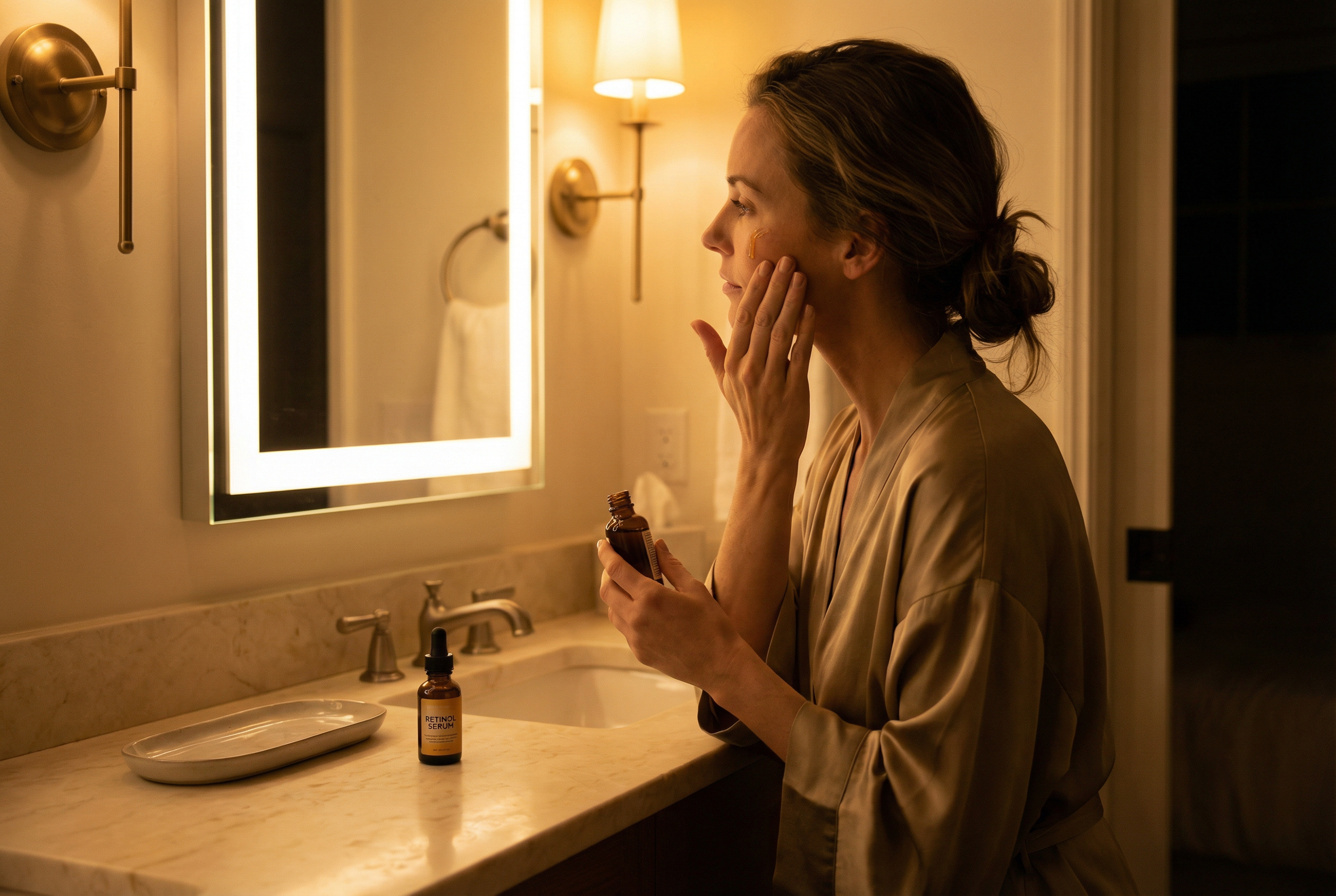
- Retinoids: The Gold Standard: When it comes to cellular repair and regeneration, retinoids are in a class of their own. These Vitamin A derivatives work by binding to retinoic acid receptors in our skin cells, effectively issuing a command to behave like younger, healthier cells. They accelerate cell turnover, boost collagen production, and can even help to reverse some of the epigenetic changes caused by sun damage. From gentle retinol to prescription-strength tretinoin, incorporating a retinoid into your evening routine is a powerful step in any skin longevity plan. To navigate this complex category of ingredients, consulting a complete guide to retinoids can be invaluable.
- Exfoliation: Gently removing the build-up of dead skin cells on the surface of the skin not only improves radiance and texture but also sends a signal to the deeper layers to increase the rate of cell renewal. This can be achieved through chemical exfoliants like alpha-hydroxy acids (AHAs) and beta-hydroxy acids (BHAs), or through physical methods.
Pillar 3: Reinforce and Rebuild
This final pillar is about strengthening the very foundation of the skin—the dermal matrix. The goal is to stimulate the production of new, high-quality collagen and elastin to restore the skin's density, firmness, and elasticity. This is where we move from defence and repair to active rebuilding.
- Peptides: The Cellular Messengers: Peptides are short chains of amino acids that act as signalling molecules in the skin. Different peptides have different functions; some can signal to fibroblasts to produce more collagen, while others can inhibit the enzymes that break collagen down. By using peptide-based serums, you are essentially providing your skin with the instructions it needs to rebuild its own structure. This represents a significant step forward in skincare, heralding what many call the anti-ageing revolution of peptides in skincare.
- Growth Factors: These are larger proteins that play a crucial role in cell growth, proliferation, and differentiation. In skincare, they are used to stimulate the repair of damaged tissues and encourage the production of structural proteins, making them a powerful tool for rebuilding a denser, more youthful dermis.
By consistently addressing these three pillars—Protect, Repair, and Reinforce—you create a comprehensive, synergistic strategy that doesn't just fight against ageing, but actively promotes the long-term health and vitality of your skin.
Advanced Strategies in Aesthetic Science
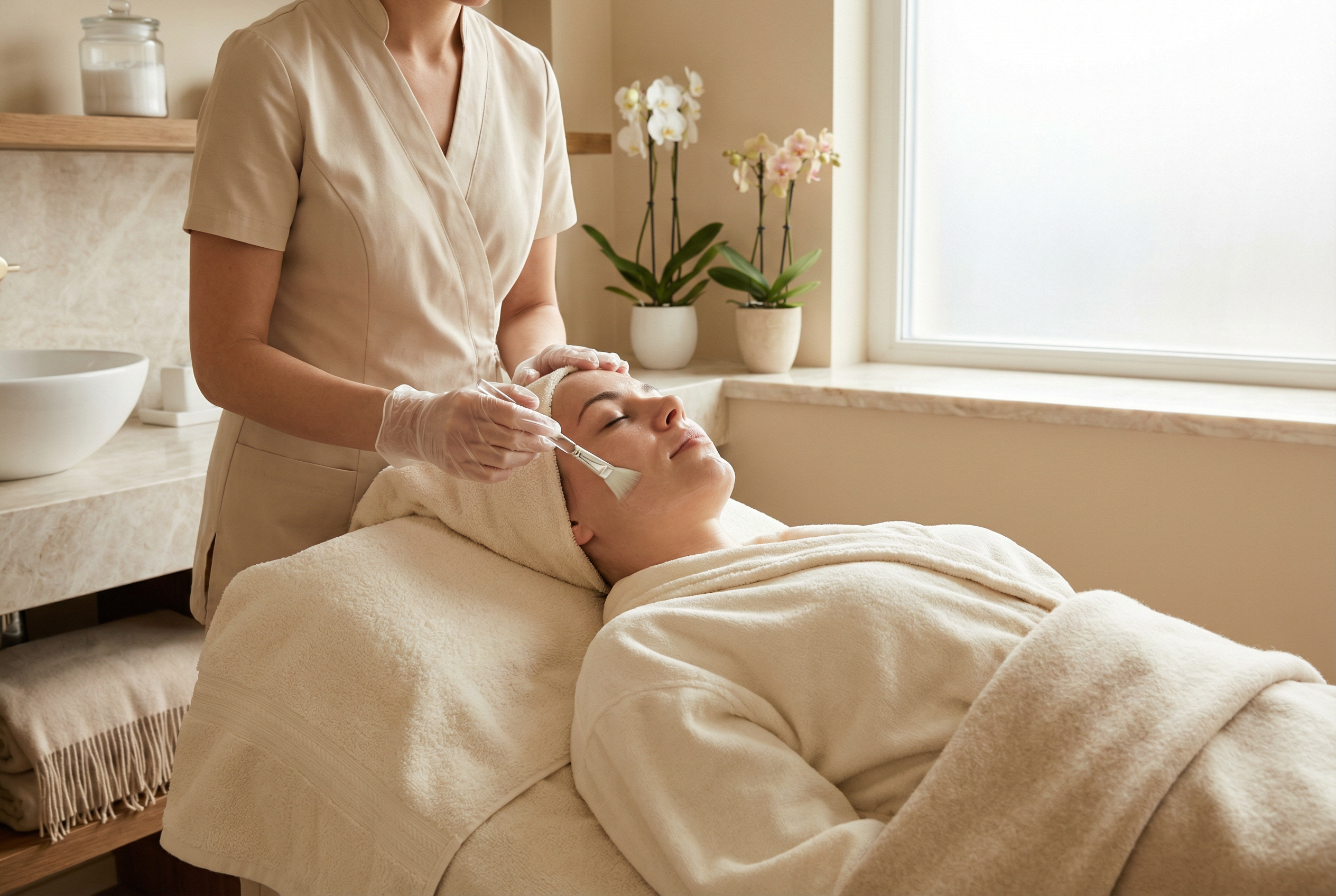
While a consistent, high-quality topical skincare routine is the foundation of skin longevity, in-clinic treatments offered by qualified dermatologists and aesthetic practitioners can provide a significant boost, targeting the deeper layers of the skin in a way that topicals cannot. These advanced strategies are designed to powerfully stimulate the skin's own regenerative capabilities, offering profound and lasting improvements in skin quality and structure.
Biostimulators: Awakening the Fibroblasts
Unlike traditional dermal fillers that simply add volume, biostimulators are injectable substances that work by kicking your own collagen-producing cells (fibroblasts) into high gear. They create a supportive scaffold and trigger a controlled, regenerative inflammatory response, leading to the gradual and natural production of your own new, high-quality collagen and elastin. The result is not just filling, but genuine tissue regeneration, leading to a thickening of the dermis and a significant improvement in skin firmness, texture, and elasticity over time.
- Poly-L-Lactic Acid (PLLA): This has been used for decades and is a potent collagen stimulator. It is injected into the deeper layers of the skin, and over a period of months, it stimulates the body to produce a robust network of new collagen fibres.
- Calcium Hydroxylapatite (CaHA): This provides some immediate volume correction but also works long-term by providing a scaffold that encourages new tissue growth and collagen synthesis.
Energy-Based Devices: Precision Rejuvenation
Energy-based devices (EBDs) use various forms of energy to deliver a controlled thermal injury to the deeper layers of the skin. This precise injury triggers a powerful wound-healing response, which includes the production of new collagen (neocollagenesis) and the remodelling of existing collagen, resulting in tighter, firmer, and smoother skin.
- Radiofrequency (RF) and RF Microneedling: Radiofrequency delivers electrical energy into the dermis, gently heating the tissue to stimulate collagen production. When combined with microneedling, the energy is delivered even more precisely to the desired depth, enhancing the regenerative effect and improving texture, scars, and laxity.
- High-Intensity Focused Ultrasound (HIFU): This technology uses focused ultrasound waves to create precise points of thermal coagulation deep within the skin and even in the SMAS layer (the foundational layer of tissue that surgeons lift in a facelift). This triggers a powerful tightening and lifting effect.
- Laser Resurfacing: Lasers use light energy to create micro-injuries in the skin. Ablative lasers (like CO2 and Erbium) remove the outer layers of the skin, providing dramatic results for deep wrinkles and sun damage but requiring significant downtime. Non-ablative lasers heat the deeper tissues without injuring the surface, stimulating collagen with less recovery time.
Regenerative Aesthetics: The Future is Now
This is the most exciting frontier in skin longevity, harnessing the body's own biological materials to repair and rejuvenate tissues. These treatments go beyond stimulation to provide the actual building blocks for new, healthy skin.
- Platelet-Rich Plasma (PRP): This involves drawing a small amount of your own blood, concentrating the platelets (which are rich in growth factors), and re-injecting them into the skin. These growth factors then orchestrate a powerful healing and regenerative response.
- Exosomes: These are nano-sized vesicles that act as messengers between cells, carrying proteins, lipids, and nucleic acids. When applied to the skin, they can deliver a potent cargo of regenerative signals, instructing cells to repair damage, reduce inflammation, and increase collagen production.
- Autologous Fat Transfer (Fat Grafting): This procedure involves harvesting your own fat cells from one area of the body and injecting them into the face. Not only does this restore lost volume, but the fat tissue is also a rich source of adipose-derived stem cells (ADSCs), which have powerful regenerative capabilities, improving the overall quality of the overlying skin.
These advanced, in-clinic strategies, when used in combination with a robust at-home skincare regimen, represent the pinnacle of a modern, science-backed approach to achieving true skin longevity.
Building Your Skin Longevity Plan: A Practical Guide
Translating the science of skin longevity into a daily routine can feel overwhelming, but it can be simplified into a structured plan. This plan consists of foundational habits that everyone should adopt, supplemented by advanced boosters that can be incorporated based on individual needs and goals.
The Foundational Five
These are the non-negotiable, core components of any effective skin longevity plan. Consistency with these five habits will deliver the vast majority of your results over the long term.
1. Broad-Spectrum SPF 50+ (Every Morning): As established, this is the most critical step. Apply a generous amount to your face, neck, and any other exposed areas every single day, regardless of the weather. Reapply every two hours if you are outdoors.
2. Antioxidant Serum (Every Morning): Apply a well-formulated Vitamin C serum (or another potent antioxidant blend) underneath your sunscreen. This provides a crucial second line of defence against environmental damage.
3. Retinoid (Every Evening): Start with a low-concentration retinol a few nights a week and gradually increase the frequency and strength as your skin adapts. This will be the primary engine of cellular repair and regeneration in your routine.
4. Barrier Support (Daily): Use a moisturiser rich in ingredients like ceramides, hyaluronic acid, and fatty acids to maintain a healthy skin barrier. This is essential for protecting your skin from external irritants and preventing dehydration. Understanding the role of ceramides in skin repair is key to appreciating this step.
5. Gentle Cleansing (Twice Daily): Cleanse your skin morning and evening to remove makeup, pollution, and impurities, but avoid harsh, stripping cleansers that can compromise your skin barrier.
Advanced Boosters
Once you have mastered the Foundational Five, you can introduce these boosters to target specific concerns and further enhance your results.
- Peptide Serums: Incorporate a peptide serum to provide your skin with the specific building blocks it needs for collagen and elastin synthesis. For those interested in the cutting edge of this technology, exploring the anti-ageing revolution of peptides is a must.
- Exfoliating Acids: Use an AHA or BHA exfoliant 1-3 times per week to improve skin texture, unclog pores, and boost cellular turnover.
- Growth Factors/Cytokines: For a powerful boost in skin rebuilding and reinforcement, consider adding a serum containing growth factors or cytokines.
- Eye Cream: The skin around the eyes is thinner and more delicate. A dedicated eye cream can deliver targeted ingredients like retinoids, peptides, and caffeine to this specific area.
The Skin Longevity Diet: Eating for Cellular Health
What you put inside your body is just as important as what you put on your skin. A diet that supports skin longevity is one that is rich in antioxidants, healthy fats, and anti-inflammatory compounds, while minimising processed foods, sugar, and alcohol.
Antioxidant Powerhouses
- Berries and Dark Chocolate: Rich in flavonoids and polyphenols that fight oxidative stress.
- Leafy Greens (Spinach, Kale): Packed with Vitamins A, C, and E, as well as lutein and zeaxanthin.
- Green Tea: Contains EGCG (epigallocatechin gallate), a potent antioxidant that has been shown to protect skin from UV damage.
The Role of Healthy Fats
- Fatty Fish (Salmon, Mackerel): An excellent source of Omega-3 fatty acids, which are crucial for maintaining a healthy skin barrier and reducing inflammation.
- Avocados and Olive Oil: Rich in monounsaturated fats that help to keep the skin hydrated and supple.
- Nuts and Seeds (Walnuts, Flaxseeds): Provide a plant-based source of Omega-3s and Vitamin E.
The Gut-Skin Axis
Emerging research is highlighting the profound connection between the health of our gut microbiome and the health of our skin. A diet rich in fibre, prebiotics (garlic, onions, asparagus), and probiotics (fermented foods like yoghurt, kefir, and kimchi) can help to foster a diverse and healthy gut microbiome, which in turn can reduce systemic inflammation and improve skin conditions like acne, eczema, and rosacea.
Frequently Asked Questions
What is the single most important thing I can do for skin longevity?
Without a doubt, the most critical action you can take is the daily, consistent use of a broad-spectrum, high-SPF sunscreen. The vast majority of visible skin ageing is caused by unprotected sun exposure. No other product or treatment can compensate for the damage caused by UV radiation.
At what age should I start a skin longevity plan?
The best time to start is now. While it's never too late to improve your skin health, the principles of skin longevity are rooted in prevention. Starting a protective skincare routine in your late teens or early 20s, focusing on sunscreen and gentle care, will pay enormous dividends later in life. You can then begin to incorporate more active ingredients like retinoids in your mid-to-late 20s.
Are expensive products always better?
Not necessarily. The price of a product does not always correlate with its efficacy. What matters most is the formulation, the concentration of active ingredients, the delivery system, and the clinical evidence supporting its claims. Many affordable, pharmacy-brand products are exceptionally well-formulated and effective. Focus on the ingredient list, not the price tag.
How long does it take to see results from a new skincare routine?
Patience and consistency are key. While you might notice improvements in hydration and radiance within a few weeks, it takes time to see significant structural changes in the skin. For ingredients like retinoids, which work at a cellular level to stimulate collagen, it can take at least 3-6 months of consistent use to see noticeable improvements in fine lines and firmness. Stick with your routine to see the best results.
Can I reverse the signs of ageing completely?
While it is not possible to completely reverse all signs of ageing and return to the skin of your youth, it is absolutely possible to make significant improvements in the health and appearance of your skin at any age. By following a consistent, science-backed skin longevity plan, you can soften wrinkles, improve firmness, even out skin tone, and restore a healthy glow. The goal is not to look 20 forever, but to have the healthiest, most vibrant skin possible at every stage of your life.
What is the difference between a biostimulator and a dermal filler?
A traditional dermal filler, typically made of hyaluronic acid, works by physically occupying space to restore lost volume or fill a wrinkle. The results are immediate but temporary. A biostimulator, on the other hand, is an injectable product that stimulates your own body to produce new collagen. The results are gradual and more natural, as you are rebuilding your own skin structure. It's a shift from simply filling a space to regenerating the tissue itself.
Do I need to use all the internal link products mentioned in the article?
Not at all. The internal links, such as the one discussing the benefits of retinoids, are provided as resources for readers who wish to delve deeper into specific topics. A foundational routine built on sunscreen, antioxidants, and a retinoid is a powerful starting point. The other products and ingredients can be considered as you become more advanced in your skincare journey and wish to target more specific concerns.