In an era defined by digital innovation, the beauty industry is undergoing a profound transformation. The convergence of technology and aesthetics is no longer a futuristic fantasy but a present-day reality, reshaping everything from our daily skincare routines to the very essence of how we define and experience beauty. Artificial intelligence (AI), augmented reality (AR), and a host of smart devices are ushering in an age of hyper-personalisation, making beauty more individualised, accessible, and effective than ever before. This article explores the cutting-edge technologies that are driving this revolution and what they mean for the future of the beauty landscape.
The Rise of Hyper-Personalisation
The one-size-fits-all approach to beauty is rapidly becoming a relic of the past. Today, the industry is moving towards a model of hyper-personalisation, where products and routines are tailored to the unique needs of each individual. At the forefront of this shift is AI, which is being used to analyse skin at a level of detail previously unimaginable.
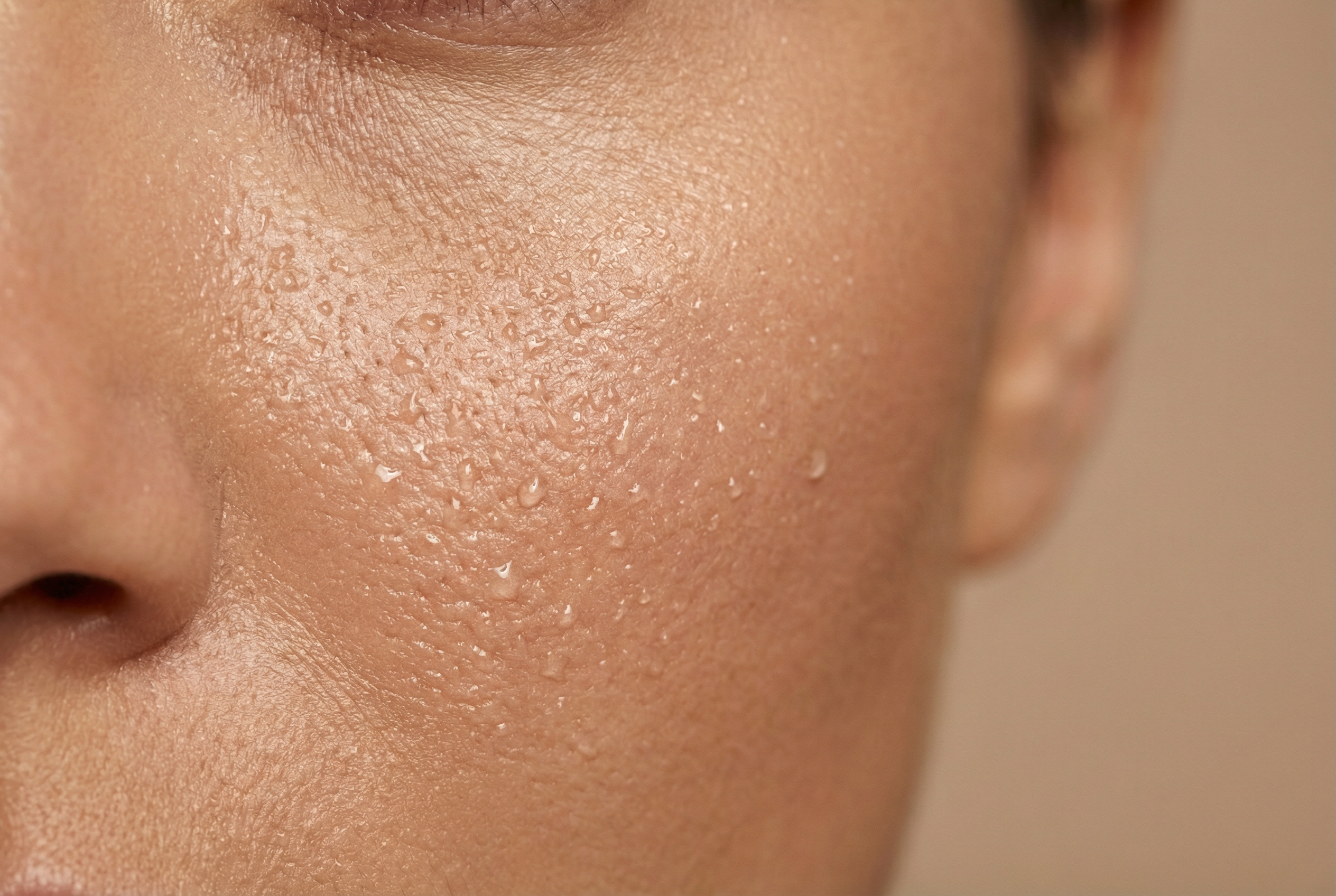
AI-powered apps and devices can now assess a wide range of skin metrics, including hydration levels, pore size, redness, and even environmental stressors like pollution and UV exposure. By analysing this data, these tools can provide highly personalised product recommendations and create bespoke skincare regimens that adapt to the user's changing needs. This move from generalised skin types to real-time, condition-based personalisation is a game-changer for consumers who have long struggled with the trial-and-error nature of finding the right products.
| Feature | Traditional Skincare | Personalised Skincare |
|---|---|---|
| Analysis | General skin types (oily, dry, etc.) | Real-time skin analysis |
| Recommendations | Based on broad categories | Tailored to specific, immediate needs |
| Adaptability | Static routines | Dynamic and responsive to change |
| Efficacy | Hit-or-miss | Higher potential for targeted results |
Augmented Reality and the Virtual Try-On Revolution
Augmented reality is revolutionising the beauty retail experience, bridging the gap between online shopping and the in-store experience. Virtual try-on applications allow consumers to experiment with a vast array of makeup products—from lipsticks and eyeshadows to foundations and concealers—without ever having to apply them physically. This technology not only enhances the online shopping journey but also provides a more hygienic and convenient way to sample products in-store.
While AR offers a powerful tool for discovery and engagement, it is not without its challenges. Ensuring colour accuracy across different devices and lighting conditions remains a significant hurdle. However, as the technology continues to evolve, we can expect virtual try-ons to become increasingly realistic and reliable, further blurring the lines between the physical and digital worlds.
Smart Devices and At-Home Treatments
The proliferation of smart beauty devices is bringing professional-grade treatments out of the salon and into our homes. From LED light therapy masks that target acne and signs of ageing to microcurrent devices that tone and lift the skin, these at-home tools are making advanced skincare more accessible and affordable than ever before. These devices empower consumers to take a more active role in their skincare routines, offering a level of customisation and control that was previously the exclusive domain of dermatologists and aestheticians.
The Role of Biotech and Sustainable Innovation
Beyond the digital realm, biotechnology is driving a new wave of innovation in beauty, leading to the development of more effective, sustainable, and ethically produced ingredients. Scientists are now able to create lab-grown versions of popular ingredients, such as collagen and hyaluronic acid, which are not only more potent but also have a significantly smaller environmental footprint than their animal-derived or plant-sourced counterparts. This shift towards biotech beauty is not only good for the planet but also offers new possibilities for creating highly efficacious and targeted skincare solutions.
The Challenges and Ethical Considerations of Beauty Tech
As with any technological revolution, the rise of beauty tech brings with it a unique set of challenges and ethical considerations. Data privacy is a major concern, as personalised beauty apps and devices collect vast amounts of sensitive personal information. It is crucial for brands to be transparent about how they collect, use, and protect this data to maintain consumer trust.
Furthermore, there is a risk that AI algorithms could perpetuate existing biases in the beauty industry, for example, by being less accurate for certain skin tones. It is essential for developers to ensure that these technologies are trained on diverse datasets to create a more inclusive and equitable beauty landscape. Finally, in an increasingly tech-driven world, it is important to remember the value of the human touch. While technology can enhance the beauty experience, it should not replace the expertise and artistry of human professionals.
FAQs
Is beauty tech making the industry less inclusive?
While there is a risk that AI could perpetuate biases, many see technology as a powerful tool for promoting inclusivity. By catering to individual needs, beauty tech has the potential to move beyond the narrow beauty standards of the past and celebrate a more diverse range of skin tones, types, and concerns. For more on this, see our article on The New Age of Inclusive Beauty.
How can I protect my data when using personalised beauty apps?
Always read the privacy policy before downloading a beauty app to understand how your data will be used. Opt for apps from reputable brands that are transparent about their data practices. You can also limit the permissions you grant to the app on your device. For more tips, check out our Guide to Digital Privacy.
Will technology replace human beauty experts?
It is unlikely that technology will completely replace human beauty experts. While AI can provide data-driven recommendations, it cannot replicate the creativity, artistry, and personalised touch of a skilled makeup artist or aesthetician. Instead, technology is more likely to become a powerful tool that enhances the capabilities of human professionals.